

Lead generation is tricky. If you run a small business, you've likely been up late wondering how to bring in more customers. The stakes are high, your budget is tight, and you're not just looking for a few scattered leads - you want a flow of interested buyers ready to pay. In other words, you need something real, something consistent, something sustainable. And that's where lead generation companies come into the mix.
Why talk about lead generation companies? Because, if done right, they can be your lifeline. These companies help streamline what small businesses often struggle with the most: finding and nurturing those potential customers until they’re ready to take out their wallets.
But..and it’s a big “but”, not all lead generation companies are created equal. Choosing the wrong one can be like throwing your money into a black hole. This guide will walk you through the intricate details: why some lead generation companies can work wonders for small businesses, what specific features you should look for, and how to ensure you’re not getting burned. Let’s dig in.
Lead Generation Landscape
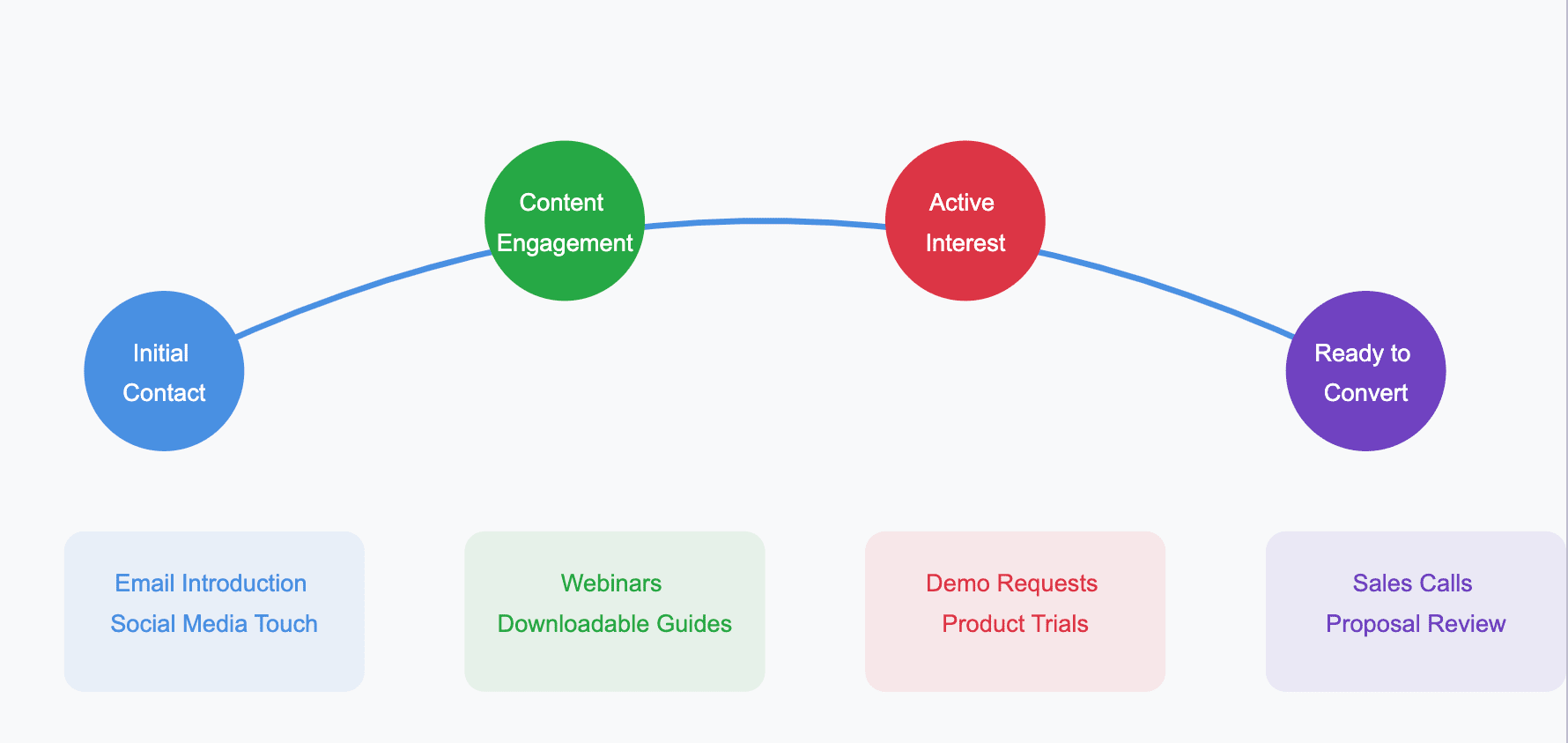
Lead generation isn’t rocket science, but it isn’t child's play either. When you hear about lead generation, think beyond just getting contact information. Think about building relationships, establishing trust, and creating a journey that will ultimately convert a cold lead into a loyal customer.
Small businesses face an uphill battle here because they often don’t have the resources to experiment with different strategies. This is why outsourcing to a lead generation company can sometimes be the best decision. But make no mistake—you must know what kind of services to expect. Otherwise, you’re gambling with your marketing dollars.
Consider a lead generation company as an extension of your marketing arm. The right one will not just throw random names into your CRM but will cultivate leads based on relevance, behavior, and even engagement level. You want your leads pre-warmed—not just people who may have accidentally clicked a pop-up ad somewhere on the internet.
Why Small Businesses Need Specialized Lead Generation Help
Think about the resources big corporations have. They have entire departments dedicated to lead management, automation tools costing tens of thousands of dollars a month, and brand authority so powerful it does half the work for them. Now compare that to a small business—likely just you and a small team trying to manage everything from marketing to customer service.
That’s why outsourcing can be so impactful. A small business needs leads but doesn’t necessarily need to master every single marketing discipline that goes into getting those leads. The reality is that if you try to handle lead generation, marketing strategy, and fulfillment at once, you end up with a diluted focus. And in today’s market, a diluted focus means lost customers.
The idea here isn’t about giving up control. It’s about finding the right partner to extend your capacity and expertise—filling in where your team may have gaps.
What Do Lead Generation Companies Actually Do?
Let’s get specific. When I mention lead generation companies, you may think of email lists or telemarketing scripts. That's dated thinking. Modern lead generation companies do a lot more:
- Multi-Channel Outreach: Using email marketing, social media, paid ads, even influencer campaigns to identify leads.
- Content Development: Creating downloadable guides or blog posts that attract leads in your industry.
- Lead Qualification: Vetting leads before they ever reach your inbox—so you're not wasting your time with tire kickers.
- CRM Management: Integrating with your existing tools so the data flow is seamless.
Companies like DataDab (yep, that’s us!) focus on this kind of holistic approach. We’re not interested in sending you just a contact list; we want you to have a pipeline of potential clients that are actually interested in what you offer.
Types of Lead Generation Companies
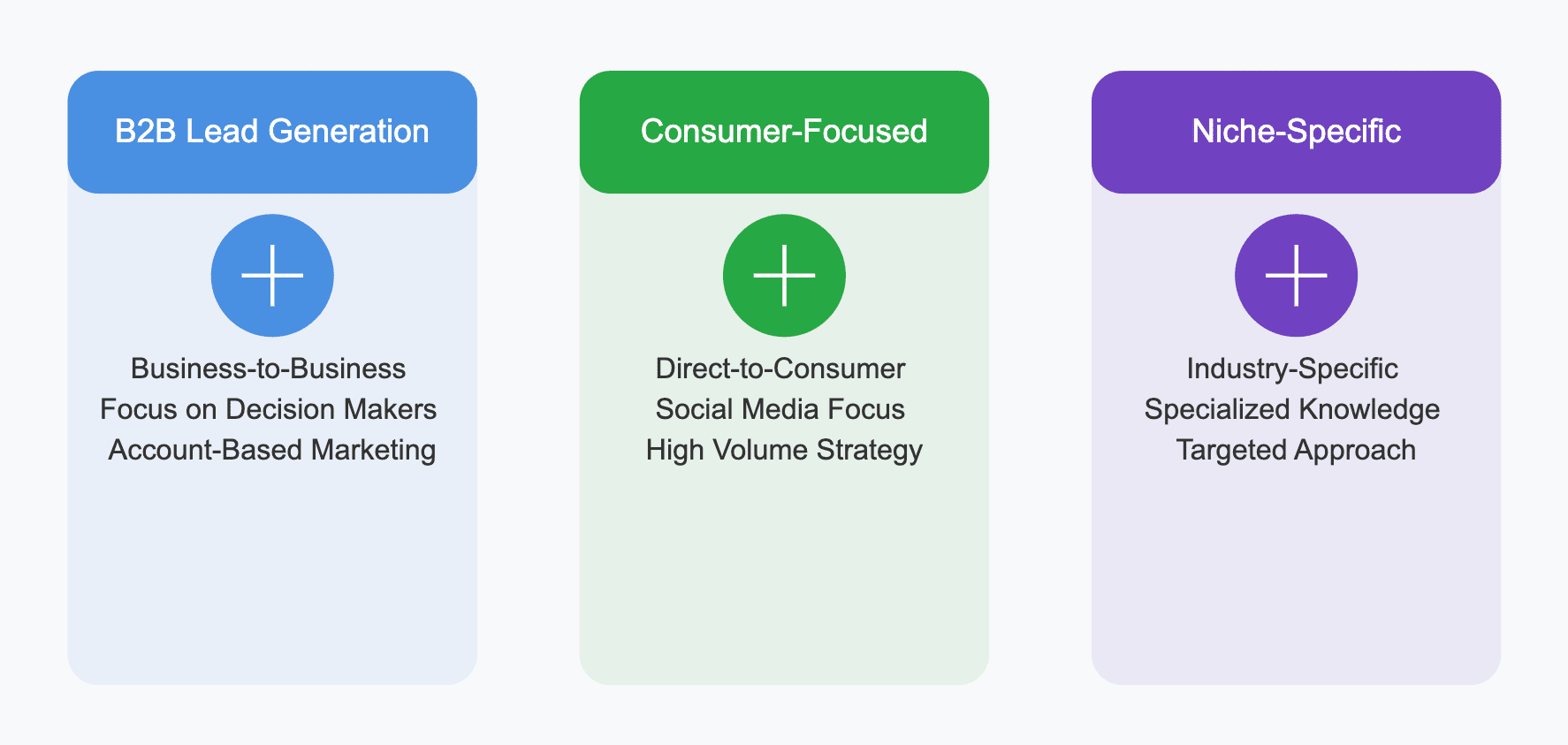
Not all lead generation companies are a good fit for small businesses. Let’s take a quick look at the main types of lead gen companies you’ll come across and which ones might make sense for you.
1. B2B Lead Generation Companies
These companies specialize in business-to-business (B2B) leads. They focus on generating leads for businesses that sell products or services to other businesses. If your small business is offering consulting, SaaS solutions, or anything that another business might need, these types of companies are what you want to consider.
The key here is targeting the right roles within the target companies—not just anyone, but decision-makers. Good B2B lead gen companies use LinkedIn data, industry-specific events, and content marketing campaigns aimed at professionals. They also employ Account-Based Marketing (ABM), where they hyper-focus on specific businesses, crafting personalized campaigns for them.
2. Consumer-Focused Lead Generation Companies
For those in retail, hospitality, healthcare, or similar fields—this is where consumer-focused lead generation companies come into play. They’ll use strategies like social media ads, content marketing, and direct response advertising to generate a flow of interested individuals.
Unlike B2B leads, consumer-focused lead gen often emphasizes volume but with the right targeting criteria. You want quality over quantity, but you can’t afford to neglect the metrics that matter: conversion rates, time to contact, and follow-up methods.
3. Niche-Specific Lead Generation Companies
If your business has a very niche audience—think real estate agents, dentists, or vintage car restorers—consider niche-specific lead generation companies. These firms know the lay of the land in your industry and already have relationships with relevant media outlets, industry blogs, and influencers.
Niche-specific lead gen companies excel because they’re hyper-targeted. They understand the language your customers speak, the forums they participate in, and the content they consume. If you’re in a niche market, this can significantly reduce the cost per lead and boost conversion rates.
Choosing the Right Partner
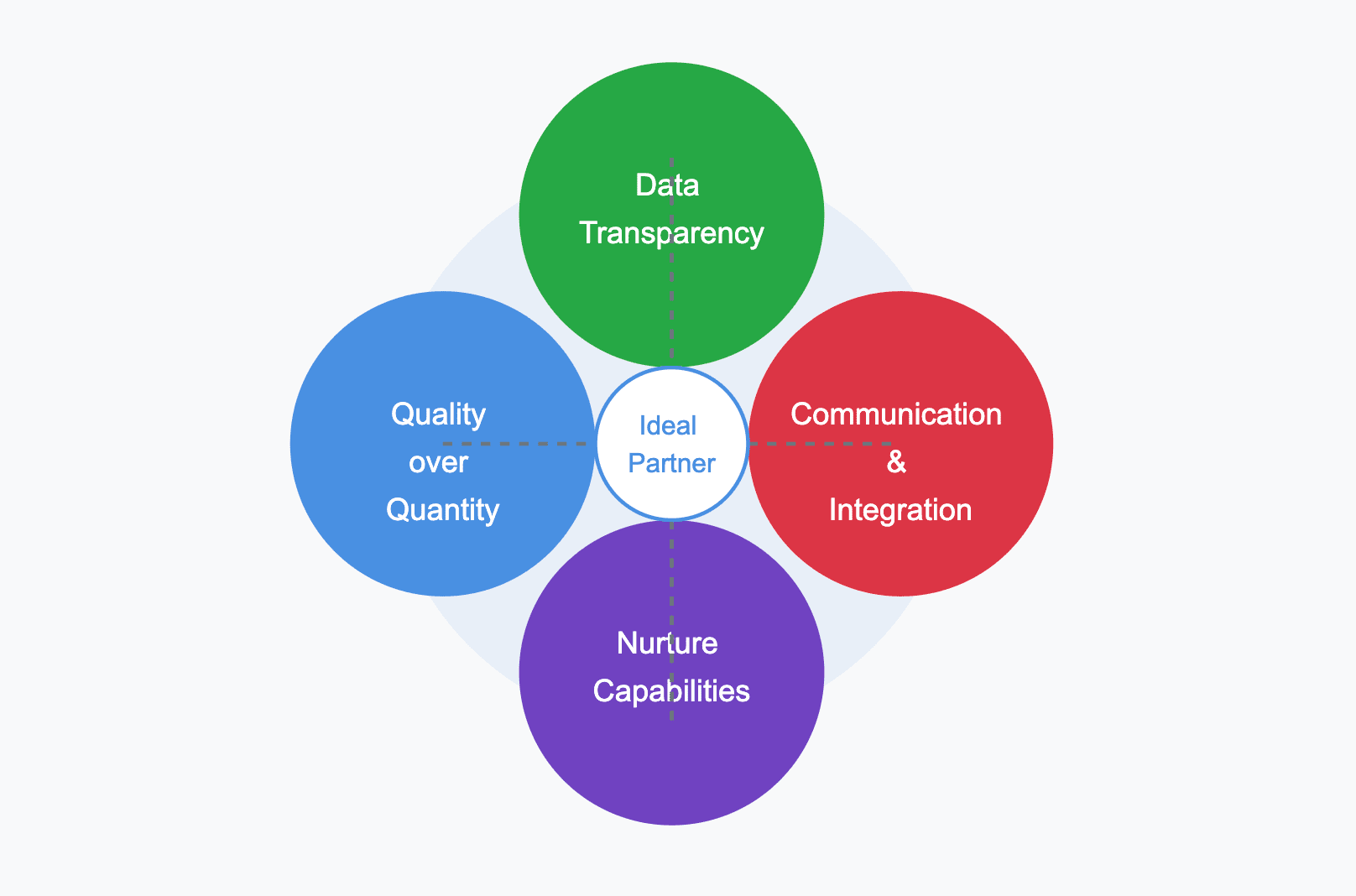
So, let’s get practical. You want to work with a lead generation company, but how do you choose? Let’s look at some non-obvious factors you should consider.
1. Quality over Quantity
It’s tempting to work with companies promising you a thousand leads overnight. But what you should care about is lead quality. A few well-qualified leads can yield more revenue than thousands of irrelevant contacts. Look for companies that emphasize criteria like demographics, psychographics, and even engagement behavior.
2. Data Transparency
If they can’t tell you where the leads are coming from, run. A reliable lead gen company will be transparent about their process—which channels they use, how they approach prospects, and even how they qualify each lead. They should be able to tell you if the leads came from LinkedIn outreach, cold email campaigns, or pay-per-click ads.
3. Communication & Integration
This is often overlooked. If your lead generation company can’t work seamlessly with your sales team, you’re wasting resources. Make sure they’re willing to integrate with your CRM and are open to regular communication. The best companies provide performance metrics and are willing to adjust tactics based on what works and what doesn’t.
4. Nurture Capabilities
Lead nurturing—getting someone from interest to conversion—is not something all lead generation companies do well. Ask about their lead nurturing strategies. Will they help you build automated workflows, or are they merely a contact delivery system? The right partner should have solid strategies to engage leads over time.
When Lead Generation Works Wonders
Let’s take a step away from theory and look at some examples.
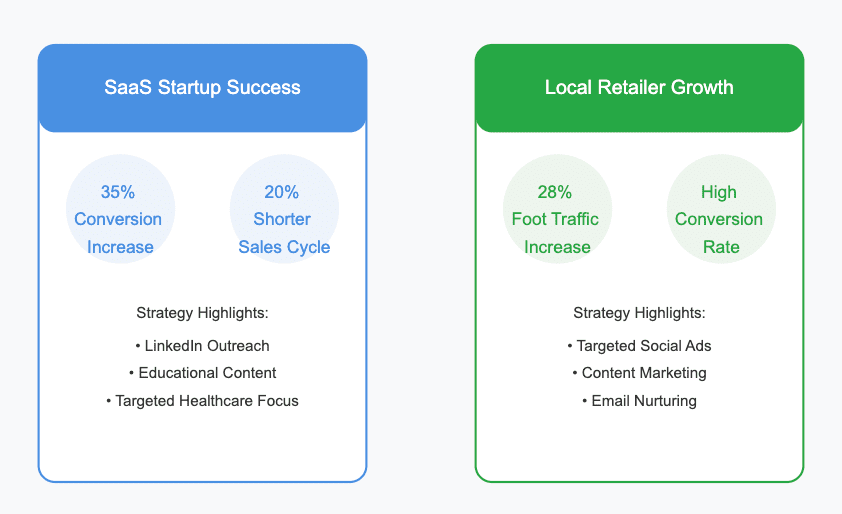
Case Study 1: The SaaS Startup
A small SaaS startup had limited success with its initial PPC campaigns and struggled to find reliable leads. They partnered with a B2B lead generation company that specialized in LinkedIn outreach. Instead of focusing on small businesses at large, they went hyper-targeted. They identified mid-level managers in the healthcare industry and used educational content—webinars and whitepapers—to build credibility.
Within four months, this SaaS startup increased their conversion rate by 35% and shortened their sales cycle by almost 20%. The difference was the quality of the leads—decision-makers, already familiar with the company, and genuinely interested in solving a problem.
Case Study 2: The Local Retailer
A local furniture retailer decided to engage a consumer-focused lead generation company that specialized in regional advertising. Instead of relying on broad online campaigns, they focused on Facebook and Instagram ads targeting newly married couples and homeowners within a 50-mile radius. They offered a downloadable guide titled “The Ultimate Guide to Furnishing Your First Home” and collected emails through it.
The email nurturing sequence that followed was key: tips for home decor, exclusive promotions, and video walkthroughs of new stock. The result? A 28% increase in foot traffic to their store, and a significant uptick in sales.
What to Avoid When Choosing a Lead Generation Company
It’s not all roses and sunshine. There are some serious pitfalls to be wary of. Let’s go over what to avoid.
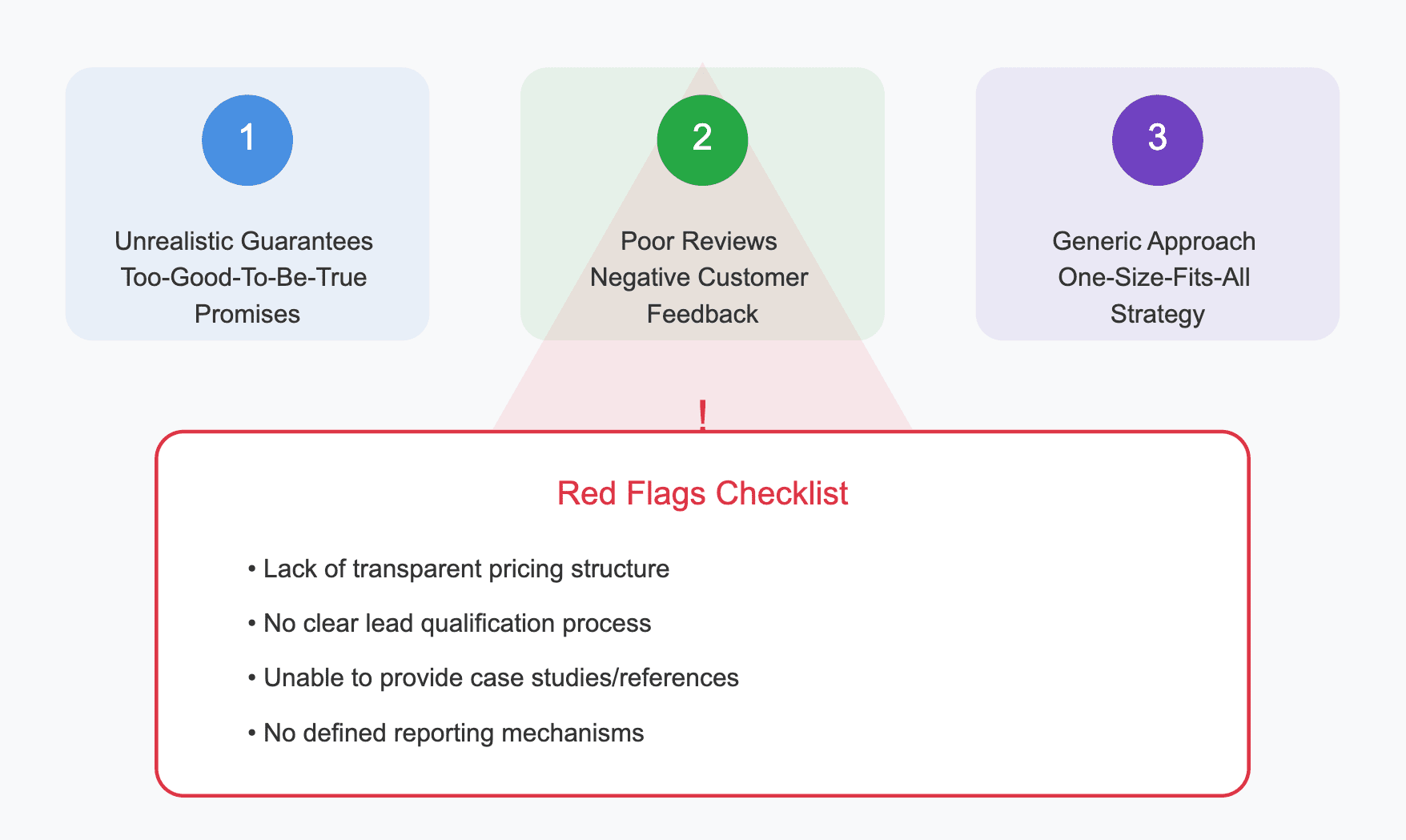
1. Guarantees That Sound Too Good
Any company guaranteeing leads within a set period or promising unrealistic conversion rates is probably cutting corners. Lead generation is part art, part science, and quality leads often take time to nurture.
2. Poor Customer Reviews
Take time to look up customer reviews—particularly on niche sites where disgruntled businesses often voice their experiences. A few bad reviews are normal, but a pattern of poor customer service, lack of transparency, or aggressive upselling are red flags.
3. Lack of Personalization
If a lead gen company employs a one-size-fits-all approach, that’s a bad sign. Your business is unique, and your lead generation strategy should reflect that. Cookie-cutter approaches will never give you the quality of leads that truly move the needle.
How Much Should You Spend on Lead Generation?
This is where things can get a little murky because there's no universal answer. That said, there are some benchmarks that can help guide you.
For B2B companies, you might spend anywhere between $150 - $400 per lead, depending on the industry. For consumer-focused businesses, this could be less, maybe in the $20 - $100 range, depending on the lead’s potential lifetime value. Niche industries often demand higher prices due to the specificity required.
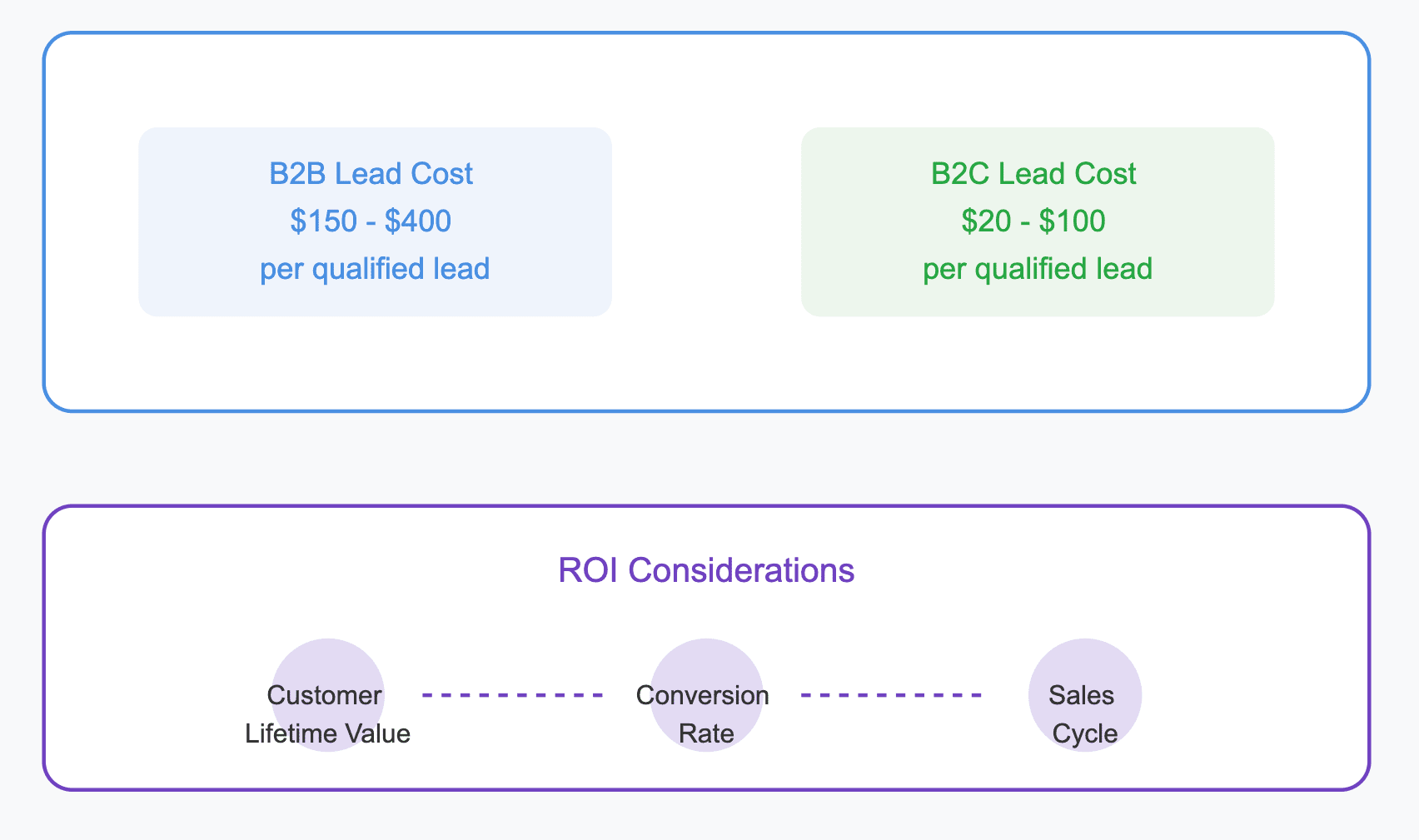
Small businesses need to view lead generation as an investment, not as an expense. Think long-term. A great lead generation company should be aiming to help you build relationships, not just collect contact info.
The Right Metrics
If you do decide to engage a lead generation company, how do you know if they’re actually delivering? Metrics are your best friend here. Don’t just focus on the number of leads—consider the conversion rate, cost per lead, sales cycle length, and even customer acquisition cost (CAC).
A good lead generation company will provide metrics beyond just the volume of leads. They should be tracking what percentage of leads turn into customers, how much nurturing each lead requires, and what kinds of leads perform best for your particular business model.
The Smart Path Forward
Partnering with a lead generation company can be transformative for small businesses—but only if you choose wisely. Understanding the different types of companies, recognizing the need for quality over quantity, and setting the right expectations can mean the difference between growing your customer base and wasting precious resources.
At DataDab, our mission is to bring nuance and strategy into lead generation—not just volume. We believe in understanding the intricacies of your business, ensuring that the leads you get aren’t just names on a list but real, potential customers with a high likelihood of conversion.
Think about what’s right for your business, your budget, and your time. A good lead generation partner isn’t just a service provider—they’re an ally in your growth story. After all, it's not just about collecting contacts; it's about building bridges to long-term success.
FAQ
1. What is the main benefit of using a lead generation company for small businesses?
The biggest benefit is that lead generation companies bring expertise and dedicated resources to find and nurture potential customers for you. This helps small businesses save time, focus on core activities, and ultimately generate a steady stream of quality leads without the trial and error of doing it all in-house.
2. How do I know if a lead generation company is right for my business?
Consider whether you have the resources to manage lead generation effectively on your own. If you struggle to generate consistent leads or lack the budget to experiment with various marketing strategies, a lead generation company could be a strong fit. Also, assess their specialization in your industry or target market to ensure alignment.
3. Are all lead generation companies the same?
No, they are not. Some specialize in B2B, others in consumer-focused industries, and still others serve niche markets. They also differ in methods, transparency, and how they handle the leads. It’s crucial to match the right type of company to your specific needs and target audience.
4. How do lead generation companies qualify leads?
Quality lead generation companies use data and targeted approaches to qualify leads. This includes analyzing customer behavior, demographics, and even engagement metrics. They also vet leads through surveys or personalized outreach to ensure that the prospects are genuinely interested and have a higher likelihood of converting.
5. What metrics should I focus on when evaluating a lead generation company?
Focus on conversion rate, cost per lead (CPL), sales cycle length, and customer acquisition cost (CAC). These metrics give you insight into not only the volume of leads but also the quality and efficiency of the company's processes in turning leads into paying customers.
6. How long does it take for lead generation efforts to show results?
This can vary depending on your industry, target audience, and the company’s strategy. Typically, you may start seeing results in 3 to 6 months. High-quality lead generation often involves nurturing, meaning it takes time to build relationships and trust before seeing conversions.
7. How much should I budget for lead generation services?
For B2B services, the average cost per lead ranges from $150 to $400. For consumer-focused businesses, it could range from $20 to $100, depending on lifetime value. However, niche industries may have higher costs due to the specificity of the leads. The key is to see it as an investment rather than an expense.
8. Can I integrate my CRM with a lead generation company’s system?
Yes, many lead generation companies offer CRM integration to ensure a smooth data flow. This integration allows your sales team to efficiently follow up on leads, track their progress, and maintain records, making the entire lead management process seamless.
9. What should I avoid when selecting a lead generation company?
Avoid companies that promise guarantees like “100 leads in a week” or unrealistic conversion rates. Also, steer clear of companies with poor reviews or ones that are not transparent about their lead generation methods. A one-size-fits-all approach often means a lack of personalization that might not fit your business needs.
10. How do lead generation companies help nurture leads?
Lead generation companies often use automated workflows, email campaigns, and content marketing strategies to nurture leads. The goal is to engage with leads regularly, offering relevant information that moves them through the sales funnel until they are ready to make a purchase decision.