We test AI-era product marketing on products we actually ship.
Your buyers are no longer reading every page in order. They ask ChatGPT, Perplexity, Claude, internal copilots, and search assistants to summarize the market before sales ever hears from them. If your product pages cannot supply precise, quotable evidence. You get flattened into the category average.
DataDab Labs is where we pressure-test the same work we do for B2B SaaS clients: product positioning that survives extraction, trust claims backed by receipts, and pages structured so AI systems can cite the right passage instead of guessing.
“We had traffic. Rankings looked fine. But when we asked ChatGPT ‘what’s the best platform for X?’ — crickets. Or worse, it named our competitor,” says the VP Marketing. “That was the gut punch.”
She still has the screenshot. Says she looks at it when the CEO asks about blog traffic.
On-device autocomplete | 3 local model tiers plus Apple Intelligence | encrypted local memory | one-time license
WriteAmp is a useful stress test for SaaS positioning because the category is easy to misunderstand. It is not another writing app. It adds ghost-text autocomplete across existing Mac apps, so the page has to make the job, mechanism, privacy model, and pricing obvious in a few extractable passages.
That is the same problem many B2B SaaS teams face when buyers compare similar-sounding tools. The page has to answer what it does, where it works, what the buyer controls, what data is remembered, and why the product belongs in the shortlist without relying on adjectives.
What this proves for SaaS teams
The strongest product pages name the buyer's job first, then prove the mechanism. When a page says what happens, where it happens, what data is used, and what the buyer can verify, AI systems can retrieve a clean answer. When it leads with vague benefit language, the model fills in the blanks.
On-device dictation and rewrite | local polish model | Apple Neural Engine | one-time license
EchoFlow is a trust-evidence problem disguised as a dictation product. The page has to explain local speech, local polish, model setup, rewrite behavior, operating-system requirements, pricing, and privacy boundaries without making the buyer work for the facts.
That maps directly to technical B2B SaaS pages. If you claim security, compliance, AI capability, or workflow fit, the page must show the evidence path: what runs where, what is stored, what is optional, what is limited, and what the buyer can independently check.
What this proves for SaaS teams
Trust claims do not travel unless they contain receipts. Private, secure, accurate, AI-powered, enterprise-ready: none of those phrases help a buyer or a model unless the surrounding passage names the concrete behavior behind the claim.
Local-only clinical scribe | on-device speech and note model | sentence-level evidence trail | free and open source
Klinote puts a privacy claim under maximum pressure: a clinical scribe where audio and text never leave the clinician's Mac, and every sentence in the finished note links back to the words that were actually said. There is no account and no data-processing agreement, because there is no data processor.
Pages sold to regulated buyers cannot lean on adjectives. Klinote's page names what runs on the machine, what is downloaded once, what never leaves it, and how a skeptical clinician can verify the boundary — the same structure that makes a security or compliance page citable instead of vague.
What this proves for SaaS teams
When privacy is the product, the claim has to carry its own receipt. A boundary a buyer can check — a script, a source tree, a sentence-level link to the transcript — survives an AI summary intact. "Privacy first" does not.
Local-first time tracking and invoicing | no servers, no subscription | one-time license, up to 3 people
owntime is a pricing-model stress test. The time-tracking category runs on subscriptions, so the page cannot just say "buy once" — it has to make the tradeoff legible: who the license covers, where the data lives, what an update costs, and exactly what the one-time price includes.
That is the same posture a SaaS company needs when it displaces an entrenched incumbent. The buyer is already running a comparison in their head. Pages that name that comparison and answer it with specifics win the extractable answer; pages that dodge it get summarized into the category default.
What this proves for SaaS teams
Pricing pages that state their own limits are easier to quote than pricing pages that hide them. When a page spells out what is included, what is not, and who it covers, both a buyer and a model can repeat the offer without inventing the fine print.
AP invoice extraction for Indian manufacturers | GST-native validation gates every entry | Tally-ready export | 85% automatic by day 30 or the pilot is free
EntryLedger sells a gate, not an accuracy statistic. Scanned supplier invoices become Tally-ready vouchers automatically — and nothing enters the books unless it passes GST checksum and arithmetic validation or a human confirms it. The failure path is described, not buried.
Every automation buyer asks the same question: what happens when it is wrong? Pages that answer it directly — what gets blocked, who sees the exception, why it stopped — give buyers a decision criterion they can repeat. Pages that only describe the happy path leave the buyer to imagine the failure path, usually pessimistically.
What this proves for SaaS teams
Exception handling is the most extractable passage on an automation page. Asked "can this be trusted with real records," a model quotes the blocked-and-explained path, not the demo. Describe that path in concrete terms and it survives the summary.
Flight-aware eSIM landing cover | one-time purchase, priced from $1.99 | full refund if you are still offline 30 minutes after landing | gift it to someone else
Touchdown's page carries one promise with a condition attached: still offline 30 minutes after landing means a full refund. The trigger, the remedy, and the limit are stated the same way on every surface — the only way a conditional guarantee stays believable before takeoff.
Vague assurances — works everywhere, 100% reliable — are the marketing equivalent of adjectives. Specific conditions are quotable. When a page states the exact trigger and the exact remedy, buyers and assistants can repeat the offer without softening it into something the product does not promise.
What this proves for SaaS teams
Specificity is a citation feature. A promise with a condition and a remedy survives being summarized; a promise without one gets warmed over into generic marketing language the moment a model rewrites it.
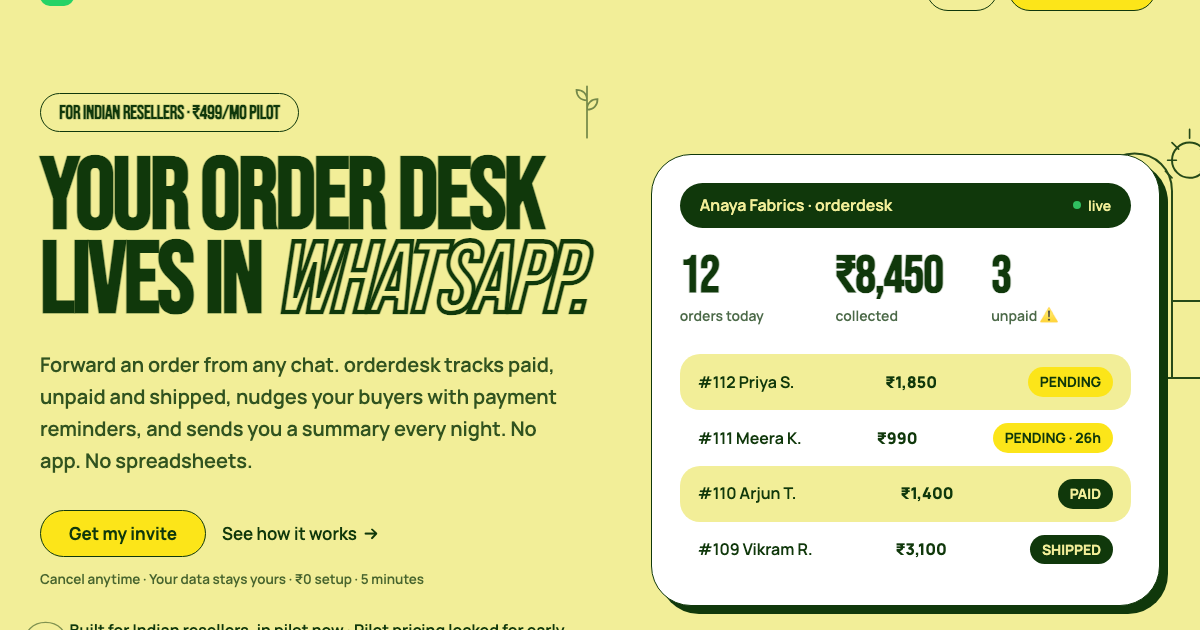
WhatsApp order desk for Indian resellers | forward a chat to capture an order | one-word status commands | ₹499/mo pilot
orderdesk does not ask its users to move into a new tool. Sellers already run their business in WhatsApp and Instagram threads: forwarding a message captures the order, a one-word reply updates it, and the dashboard exists only for history and exports.
That is the adoption question every vertical SaaS page has to answer: what does the buyer have to change on day one? Pages that lead with the surface the customer already lives in make the product feel like less work. Pages that lead with screenshots of a new interface assume a migration the buyer never agreed to.
What this proves for SaaS teams
AI systems summarize mechanisms, not ambitions. "Forward a message, get an order" is a workflow a model can restate accurately; "unified order management platform" is a phrase it will round to whatever category leader it already knows.
We test whether a model can answer what the product is, who it is for, what it replaces, and why it is different without stitching together guesses from scattered copy.
Are trust claims backed by concrete evidence?
We test whether claims about privacy, AI quality, workflow fit, and reliability are tied to mechanisms a buyer can verify: what runs where, what is stored, what is optional, and what the limits are.
Does the page give buyers usable decision criteria?
We test whether the page helps a serious buyer compare options: requirements, tradeoffs, pricing model, data handling, implementation expectations, and the situations where the product is or is not a fit.
Want your SaaS pages to hold up in AI-assisted evaluation?
That is the core work. We audit how your decision-stage pages get parsed, cited, compared, and recommended, then rebuild the parts that fail to produce clear evidence for buyers and AI systems.



 EchoFlow
 Klinote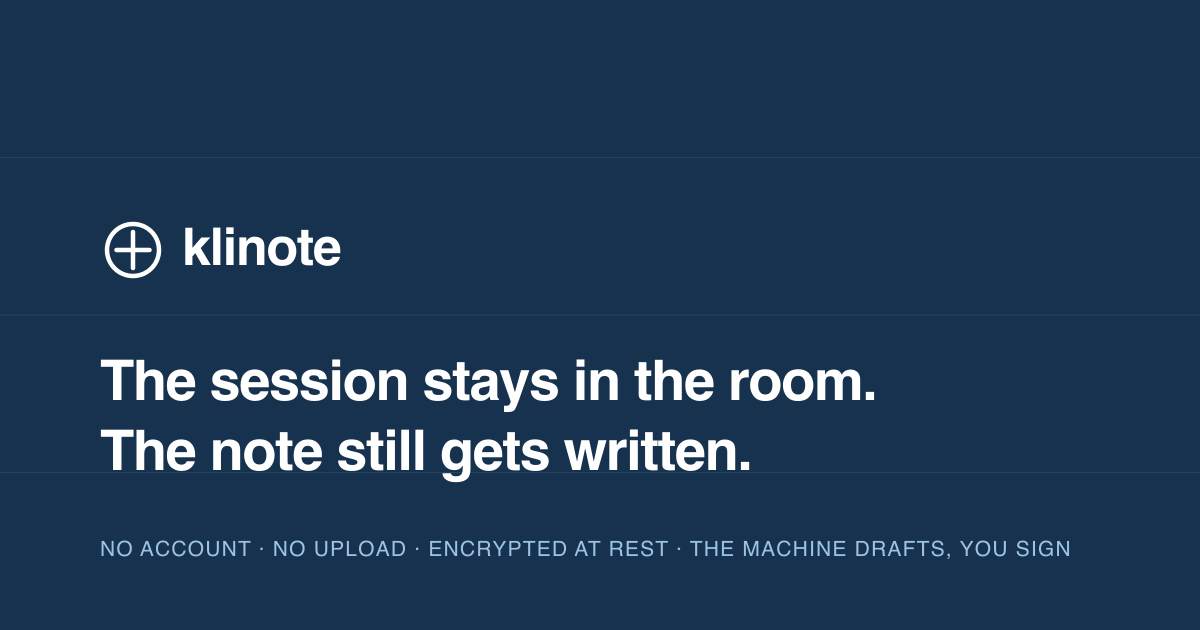
 owntime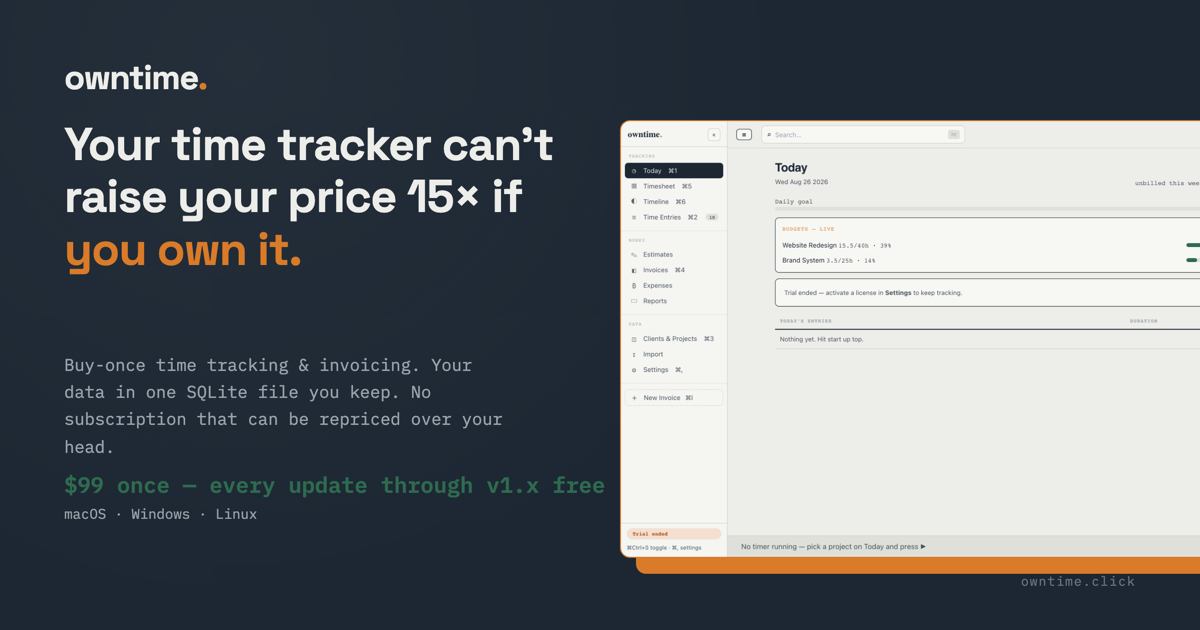
 EntryLedger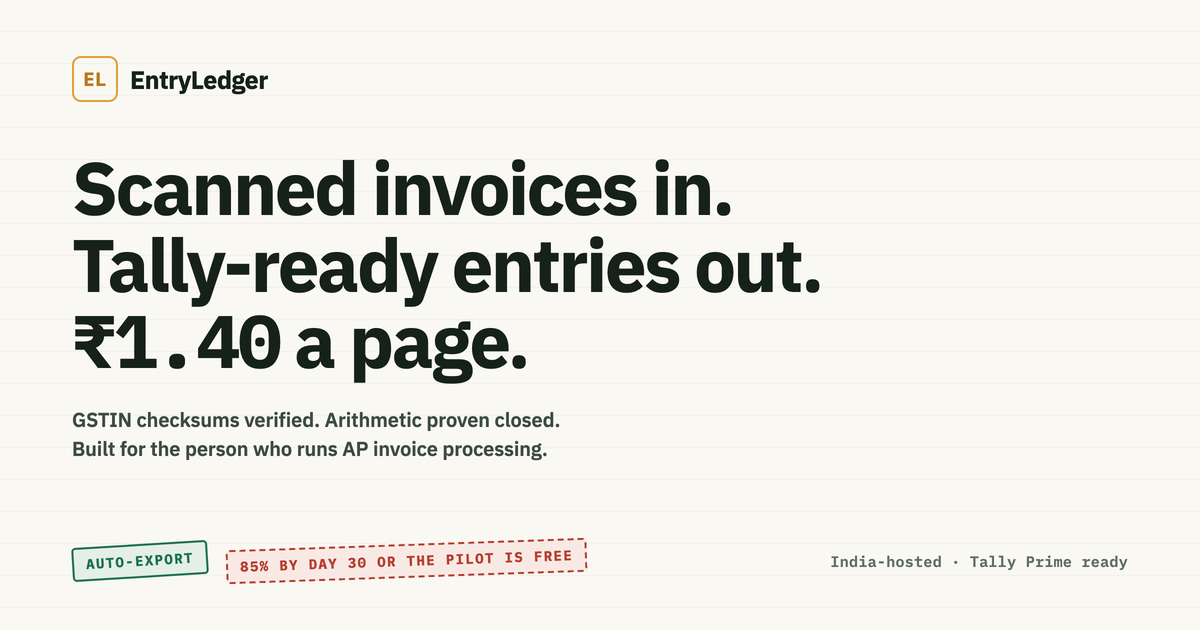
 Touchdown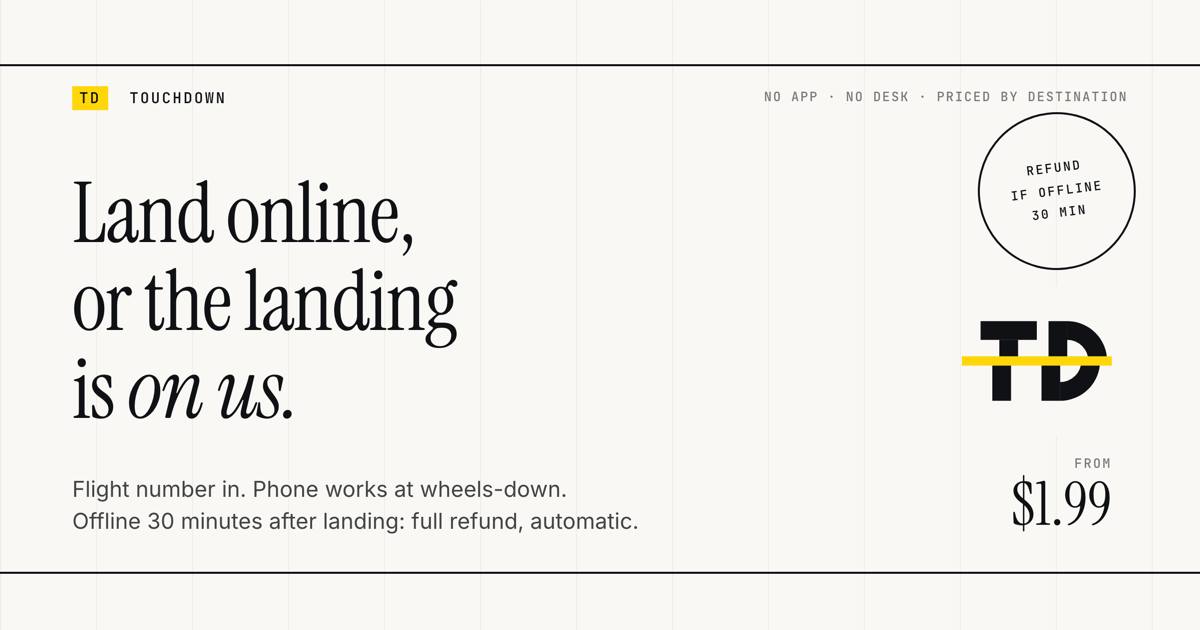
 orderdesk