

AI isn't just for big companies anymore. Small businesses are discovering its power. Imagine uncovering insights, automating tasks, and reaching customers like never before. Sounds too good to be true? It's not.
I've seen it firsthand. As a marketing consultant, I help small businesses thrive with AI. It’s not about fancy jargon or complex tech. It’s about practical, everyday improvements that make a real difference.
In this post, I’ll show you how AI can transform your marketing. No fluff. Just actionable insights. Let's dive in.
The Specifics of AI in Marketing
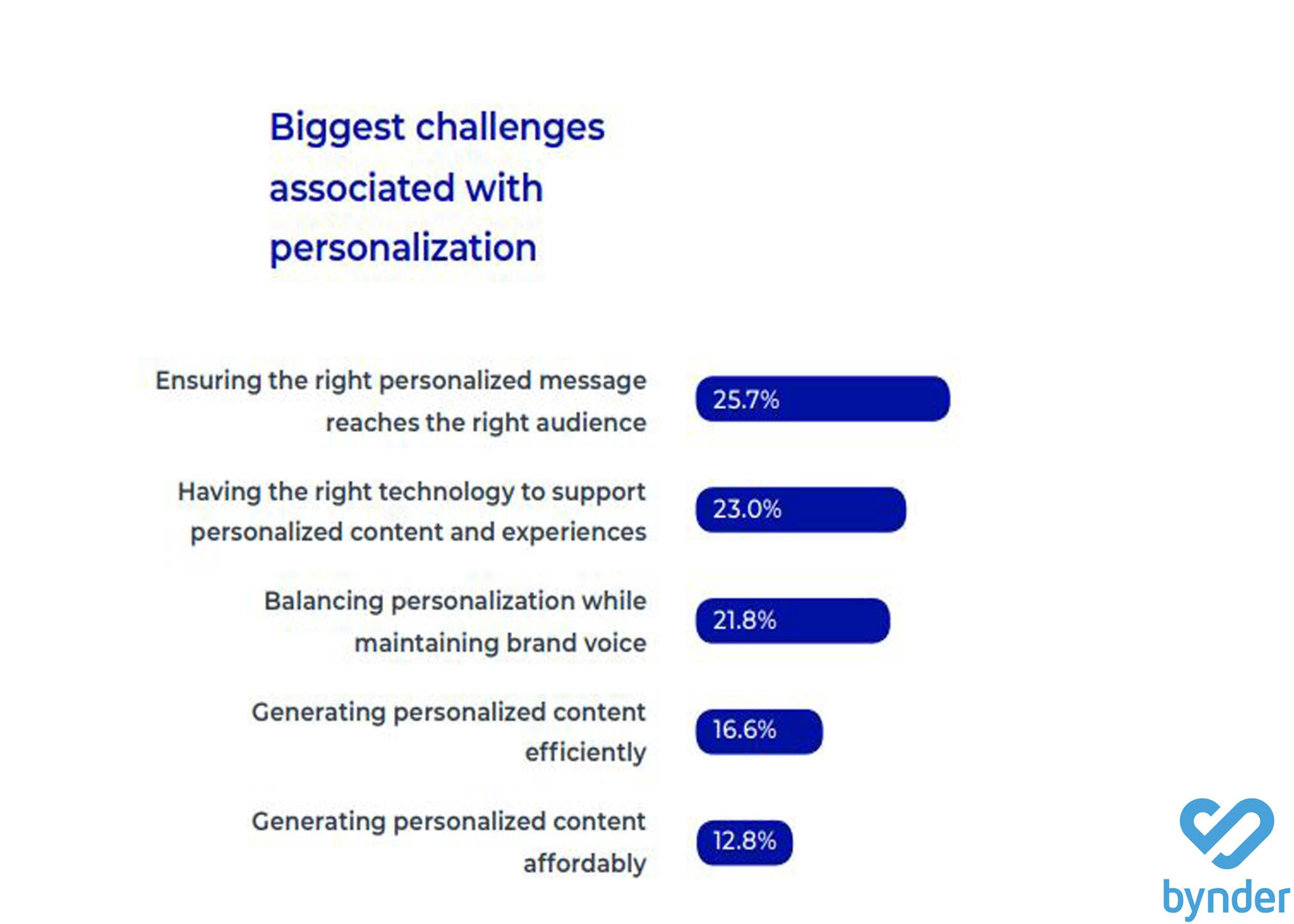
AI isn't just a buzzword; it represents a paradigm shift in how marketing can be approached. It's about working with data and algorithms to create more personalized, efficient, and impactful marketing campaigns. Unlike traditional marketing methods, AI enables a granular understanding of customer behavior, preferences, and trends. This isn't about replacing human intuition but enhancing it with precision and scalability.
Personalization at Scale
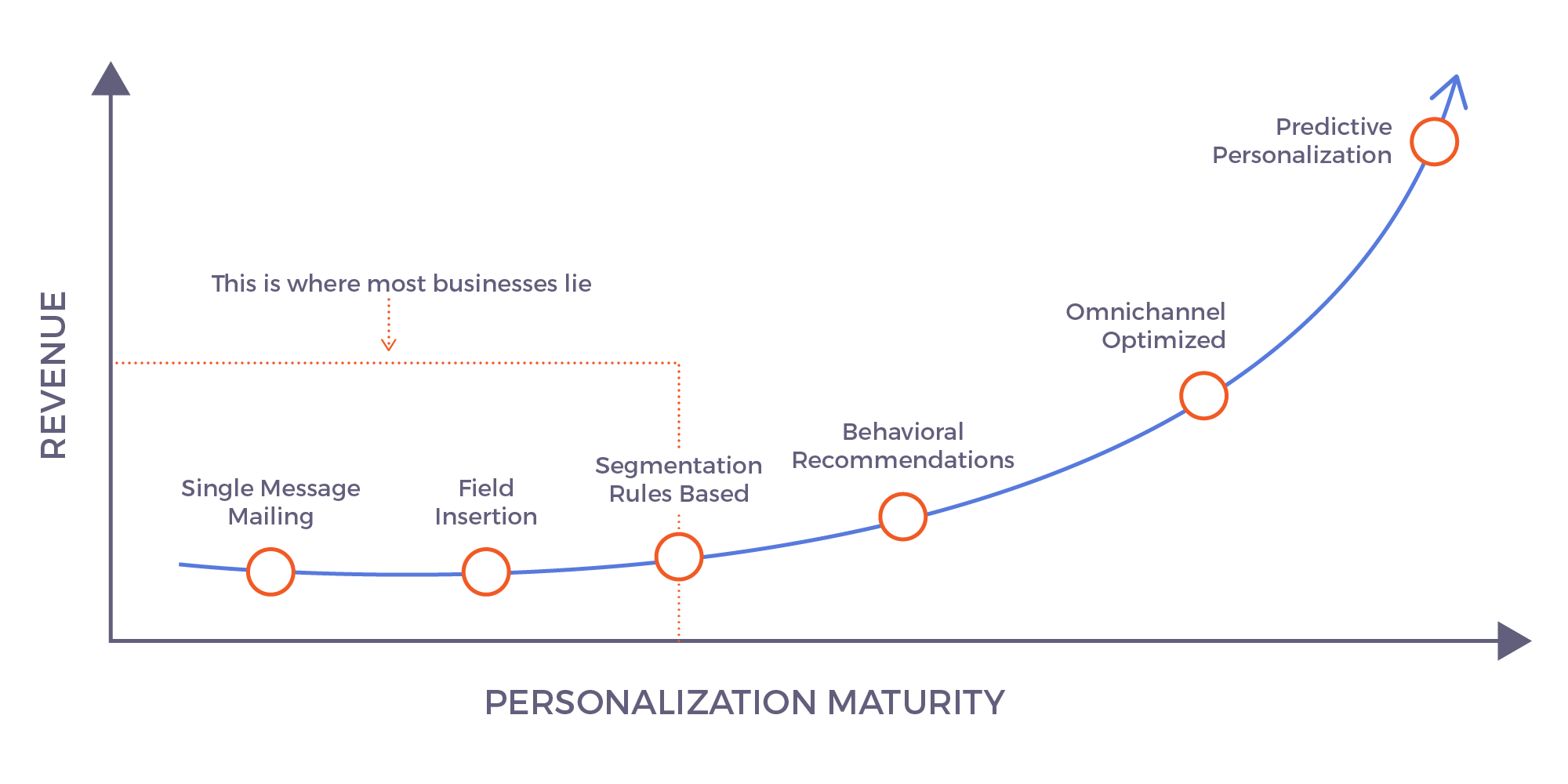
One of the most profound impacts of AI is its ability to personalize marketing efforts on a scale previously unimaginable. For instance, AI can analyze vast amounts of data from customer interactions to create highly personalized email campaigns. Instead of sending a generic email blast, AI can help craft individualized messages that resonate with each recipient. This level of personalization increases engagement and conversion rates significantly.
Consider a small online bookstore. With AI, the business can analyze a customer's purchase history, browsing behavior, and even social media activity to recommend books tailored to their tastes. This isn't just about suggesting bestsellers but finding those hidden gems that align with the customer's unique preferences. The result is a more satisfying customer experience, fostering loyalty and repeat business.
Enhanced Customer Insights
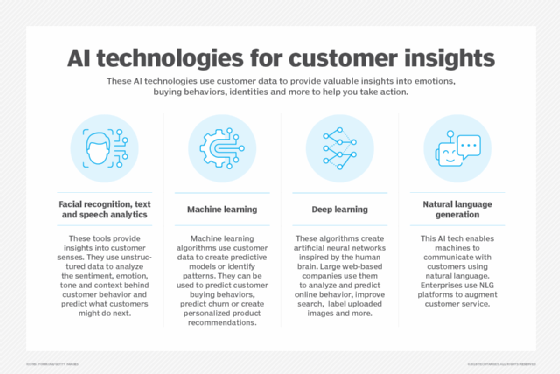
Understanding your customers is at the heart of effective marketing. AI can provide deeper insights into customer behavior and preferences than traditional methods. For example, AI-driven analytics can reveal patterns in purchasing behavior, such as which products are frequently bought together, seasonal trends, and even the time of day customers are most active.
| Tool | Functionality | Benefits |
|---|---|---|
| IBM Watson Analytics | Predictive analytics and data visualization | Simplifies complex data analysis |
| Salesforce Einstein | AI for CRM, predictive scoring | Predicts customer behavior, improves CRM efficacy |
| Adobe Analytics | Advanced segmentation and real-time tracking | Provides granular insights into customer journeys |
| Microsoft Power BI | Business analytics and data visualization | Enhances data-driven decision-making |
| Tableau | Interactive data visualization | Makes complex data more accessible and understandable |
Imagine running a small bakery. By working with AI, you can discover that certain pastries sell better on weekdays, while others are more popular during weekends. This insight allows you to optimize your inventory, marketing messages, and even the timing of your promotions. Instead of relying on intuition or limited data, AI provides a comprehensive understanding of your market dynamics.

Efficient Ad Campaigns
AI can also reshape how small businesses approach advertising. Traditional ad campaigns often involve a lot of guesswork and trial and error. AI, on the other hand, uses data to optimize ad placements, targeting, and budgets. This means more effective campaigns with less waste.
Take, for example, a small fashion boutique looking to promote a new clothing line. AI can analyze data from previous campaigns, social media interactions, and even competitor activity to determine the best platforms, times, and audiences for the ads. This data-driven approach ensures that your ad budget is spent more efficiently, reaching the right people at the right time.
| Advertising Platform | Traditional Approach Cost | AI-Driven Approach Cost | Cost Efficiency Gain | Insight |
|---|---|---|---|---|
| Facebook Ads | $500/month | $400/month | 20% savings | AI optimizes spend by targeting more effectively |
| Google Ads | $1000/month | $750/month | 25% savings | Smart bidding reduces unnecessary expenditure |
| LinkedIn Ads | $700/month | $600/month | 14% savings | AI improves targeting precision |
| Instagram Ads | $300/month | $250/month | 17% savings | AI-driven interest targeting enhances efficiency |
| YouTube Ads | $800/month | $680/month | 15% savings | AI ensures better placement and engagement |
Automating Routine Tasks
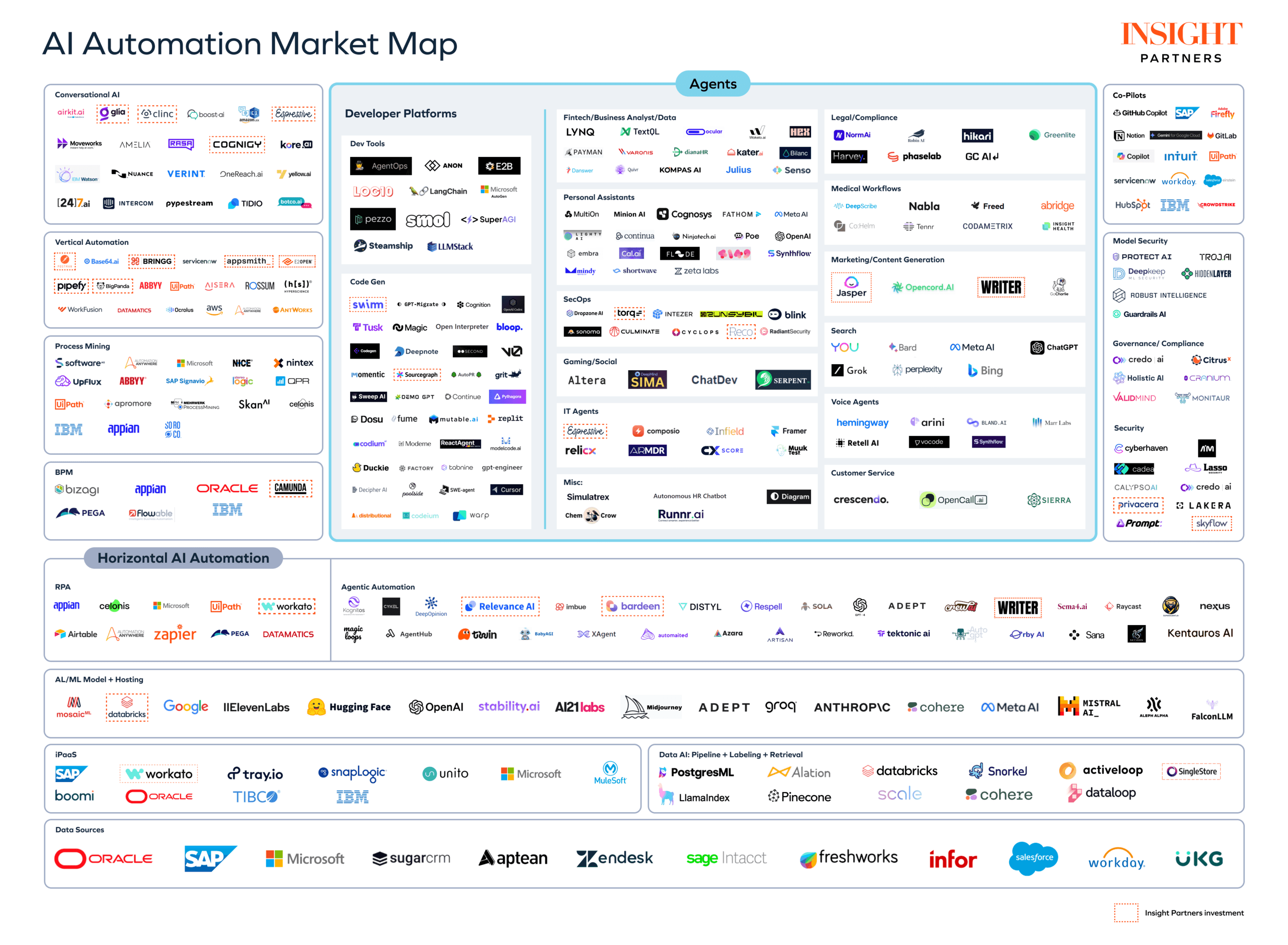
Small business owners often wear many hats, and time is a precious commodity. AI can automate routine marketing tasks, freeing up valuable time for more strategic activities. From scheduling social media posts to managing customer inquiries, AI-powered tools can handle these tasks with ease and accuracy.
| Task | Traditional Time Spent | AI Tool | AI Time Spent | Time Saved | Insight |
|---|---|---|---|---|---|
| Social Media Scheduling | 5 hours/week | Hootsuite | 1 hour/week | 80% | Automation improves consistency and saves time |
| Customer Service Responses | 10 hours/week | Drift Chatbot | 2 hours/week | 80% | AI chatbots provide instant support, freeing staff |
| Email Marketing Campaigns | 8 hours/campaign | Mailchimp | 2 hours/campaign | 75% | AI tools streamline campaign creation |
| Content Creation | 15 hours/week | Jasper AI | 5 hours/week | 67% | AI-assisted writing accelerates content production |
| Data Analysis | 10 hours/week | Google Analytics | 3 hours/week | 70% | AI analytics tools simplify data interpretation |
Consider a small fitness studio that uses AI to manage its social media presence. By automating the posting schedule, responding to common inquiries, and even generating content ideas based on current trends, the studio can maintain an active online presence without dedicating significant time and resources. This automation ensures consistency and allows the business to focus on providing exceptional services.
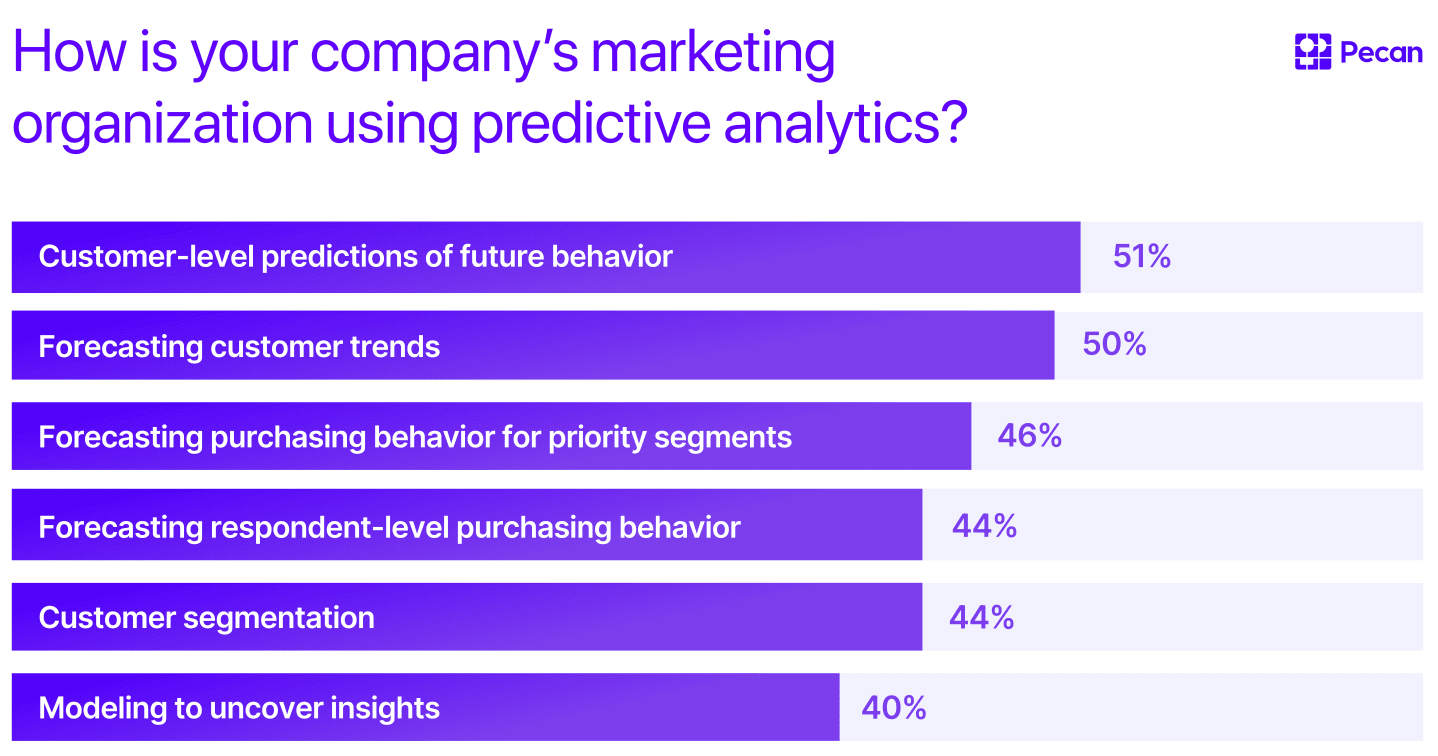
Predictive Analytics
Predictive analytics is another area where AI can make a significant impact. By analyzing historical data, AI can forecast future trends and behaviors, allowing businesses to make more informed decisions. This isn't about crystal-ball gazing but drawing on concrete data to predict what might happen next.
For example, a small electronics store can use AI to predict which products will be in high demand during the holiday season. By analyzing past sales data, customer preferences, and market trends, AI can help the store stock up on popular items, plan promotions, and avoid overstocking less popular products. This predictive capability ensures that the business is always one step ahead, ready to meet customer needs efficiently.
Real-World Examples
To understand the practical application of AI in small business marketing, let's look at a few real-world examples.
Case Study: The Coffee Shop
A local coffee shop wanted to boost its customer engagement and sales. By integrating an AI-powered CRM system, the shop was able to analyze customer purchase history and preferences. This data was used to create personalized offers and loyalty rewards. For instance, a customer who frequently bought lattes received a special discount on their next latte purchase, while a regular purchaser of pastries was offered a free pastry with their next coffee. This personalized approach not only increased sales but also enhanced customer loyalty.
Case Study: The Pet Store
A small pet store faced the challenge of managing its online presence and customer inquiries. By implementing an AI chatbot on its website, the store was able to automate responses to common questions, such as product availability and store hours. The chatbot also provided personalized product recommendations based on customer input. This automation freed up staff time and ensured that customers received prompt and accurate information, improving the overall shopping experience.
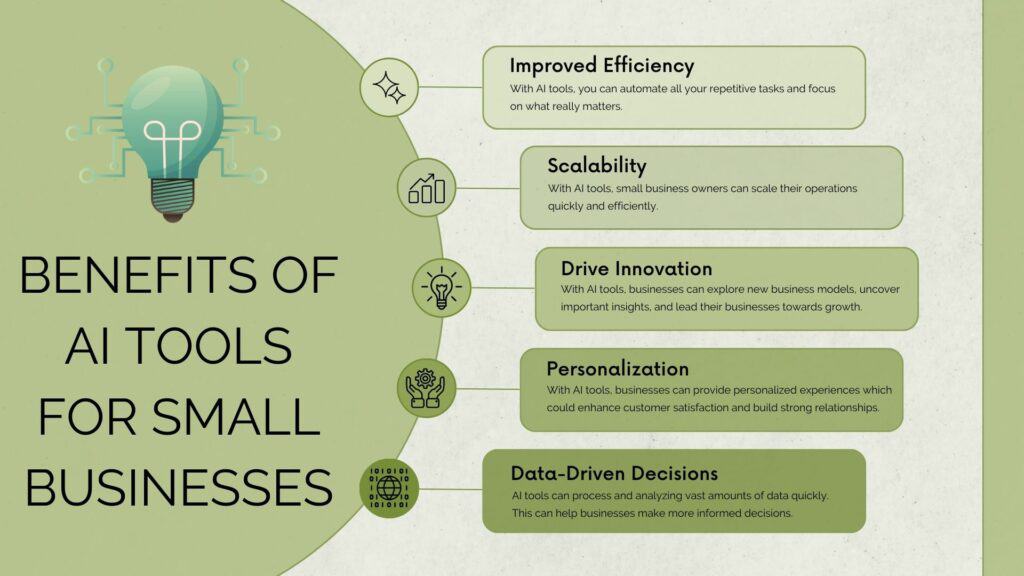
Overcoming Common Misconceptions
Despite the clear benefits, many small businesses hesitate to adopt AI due to common misconceptions. One prevalent myth is that AI is too expensive and complex for small businesses. While it's true that some AI solutions can be costly, there are many affordable and user-friendly options designed specifically for small businesses. Cloud-based AI services, for example, offer scalable solutions without the need for significant upfront investment.
| Misconception | Reality | AI Solution | Insight |
|---|---|---|---|
| AI is too expensive | Affordable options are available | Zoho CRM, QuickBooks | Scalable, cost-effective AI solutions |
| AI is too complex | User-friendly interfaces simplify use | HubSpot, Canva | Easy to implement and use for non-tech-savvy users |
| AI replaces human jobs | AI augments human capabilities | Drift, Mailchimp | Frees up time for strategic tasks |
| Only for large enterprises | AI solutions tailored for small businesses | Mailchimp, Hootsuite | Designed to meet the needs of small businesses |
Another misconception is that AI will replace human jobs. In reality, AI is more about augmentation than replacement. It enhances human capabilities, allowing small business owners and employees to focus on more strategic and creative tasks. By automating routine and time-consuming activities, AI frees up resources that can be redirected toward business growth and innovation.
The Road Ahead
The integration of AI into small business marketing strategies is a trend, and a fundamental shift in how marketing can be approached. It's about making data-driven decisions, enhancing customer experiences, and optimizing resources. As AI technology continues to evolve, its applications will become even more diverse and accessible, opening new opportunities for small businesses to thrive.
For small business owners, the key is to start small and scale gradually. Identify specific areas where AI can make a tangible impact and begin with manageable implementations. Whether it's through personalized marketing campaigns, automated customer service, or predictive analytics, the goal is to invest in AI to enhance your existing strategies and drive measurable results.
Conclusion
Embracing AI in marketing strategies is not just a matter of staying current with technology trends; it's about positioning your business for sustained success in an increasingly competitive market. By harnessing the power of AI, small businesses can achieve greater personalization, efficiency, and insight, ultimately delivering more value to their customers.
As a seasoned marketer and owner of a marketing agency, I've witnessed firsthand the transformative potential of AI. It's an exciting time for small businesses, and those who take the initiative to integrate AI into their marketing strategies will be well-positioned to reap the rewards. The future of marketing is here, and it's intelligent, personalized, and incredibly promising.
FAQ
Q1: What is AI in marketing?
AI in marketing refers to using artificial intelligence technologies to analyze data, automate processes, and personalize customer interactions to enhance marketing strategies and outcomes.
Q2: How can AI help personalize marketing efforts?
AI helps by analyzing customer data to deliver personalized content, product recommendations, and targeted email campaigns, increasing engagement and conversion rates.
Q3: Is AI too expensive for small businesses?
No, many affordable AI solutions are designed specifically for small businesses, offering scalable and cost-effective options to fit various budgets.
Q4: Will AI replace human jobs in marketing?
AI augments human capabilities by automating routine tasks, freeing up time for strategic and creative activities, rather than replacing human jobs.
Q5: What AI tools are useful for gaining customer insights?
Tools like Google Analytics, Hotjar, and SurveyMonkey provide deep insights into customer behavior, preferences, and feedback, helping businesses make data-driven decisions.
Q6: How does AI improve advertising efficiency?
AI optimizes ad targeting, placement, and budgeting, ensuring ads reach the right audience at the right time, leading to higher ROI and reduced ad spend.
Q7: Can AI predict future sales trends?
Yes, AI uses predictive analytics to forecast sales trends based on historical data, helping businesses plan inventory, marketing campaigns, and budget allocation more effectively.
Q8: How can AI automate routine marketing tasks?
AI tools can automate social media posting, customer service responses, email marketing, and data analysis, saving time and improving consistency and accuracy.
Q9: Are there simple AI tools for small businesses to start with?
Yes, user-friendly tools like Mailchimp, Hootsuite, and QuickBooks offer accessible AI solutions for email marketing, social media management, and financial operations.
Q10: What are common misconceptions about AI in marketing?
Common misconceptions include AI being too expensive, complex, and only for large enterprises. In reality, there are many affordable, easy-to-use AI solutions designed for small businesses.