
A practical playbook to stop haemorrhaging leads and start compounding growth across the funnel
Most B2B SaaS marketing strategies are either glorified lead-gen machines (top-heavy and forgetful) or customer onboarding cheerleaders (bottom-heavy and late to the party). Very few actually hold the funnel together end to end - and that’s a shame, because in SaaS, your funnel is your business.

So, if you’re tired of throwing money at ads that barely move the needle or writing content no one reads past the subhead, this one’s for you. We’re building a full-funnel strategy that doesn't just attract leads, but converts, retains, and expands them. With a touch of sass, naturally.
Funnel? More Like a Loop (But Let’s Start at the Top)
Where attention is grabbed, value is teased, and spreadsheets remain unopened.
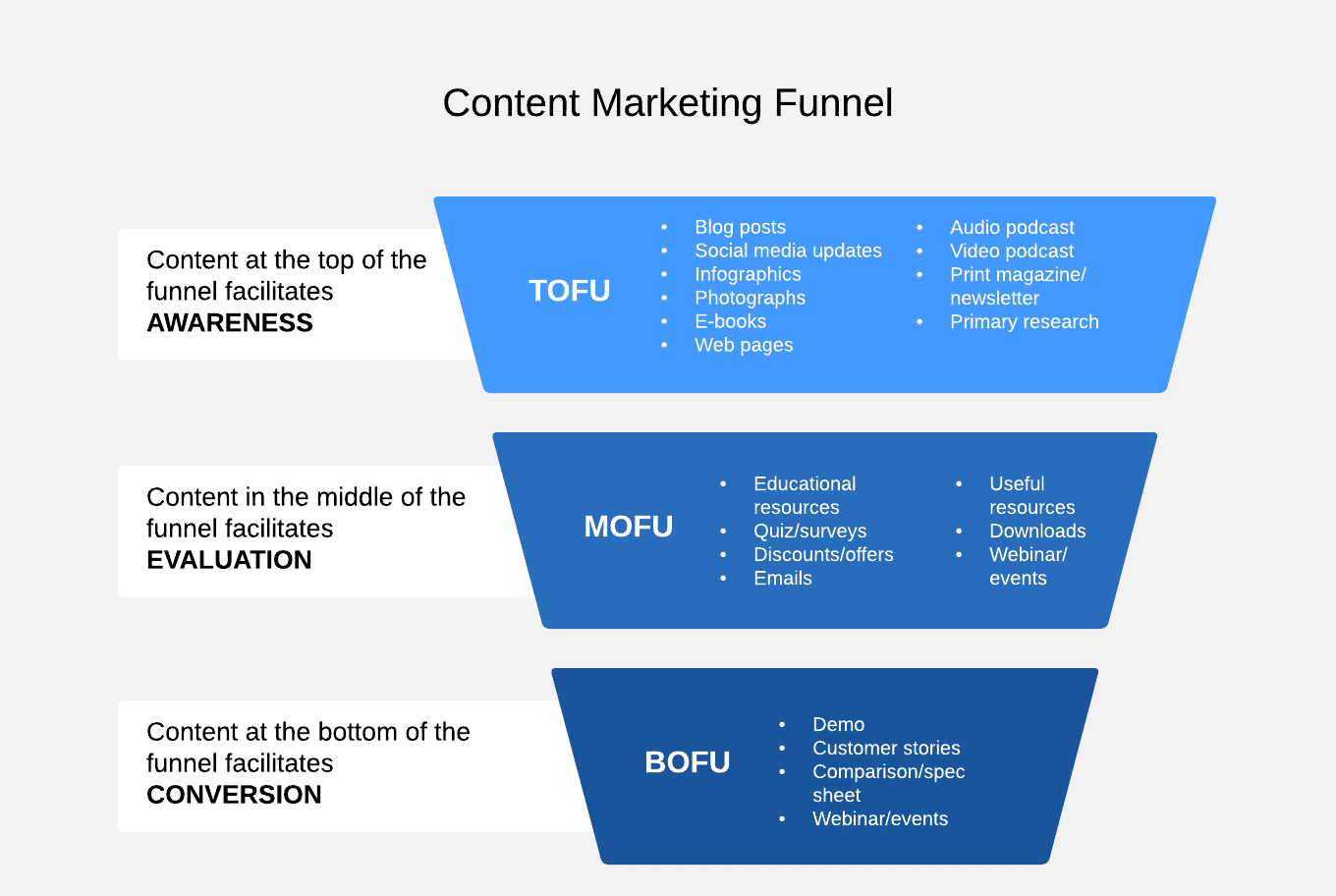
TOFU (Top of Funnel): Awareness & Attraction
At this stage, you're not selling software. You're selling insight, inspiration, and maybe a better future. Your buyer isn’t solution-aware yet - they’re just trying to survive their messy, inefficient workday.
What works:
- SEO content hubs that answer high-intent questions (think: “How to reduce churn in subscription models”).
- LinkedIn posts from your founder dripping with relevance and relatability.
- Short videos or explainers with snack-worthy insights (looking at you, YouTube Shorts and TikTok for grown-ups).
- PR and guest articles on industry blogs, ideally without sounding like a walking press release.
Metrics that matter:
- Website traffic from organic/social
- % new visitors
- Engagement (CTR, time on page, scroll depth)
- Follower growth, newsletter subs

MOFU: Mid-Funnel is Where You Actually Sell
Qualified attention is your currency. Don’t blow it.
Now they’ve heard of you and maybe even downloaded that whitepaper you were unreasonably proud of. It’s time to educate, not oversell. The goal is to frame the problem your way - then slowly turn the dial toward your solution.
What works:
- Comparison pages (“X vs. Y”), ROI calculators, interactive demos
- Email nurture sequences with behavioural triggers (“Still comparing options? Here’s what to ask vendors.”)
- Case studies that show results without sounding like an ad.
- Webinars that aren’t snooze-fests. Bring real users, not just your product team.
Metrics that matter:
- Email open/click rates
- Demo requests or free trial sign-ups
- Bounce rate on feature pages
- Time spent on product or pricing pages
BOFU: Bottom of Funnel - Make or Break Time
They’re leaning in. Try not to yell in their face.
This is where trust, friction (or lack of), and timing collide. Your messaging must now whisper in their language, not scream yours. Also, don’t forget to involve Sales early. If they’re surprised by what Marketing promised, your funnel has a leak the size of a SaaS IPO crash.
What works:
- Live demos with custom use cases
- 1:1 walkthrough videos from AEs (not soulless templates, please)
- Competitive battlecards subtly woven into email follow-ups
- Pricing clarity - with some room to negotiate for mid-market or enterprise deals
Metrics that matter:
- Close rate
- Sales velocity (time from demo to closed/won)
- Deal size
- Sales feedback (goldmine alert)
The Forgotten Funnel: Post-Sale and Expansion
Where money is actually made and marketers mysteriously vanish.
Here’s the bit most marketing teams conveniently ignore: your best leads already bought. But if you don't keep engaging them, nurturing them, and celebrating their wins, your funnel is a leaky bucket - and Customer Success is stuck with a mop.
What works:
- Product education campaigns (onboarding emails, tips, tutorials)
- Customer-only webinars or Slack communities
- Feature releases framed as wins, not chores (“We listened. You now have X.”)
- Upsell prompts tied to usage milestones
Metrics that matter:
- NPS and CSAT scores
- Product adoption rates
- Expansion revenue
- Referral and review activity
Post-sale sin to avoid: Ghosting after the contract is signed.
Funnel Tactics Scorecard (Keep It Simple)
| Funnel Stage | Top Tactic | Content Format | Metric to Watch |
|---|---|---|---|
| TOFU | SEO blog series | Long-form articles, LinkedIn snippets | Organic traffic, CTR |
| MOFU | Case studies + Nurture emails | PDF, automated flows | Demo requests, email engagement |
| BOFU | 1:1 demo + pricing clarity | Live calls, decks, videos | Close rate, deal size |
| Post-Sale | Success-led onboarding | Drip emails, in-app tips | Activation rate, upsell revenue |
Funnels Don’t Work Without Alignment
Marketing, Sales, and CS must finally play nice.
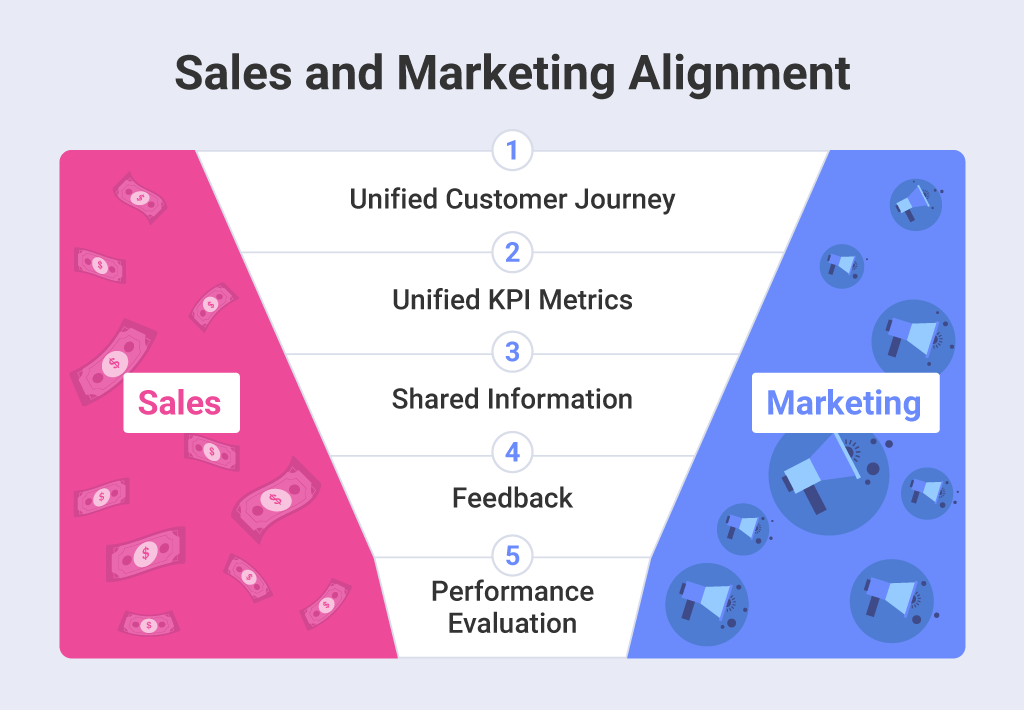
Here’s your harsh truth du jour: a perfect funnel on Miro means jack if Sales is sending totally different pitch decks and CS has no idea what was promised in the demo. Weekly alignment meetings aren’t optional - they’re your revenue insurance policy.
Also: build feedback loops. Product should hear what Sales hears. Sales should know what content leads are gobbling up. And Marketing? Well, we should stop bragging about vanity metrics and start owning revenue.
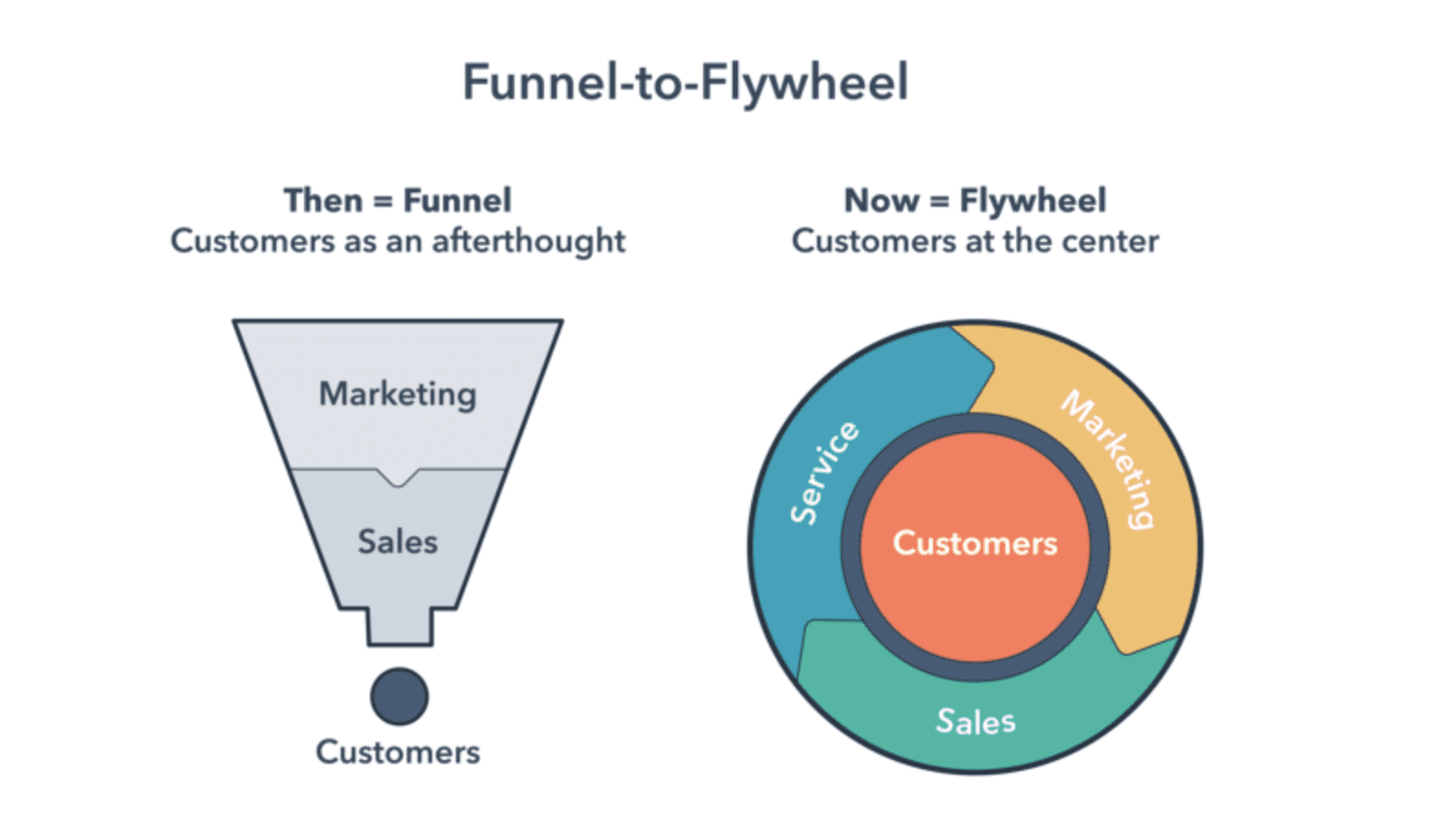
Final Thought: Funnels Are Dead. Long Live the Flywheel.
What we’re really building isn’t a funnel. It’s a trust engine. One that attracts ideal customers, educates them, helps them succeed, and turns them into amplifiers of your brand.
Yes, it’s messier than the neat HubSpot diagrams. But it’s also compounding. And in SaaS, compounding wins - every single time.
Want to actually grow across the funnel? Start with one leaky stage, plug it tight, and work your way around. Or better yet, get in touch and we’ll do it with you - without the faff.
FAQ
1. What exactly is a full-funnel marketing strategy in B2B SaaS?
It’s a strategic approach that maps your marketing activities to each stage of the customer journey—from initial awareness to post-purchase expansion. Unlike isolated tactics (e.g. just running ads or SEO), a full-funnel strategy connects the dots between attracting visitors, converting them into leads, nurturing them through evaluation, closing the deal, and driving retention and upsell. It’s less funnel and more flywheel when done right.
2. How is a B2B SaaS funnel different from B2C or eCommerce funnels?
B2B SaaS funnels are longer, messier, and involve multiple stakeholders—think CFOs, end users, IT security, and the guy who always asks about SSO integration. Buying decisions aren’t impulse-driven; they’re often delayed, negotiated, and dependent on risk mitigation. You’re not selling a product, you’re promising an outcome (and a quarterly KPI boost).
3. Which funnel stage do most SaaS companies struggle with?
The mid-funnel (MOFU) is notoriously undercooked. Everyone obsesses over traffic (TOFU) and closing deals (BOFU), but the nurturing in between often relies on bland drip campaigns and neglected case study PDFs. MOFU is where leads stall, ghost you, or go with a louder competitor. Invest here and you’ll see downstream wins.
4. How do you prioritise funnel efforts if you have limited resources?
Audit your current funnel with brutal honesty. Where are you leaking the most revenue? High traffic but low demo requests? Fix MOFU. Strong demos but poor close rate? BOFU’s your problem. Happy signups but zero upsells? Post-sale it is. Start where the pain is sharpest, not where the trendiest playbooks tell you to begin.
5. What’s the role of content in a full-funnel strategy?
It’s your Swiss Army knife. TOFU content grabs attention (blogs, videos, social), MOFU content educates and builds trust (case studies, whitepapers, webinars), BOFU content removes friction (ROI calculators, pricing guides, objection-handling decks), and post-sale content fuels activation and retention (feature updates, onboarding flows, community playbooks). If content isn’t driving behaviour at every stage, it’s decoration.
6. How do I make sure Sales and Marketing are aligned across the funnel?
Create shared funnel KPIs (like demo-to-close rate, not just MQL count), run regular feedback syncs, and co-build middle and bottom funnel assets. If Marketing creates a nurture sequence, Sales should help script it. If Sales gets objections, Marketing should weaponise that intel into BOFU assets. And for the love of SaaS, use the same pitch deck.
7. Should we gate our content at TOFU or leave it all open?
Only gate when there's a clear value exchange. A blog post? Let it breathe. A detailed benchmark report or niche calculator? Worth the email. The trick is to ungate enough to build trust and SEO, then gate where intent spikes. And don’t treat everyone the same—use progressive profiling and smart forms if possible.
8. What’s the best way to track funnel performance beyond vanity metrics?
Look at conversion rates between funnel stages. For example: % of leads who move from whitepaper download to demo, demo to trial, trial to paid. Combine this with velocity (how long each stage takes) and CAC payback period. Bonus points if you track multi-touch attribution across content assets and sales interactions.
9. How do you design a nurture journey that actually converts?
Start with segmentation—one-size-fits-all nurture flows are a snoozefest. Align messaging to where they are mentally, not just where they sit in your CRM. Use behavioural triggers (visited pricing? Show competitive value. Read two security pages? Send your SOC 2 badge). And write emails like a human, not a legal intern.
10. Is post-sale marketing really worth the effort for SaaS companies?
It’s not just “worth it”—it’s where the profit lives. Your CAC is already sunk, so expansion and retention drive your margins. Think: onboarding series, in-app comms, quarterly value reviews, power-user spotlights, and community building. If you're not marketing after the sale, you're outsourcing retention to luck and your CS team’s calendar.