

Why your blog posts, docs, and decks are quietly becoming your smartest employees
We’re told AI will eat everything. Content. SEO. Strategy decks. Probably our lunch. The prevailing wisdom goes something like this: shove your company data into a model, sprinkle a bit of prompt engineering, and out pops wisdom. Simple. Magical. Very LinkedIn.
Except the best SaaS brands aren’t doing that. They’re doing something far less glamorous and far more effective. They’re training AI models with their own content. Not scraped web fluff. Not mystery PDFs from 2017. Their actual words. Their thinking. Their positioning. The stuff that already wins deals when a human explains it properly.
This isn’t about building a chatbot for the sake of a chatbot. It’s about turning years of hard-earned intellectual property into an operating system. One that answers questions consistently, sells without sounding salesy, and doesn’t hallucinate its way into a support ticket at 2 a.m.
Let’s talk about why this is happening, who’s doing it quietly, and why most SaaS companies are still mucking about with the wrong inputs.
Your content is already your best training data
Every SaaS company says content matters. Most treat it like garnish. A blog post here. A help article there. Maybe a whitepaper when the sales team gets twitchy and wants ‘something premium’ to email prospects.
The sharper teams have clocked something else entirely. Their content already contains the answers customers want. Not just factual answers, but contextual ones. Why the product exists. When it’s a good fit. When it’s not. How it compares without sounding like a brat. All the nuance that generic models flatten into beige sludge.
Think about your best-performing assets for a moment. The blog post that keeps getting forwarded internally by prospects who already ‘get it’. The doc page support links to five times a day because it prevents yet another call. The sales deck slide everyone screenshots. That’s not marketing fluff. That’s training data. Curated. Opinionated. Field-tested.
Generic models know what churn means in theory. Your content knows why your customers churn, what fixes it, and which promises you’ve learned not to make in the first place. That difference matters when an AI is speaking on your behalf at scale.
There’s also a control aspect here that doesn’t get talked about enough. When you train on your own content, you’re implicitly choosing what the model should and shouldn’t know. You’re setting boundaries. You’re deciding which narratives are core and which are optional. It’s less ‘AI, do your thing’ and more ‘AI, here’s how we think about the world’.
The best SaaS brands aren’t asking ‘what can AI do?’. They’re asking ‘what do we already know that we should never outsource to a generic model?’. That question alone changes the entire implementation path.
Brand voice beats clever prompts every time
You can spot an untrained AI response a mile off. Overly polite. Slightly smug. Desperately keen to help while saying absolutely nothing memorable. It reads like it’s terrified of offending anyone, including itself.

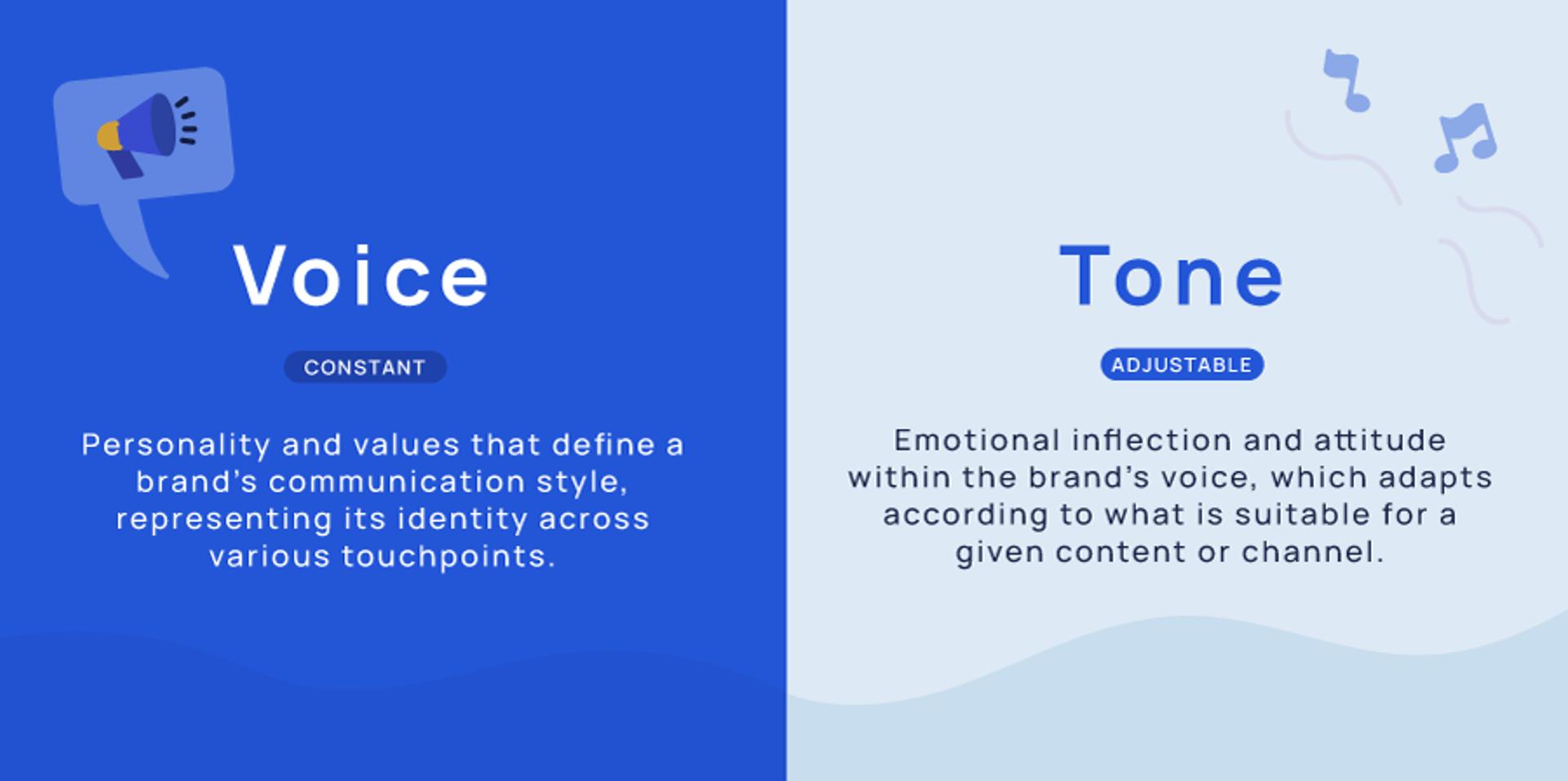
Prompt engineering gets you part of the way. Training data gets you the rest. Brand voice isn’t a tone slider. It’s an accumulation of choices made over years. Words you don’t use. Analogies you lean on. How blunt you’re willing to be about trade-offs. Whether you explain complexity patiently or cut straight to the point and let readers keep up.
SaaS brands with a point of view guard this stuff obsessively. The likes of Stripe and Notion didn’t stumble into distinctive voices by accident. They wrote. Rewrote. Edited. Argued. Then documented the thinking so it could scale beyond a handful of people.
When you train models on that content, something interesting happens. The AI stops sounding like a demo and starts sounding like a colleague who’s read the internal wiki twice and actually paid attention. It answers with restraint. It says ‘that depends’ when it should. It knows when not to upsell, which is a rare and beautiful thing.
No amount of ‘sound friendly but authoritative’ prompt fluff will beat a thousand pages of your own writing. Voice is learned behaviour. Treat it that way, or accept that your AI will sound like everyone else’s.
Documentation is the unsung hero of AI training
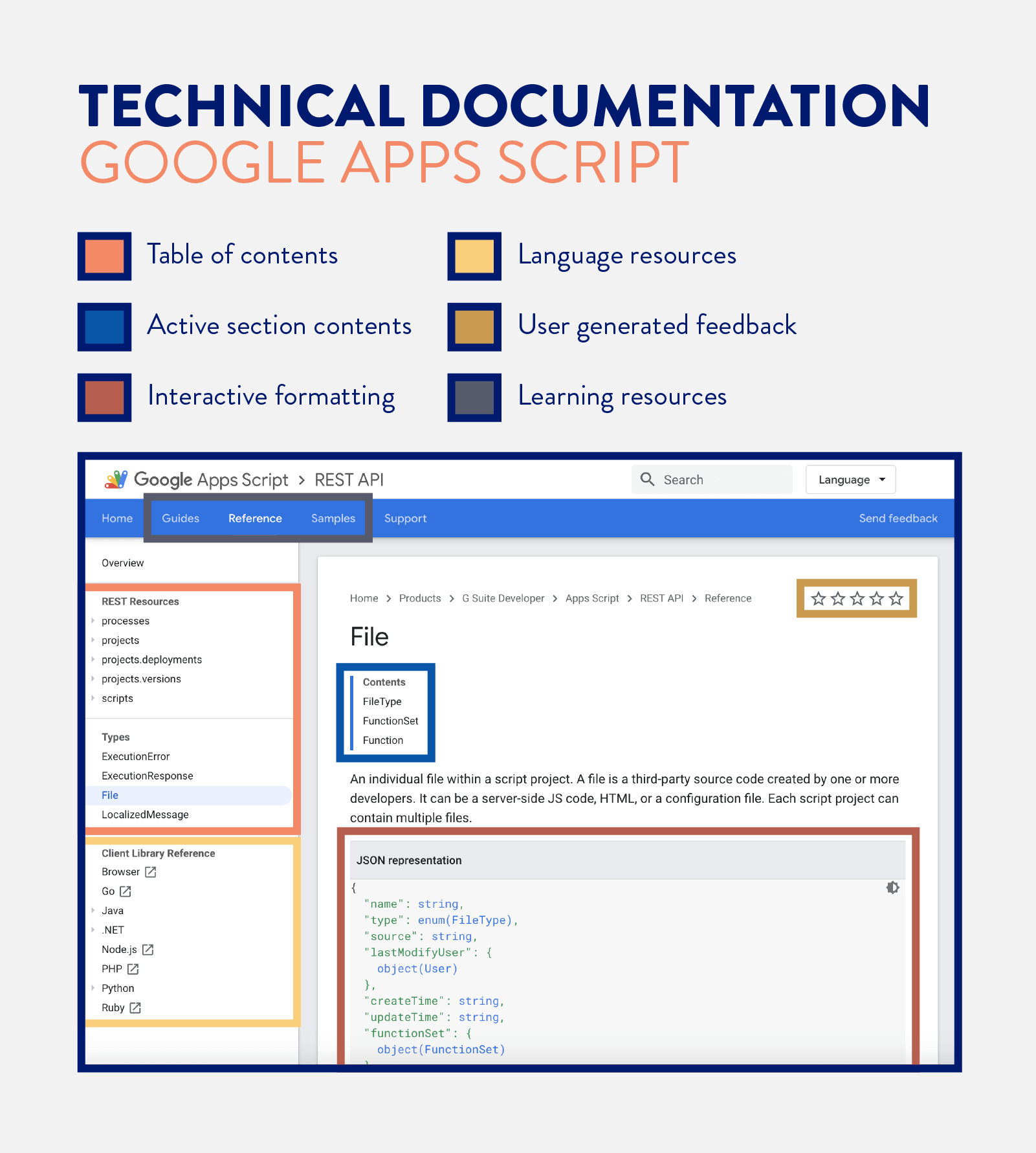
Everyone wants the sexy stuff. Blog posts. Thought leadership. Founder manifestos that start with sweeping statements and end with a logo slide. Meanwhile, the real gold sits quietly in documentation.
Good docs are explicit. They define terms. They explain edge cases. They state constraints. They admit trade-offs. All the things large language models struggle with unless you spell them out slowly and repeatedly.
Support teams already know this instinctively. The reason they keep linking the same five articles is because those pages resolve ambiguity. They don’t just tell users what to click. They explain why something behaves the way it does. Now imagine an AI trained deeply on that corpus. Not summarising it. Internalising it.
We’re seeing SaaS companies wire this into internal tools first, which is telling. Support copilots that suggest responses grounded in the exact doc version that applies. Sales assistants that know which features are GA, which are beta, and which are still theoretical PowerPoint residents.
Documentation also has a discipline that marketing content sometimes lacks. It has to be correct. Being clever is optional. Being accurate is not. That makes it ideal training material for AI systems that will be asked to give definitive answers under pressure.
External-facing AI comes later, once trust is earned. The sequence matters. The companies getting this right treat documentation as infrastructure, not content marketing’s less glamorous cousin that everyone forgets until something breaks.
AI answers are becoming the new discovery layer

Search isn’t disappearing. It’s mutating. Buyers increasingly ask questions in interfaces that answer back. They don’t skim ten blue links anymore. They read one response and decide whether to dig further or move on with their day.
This is where trained content models quietly outperform SEO hacks. When an AI answer references your product, the phrasing matters enormously. Does it explain your differentiation clearly? Does it caveat appropriately? Does it avoid promising the moon and quietly burying the fine print?
Brands like HubSpot and Atlassian have spent years publishing educational content that doesn’t just rank, but teaches. That same content now feeds AI systems that explain categories, not just features, and that’s a subtle but powerful advantage.
If your content has never answered buyer questions well, AI will happily answer them for you. Poorly. Or worse, accurately but without you in the picture. Being technically correct isn’t the same as being commercially helpful.
Training models on your own material increases the odds that when AI explains the problem, your framing shows up. Not as an ad. As the obvious reference. The ‘oh right, that makes sense’ answer that leads people to look you up rather than scroll on.
This is not about chatbots on your homepage
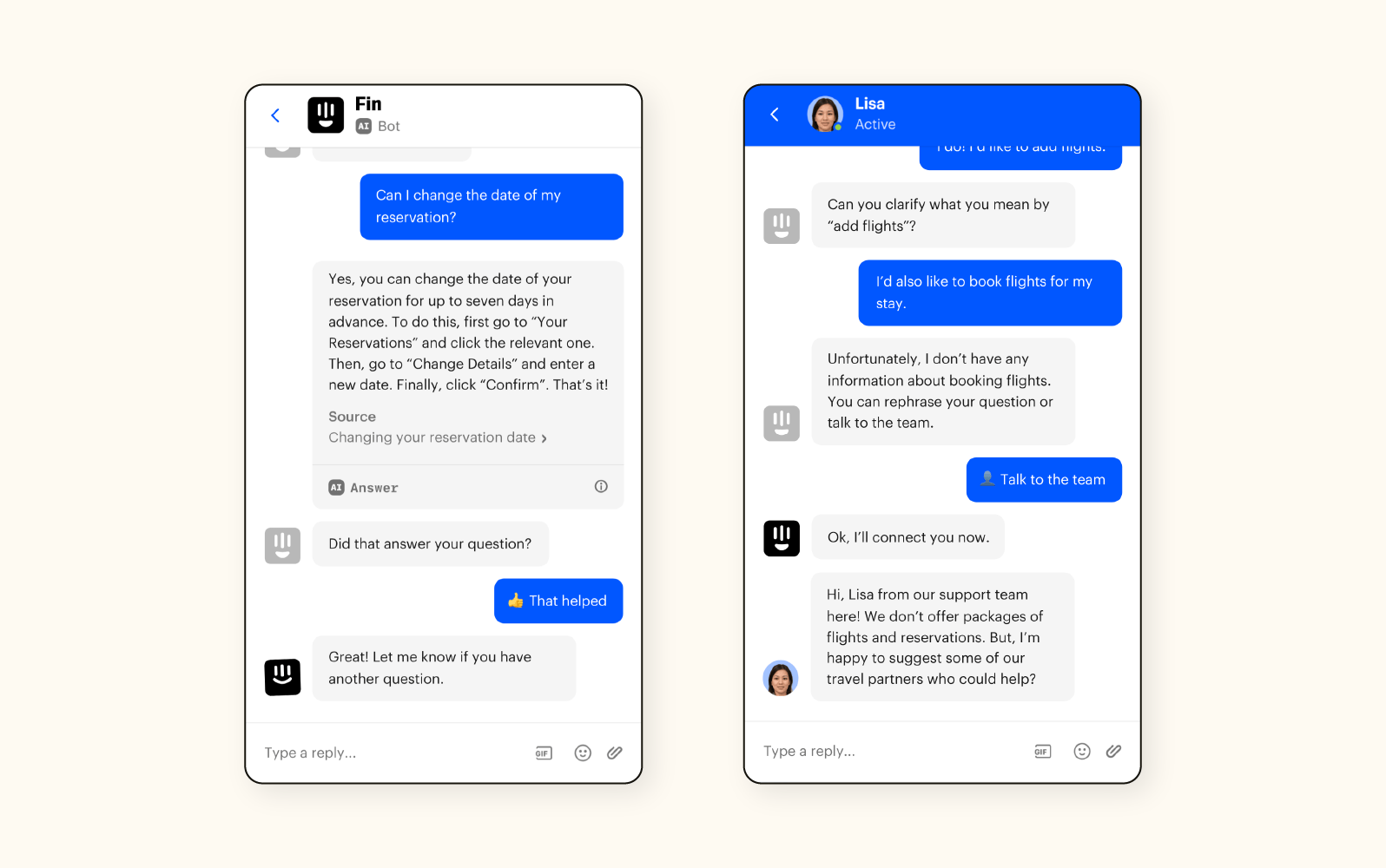
Let’s clear something up before anyone gets excited about widgets. This trend is not about slapping a chat box on your homepage and calling it innovation. That’s table stakes. Often annoying table stakes.
The real work happens behind the scenes. Internal copilots. Sales enablement tools. Onboarding assistants. Knowledge routers that know which content applies to which customer segment, plan, or maturity level.

The smartest teams start small and deliberately. One use case. One dataset. One workflow. Then they refine. They measure wrong answers. They fix the source content instead of endlessly fiddling with prompts like it’s a superstition.
Over time, something shifts culturally. Content stops being an output and becomes a system input. Marketing, product, and support start caring about consistency because the AI will expose any cracks immediately and without mercy.
This is uncomfortable. It forces alignment. It reveals disagreements that were previously papered over with vague language. Which is exactly why it works. AI has a nasty habit of reflecting organizational clarity back at you. Or the lack of it.
The messy reality nobody posts about on LinkedIn
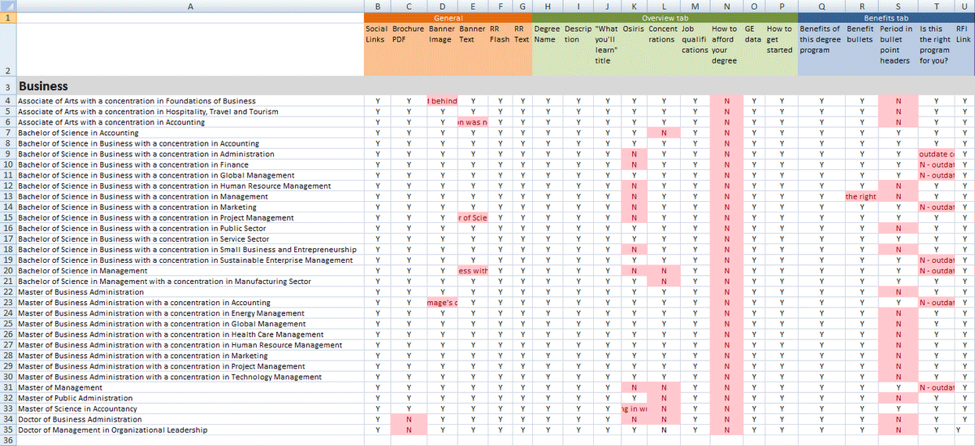
Here’s the bit usually skipped in breathless threads. Most SaaS content is a mess.
Contradictory blog posts. Outdated docs. Sales decks promising features that quietly died two quarters ago. Internal FAQs that disagree with public help articles. Training an AI on that without cleanup is like teaching a parrot exclusively from Slack archives and hoping for wisdom.
The brands doing this well invest in unglamorous work. Content audits. Canonical sources. Clear ownership. Versioning. They decide which content is authoritative and which is historical, and they’re not shy about archiving things that no longer serve a purpose.
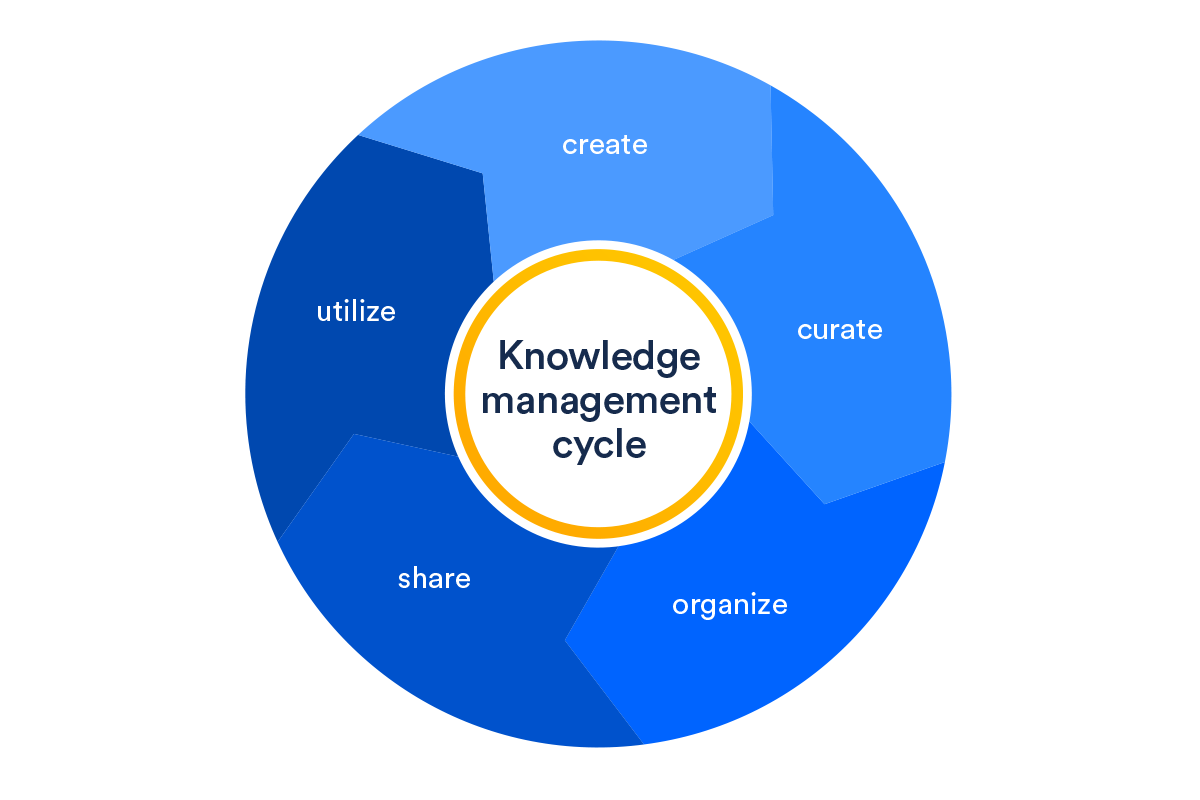
There’s usually a painful moment when teams realise how much tribal knowledge lives in people’s heads. AI forces that knowledge out into the open. Written down. Argued over. Improved. Sometimes reluctantly.
This isn’t really an AI project at all. It’s an organisational maturity test. The tech is the easy part. The discipline is where most companies quietly give up and go back to talking about prompts.
Why this quietly changes your entire content strategy

Once content feeds models, incentives change. You stop publishing for volume. You publish for clarity. Reusability. Accuracy. Longevity.
Suddenly, that long explainer post isn’t just for traffic. It’s training material. That comparison page isn’t just sales support. It’s the answer AI gives when someone asks ‘what should I choose and why?’.
Content teams start thinking like librarians and product managers. What question does this answer? Who owns it? How often should it change? What breaks if it’s wrong? Those questions feel less theoretical when an AI is quoting you back to customers.
The side effect is quality. Fewer posts. Better ones. Content that earns its keep long after the campaign ends and the UTM links have stopped firing.
We suspect this is where the gap will widen over the next few years. Brands that treat content as a strategic asset will compound. The rest will keep feeding generic models and wonder why everyone sounds the same, including them.
Wrap-up or TL;DR
The best SaaS brands aren’t chasing shiny AI features. They’re feeding AI with the one thing competitors can’t copy easily. Their thinking. Their words. Their accumulated judgment.
Training models with your own content isn’t flashy. It’s slow. Occasionally tedious. It requires admitting that content quality matters far beyond SEO dashboards. But it pays off where it counts. In consistency. In trust. In being understood correctly at scale.
Our bet is simple. In a few years, the strongest brands won’t be the ones with the cleverest prompts. They’ll be the ones who treated content as infrastructure early and built models that sound like they actually know what they’re talking about.
Want to get ahead? Start by auditing what you’ve already written. You might be sitting on a smarter AI than you think.