
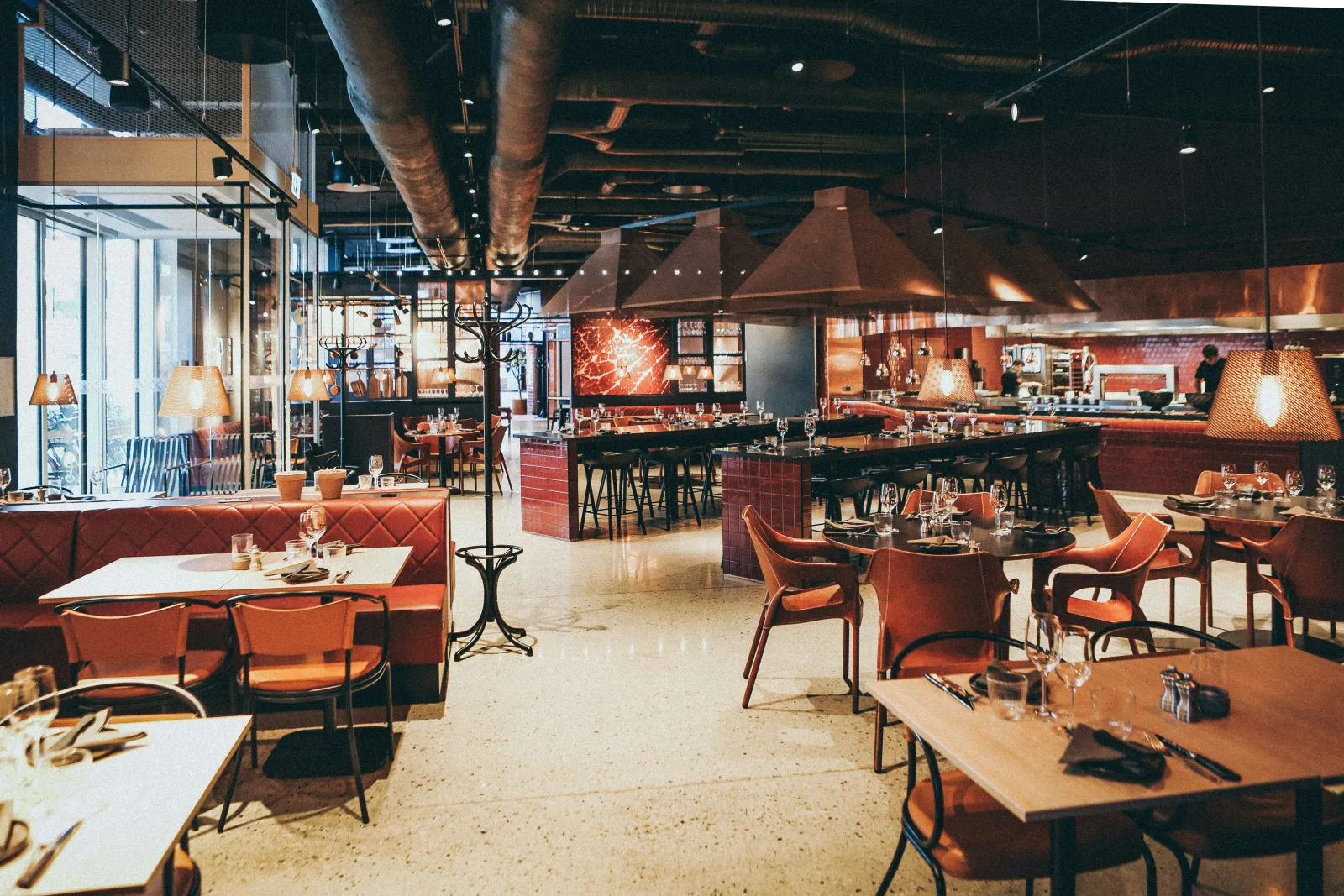
Running a restaurant is tough. You juggle a thousand tasks at once. Crafting the perfect menu. Hiring the best staff. Creating an inviting atmosphere. But even if everything inside your restaurant is perfect, it means nothing if people don’t know about it.
That’s where marketing comes in.
Imagine your tables filled with happy customers, your kitchen buzzing with orders, and your reservation book always full. Sounds like a dream, right? It’s possible. But you need the right help to get there.
Enter the best marketing agency. Let me tell you why your restaurant needs one.
The Competitive Field
The restaurant industry is fiercely competitive. According to the National Restaurant Association, there are over 1 million restaurant locations in the United States alone. That's a lot of options for hungry customers. Standing out in such a crowded market requires more than just good food. It requires a strategic approach to marketing.
Imagine this: You've poured your heart and soul into creating a fantastic menu, designing a cozy atmosphere, and hiring a stellar team. But despite your efforts, the tables remain empty. Frustrating, right? This is a common scenario for many restaurant owners who underestimate the power of effective marketing.

Personalized Marketing Strategies
| Segment | Characteristics | Marketing Focus |
|---|---|---|
| Food Enthusiasts | Passionate about trying new cuisines | Highlight unique dishes and chef’s specials |
| Families | Look for family-friendly environments | Promote kids’ menus and family deals |
| Health-Conscious | Prefer healthy, organic, and fresh options | Emphasize healthy menu items and sourcing |
| Local Residents | Live within a 10-mile radius | Promote local events and community engagement |
A top-tier marketing agency doesn’t believe in one-size-fits-all solutions. They understand that each restaurant is unique and requires a personalized marketing strategy. For instance, the marketing plan for a high-end fine dining restaurant will be vastly different from that of a casual brunch café.
A good agency will take the time to understand your brand, your target audience, and your goals. They’ll create campaigns that resonate with your specific audience. This level of personalization can make all the difference in attracting the right customers.
Example:
Consider a seafood restaurant located by the coast. A specialized marketing agency might suggest running a social media campaign highlighting the freshness of their catch, complete with stunning visuals and engaging content about local fishermen. They could also create a loyalty program that rewards frequent diners with exclusive offers, encouraging repeat business.
Data-Driven Decisions
| Metric | Importance | Strategic Impact |
|---|---|---|
| Customer Churn Rate | Indicates customer retention issues | Develop loyalty programs, improve customer service |
| Net Promoter Score (NPS) | Measures customer satisfaction and likelihood to recommend | Use feedback to improve services, incentivize referrals |
| Revenue per Available Seat Hour (RevPASH) | Measures revenue efficiency per seat per hour | Optimize table turnover rates, adjust pricing strategies |
| Cost of Goods Sold (COGS) | Tracks direct costs of producing food and beverages | Adjust menu pricing, negotiate supplier contracts |
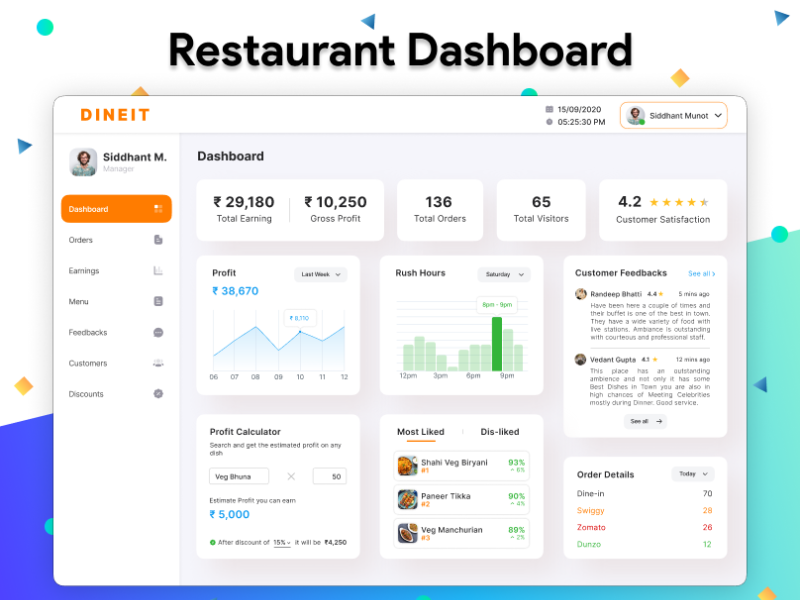
Marketing isn’t just about creativity; it’s also about data. A great marketing agency leverages data to make informed decisions. They analyze customer behavior, track campaign performance, and adjust strategies based on real-time feedback. This ensures that your marketing efforts are always optimized for the best results.
The Power of Digital Marketing
| Platform | Primary Benefit | Best Practices |
|---|---|---|
| Visual storytelling through images and videos | Use high-quality photos, stories, and hashtags | |
| Community building and event promotion | Post regularly, engage with comments, use ads | |
| Real-time updates and customer service | Tweet daily, use trending hashtags, respond quickly | |
| Showcasing recipes and decor ideas | Pin high-quality images, create themed boards |
The digital age has transformed how restaurants reach potential customers. Gone are the days when a simple ad in the local newspaper was enough. Today, your online presence is essential.
Social Media Savvy
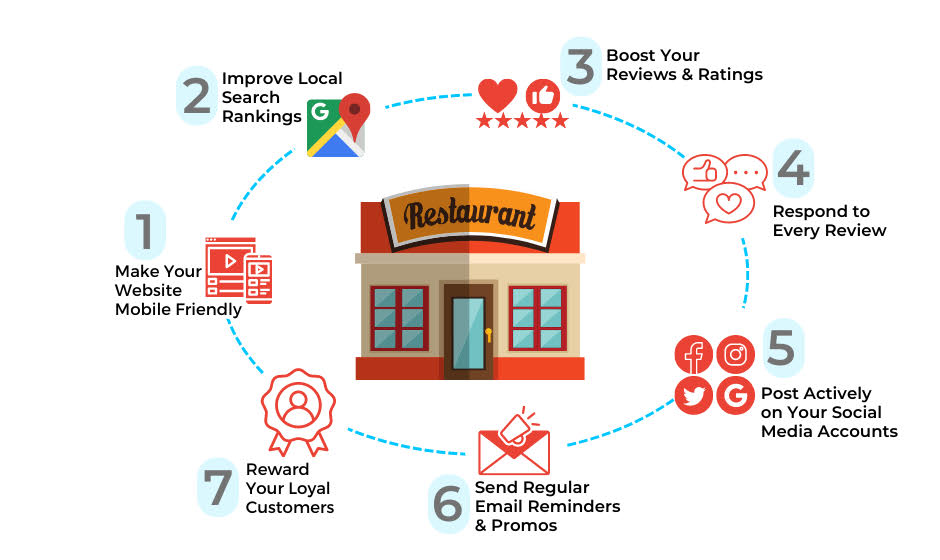
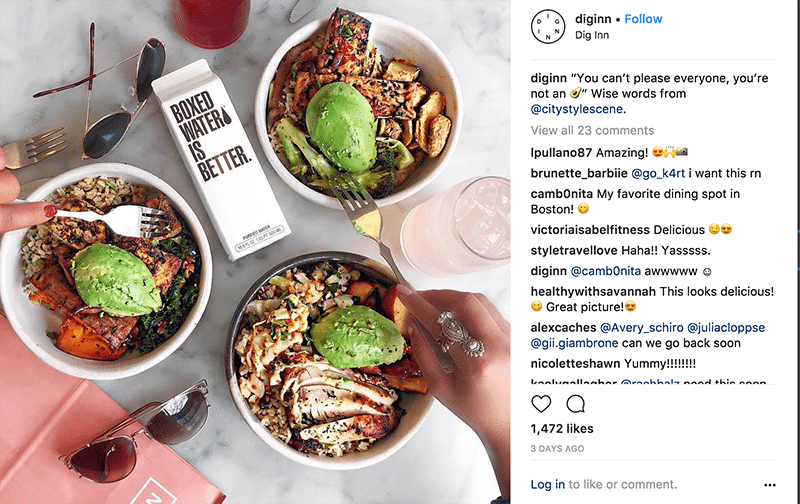
Social media platforms like Instagram, Facebook, and Twitter are invaluable tools for restaurants. They offer a direct line of communication with your audience and an opportunity to showcase your food and atmosphere. A skilled marketing agency will create engaging content, manage your profiles, and interact with your followers to build a loyal community.
Instagram Tips:
- Visual Appeal: High-quality photos and videos of your dishes can entice potential customers.
- User-Generated Content: Encourage customers to share their dining experiences and tag your restaurant.
- Engagement: Regularly interact with followers through comments, likes, and shares.
![Top SEO Keyword Ideas for Restaurant Businesses In 2023 [Updated]](https://parkyddigital.com/blogpage/img/top-seo-keyword-ideas-for-restaurant-businesses-in-2023.jpg)
SEO and Local Search
When people are looking for a place to eat, they often turn to search engines. Appearing at the top of search results can significantly increase your visibility. A proficient marketing agency will optimize your website for search engines, ensuring that your restaurant shows up when people search for relevant keywords.
Local SEO Tips:
- Google My Business: Keep your profile updated with accurate information, photos, and customer reviews.
- Local Keywords: Incorporate location-specific keywords into your website content.
- Reviews: Encourage satisfied customers to leave positive reviews, as they can greatly influence new diners.
The Impact of Branding
| Component | Description | Execution Tips |
|---|---|---|
| Brand Story | Narrative that conveys your restaurant’s journey and mission | Share stories behind your dishes, chef’s background |
| Visual Identity | Visual elements that represent your brand (logo, colors, design) | Consistent use across all marketing materials and interior decor |
| Customer Experience | Overall experience from the moment customers find you to post-dining | Train staff on brand values, ensure ambiance aligns with brand |
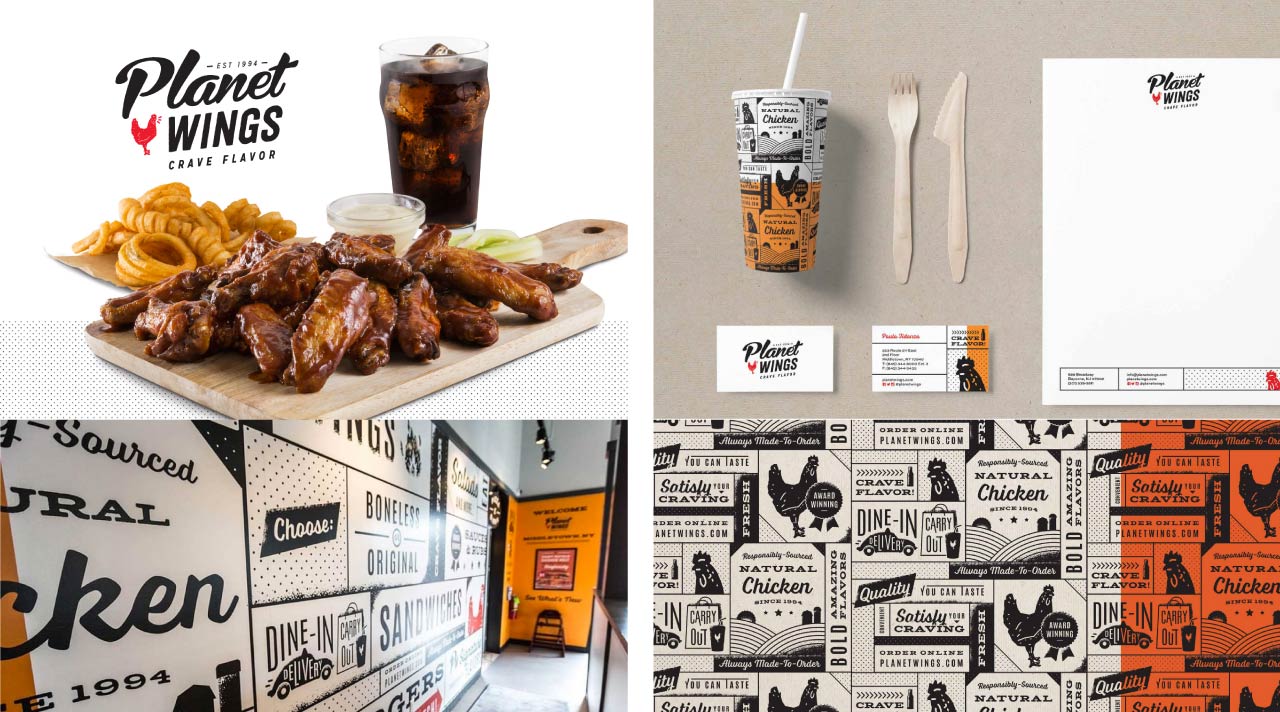
Branding goes beyond your logo and color scheme. It’s the essence of what your restaurant stands for. A cohesive brand story can differentiate you from competitors and create an emotional connection with your customers.
Crafting Your Brand Identity
Your brand identity should reflect your restaurant’s personality, values, and mission. Whether you’re a cozy family diner or an upscale gourmet restaurant, your branding should communicate who you are and what you offer.
Steps to Build Your Brand:
- Define Your Mission: What is your restaurant’s purpose? What do you want to achieve?
- Identify Your Values: What principles guide your operations and customer interactions?
- Develop Your Voice: How do you communicate with your audience? Formal, friendly, quirky?
Consistent Messaging
Consistency in your messaging across all platforms is key to building a strong brand. A top marketing agency will ensure that your branding is cohesive, from your website and social media to your menus and in-restaurant signage.
Example:
If your restaurant prides itself on sustainability, your marketing agency might highlight your use of local, organic ingredients and eco-friendly practices in all communications. This consistent messaging reinforces your brand identity and appeals to like-minded customers.
Engaging Content Marketing
| Content Type | Description | Optimal Distribution Channels |
|---|---|---|
| Behind-the-Scenes Videos | Short clips showcasing kitchen activities, staff stories | Instagram, YouTube, Restaurant’s Blog |
| Customer Spotlights | Features on loyal customers and their favorite dishes | Social media, restaurant newsletter |
| Seasonal Recipes | Recipes using seasonal ingredients | Blog, Pinterest, Email Campaigns |
| Chef Interviews | Q&A sessions with the chef, sharing insights and tips | Blog, YouTube, Facebook Live |
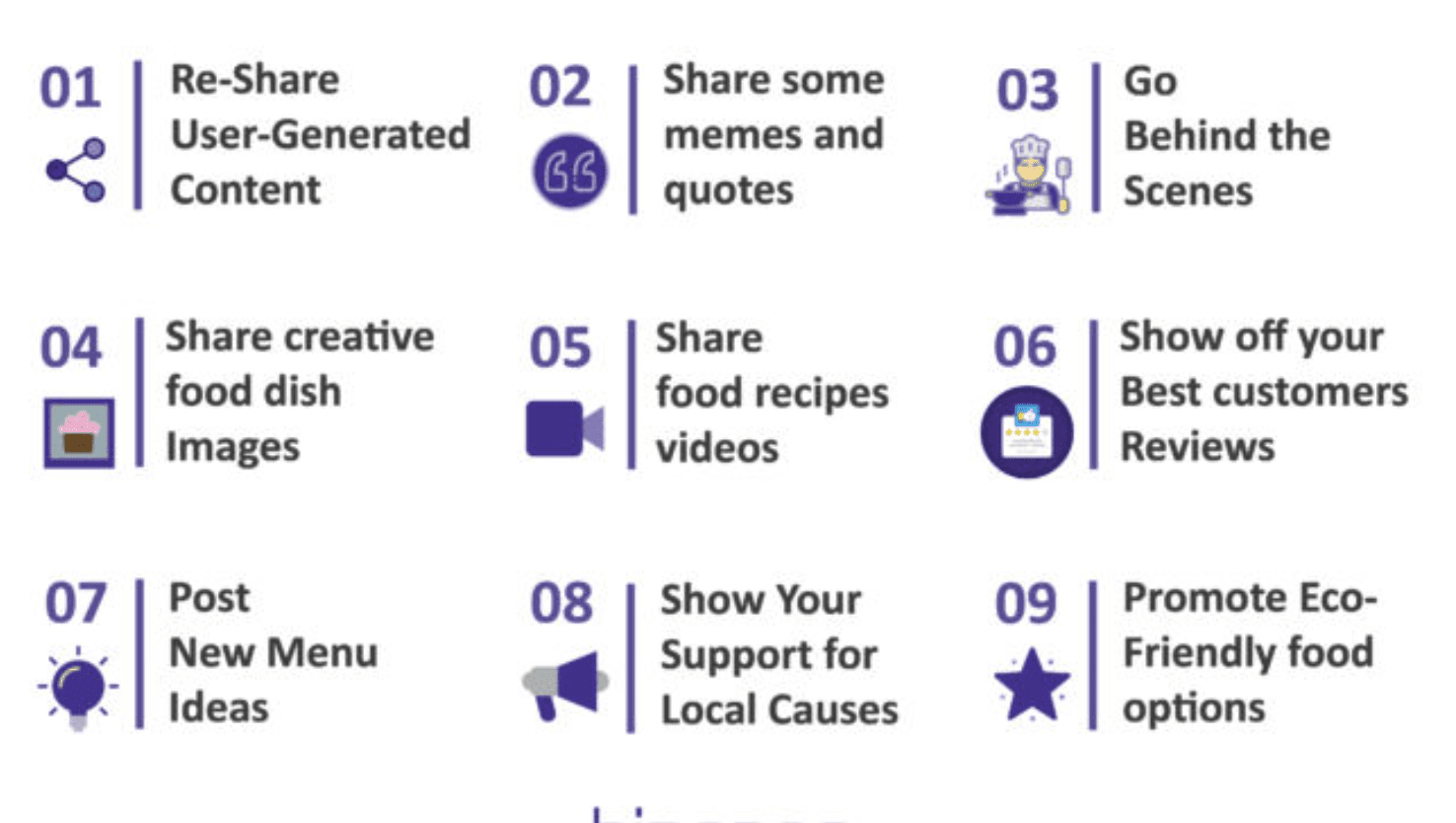
Content marketing is about creating valuable content that attracts and engages your audience. For restaurants, this can include blog posts, recipes, behind-the-scenes videos, and more.
Blogging for Restaurants
A blog can be a powerful tool for driving traffic to your website and establishing your restaurant as an authority in the culinary world. Topics can range from cooking tips and recipes to industry trends and chef interviews.
Blog Ideas:
- Chef’s Special: Share recipes and stories behind your signature dishes.
- Food Trends: Discuss the latest trends in the food industry and how your restaurant incorporates them.
- Local Partnerships: Highlight collaborations with local farmers, breweries, or artists.
Video Content
Video content is incredibly engaging and can effectively showcase your restaurant’s atmosphere, menu items, and events. Short videos for social media, longer features for your website, or even live streams of special events can captivate your audience.
Video Ideas:
- Cooking Demonstrations: Show your chefs in action, preparing popular dishes.
- Behind the Scenes: Give a tour of your kitchen, introduce your team, and share the story behind your restaurant.
- Customer Testimonials: Feature satisfied customers sharing their experiences.
In today’s competitive restaurant industry, effective marketing is essential for success. Partnering with a top-notch marketing agency can help you work through the complexities of digital marketing, build a strong brand, and engage with your audience in meaningful ways.
Remember, it’s not just about filling tables—it’s about creating an experience that keeps customers coming back.
Investing in the best marketing agency for your restaurant isn’t just a smart move; it’s a necessity. Your culinary creations deserve to be enjoyed by as many people as possible. So, take the leap, and let a professional marketing agency elevate your restaurant to new heights.
FAQ
1. Why do I need a marketing agency for my restaurant?
A marketing agency can help you reach a larger audience, attract more customers, and ultimately increase your revenue. They bring expertise in digital marketing, data analysis, and brand strategy that can significantly improve your restaurant's visibility and appeal.
2. How can a marketing agency help my restaurant stand out?
A marketing agency can create personalized marketing strategies, use data-driven decisions, optimize your digital presence, and develop a strong brand identity. They ensure your restaurant's unique qualities are highlighted effectively to attract your target audience.
3. What are the benefits of personalized marketing strategies?
Personalized marketing strategies cater specifically to your target audience, increasing engagement and conversion rates. They help in crafting messages that resonate with different customer personas, leading to more effective marketing campaigns.
4. What key metrics should I track to measure marketing success?
Important metrics include Customer Acquisition Cost (CAC), Customer Lifetime Value (CLV), Return on Investment (ROI), Conversion Rate, Customer Churn Rate, and Net Promoter Score (NPS). These metrics help in understanding the effectiveness and efficiency of your marketing efforts.
5. How does digital marketing impact my restaurant's success?
Digital marketing enhances your online visibility, engages customers through social media, improves local search rankings, and provides direct communication channels. It allows for real-time interactions and feedback, making your marketing efforts more dynamic and responsive.
6. What role does branding play in restaurant marketing?
Branding differentiates your restaurant from competitors, creates an emotional connection with customers, and ensures consistent messaging across all platforms. A strong brand identity helps in building trust and loyalty among your customers.
7. How can social media benefit my restaurant?
Social media platforms like Instagram, Facebook, and Twitter allow you to showcase your dishes, interact with customers, run promotions, and build a community. They provide a space for visual storytelling and direct engagement with your audience.
8. What types of content should I create for my restaurant?
Effective content includes behind-the-scenes videos, customer spotlights, seasonal recipes, chef interviews, and blog posts about industry trends. This content keeps your audience engaged and informed about your restaurant’s unique offerings.
9. How do data-driven decisions improve marketing strategies?
Data-driven decisions ensure your marketing efforts are based on real-time insights and performance metrics. This approach helps in optimizing campaigns, improving customer targeting, and allocating resources more efficiently for better results.
10. Can a marketing agency help with local SEO?
Yes, a marketing agency can optimize your website for local search, manage your Google My Business profile, and encourage positive reviews. This improves your restaurant’s visibility in local search results, attracting more nearby customers.