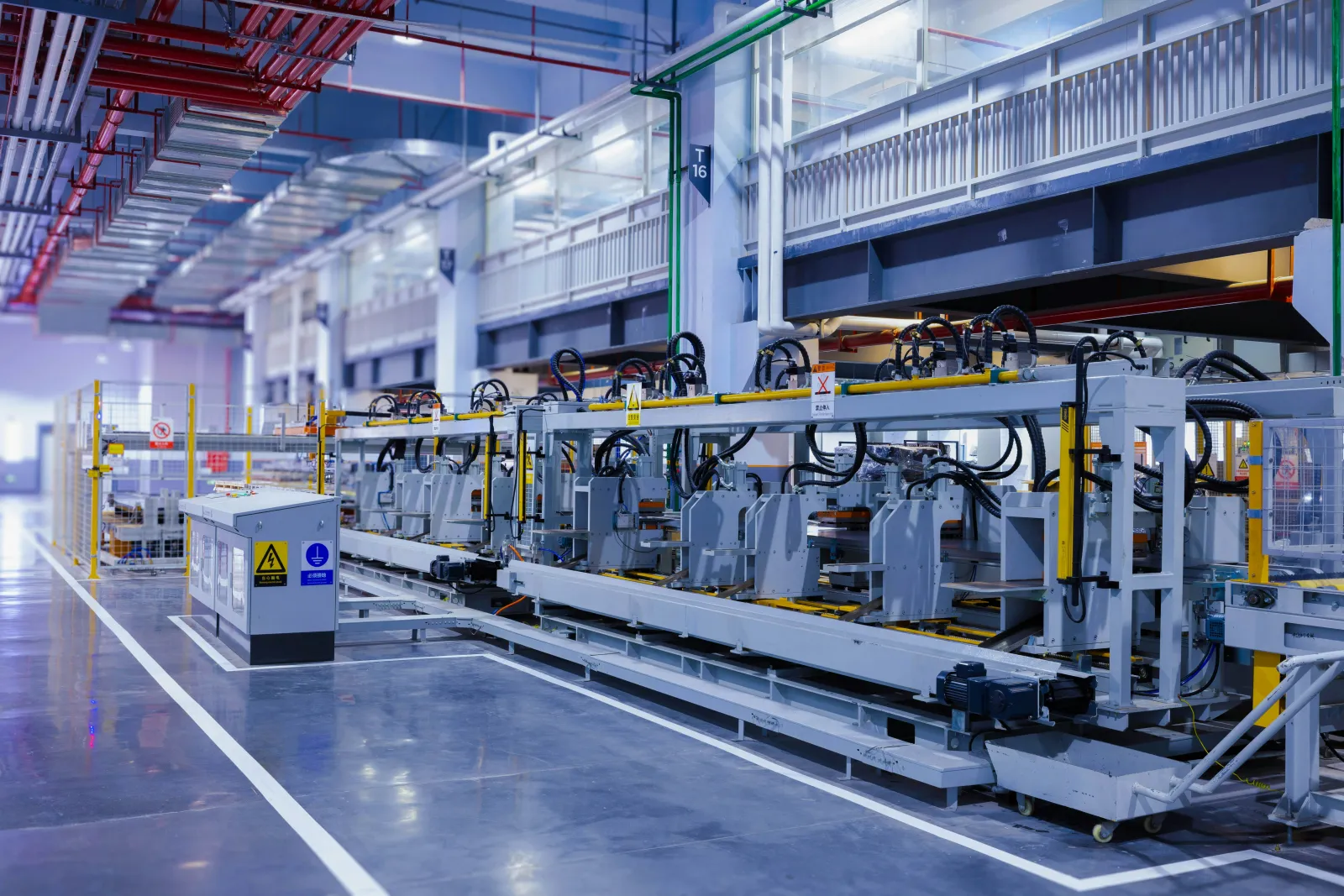
In a fast-growing manufacturing business, having the proper tools is essential. They can be the difference between smooth expansion and costly inefficiencies. The right equipment helps boost production, improve efficiency, reduce downtime, and ensure consistent quality. With the right tools in place, your business can scale confidently and avoid unnecessary setbacks.
However, selecting the best tools for your growing operations can feel overwhelming. When making these decisions, it’s essential to consider factors like durability, precision, and cost.
 Amit Ashwini

In this article, we’ll explore key factors for choosing industrial tools that will help your business scale effectively and sustainably without overspending on unnecessary upgrades or replacements.
Evaluating Your Operational Needs
Before choosing new tools, it’s essential to assess your current operations. Look at your existing tools and see if they meet your needs. Are there delays in your production line? Are there tasks that could be automated or improved with better equipment? Understanding these gaps will help you make informed decisions.
It’s also important to think ahead. What are your company’s growth forecasts? If production is expected to increase significantly, ensure your tools can handle that extra load. Planning for future demand will save you from having to upgrade equipment frequently.
Precision and Efficiency: Key Metrics for Tool Selection
Precision is essential in manufacturing, especially as your business expands. You’ll need tools that consistently deliver accurate results, whether it’s for cutting, welding, or assembling. Precision ensures product quality and helps maintain tight tolerances, which is critical for meeting industry standards and customer expectations.
Efficiency is equally important. High-speed machines that maintain accuracy will help you meet increased production demands without sacrificing quality. As your operations grow, selecting equipment that strikes the right balance between speed and precision is essential. This balance helps avoid delays, reduces waste, and ensures smooth workflows. By prioritizing both metrics when selecting machinery, you’ll be better equipped to scale production without compromising on product quality or deadlines.
Expanding Operations: Affordable Used Equipment
When scaling up manufacturing, investing in specialized tools is key. For example, in high-volume metal cutting, hyd-mech band saws are known for their precision and durability. However, instead of buying new, purchasing used band saws offers a cost-effective alternative that doesn’t sacrifice quality.
Many platforms provide used tools that are fully maintained, ensuring reliable performance at a significantly lower cost. This approach is ideal for businesses looking to expand while keeping costs manageable, allowing you to invest in other essential areas of growth, like technology and staffing.
Material Compatibility: Tools That Match Your Needs
Your machinery must handle the variety of materials you use in production, whether that’s metals, plastics, or composites. As your business grows and diversifies, choosing versatile equipment that works across multiple materials becomes a valuable investment. These solutions give you the flexibility to adapt to changing production needs without frequent upgrades.
For instance, cutting gear must match the toughness of the materials you’re processing. If you work with harder materials like metals, specialized equipment becomes essential for maintaining efficiency. Using the wrong machines can lead to inefficient processing, increased wear and tear, and potential downtime. Investing in gear suited to your materials ensures smoother operations and better results.
Preparing for the Future: Automation and Technology
Automation is the future of manufacturing. As your business grows, incorporating machinery that integrates with automation systems is a smart move. Automated solutions reduce the need for manual labor and improve consistency, which is essential for large-scale operations. Investing in automation-ready machines ensures your business can grow seamlessly.
Automation also offers benefits like real-time data collection and predictive maintenance, helping you address potential issues before they cause downtime. This technology-driven approach helps you maintain operational efficiency as your production scales up.
Budget and ROI: Spend Smart, Save Smart
It’s tempting to buy the cheapest gear, but it’s important to consider long-term value. Durable equipment that requires less maintenance will save you more money over time. Reduced downtime means continuous production, which directly contributes to higher output and profits.
Additionally, warranties and after-sales support should be considered when purchasing machinery, as they can further reduce future costs. Energy-efficient machines are another factor to consider. High-quality, energy-efficient equipment cuts operating costs and reduces your environmental footprint. As sustainability becomes a greater focus, investing in energy-efficient gear can help your company meet environmental goals, reduce operational expenses, and improve overall profitability.
Conclusion
Choosing the right industrial tools is essential when expanding manufacturing operations. By evaluating your current needs, investing in precision and efficiency, and considering future growth and automation, you can make smart decisions that set your business up for success. Whether you opt for new tools or used options, the right equipment will allow your business to grow efficiently and profitably.