The key to crafting top-notch spirits lies in distillation expertise. A blend of craftsmanship and precise equipment is essential for distillers venturing into whiskey-making or creating spirits like vodka and gin. They rely on gear to uphold standards of excellence while prioritizing efficiency and safety in their craft through distillery software.
1. Copper Still
In the core of every distillery sits the copper still—one of the distillery tools renowned for its heat conductivity and its ability to elevate the taste of spirits. Copper is valued for its role in refining spirits by eliminating sulfur compounds and yielding a more polished end product. These copper stills vary in size and design to accommodate production requirements and scales. Opt for a top-notch copper still to uphold spirit production while preserving both strength and flavor essence.
2. Fermentation Vessels
In the world of alcohol production, fermentation vessels play a role in the process of turning sugars into alcohol with the help of yeast in a controlled setting. Different materials like steel or food-grade plastic bring their advantages to the table and affect the taste and quality of the end product. Choosing the size and material for these vessels is vital as they directly impact how efficiently fermentation occurs and shape the character of the spirit being produced.
3. Hydrometer
Using a hydrometer is essential for measuring the alcohol content of a substance. It gives information about how fermentation is progressing and helps determine the final alcohol percentage. Distillers rely on hydrometers to ensure consistency in their products and make any needed changes to their methods. This tool plays a role in quality control by ensuring that every batch meets the desired standards.
4. Thermometer
Maintaining the temperature is essential during distillation to ensure top-notch quality spirits are produced consistently each time. It is done properly using a thermometer that accurately measures temperatures at different distillation stages while preventing overheating or underheating issues that could compromise the spirit's overall quality.
5. Mash Tun
Many spirits start their journey in the mash tun. It is a container that helps convert starches into sugars during the mashing process. Maintaining the temperature inside the mash tun is essential for extracting sugars and shaping the flavor and alcohol content of the end product.
6. Refractometer
Just like hydrometers do with sugars in liquids, refractometers also measure sugar content. A small sample is needed for analysis. These handy tools are portable and easy to use, giving distillers results for tweaking during fermentation and distillation. Refractometers have the benefit of being less invasive and keeping the sample pure, making them a convenient option for measurements on the go that helps streamline production efficiency.
7. Distillation Column
An apparatus known as a distillation column improves the effectiveness of separating alcohol from impurities by expanding the contact area between vapor and liquid components. This helps to improve separation efficiency and achieve a purer end product with purity levels through improved separation techniques. It is imperative to choose the column design since this decision significantly influences the yield and quality of the distilled beverage being produced effectively.
8. Parrot
The parrot serves as a device that links to the distillation apparatus to monitor alcohol strength throughout the process. Through real-time information feedback, the parrot assists distillers in making choices when selecting which fractions to include in the spirits. This innovative tool streamlines the monitoring procedure by providing insights to uphold quality and flavor during production.
9. Filtration System
Utilizing filtration systems is essential for eliminating impurities and particles from spirits and improving their clarity and flavor profile significantly. By employing carbon or charcoal filters in these systems, the goal is to guarantee that the end product aligns with quality expectations and satisfies consumers' preferences. It is essential to invest in a filtration system to create spirits that exhibit the desired attributes of purity and smoothness.
10. Storage Containers
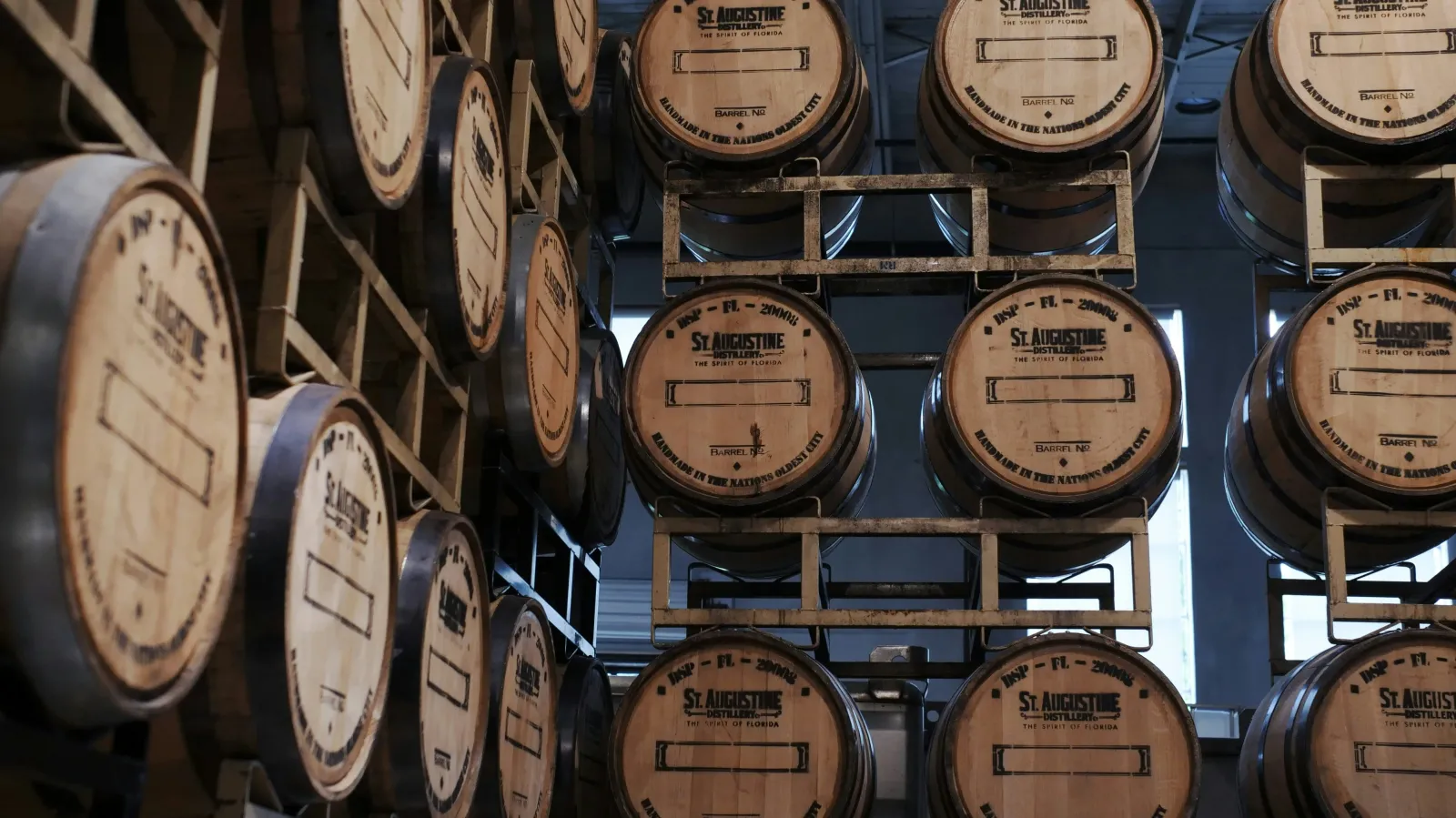
Effective storage vessels are essential in maturing beverages like spirits. Made of materials such as oak or stainless steel, these containers impact the taste and personality of the spirit as it ages. Picking the right storage vessel is key to ensuring that spirits acquire the desired flavors and scents during the aging process.
Conclusion
Having the tools in place at a distillery greatly influences the quality of spirits produced there. Each element of equipment, from the copper to storage containers, serves a function in creating beverages that capture consumers' attention. By investing in these tools and looking after them carefully, distillers can guarantee that their products always meet or surpass market standards.