

Ever had one of those lightbulb moments that changed everything? Like when you realized coffee was the missing element for your Monday mornings? Well, sales intelligence tools can be that caffeine shot for your sales process.
Before you shake your head and say, “Not another tool to add to my stack,” hear me out. This isn’t just a shiny object syndrome, nor is it some abstract theory floating in the marketing void. Sales intelligence tools are the difference between walking into a meeting armed with a water gun and showing up with an arsenal that actually closes deals.
I know the pressure of hitting numbers, and I know what a genuine game changer looks like. I’ve spent years sifting through what works and what doesn’t. Sales intelligence tools are one of those rare birds that actually make a difference—if you know how to wield them right.
The Why Behind Sales Intelligence
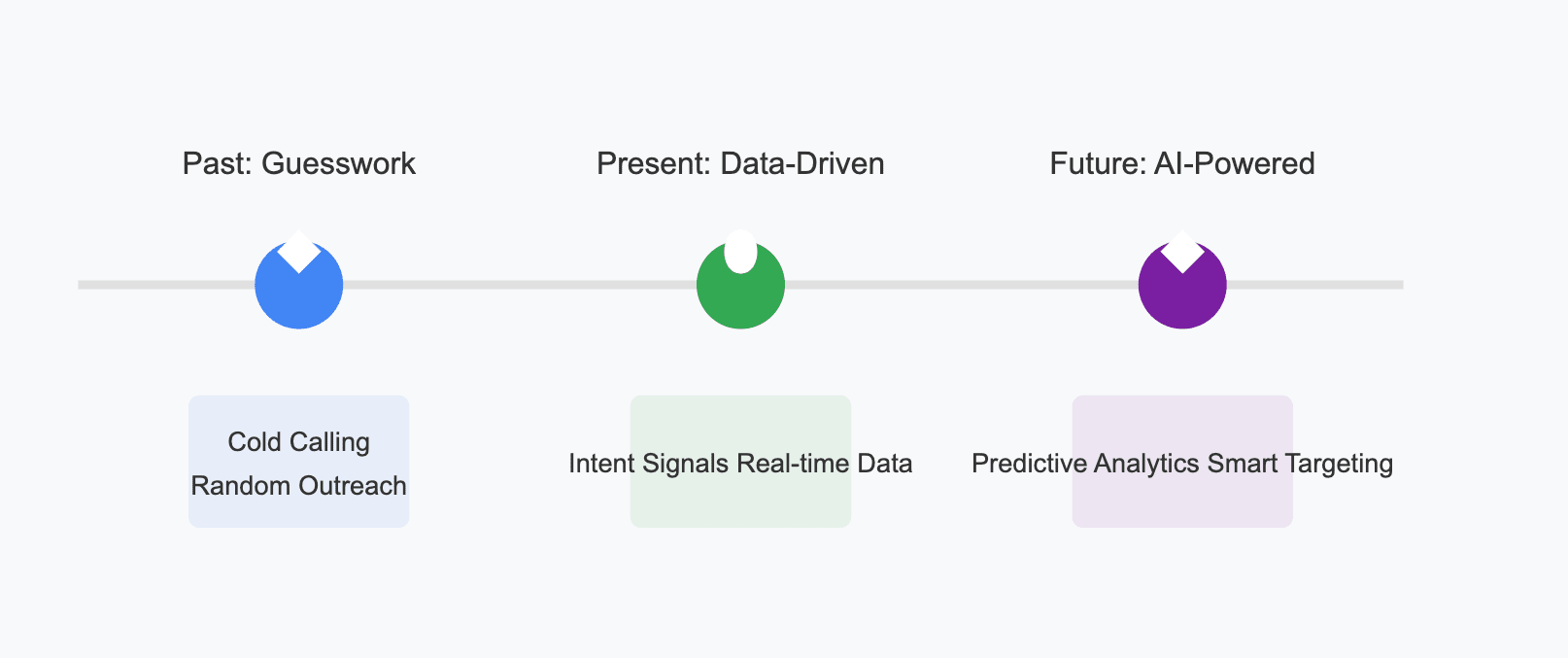
Sales is changing. We’re long past the era of throwing a dart at a list of prospects and hoping it sticks. Today, your prospects are smarter. They expect personalized outreach. They want you to know what their needs are, often before they even articulate them. You want to reach them at the right time with the right message—not just some mass email that makes them cringe.
Sales intelligence tools are here to bridge that gap. They help you identify intent signals, curate insights about prospects, and deliver that “aha” moment where your value proposition meets an urgent need.
Remember the classic battle between David and Goliath? In today’s world, David’s slingshot would be powered by data—real-time market data, social media signals, technology adoption details, and even changes in leadership at target companies. Information that turns you into a hyper-focused, value-delivering machine.

What Are Sales Intelligence Tools, Really?
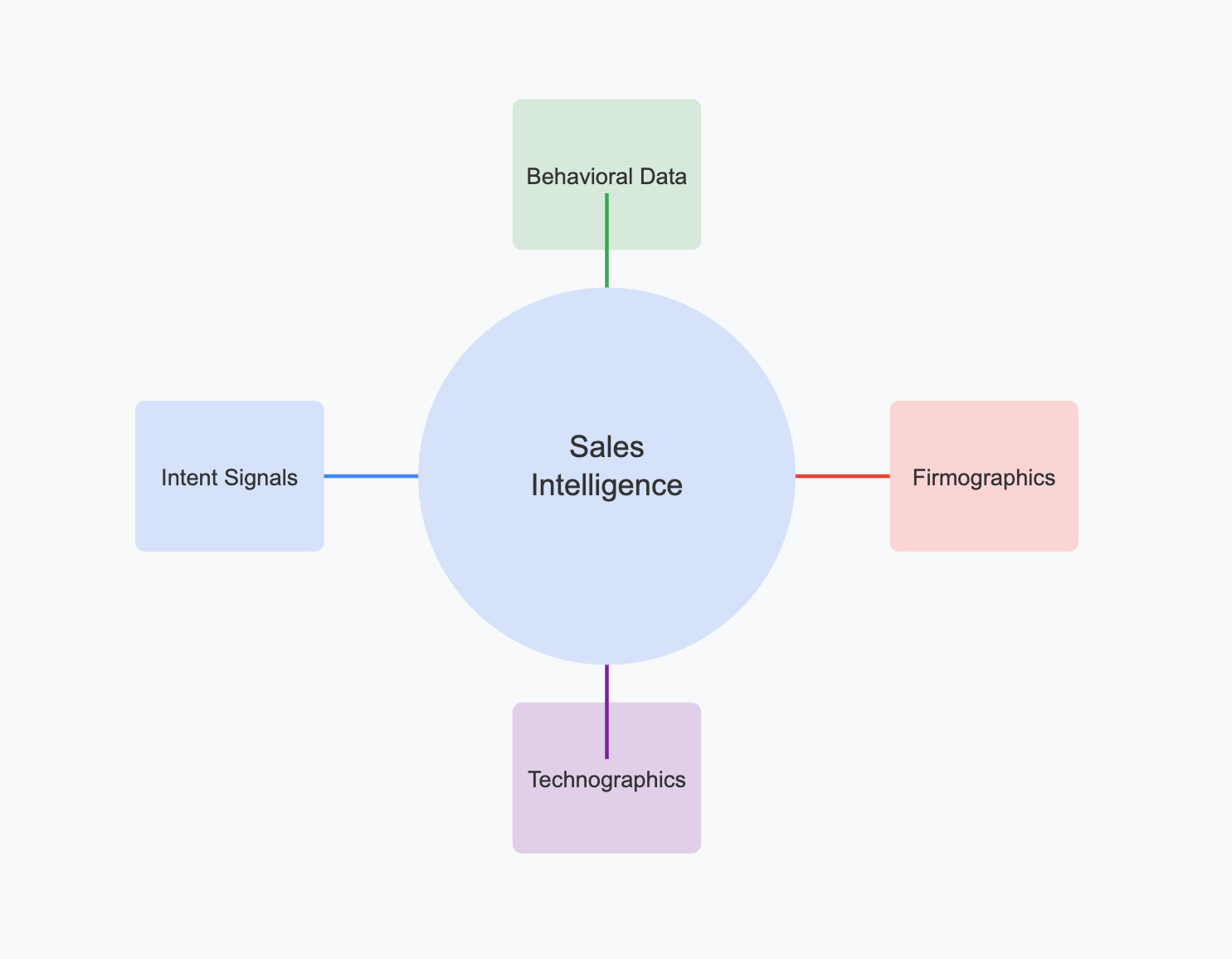
Let’s get specific. Sales intelligence tools are platforms or software that aggregate information on prospects to help you target, engage, and convert them more efficiently. They take what could otherwise be weeks of prospecting and compress it down into minutes.
| Data Type | Description | Impact on Sales |
|---|---|---|
| Behavioral Data | Tracks actions like website visits, email opens, etc. | Helps in understanding interest level and timing for outreach. |
| Firmographics | Information about the company's size, growth, and industry. | Enables identification of companies that match your ideal customer profile. |
| Technographics | Tools and software the company is using. | Provides insights for personalized pitches that highlight integration or enhancements. |
These tools gather all sorts of data:
- Behavioral insights: Actions taken on your website, blog, or emails.
- Firmographics: Company size, industry, recent news, growth metrics—anything that gives you a snapshot of a business.
- Technology adoption: What tools and software your prospects are already using.
The best sales intelligence tools don’t just give you numbers; they paint a story. They tell you what your prospects are up to, their problems, and how your product can step in as a hero.
Think of it as the difference between walking into a first date knowing nothing and walking in with a genuine idea of what the other person likes and dislikes. You can skip the small talk and have a real conversation.
Real Meat, No Fluff
1. Hyper-Targeting That Actually Works
Broad outreach is dead. Hyper-targeting is the new king. Instead of casting a wide net, sales intelligence allows you to identify your best-fit accounts. Imagine having access to firmographic and technographic data that allows you to only reach out to companies already using complementary software or actively seeking your solution.
Take a typical scenario. You're selling CRM software. Wouldn't you rather target a company that is currently struggling with their existing CRM or a business that just expanded to five new branches? Sales intelligence tools can help identify prospects based on changes in staffing, funding, or even specific hiring patterns.
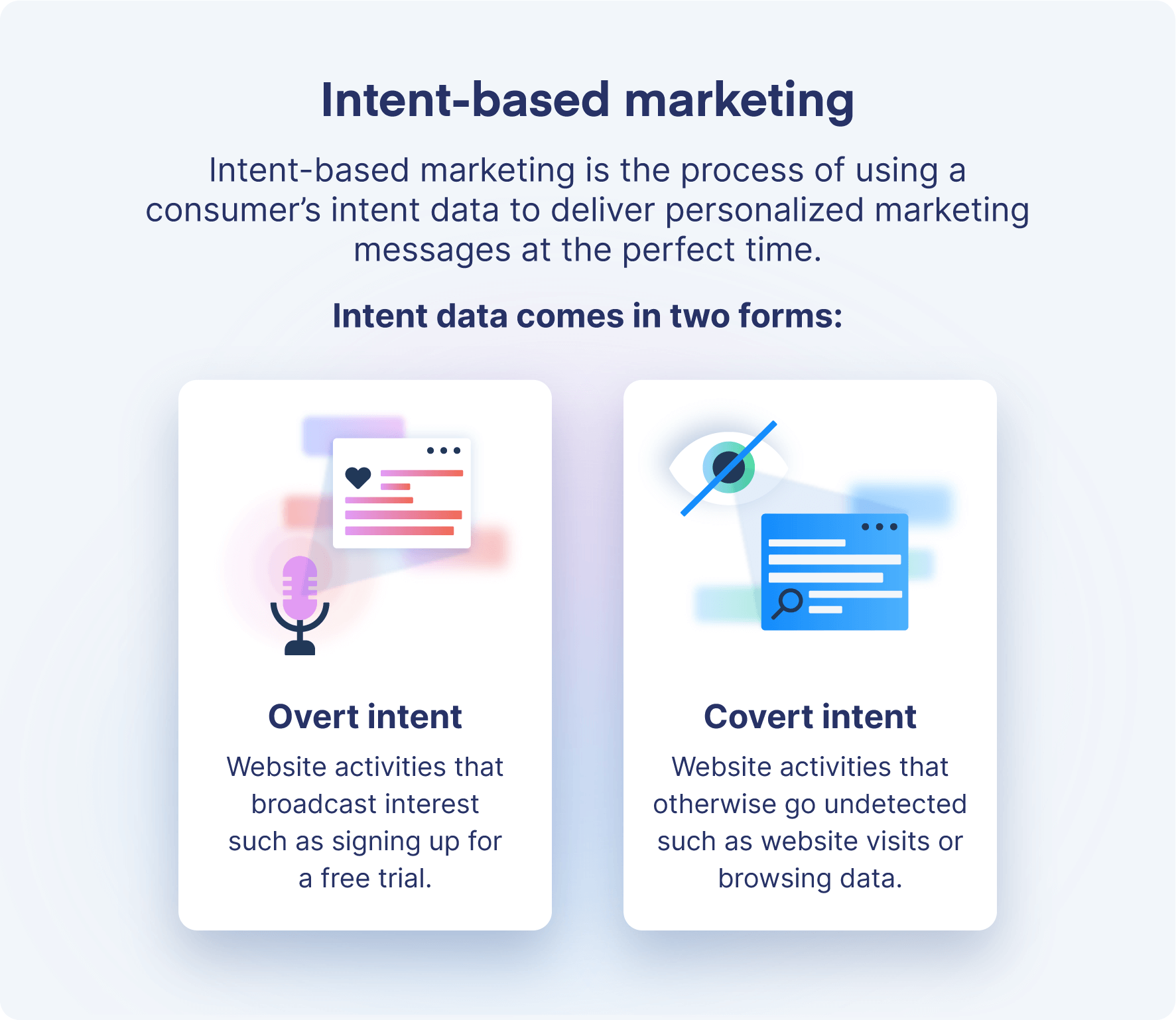
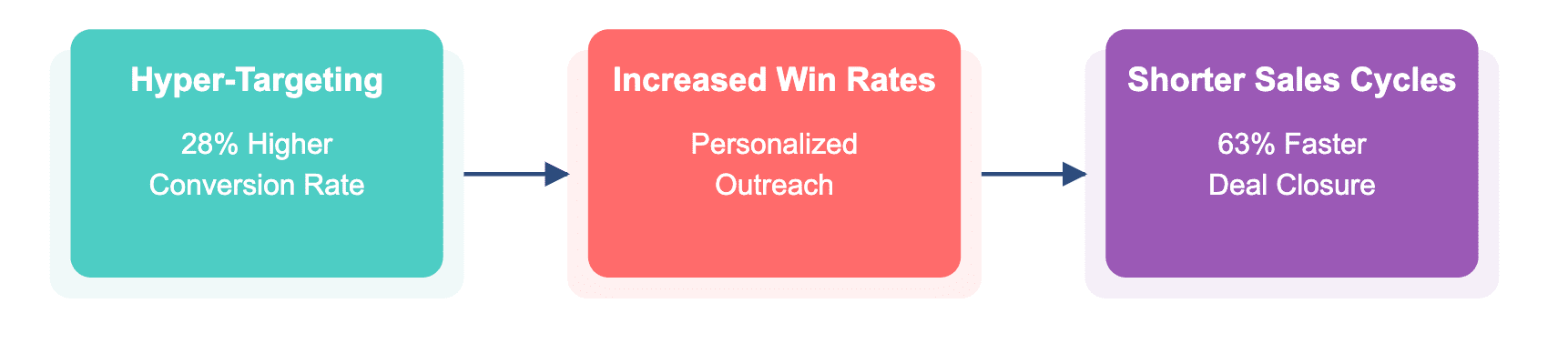
It's not just knowing who your prospects are; it's about knowing when they're ready. This is where sales intent data comes in—identifying companies that are actively searching or engaging with topics in your industry. One recent study by TOPO found that sales teams using intent data had a 28% higher conversion rate than those who didn't. That's a big difference when you're talking about reaching quota.
2. Increased Win Rates Through Personalized Outreach
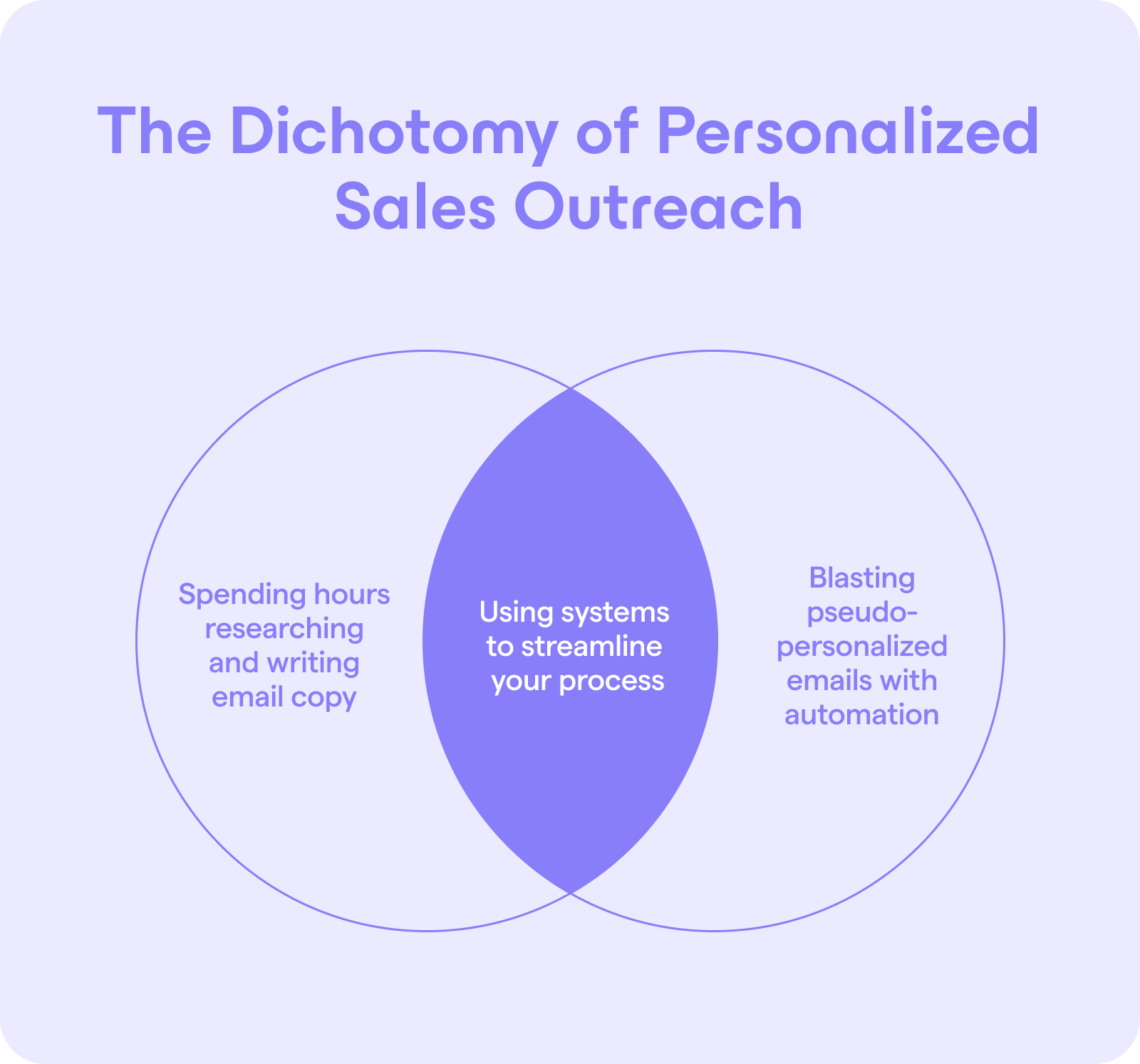
People don’t want to be treated as just another name on a list. They want to be understood. A smart sales rep uses sales intelligence to craft a personalized approach—right down to the specific challenges a prospect is facing.
I’m sure you've gotten those generic LinkedIn messages. The ones that are clearly copy-pasted with a dash of your name inserted to make it look genuine. Now think about when someone reaches out with a tailored note, mentioning your recent challenges or that new product line you just launched. It’s night and day.
Sales intelligence tools like LinkedIn Sales Navigator or ZoomInfo help you gather contextual details that make personalization easier. For example, if you see that a company just hired a new CTO, you know there's an opportunity—new leadership often means new priorities, and thus a chance for your solution to add value.
3. Shorter Sales Cycles
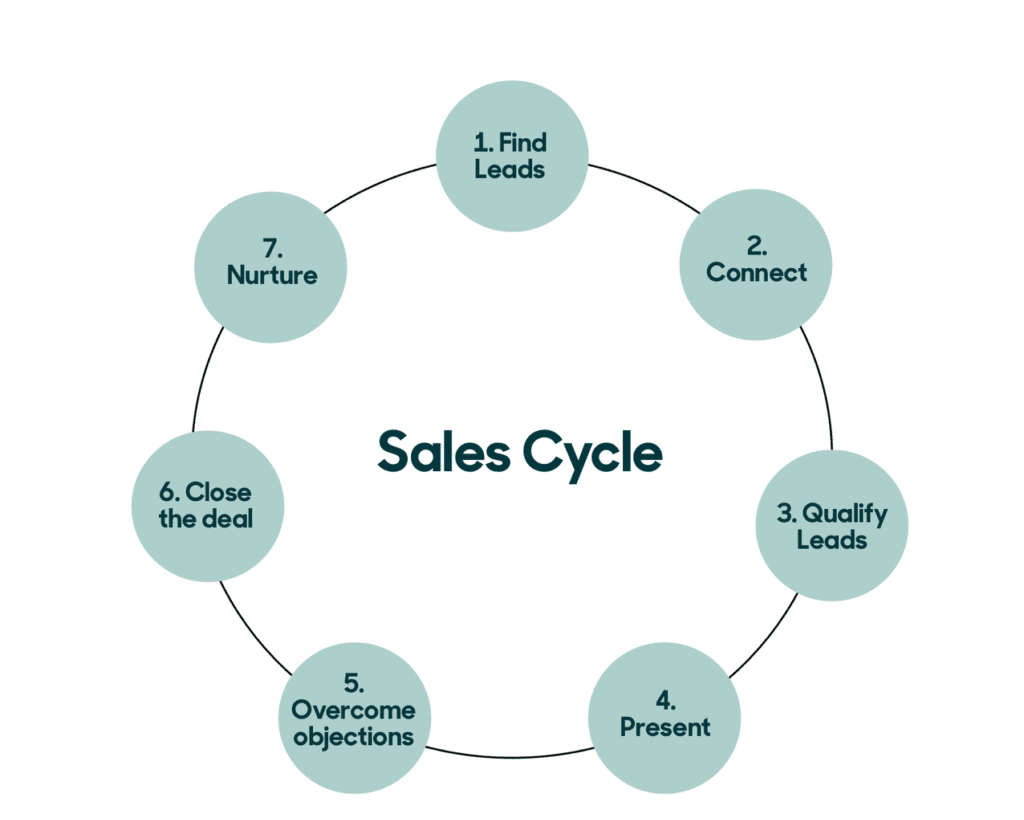
Imagine showing up to every sales call already understanding your prospect's pain points. Sales intelligence tools eliminate much of the discovery phase, allowing you to move from “Hi, I’m calling to learn about your needs” to “Here’s how we can solve the problems you're facing.”
According to a 2022 survey by InsideSales, 63% of sales reps who used sales intelligence tools reported shorter sales cycles, largely because they could better anticipate questions and objections ahead of time. You’re not just hitting them with features; you’re already providing solutions.
| Benefit | Description | Example Scenario |
|---|---|---|
| Hyper-Targeting | Identify companies actively seeking solutions in your industry. | Target companies undergoing growth or struggling with outdated solutions. |
| Personalized Outreach | Create tailored outreach messages based on firm-specific insights. | Use recent company changes (e.g., new hires) to craft relevant outreach. |
| Shorter Sales Cycles | Minimize the need for lengthy discovery calls by leveraging pre-researched insights. | Show up to meetings with tailored solutions rather than questions. |
Think of it this way: if your competition is spending weeks trying to qualify a lead, and you can do it in days—who do you think is closing that sale?
Sales Intelligence Tools Worth Your Attention
Now let’s get into specifics. Which tools should be on your radar? These aren’t just popular names—they’re the best-of-the-best for specific use cases. Consider this a tailored toolkit, not a grocery list.
| Tool | Best For | Features |
|---|---|---|
| ZoomInfo | Advanced data aggregation | Rich firmographics, technographics, intent data |
| LinkedIn Sales Navigator | Personal outreach | Real-time updates, integration with CRM |
| Clearbit | Real-time prospect insights | Enrichment data, APIs for custom use cases |
| Apollo.io | Multi-channel outreach | Built-in CRM, email automation, contact intel |
| InsideView | Strategic targeting | Trigger events, account-based selling insights |

1. ZoomInfo: The Godfather of Data Aggregation
ZoomInfo does it all—firmographics, technographics, even those precious intent signals. ZoomInfo is particularly powerful for companies in B2B where decision-makers and in-depth company insights are harder to come by. It helps you get to the right person at the right time.
2. LinkedIn Sales Navigator: Stalk Smarter, Not Harder
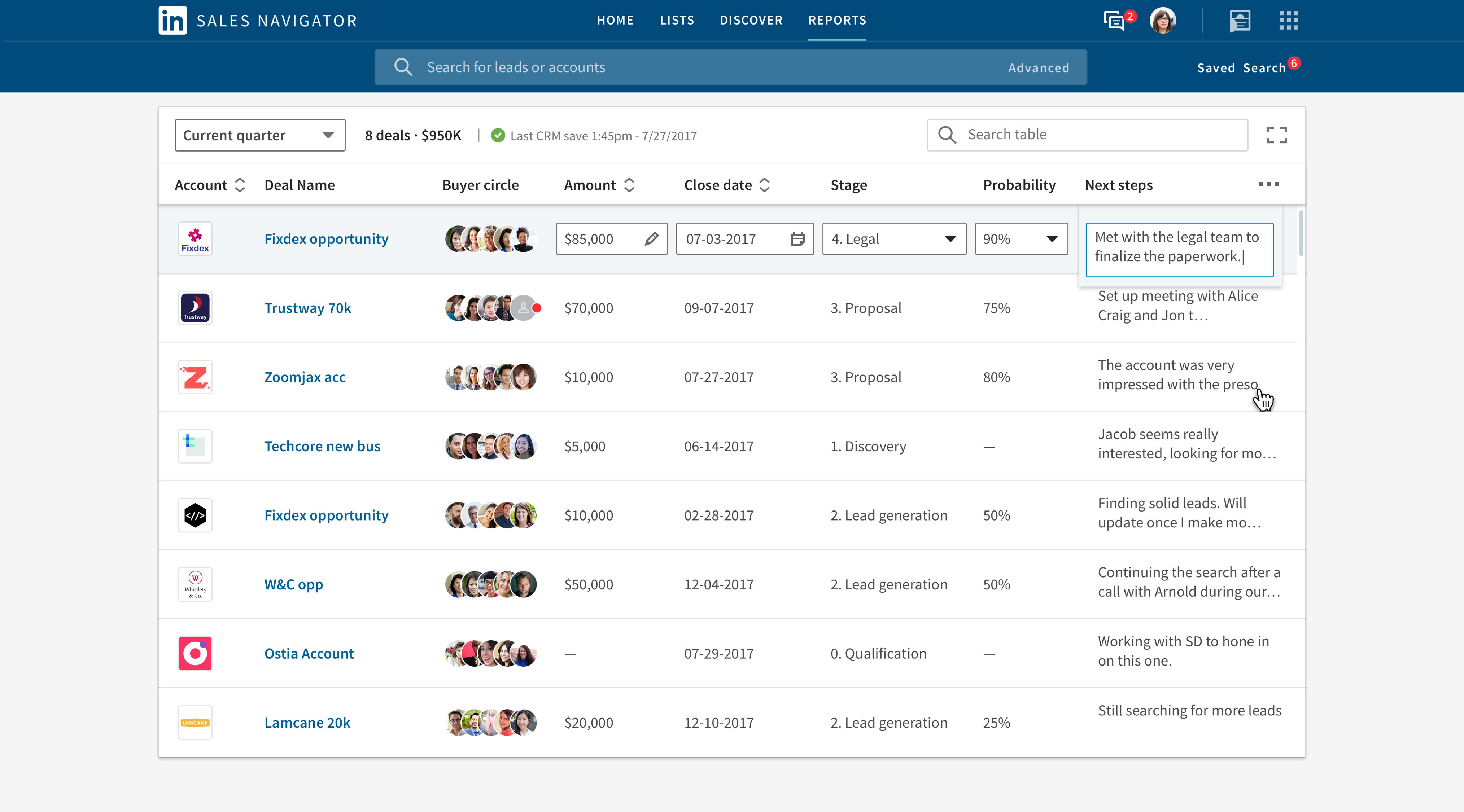
If your sales depend heavily on personal relationships, Sales Navigator is practically mandatory. It helps you find who’s switching jobs, who’s just joined, and who might be open to a pitch. I’ve often noticed that warm intros are easier when you genuinely understand the person’s journey—Sales Navigator lets you do exactly that.
3. Apollo.io: Integrated Outreach
Apollo.io combines data and outreach capabilities. It’s great for teams looking to quickly run campaigns based on fresh sales intelligence. Imagine learning that a company has recently grown its development team and then having the ability to immediately email all the relevant contacts.
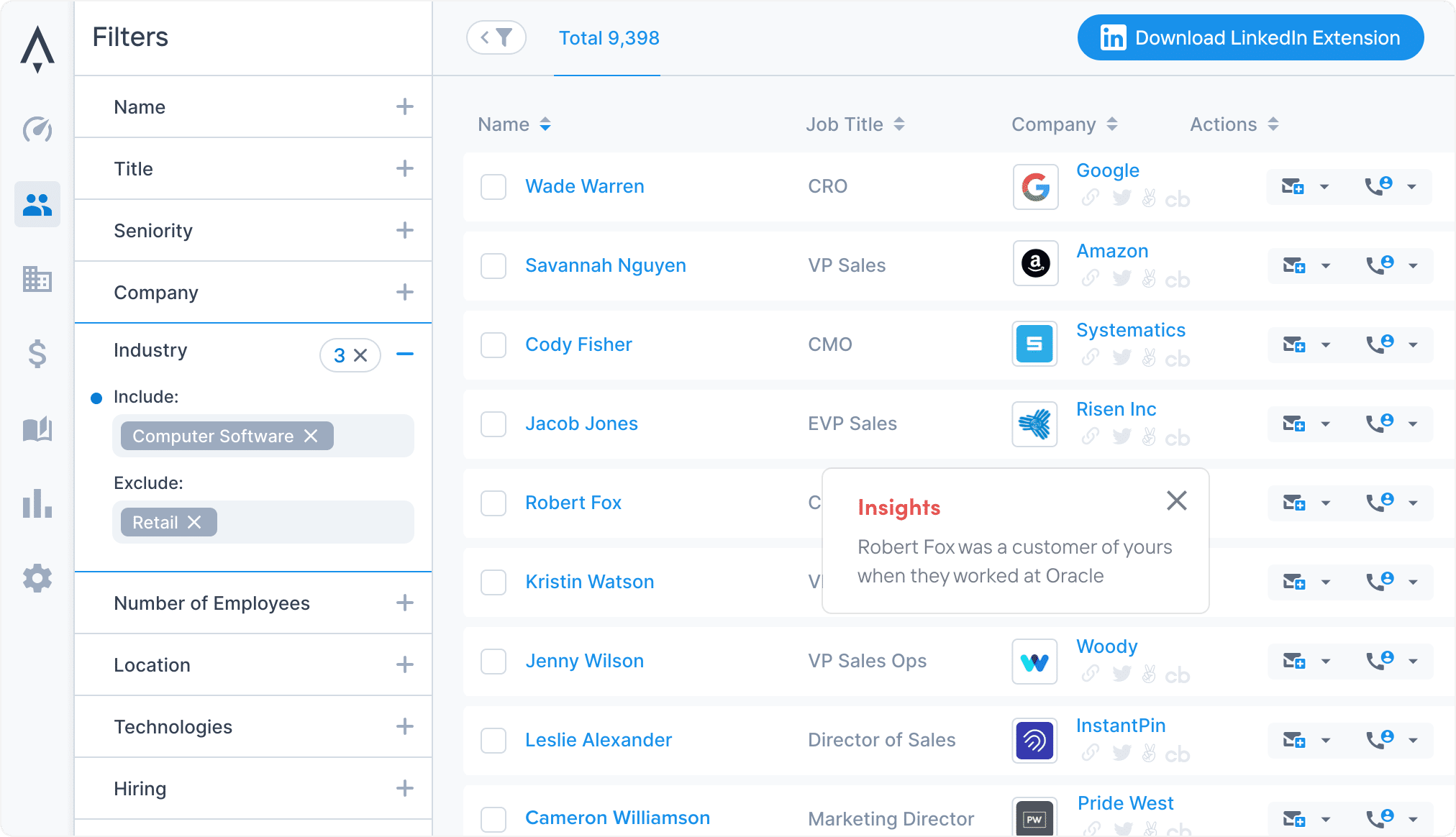
Apollo saves you from jumping between tools and ensures your data is always actionable.
Using Tools Without Losing Yourself.
I get it. All this sounds like a lot of automation. But here’s where the magic really happens—it’s still about you. The way you weave the insights into a human story matters.
Sales intelligence tools are not a substitute for real human connection. They’re there to guide you, to give you that extra edge—but you still need to add the human touch.
You can have all the data in the world, but if your outreach lacks empathy or genuine curiosity, people will still ignore you. These tools are accelerators, not crutches.
Think about relationship-building and how these tools can help you do it better. They give you context, but how you use it is up to you. When a client shares a pain point, follow up with them later—as a way to sell, and to genuinely offer help.
Sales Intelligence Isn’t a Crystal Ball
It’s important to remember that sales intelligence tools are not a one-stop shop for closing deals. They won’t magically make uninterested prospects buy from you.
One of the common misconceptions is that these tools give you “secrets” that will guarantee a win. The truth is, these tools are here to make you efficient, to provide insights that lead to better conversations, not to create shortcuts where there are none.
The goal isn’t just to automate or scale your outreach—it’s to make that outreach more meaningful. The most successful reps aren’t those who can blast the most emails but those who use data to craft targeted, insightful, and helpful messages.
| Misconception | Reality |
|---|---|
| Sales Intelligence Guarantees a Sale | Sales intelligence is about efficiency and targeting, not guarantees. |
| It Replaces Relationship Building | Tools assist in data collection, but human interaction still drives results. |
| It’s All About Automation | Personal touch and empathy are still key to successful conversions. |
Where Do You Start?
Sales intelligence tools aren’t something you wake up and suddenly have all figured out. Start by integrating a simple tool—maybe LinkedIn Sales Navigator if you’re heavy on relationship selling. Get comfortable with the information you gather. Learn how it fits into your workflow.
If you’re looking for deeper firmographic and technographic insights, ZoomInfo can be a powerful place to start. The key is to not overwhelm your process. Introduce these tools step by step, see the results, and expand from there.
Another useful way to think about integrating these tools is through the lens of Account-Based Marketing (ABM). Sales intelligence pairs incredibly well with ABM strategies where your focus is on providing tailored experiences to each account. Use these tools to understand the account’s context, and to identify any early signals of readiness to buy.
Final Thoughts: The Playing Field Is Changing—Are You?
The sales world is not what it used to be. Buyers are informed, and they’re often two steps ahead. Sales intelligence tools give you the means to keep pace—or better yet, lead the race.
It's about knowing when to make your move, not just making it. It's about skipping the generic intro and diving straight into how you can actually help. It’s about understanding your prospect’s challenges better than they do and being ready with a solution.
At DataDab, we know that making a sale isn’t magic—it’s a science. And like any science, it needs data. Sales intelligence gives you that data and turns guesswork into a calculated, strategic process. It's the slingshot you need in today’s world of Goliaths.
Your competition may already be on board. The question is, are you?
Sales isn’t a game for the timid. It’s a game for those who are armed with the best tools, a clear understanding, and a deep-seated desire to win. Now that you know the power of sales intelligence tools, it's time to wield that power and win.
FAQ
1. What exactly are sales intelligence tools?
Sales intelligence tools are software platforms that aggregate data on prospective customers to help businesses target, engage, and convert more effectively. They collect information such as behavioral insights, firmographics, technographics, and intent data to help create a comprehensive picture of the prospect, thereby enabling better decision-making and personalized outreach.
2. How can sales intelligence tools improve my targeting?
These tools enable hyper-targeting by using firmographic and technographic data to identify which companies are the best fit. They also provide insights into when prospects are ready to make a purchase by analyzing intent signals such as recent funding or personnel changes, which means you can focus your efforts on leads with higher potential for conversion.
3. Can sales intelligence really shorten my sales cycle?
Yes, sales intelligence tools shorten sales cycles by eliminating much of the discovery phase. When reps come into a sales call already equipped with the prospect's pain points and relevant insights, they can move directly into offering solutions, making the entire process faster and more efficient.
4. Are these tools suitable for small businesses?
Absolutely. Small businesses can benefit significantly from sales intelligence tools, especially when resources are limited. By identifying the highest potential prospects, small businesses can concentrate their efforts on leads that are more likely to convert, thus maximizing the return on their sales activities with fewer resources.
5. What types of data do sales intelligence tools collect?
Sales intelligence tools typically collect firmographic data (such as company size, growth, and industry), technographic data (tools and software used by a company), and behavioral insights (such as a prospect's interaction with your website). Advanced tools also gather intent data, which indicates whether a company is in the market for a specific solution.
6. Can these tools guarantee sales?
No, sales intelligence tools are not a magic wand for guaranteed sales. They provide valuable insights that make your outreach more targeted and effective, but closing the sale still relies on the skill of your sales team. It’s about using data to create a more personalized and impactful sales experience, not about automating the entire sales process.
7. How should I start using sales intelligence tools?
The best way to start is by integrating one simple tool, such as LinkedIn Sales Navigator, to ease yourself into leveraging data. Learn how to utilize its insights effectively in your workflow before moving on to more advanced tools like ZoomInfo or Apollo.io. Gradually expand your toolset to avoid overwhelming your team and to ensure consistent growth in your understanding of how the data can be used.
8. What are the most popular sales intelligence tools?
Some popular sales intelligence tools include ZoomInfo (for comprehensive data aggregation), LinkedIn Sales Navigator (for personal outreach), Apollo.io (for integrated multi-channel outreach), and Clearbit (for real-time insights and enrichment). Each tool has its own strengths, and the choice should depend on your specific sales process requirements.
9. How do I avoid losing the human touch while using these tools?
Sales intelligence tools are best used to inform your outreach, not replace human interaction. Focus on using the insights to craft more meaningful conversations. Empathy and a genuine curiosity about the customer’s needs are crucial—use the data to enhance these traits rather than relying solely on automated workflows.
10. What are some common misconceptions about sales intelligence tools?
A common misconception is that sales intelligence tools can guarantee sales, but in reality, they are enablers of efficiency rather than a substitute for skillful sales tactics. Another misconception is that sales intelligence is just about automation, while in truth, the real value lies in personalizing the outreach and enhancing relationships with relevant, timely insights.