

Or: why your 3,000-word ‘thought leadership’ opus is invisible to machines with PhDs
For years, we were told the same soothing bedtime story. Write long. Write comprehensive. Sprinkle keywords like coriander on street food. Google will love you. Traffic will come. Pipeline will follow. Everyone will clap.
And then large language models walked into the room, glanced at our lovingly bloated prose, and quietly ignored it.
Because AI doesn’t ‘read’ content the way humans do. It extracts. It slices. It looks for bounded answers, not literary ambition. And if your content doesn’t present clean, scoped, quotable chunks, you might as well be whispering into a void.
This piece is about reverse-engineering that extraction process. Not in a mystical ‘how to game ChatGPT’ way, but in a very practical ‘why did that competitor get cited and you didn’t’ way. We’ll look at what actually gets lifted into AI answers, why traditional SEO prose struggles, and how to rewrite one very typical SaaS blog post into something machines can quote without breaking a sweat.
AI doesn’t browse, it scavenges

Let’s start with the uncomfortable bit. AI models are not politely scrolling your page, admiring your metaphors, or lingering over your brand story. They’re doing something far less romantic.
They’re scavenging.
When a user asks a question, an LLM like OpenAI’s models or systems powering AI Overviews scans retrieved text looking for fragments that can be safely lifted, summarized, or paraphrased. These fragments need to stand on their own. They need internal coherence. They need boundaries.
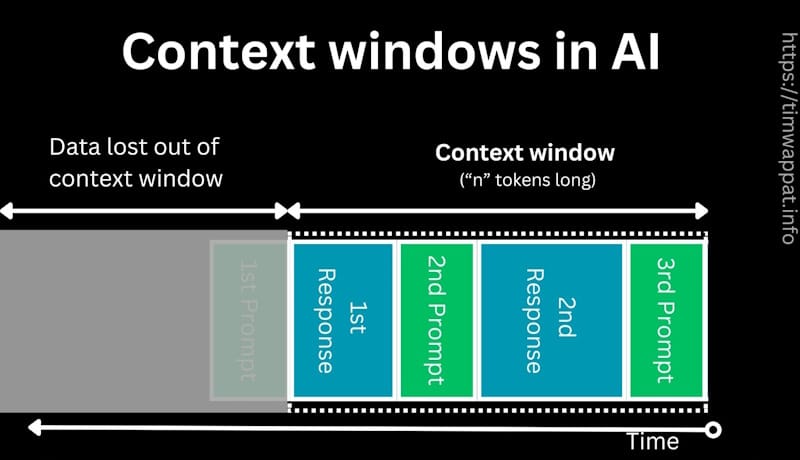
Think less ‘reader’ and more ‘high-speed intern with scissors’.
This is why long narrative paragraphs often fail. because they’re structurally ambiguous, not because they’re bad writing. They mix definitions with opinions. They blur scope. They bury the answer under context, caveats, and a polite throat-clearing intro that begins with ‘In today’s evolving digital ecosystem’ (we can all agree that sentence should be banned).
AI systems reward content that makes extraction cheap. Cheap in cognitive terms. Cheap in token terms. Cheap in risk.
If the model can confidently say ‘this chunk answers the question’ without guessing, you’re in. If it has to infer, summarise, or reconcile three ideas across five sentences, you’re probably out.
What ‘extractability’ actually means
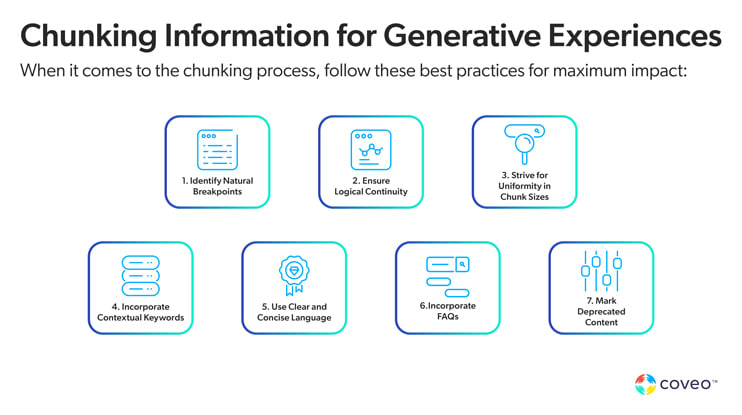
Extractability is not a buzzword. It’s a property of content.
Highly extractable content has a few boring but powerful traits. It defines things explicitly. It limits scope. It uses structure as a signal, not decoration.
A definition that starts with ‘X is…’ is extractable. A paragraph that gently circles the concept before landing somewhere near a definition is not.
A numbered list where each item answers one sub-question is extractable. A flowing essay that answers six questions at once is not.
Constraints matter more than eloquence. When you say ‘There are three reasons AI citations prefer structured content’, you’ve already made the model’s job easier. It knows how many things to look for. It knows when it’s done.
This is also why content written for analysts and engineers tends to perform better in AI answers than content written for brand campaigns. Engineers hate ambiguity. Machines agree.
The irony is delicious.
Extractability doesn’t mean dumbing down. It means tightening. Removing the optional. Making the boundaries visible. Treating each paragraph as a potential standalone answer, not a chapter in your memoir.
Why keyword-stuffed SEO prose collapses under AI scrutiny

Traditional SEO content was built for a different judge. A probabilistic one. A judge that rewarded topical breadth, internal linking, and the appearance of completeness.
So we wrote posts that tried to be everything at once. Definitions, benefits, use cases, history, trends, tools, pricing, FAQs, and a heroic conclusion tying it all together with a bow.
Humans skimmed. Google ranked. Everyone pretended this was fine.
AI systems, however, see this as a mess.
Keyword-stuffed prose tends to have three fatal flaws when it comes to citations. First, it repeats ideas in slightly different language, which creates ambiguity about which version is canonical. Second, it mixes multiple intents in the same section, making it hard to extract a clean answer. Third, it avoids hard edges because SEO taught us to hedge everything.
Phrases like ‘can help’, ‘often used for’, ‘generally considered’, and ‘in some cases’ are catnip for compliance teams, but poison for extractability.
An AI model asked ‘What is X?’ wants one answer. Not five vibes.
There’s also a trust issue. Over-optimized content often feels salesy even to machines. Excessive adjectives, breathless claims, and suspiciously perfect framing all raise the risk profile. If the model can choose between a neutral, scoped definition and a marketing paragraph that smells like it wants your email address, it will choose the former every time.
Machines are cynical. We respect that.
Lists, definitions, and constraints win citations
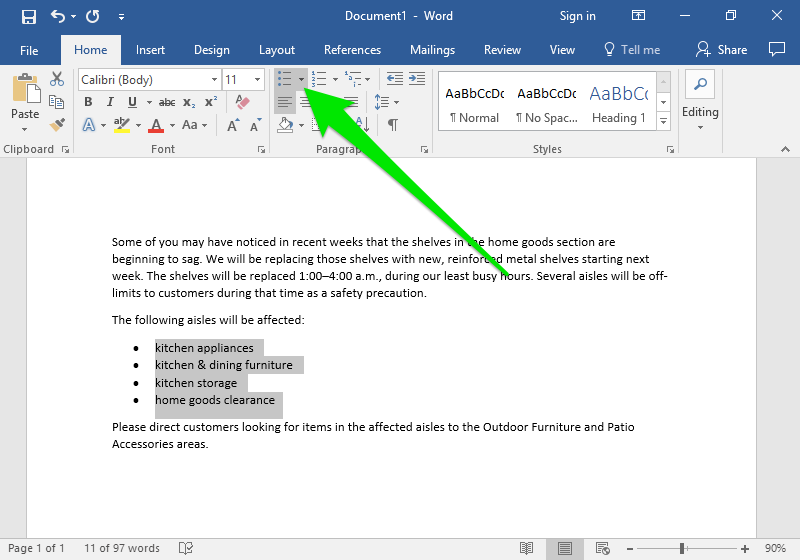
If you look at content that gets repeatedly cited in AI answers, patterns emerge quickly. It’s not the longest content. It’s not the most ‘authoritative’ in a branding sense. It’s the most mechanically useful.
Lists do well because each item is a self-contained unit. Definitions do well because they anchor meaning. Explicit constraints do well because they reduce uncertainty.
Consider the difference between these two approaches.
One says: ‘Customer data platforms are powerful tools that enable businesses to unify customer data across multiple touchpoints, providing insights that can improve personalization and marketing performance.’
The other says: ‘A customer data platform (CDP) is a system that unifies first-party customer data from multiple sources into a single profile for activation in marketing and analytics tools.’
Which one can an AI safely cite?
The second one names the thing, defines its scope, specifies inputs and outputs, and avoids promises. It’s boring. It’s perfect.
This is why documentation, glossaries, and standards documents punch far above their weight in AI citations. They weren’t written to impress. They were written to be unambiguous.
If you want to be quoted, stop trying to sound impressive and start trying to be precise.
A before-and-after rewrite of a SaaS blog post
Let’s make this concrete. Imagine a very typical SaaS blog post titled ‘What Is AI-Powered Marketing Automation? A Complete Guide’.
The original version opens with a scene-setting paragraph about how marketing has evolved. It then defines AI-powered marketing automation in three slightly different ways across two sections. It lists benefits, use cases, challenges, future trends, and finally introduces the product.
It ranks decently. It gets ok traffic. It never gets cited.
Now let’s rewrite it for extractability.
We start with a single, scoped definition at the top. Not buried. Not hedged.
‘AI-powered marketing automation is the use of machine learning models to trigger, personalize, and optimize marketing actions based on real-time customer data.’
One sentence. No adjectives. No promises.
Then we add a constraints block.
‘This definition excludes rule-based automation, manual segmentation, and predictive analytics used only for reporting.’
Now the model knows what it is and what it isn’t.
Next, we present a list titled ‘Core capabilities of AI-powered marketing automation’, with exactly four items. Each item is one sentence. Each sentence describes a capability, not a benefit.
Only after this do we add a section called ‘How this differs from traditional marketing automation’, structured as a table. Old vs new. Rule-based vs model-driven. Static segments vs dynamic predictions.
Notice what we didn’t do. We didn’t tell a story. We didn’t warm up the reader. We didn’t pad.
And yet, this version is far more likely to be lifted into an AI answer. Because every section can be extracted without interpretation.
You can still have narrative later. But the extractable core needs to come first, clearly labelled, and structurally obvious.
Structuring content for AI without killing readability
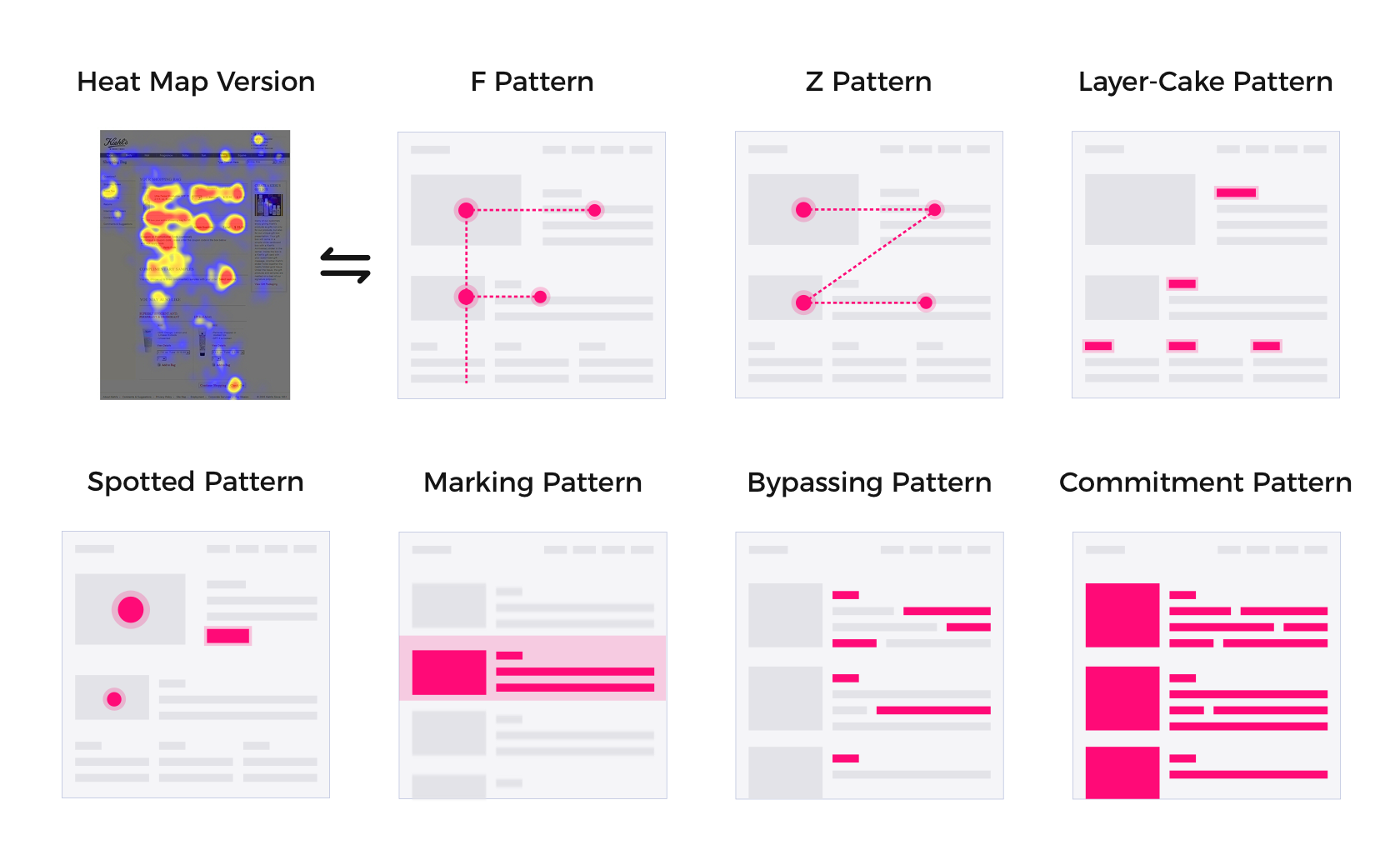
At this point, someone usually objects. ‘This sounds like writing documentation, it’s a false choice, not marketing.’ Fair.
You can have structure and still be readable. You just need to separate layers.
Think of your content as having a spine and some muscle. The spine is the extractable layer. Definitions. Lists. Tables. Constraints. This is what AI systems grab.
The muscle is everything around it. Examples. Commentary. Opinion. Colour.
The mistake most SaaS blogs make is blending the two so thoroughly that neither humans nor machines can tell what matters.
Instead, signal clearly. Use headings that promise specific answers. Put definitions in their own paragraphs. Avoid burying key points in the middle of long blocks of text.
You’re not writing for robots instead of humans. You’re writing so that robots can quote you and humans can still enjoy reading you.
That’s a trade-off worth making.
The quiet shift from ranking to being referenced
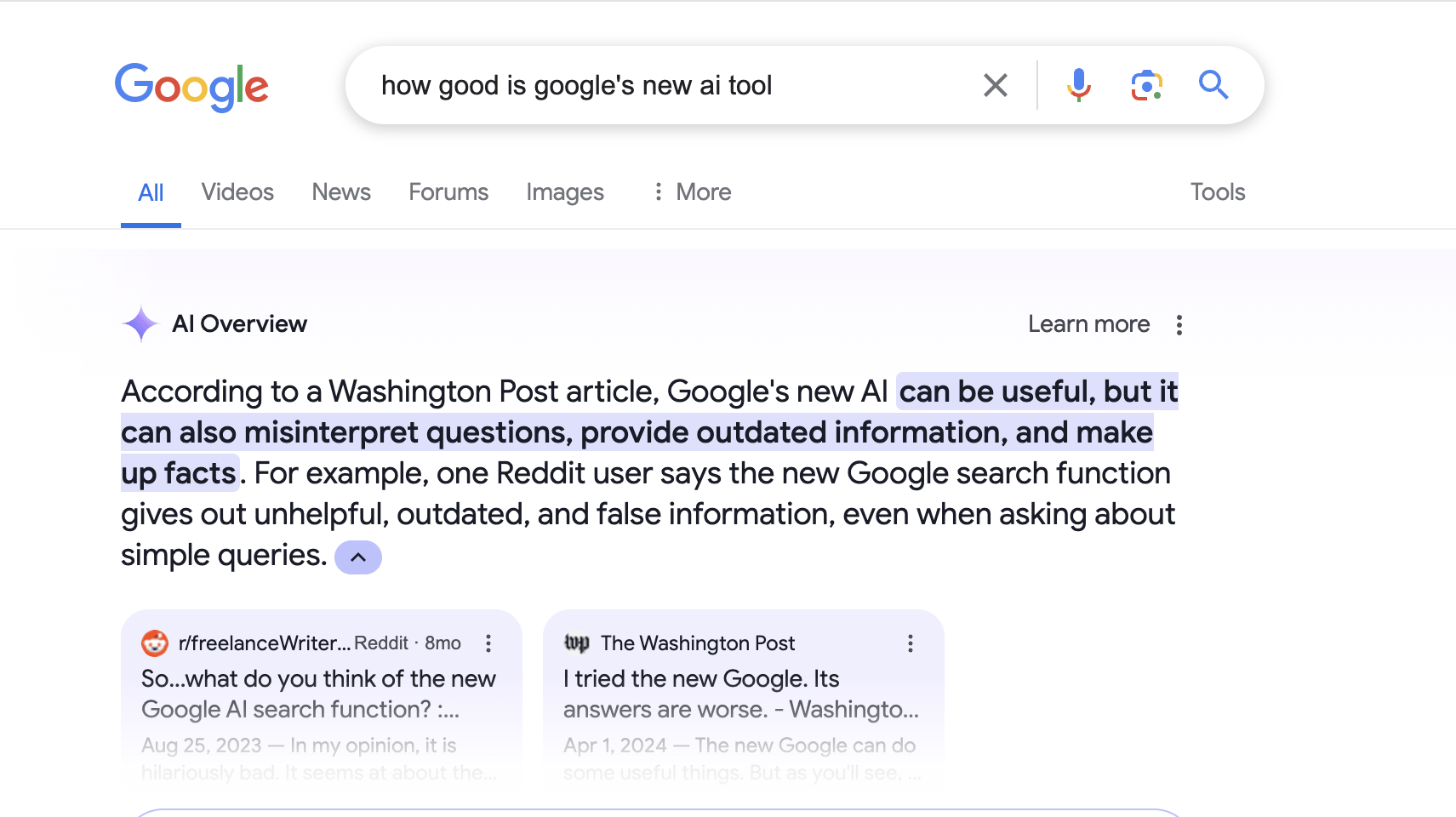
Here’s the strategic bit. We’re moving from a world where ranking was the goal to one where being referenced is the goal.
A page that ranks number one but never gets cited by AI answers is slowly becoming invisible. A page that ranks fifth but is repeatedly referenced in AI responses is suddenly everywhere.
This doesn’t mean SEO is dead. It means its center of gravity has moved.
Instead of asking ‘How many keywords can we cover?’, the better question is ‘Which specific questions can we answer unambiguously?’
Instead of ‘Is this comprehensive?’, ask ‘Is this quotable?’
And instead of measuring success purely in clicks, start paying attention to where your content shows up without a click at all.
That’s uncomfortable for a traffic-obsessed industry. But pretending it isn’t happening won’t help.
Wrap-up or TL;DR
AI systems don’t reward eloquence, length, or keyword density. They reward clarity, boundaries, and structure. Content that defines terms explicitly, uses lists and tables deliberately, and states constraints clearly is easier to extract, safer to cite, and more likely to appear in AI answers.
The good news is that this isn’t about gaming anything. It’s about writing better, tighter content. The kind that respects the reader’s time and the machine’s limitations.
The quiet winners of the next content cycle won’t be the loudest voices. They’ll be the clearest ones.
Want to get ahead? Try rewriting just one high-value SaaS post with extractability in mind and see where it starts showing up. You might be surprised how visible boring clarity can be.