

Why most ‘fresh content’ strategies quietly waste time, and what AI systems actually notice instead
Freshness has become one of those words we all nod at without really interrogating. Google wants fresh content. AI systems want up-to-date answers. SaaS founders want momentum. So the default response is obvious enough - publish more. New blogs. New landing pages. New ‘thought leadership’ that sounds suspiciously like last quarter’s thought leadership wearing a different jumper. The problem is that this reflex misunderstands what freshness actually means in machine-led discovery. It’s not about volume. It’s not even about recency in the human sense. Freshness, as far as AI systems are concerned, is about whether specific information surfaces are current, scoped, and safe to reuse. You can publish every week and still look stale. Or you can quietly update five critical sections and suddenly become the source that gets cited. The difference is not effort. It’s precision.
Publishing more is the laziest freshness strategy

Let’s start with the uncomfortable bit. Publishing more feels productive because it’s visible. There’s a calendar. There are checkmarks. There’s that mild dopamine hit when a post goes live. But in most B2B content programs, increased publishing frequency is doing very little to improve how machines perceive your site.
Why? Because AI systems are not scanning your blog archive and thinking ‘oh lovely, another article’. They’re looking for specific answers to specific questions. If the answer already exists on your site but hasn’t been updated, clarified, or constrained, publishing something new next to it does nothing. The old answer remains old. And worse, it remains risky to quote.
We’ve seen companies publish 40 posts a quarter while their most-cited pages quietly rot. Definitions drift out of date. Examples reference tools that no longer exist. ‘Updated for 2023’ sits there in 2025 like a milk carton with ambition. The site looks active. The surfaces that matter look neglected.
Publishing more also creates dilution. Multiple posts answering similar questions with slightly different framing introduce inconsistency. From a human reader’s point of view, that’s mildly annoying. From an AI system’s point of view, it’s a reason to go elsewhere. Machines prefer one clear answer over five vaguely overlapping ones.
Freshness, done properly, is less about adding and more about tending. Less about output and more about maintenance. Which is far less glamorous, and far more effective.
AI freshness is surface-level, not site-wide
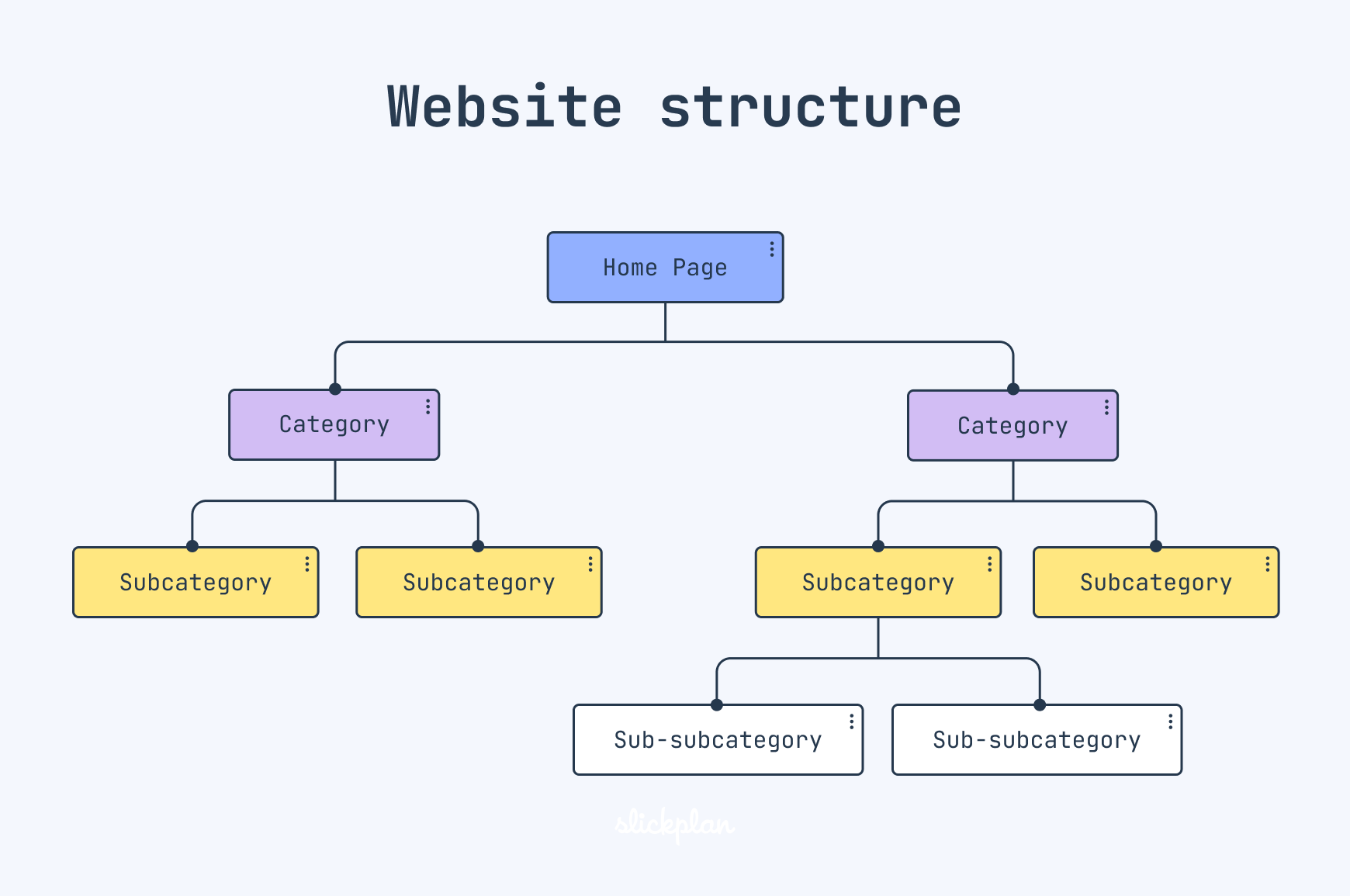
One of the biggest mental shifts teams need to make is understanding that AI systems don’t experience your site as a whole. They experience fragments. Sections. Paragraphs. Lists. Definitions. Each of these is a surface.
When an AI system evaluates freshness, it’s not asking ‘is this website active’. It’s asking ‘is this answer current enough to reuse’. That assessment happens at a much finer grain than most content strategies account for.
A ten-year-old article can still be cited if the specific section being quoted is accurate and well-scoped. A brand-new article can be ignored if its key claims are vague or unsupported. Freshness lives at the level of facts, not URLs.
This is why updating the right surfaces has outsized impact. If your ‘What is X’ definition is current, clearly bounded, and aligned with how the term is used today, it remains viable. If your pricing explanation reflects current models, it stays safe. If your comparison table reflects today’s alternatives, it remains useful.
AI systems are constantly balancing usefulness against risk. An outdated surface increases the risk of giving a wrong answer. So the system avoids it. Updating that surface reduces risk. Suddenly, you’re back in the pool.
Thinking in surfaces forces discipline. You stop asking ‘what should we publish next’ and start asking ‘which answers are we currently giving that are no longer true’.

The surfaces that actually matter most
Not all content surfaces are equal. Some get disproportionately reused by AI systems because they map cleanly to common user questions. These are the surfaces worth obsessing over.
First, definitions and explanations. ‘What is’, ‘how does’, ‘what’s the difference between’. These questions drive a huge amount of AI answer generation. If your definitions are fuzzy, outdated, or buried under storytelling, you lose.
Second, comparison and differentiation sections. ‘X vs Y’. ‘Alternatives to’. ‘Best tools for’. These surfaces age quickly as markets evolve. Updating them signals relevance far more than a new opinion piece ever will.
Third, pricing and packaging explanations. Even if you don’t list prices, the way you describe models, tiers, and trade-offs needs to reflect reality. AI systems are cautious here. If your pricing language feels stale, it’s skipped.
Fourth, process descriptions. How something works. Steps. Frameworks. These are often reused verbatim. They must be accurate and current at the step level, not just conceptually.
Finally, constraints and caveats. When something applies. When it doesn’t. These sections reduce risk and increase quotability. They’re also the first to go stale as markets mature.
If you do nothing else, regularly reviewing these surfaces will deliver more freshness value than doubling your publishing cadence.
Updating beats rewriting most of the time

There’s a persistent belief that freshness requires rewriting entire articles. In reality, targeted updates are usually enough. And often better.
AI systems don’t care if your intro paragraph has been refreshed. They care if the factual core of the answer is current. That might be a single sentence. A list item. A table row. Updating those elements changes the risk profile of the content.
We often update pages by doing three things only. Tightening definitions. Refreshing examples. Adding or revising constraints. No wholesale rewrite. No dramatic restructure. Just surgical clarity.
This has a few advantages. It preserves existing authority signals. It avoids fragmenting similar content across multiple URLs. And it trains teams to think in terms of answer quality rather than word count.
There’s also a psychological benefit. Updating feels less like ‘starting over’ and more like improving something that already works. Teams are more likely to do it consistently.
The key is tracking what needs updating. Not via a vague ‘we should refresh old posts’ initiative, but via a clear list of high-impact surfaces and the facts they contain.
Freshness is not a creative exercise. It’s an editorial one.
Freshness signals are often invisible to humans
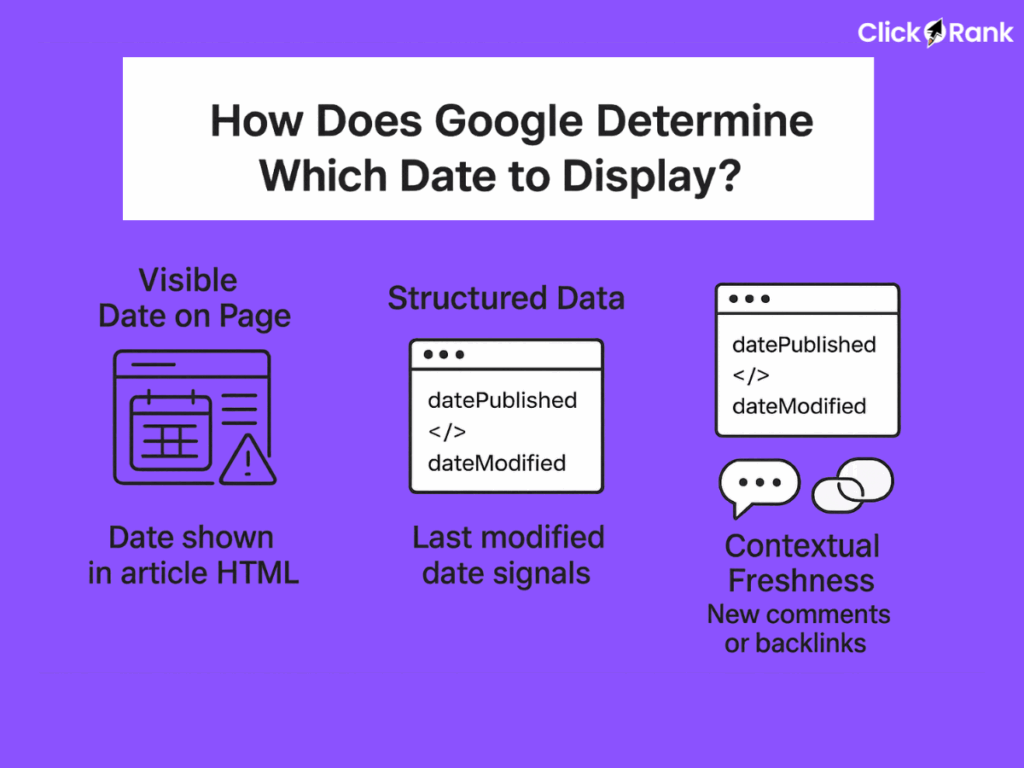
Another misconception is that freshness must be obvious. New headlines. New dates. Big ‘updated’ banners. While these can help humans, AI systems often respond to quieter signals.
Updating schema. Adjusting internal links to point to revised explanations. Replacing outdated tool names with current ones. Aligning terminology with how a market now speaks about itself. These changes rarely draw applause, but they matter.
AI systems infer freshness partly through coherence. Does the language used match contemporary usage. Do examples reference current realities. Do linked pages reinforce the same understanding. Inconsistencies suggest age.
This is why superficial updates don’t always work. Changing a date without changing substance doesn’t reduce risk. Machines are better than we think at spotting that.
True freshness requires alignment. Between definitions and examples. Between pages. Between what you say in one place and what you say elsewhere.
It’s not glamorous work. It doesn’t look like growth. But it’s the difference between being quotable and being quietly ignored.
A simple surface-first freshness approach
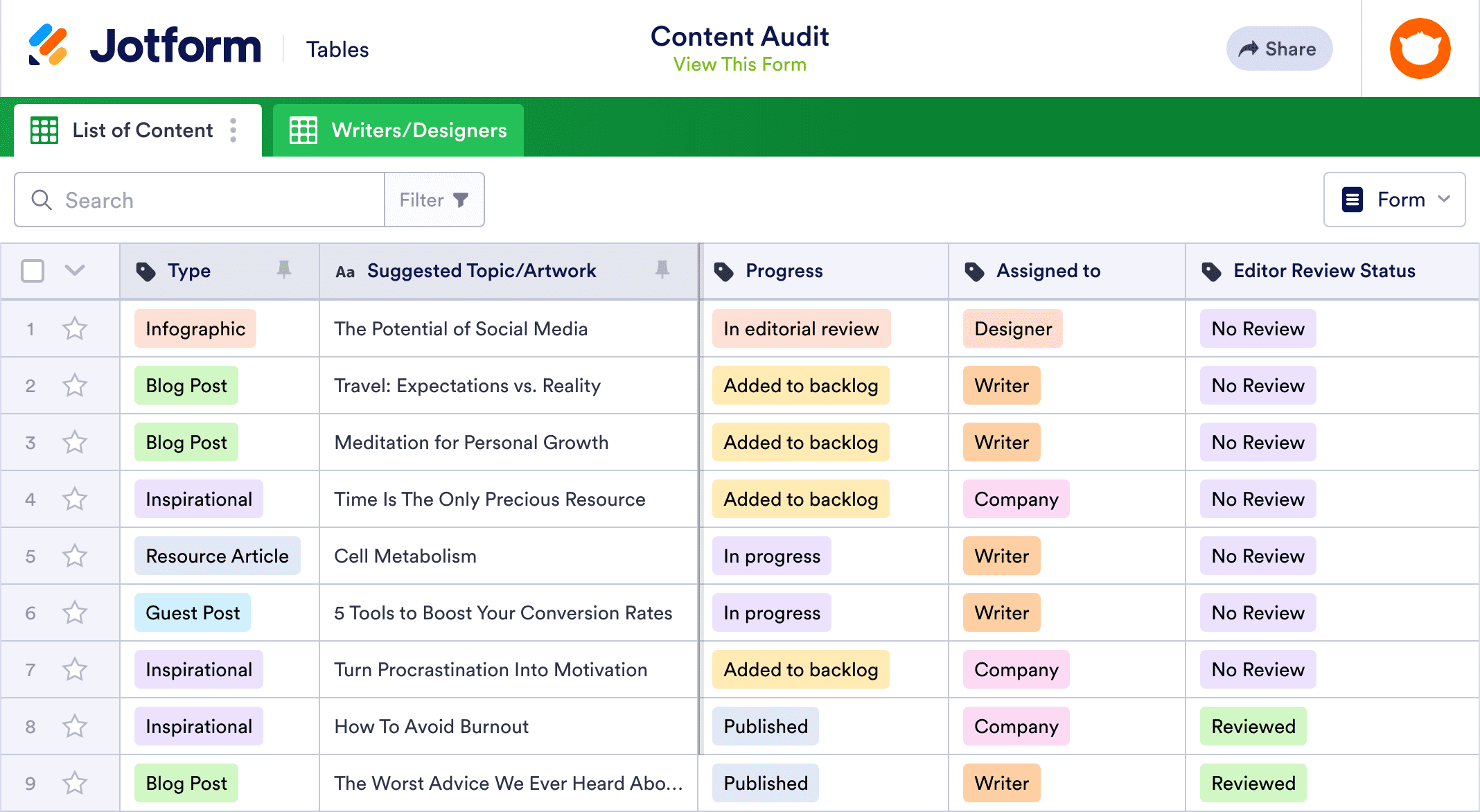
Here’s a lightweight way to operationalize all of this without turning it into a six-month initiative.
Start by listing your top 20 pages that answer common questions in your category. Not your most recent. Not your favorites. The ones that get linked to, referenced, or should be cited.
For each page, identify the key surfaces. Definitions. Lists. Tables. Comparisons. Pricing explanations. Process steps.
Then ask three questions of each surface. Is this still accurate. Is it still complete. Is it still safely reusable without heavy caveats.
You don’t need fancy tooling. A shared doc works. What matters is consistency.
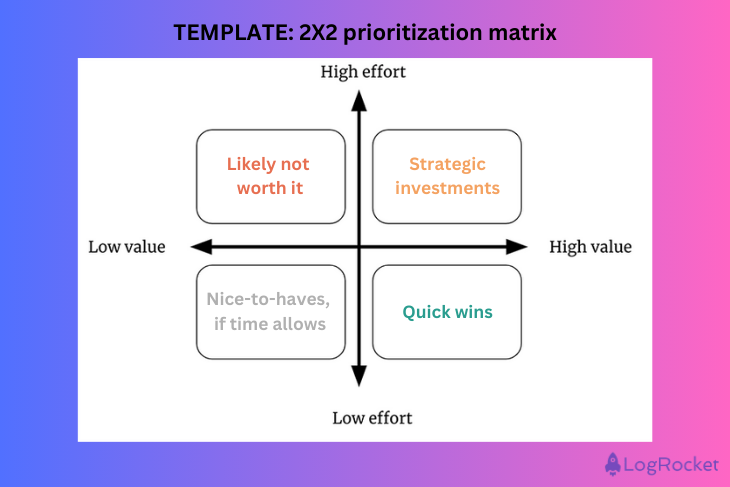
Prioritize updates based on reuse potential, not traffic. A low-traffic definition page might be far more valuable than a high-traffic opinion post.
Make updates visible where appropriate, but don’t fetishize dates. Focus on substance.
Do this quarterly and you will look fresher to AI systems than companies publishing weekly.
Freshness as a strategic advantage
The companies that win in AI-mediated discovery are not necessarily the loudest. They are the ones whose answers remain reliable over time.
Freshness, reframed as surface accuracy, becomes a defensible advantage. It’s hard to copy because it requires attention, not just output. It rewards teams who understand their domain deeply enough to know what has changed and what hasn’t.
It also aligns well with limited resources. Updating five critical surfaces is cheaper than producing ten new posts. And it compounds. Each update reduces risk. Each reduction in risk increases the chance of reuse.
Over time, your site becomes less of a blog and more of a reference. Less performative. More dependable.
And dependability is what machines optimize for.
Wrap-up or TL;DR
Freshness is not about how often you publish. It’s about whether the specific answers your site provides are still correct, scoped, and safe to reuse. AI systems evaluate freshness at the level of surfaces - definitions, lists, comparisons, and explanations - not at the level of blogs per month. Updating those surfaces quietly but consistently delivers far more value than chasing volume. The future of content visibility belongs to teams who treat their sites like living reference material, not content factories. Publish less. Maintain more. And watch what happens.
Want to get ahead? Try auditing your top 20 answer pages for outdated surfaces and fix just those. It’s a smaller move than you think, and a much smarter one.