

Alright, let’s be real for a moment. If you run a SaaS company-or help market one-you already know that attracting traffic is a tough gig. It’s not just about throwing up a landing page and hoping someone stumbles onto it. Nope. Not today, not in this world. It’s about optimization. And not just any optimization - on-page SEO. The kind that makes Google happy. The kind that makes your audience stick around and read. The kind that gets you leads, trials, sign-ups, or whatever metric gets you doing a victory lap around your office.
And, look, I get it..SEO has been called everything from “modern alchemy” to “black magic” by those who’ve just dipped their toes in. But here’s the deal: there’s a science to it, especially when it comes to on-page optimization for SaaS content. Forget the fluff. Forget the magic. Today, I’m taking you down the rabbit hole-showing you the real science of on-page SEO and how to optimize SaaS content to make sure it resonates with both search engines and people.
So, grab a cup of coffee (or tea, if that’s your thing) and settle in. I promise, by the time we’re through, you’ll have a clearer picture of how to make your SaaS content punch through the noise. Without the usual broad platitudes or basic checklists.
Understanding Intent
Let’s kick off with the most important thing: search intent. Google cares about giving people exactly what they want. If someone’s searching for “SaaS billing software comparison,” Google’s not going to surface an article titled “Why SaaS is the Future of Software” - no matter how well-written or optimized that article might be.
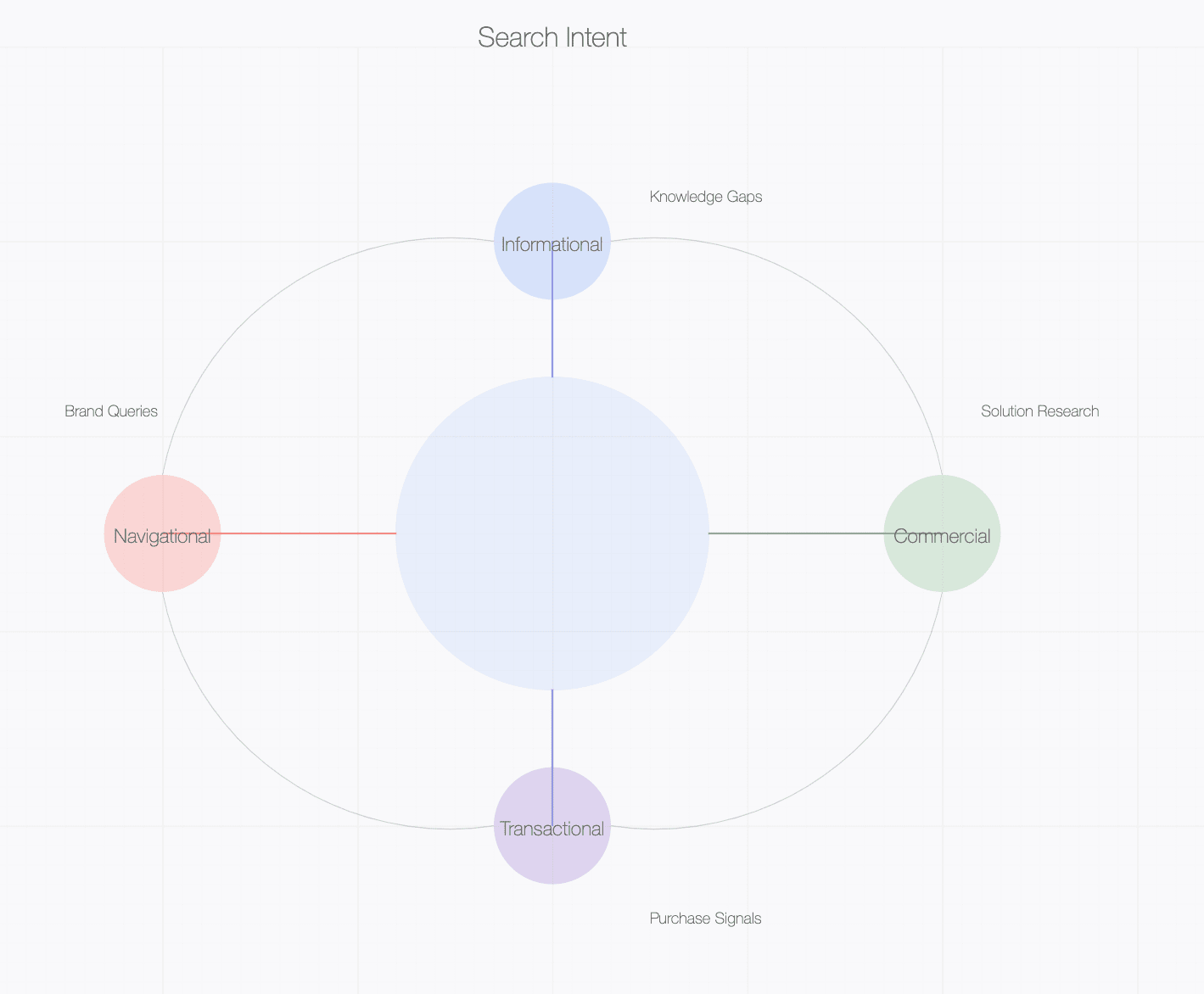
There’s a precise alignment you need to create between what your target audience is searching for and the content you’re providing. Think of your content like a needle and search intent as the thread. If your needle isn’t properly aligned, the thread’s never making it through. Take a good look at your keyword strategy. Are the terms you’re targeting matching the “questions” your audience is “asking” Google?
For SaaS, this means understanding the lifecycle stage your target customer is in. Are they in the awareness phase, trying to understand a problem? Are they evaluating solutions? Or are they almost ready to buy, comparing feature sets of different products? Let’s be pinpoint here: SaaS is a high-consideration purchase, with an average customer making 7–9 visits to your website before converting. Knowing exactly what their mindset is at each of those stages allows you to craft on-page content that hits those sweet spots—directly answering the questions they have at that moment.
There’s also a small but critical trick: Semantic Search. Google is not looking at just exact keywords anymore. It’s looking for context, synonyms, related topics—understanding the entire picture. So when you’re optimizing content, don’t keyword stuff. Instead, think about topics. What’s related? What are the phrases that naturally fall in line with your main keyword? If you’re writing about “cloud invoicing software,” including phrases like “digital payments,” “accounts automation,” or “finance team collaboration” gives your content richer depth and makes Google understand the context better.
Structuring Your Content
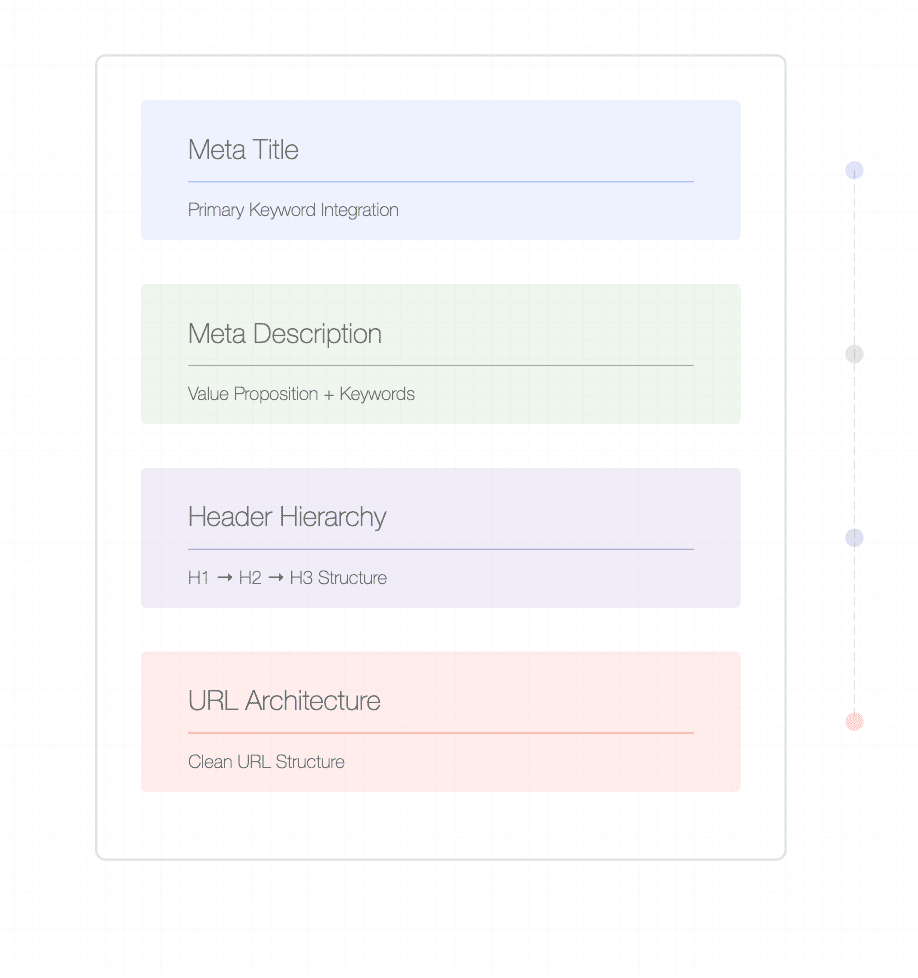
On-page SEO starts with structure. Imagine reading a SaaS landing page that’s nothing but walls of text. I’d wager you’re clicking that back button faster than a cat in a bathtub. The reason? It’s overwhelming. The way you structure your content is key, both for Google’s algorithms and for your readers’ sanity.
Headers Are Your Best Friend
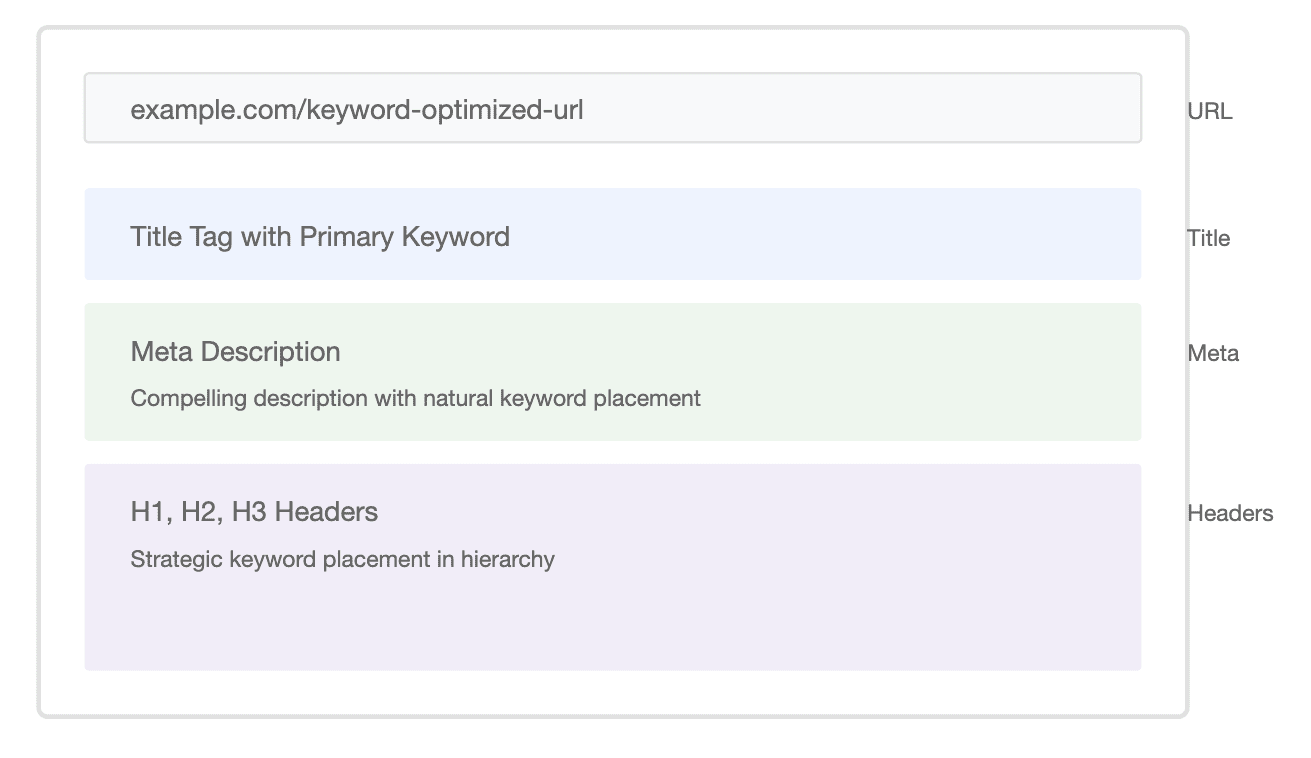
First off, let’s talk about headers. Google uses them to understand the hierarchy of your content. And for the human beings visiting your page, headers break things up. Nobody’s looking for an essay; they’re looking for a solution—fast. Break your content into digestible sections using H1, H2, and H3 tags appropriately. Your H1 should reflect the page's main goal (which, ideally, matches a primary keyword), while your H2 and H3 should build the story in a logical flow.
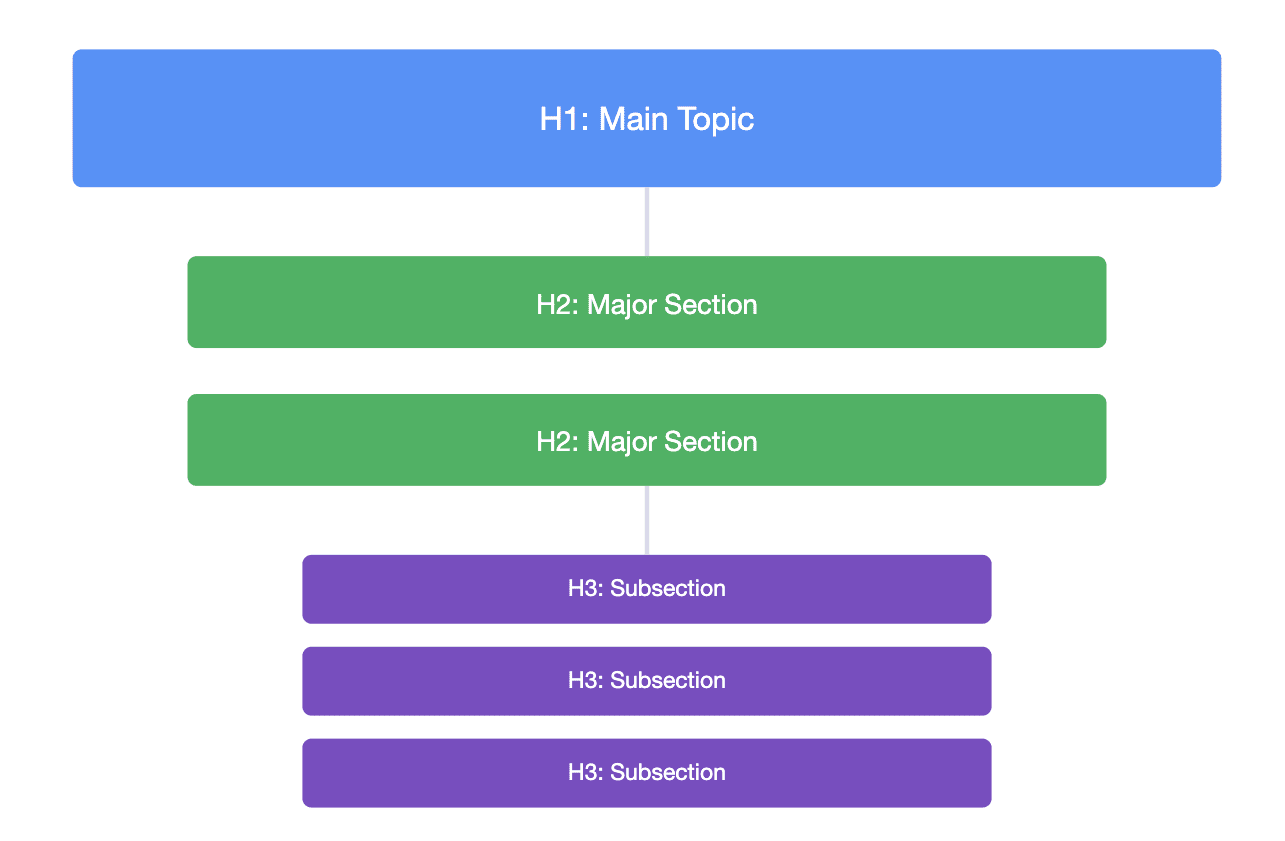
Let’s say you’re writing a landing page for a SaaS solution that handles automated team workflows. Your H1 might be:
"Effortless Team Collaboration with Automated Workflow Tools"
An H2 under that might read:
"Save Hours Every Week with Customizable Workflow Automations"
An H3 under that could break down the benefits:
"Automate Project Management Without the Hassle"
This hierarchy does two things: helps Google easily crawl and make sense of your content, and makes it easy for humans to scan and find exactly what they want.
The Hook
There’s an old journalism trick called “Don’t bury the lead.” The best SaaS pages lead with the hook. Make it crystal clear, right from the start, why someone should keep reading. SEO-wise, Google loves it when users stick around—dwell time matters. So give them a reason to. Does your software save hours of manual data entry each week? Say it upfront. Does it make multi-platform integrations seamless? Boom—lead with that.
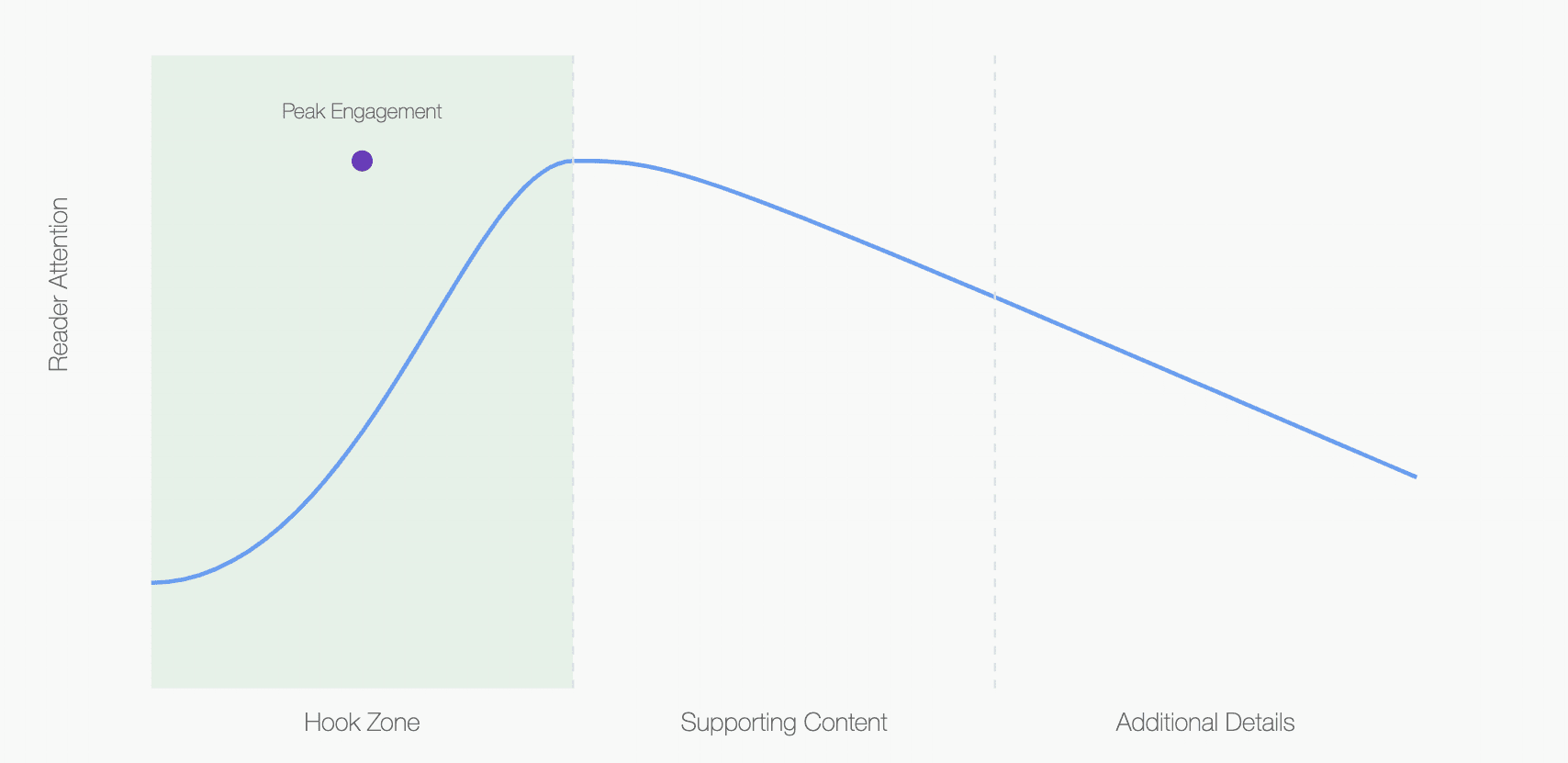
For instance, say you have a SaaS that helps companies analyze customer churn. The first sentence they see should speak to their pain—something like, “Stop losing customers you’ve fought hard to win—predict churn before it’s too late.” This tells both Google and your readers what’s in it for them—loud and clear.
Content Depth
When it comes to content length, you’ve probably heard it a thousand times: long-form is king. And there’s some truth there—for most SaaS content, longer posts can help establish authority and rank well. According to Backlinko, the average word count of a Google first-page result is 1,447 words. But here’s the catch: quality trumps length, every single time.
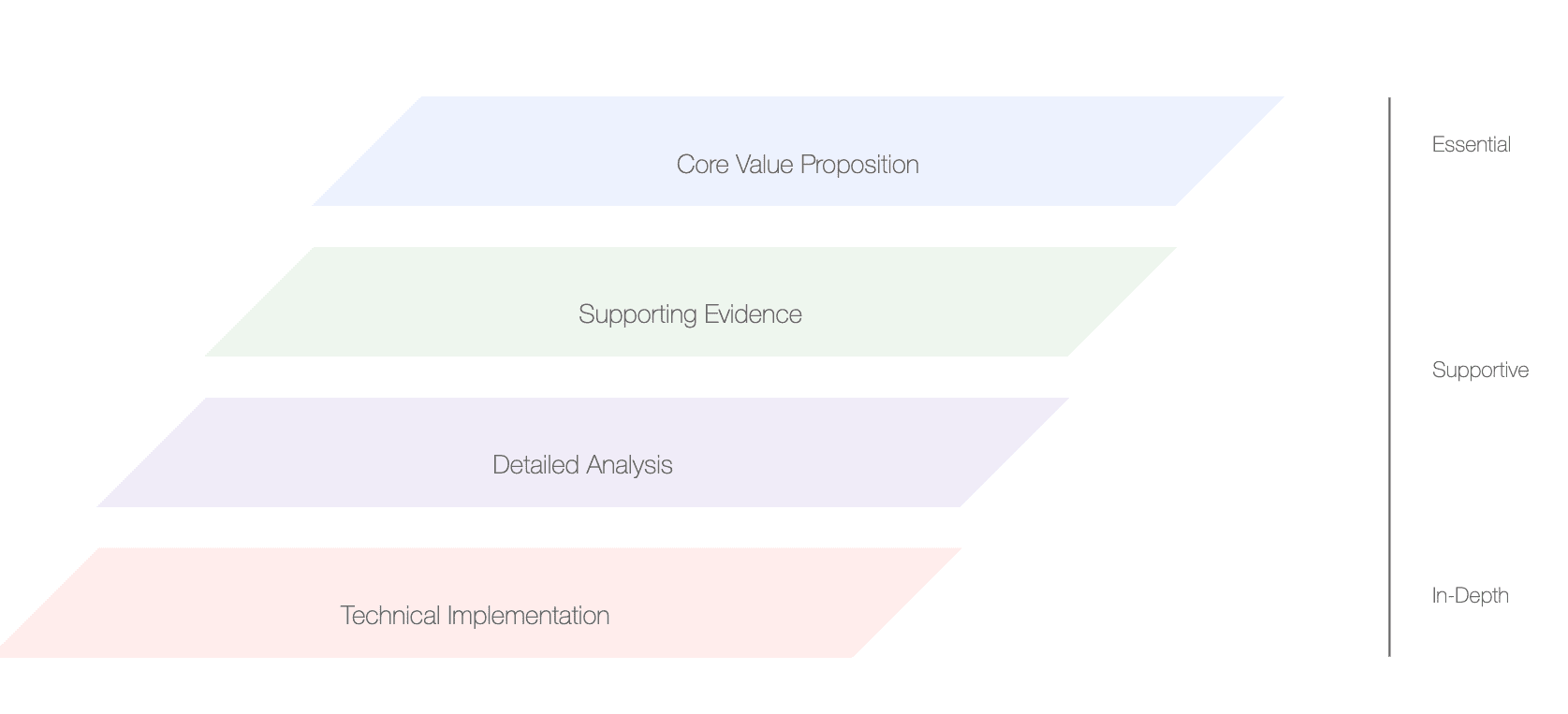
Instead of worrying about hitting a certain number of words, ask yourself: Does this answer the question thoroughly? Is there enough depth here for a CTO researching software options or a marketer who needs detailed use-case explanations? For SaaS content, don’t just explain what your product does—explain why it matters. Talk about the underlying problem, show data, back it up with case studies, add testimonials, and quote experts.
And while it’s tempting to create lengthy blocks of text, avoid it. Whitespace is your friend. Break paragraphs up. Add bullet points, tables, and lists. Add visual examples or diagrams if they help. SaaS buying decisions are often complex—don’t make the content harder to consume than it needs to be.
Keyword Placement
There’s a delicate balance with keywords. You need them, but not too much, and definitely not in places that make your content read like a bot wrote it. Here’s how to do it naturally:
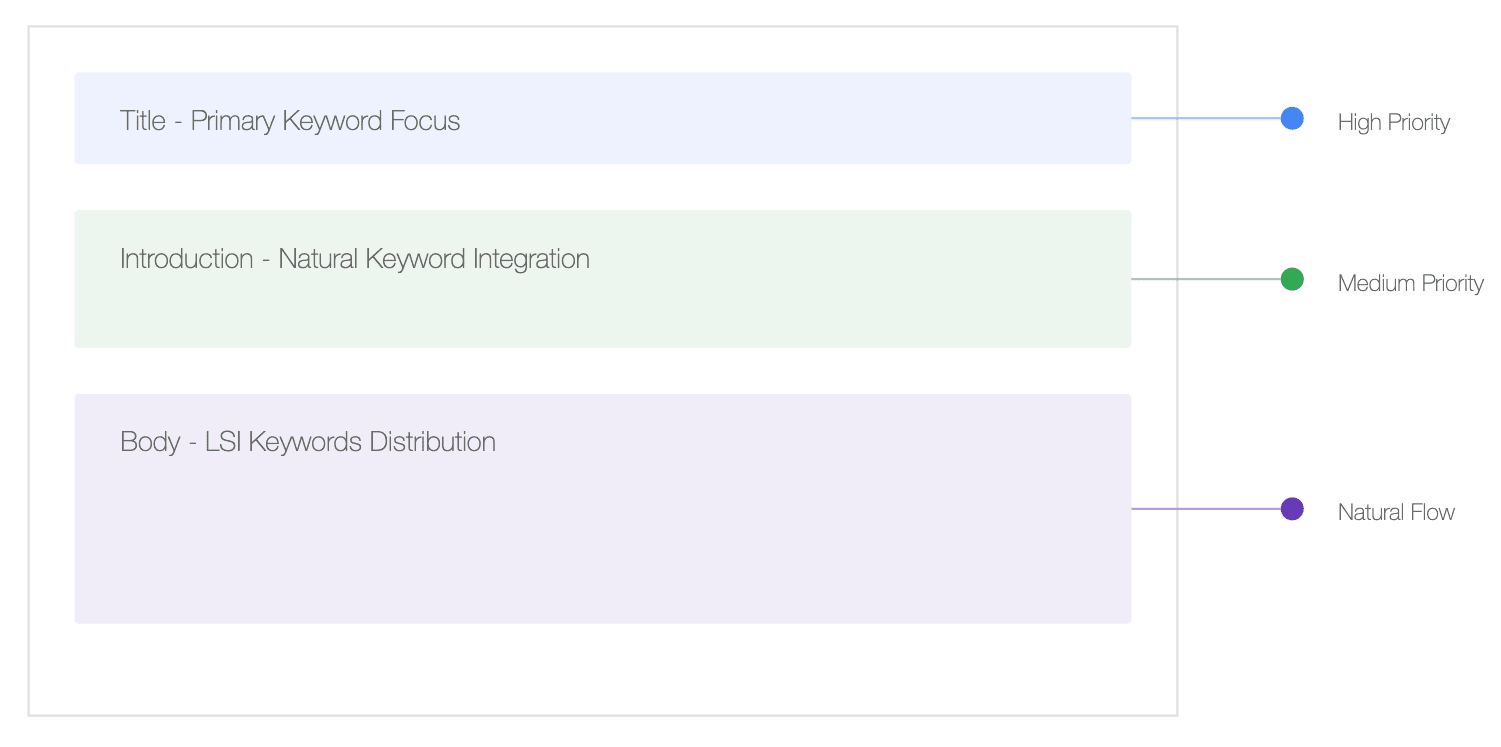
- Title Tags and Meta Descriptions: Include your primary keyword but make it enticing. Meta descriptions should appeal to the reader’s emotions or curiosity while addressing what the content is about. Something like: “Learn how [SaaS tool name] helps reduce churn by 25% with predictive analytics”—clear, direct, and including key phrases naturally.
- Body Content: Your keyword density doesn’t need to be precise. Google has grown far more sophisticated with natural language processing (thanks, BERT). What you need is to use keywords in places where it makes sense—in headers, the introduction, and conclusion. It’s also crucial to include LSI (Latent Semantic Indexing) keywords—these are related terms that help Google understand the topic contextually.
- URL Structure: It’s one of those overlooked things. Keep it short, keyword-rich, and descriptive. Instead of example.com/fix-issues-workflows2024 try example.com/automate-workflows. Clean, simple, to the point—search engines and humans both appreciate that.
Optimizing for Featured Snippets
Here’s the lowdown: featured snippets are the prime real estate you want for your SaaS content. These are those answer boxes at the top of the SERPs that show a quick response to a user’s query. And SaaS content—because of the solutions-oriented nature—is prime for snippets.
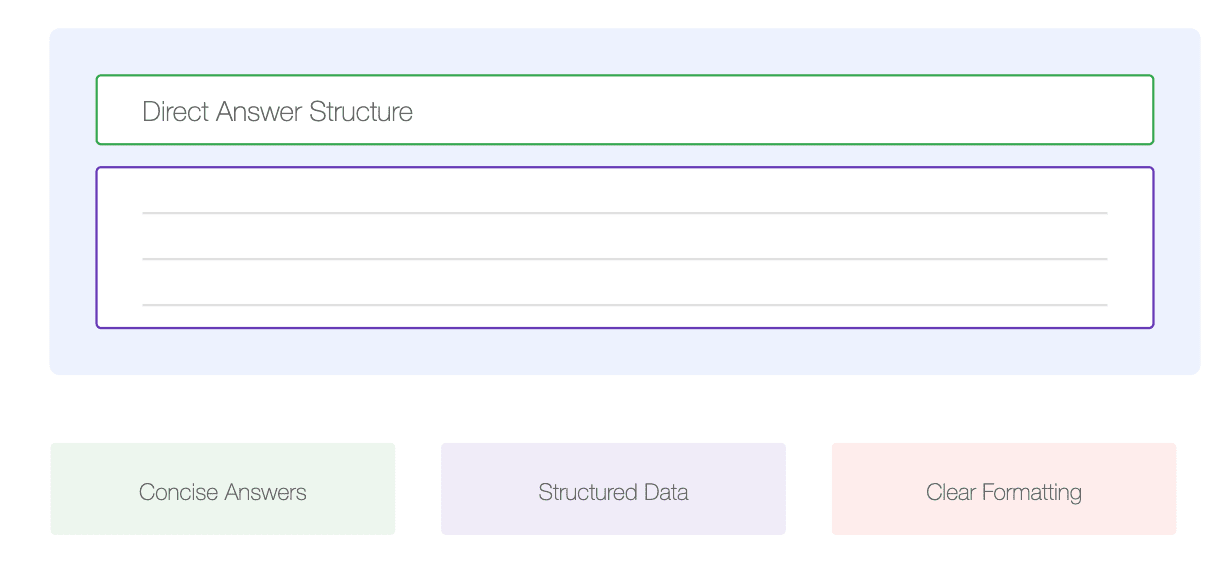
To optimize your content for snippets:
- Use Lists and Tables: If your content contains steps or comparisons, format them clearly. Snippets often pull from well-structured lists or tables, so don’t shy away from using them.
- Concise Answers: Answer questions in the first 100 words whenever possible. If someone searches “What are the benefits of automated workflows?” a concise response at the start of your content makes it easier for Google to pull as a snippet.
Internal Linking
We talk so much about backlinks, but let’s not forget internal linking. For SaaS websites, this is a powerful tool to keep users engaged and to help search engines navigate your site structure. Don’t make random internal links—be strategic. Link to related feature pages, case studies, or deep-dive blog posts. If a reader wants more detail on something, give them an easy way to find it.
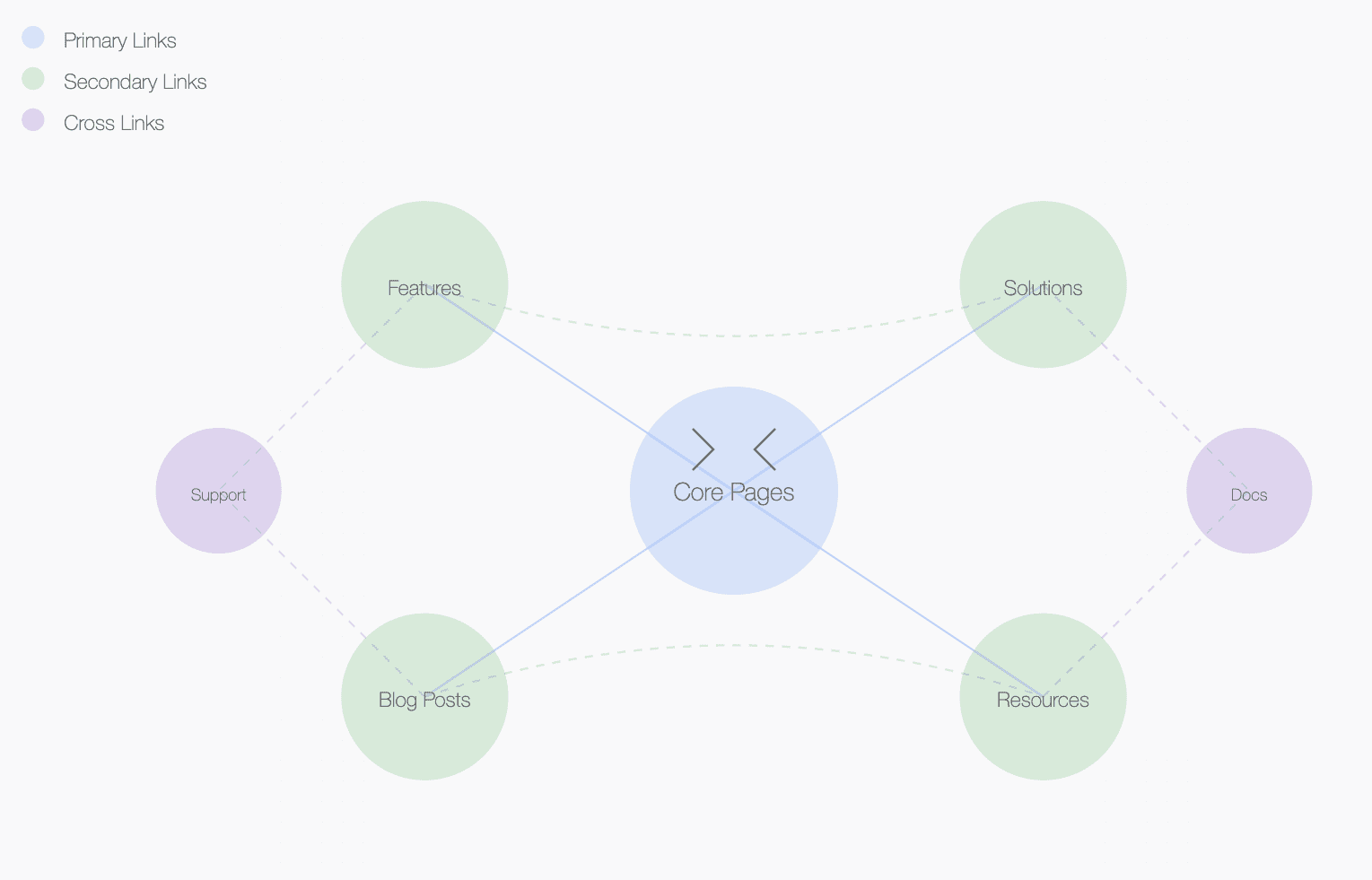
Pro tip: anchor texts should be descriptive and direct. Instead of “Click here,” say “Learn more about automated team workflows”—this helps Google and users alike understand what the next page is about.
UX Signals
Google pays attention to user experience signals—and that’s not just bounce rate. It’s how fast your page loads, how easy it is to navigate, how engaging the content is. SaaS content needs to deliver on both utility and usability.
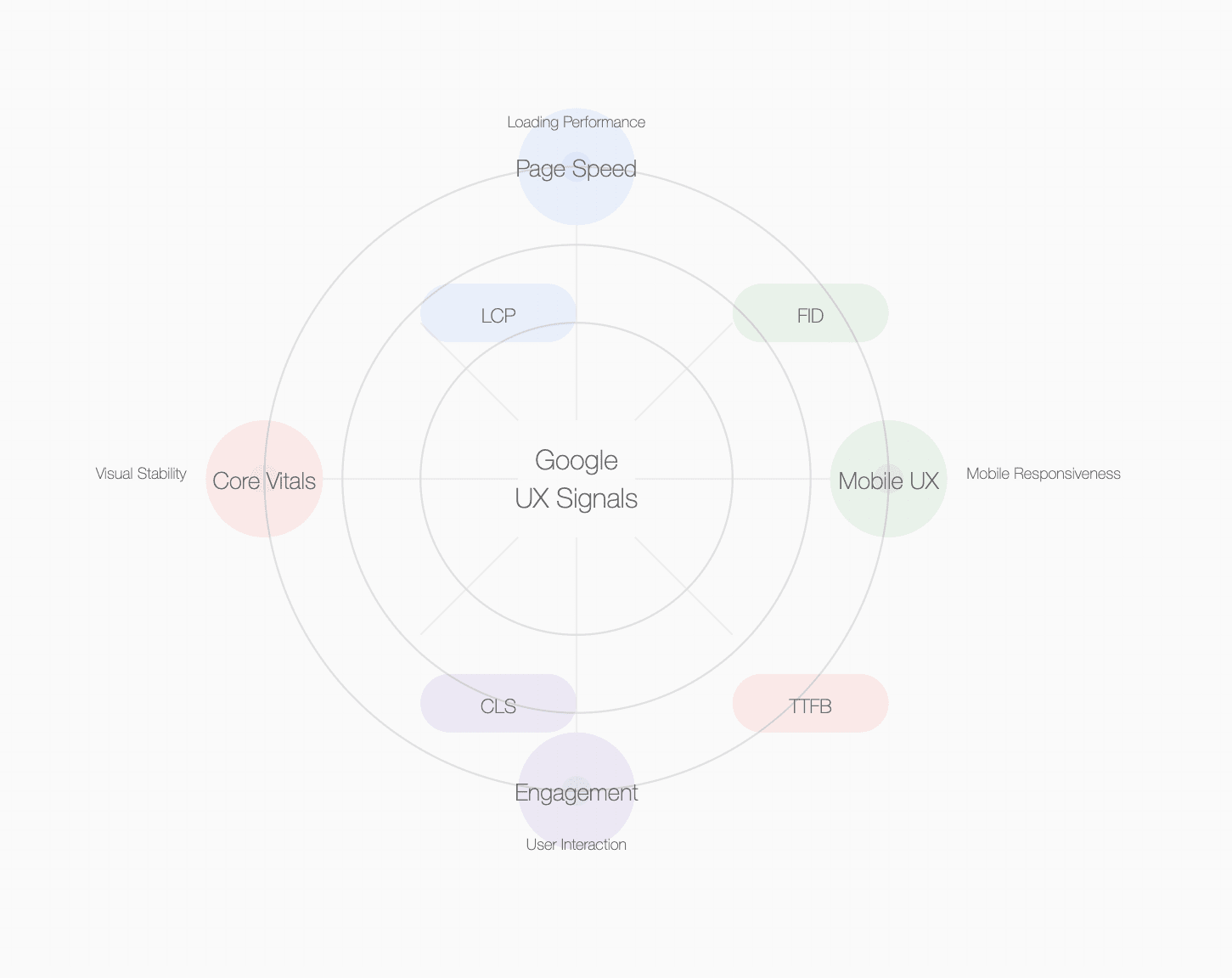
Page Speed: This is non-negotiable. 53% of mobile users will leave a page if it takes more than three seconds to load (Google). For SaaS, which often has global traffic, slow load times could be a silent killer. Compress images, minimize scripts, and leverage content delivery networks (CDNs) to ensure speed.
Responsive Design: It should go without saying—everything needs to be mobile-friendly. Your SaaS content should render perfectly on desktop, tablet, and mobile devices. Considering how many decision-makers consume content on their phone while commuting, mobile optimization is no longer optional; it’s essential.
Content Refresh
SaaS evolves fast—and so should your content. An article or a landing page that ranked number one two years ago may be outdated today. Google loves fresh content—because it’s new, and because it’s relevant.
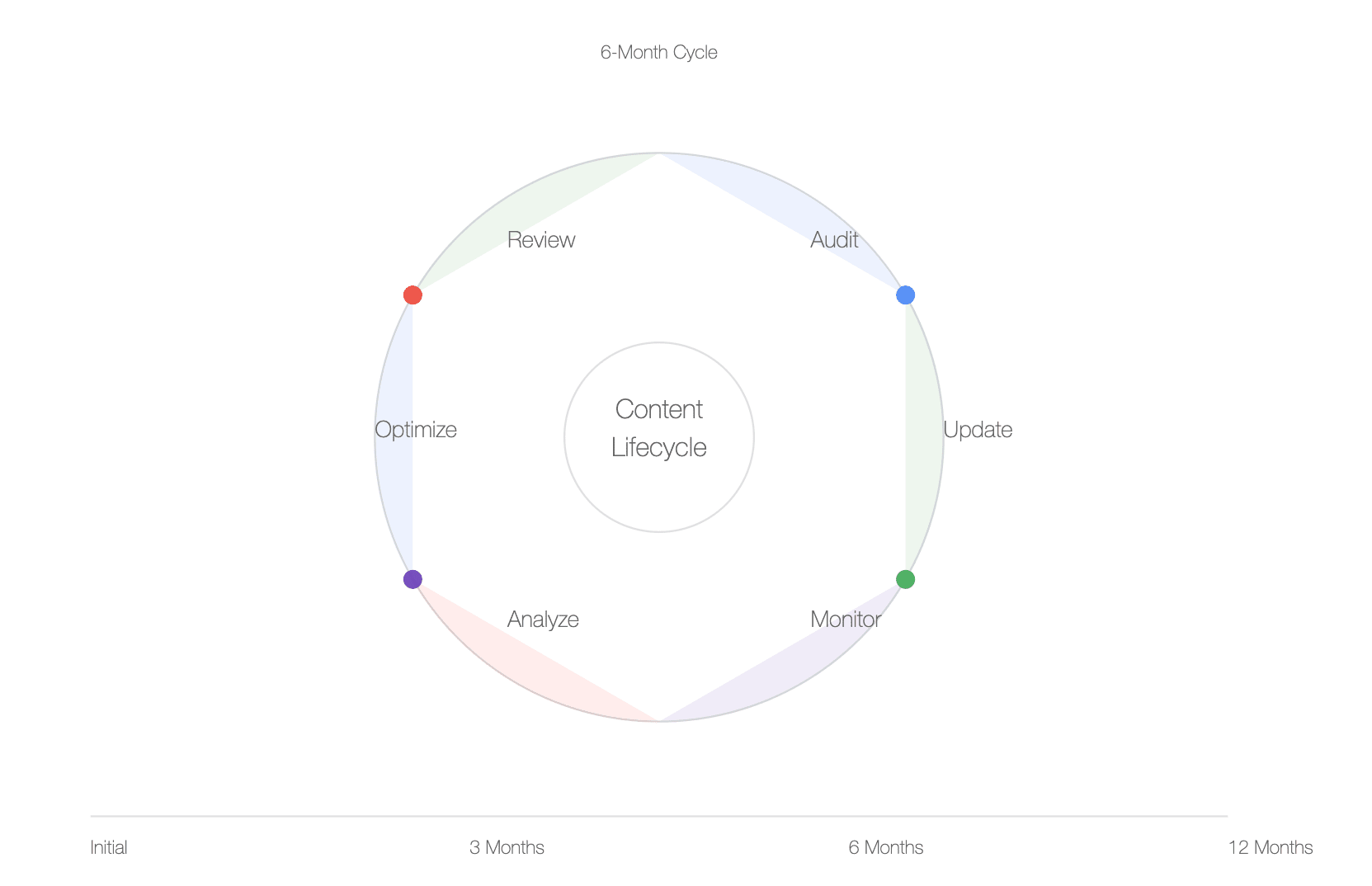
For SaaS companies, schedule content audits every 6-12 months. Update stats, refresh examples, add new screenshots or customer testimonials. If a competitor has outdone your article, figure out what they did better and improve upon it. Keeping content fresh is the difference between a blog post that drives traffic and one that gets buried.
Data-Driven Optimization
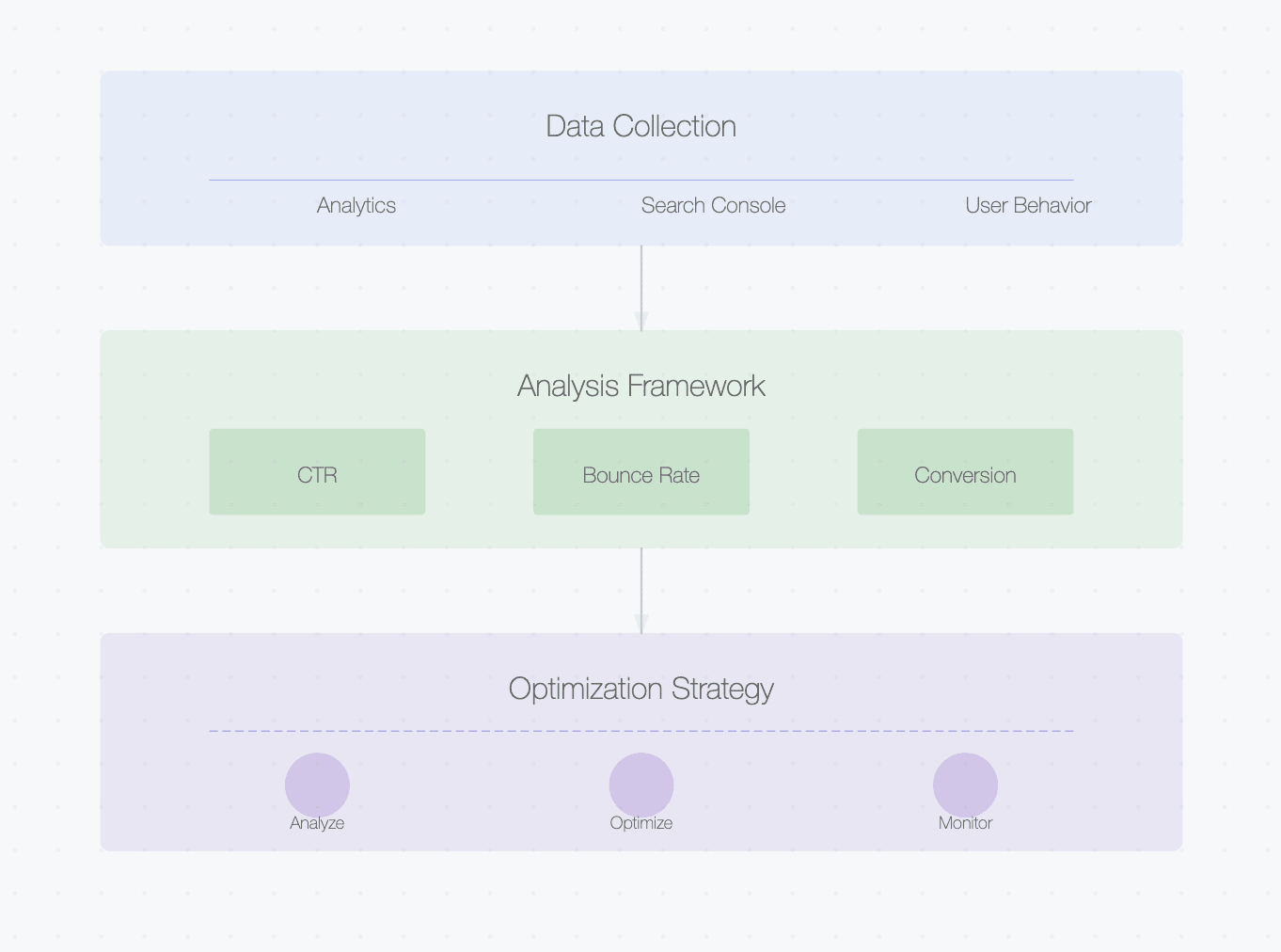
Here’s the deal: SEO without analysis is like flying blind. You need to constantly evaluate and improve your on-page efforts. For SaaS, this means digging into tools like Google Search Console, Ahrefs, or SEMrush.
Pay close attention to:
- Click-Through Rate (CTR): If you rank well but no one’s clicking, your titles or meta descriptions need work. A/B test different variations—make them punchier, add curiosity, or focus more on the value.
- Bounce Rate and Time on Page: These metrics help determine if the content resonates. For SaaS companies, if people are bouncing, it often means they didn’t find what they expected or it wasn’t explained clearly enough. Dive deep, read comments, gather feedback, and adjust.
Bring it All Together
On-page SEO for SaaS isn’t a paint-by-numbers operation—it’s nuanced, evolving, and deeply rooted in the unique needs of your customer base. It’s about understanding intent, structuring content that both humans and Google love, and constantly iterating based on real data. It’s the science of being discovered and trusted.
The good news? You don’t have to be a wizard to get this right—just methodical and adaptable. If you take the time to craft content that speaks directly to your target audience’s needs, optimize it for search engines with intelligence, and maintain a high bar for quality, you’ll be far ahead of the game. SaaS may be complex, but the beauty of on-page SEO is that it’s all about simplifying that complexity for your users.
And hey, if you want someone to do the heavy lifting, that’s exactly what we do here at DataDab. You focus on building that great SaaS product—and leave the on-page SEO science to us.
FAQ
1. How do I align my SaaS content with user search intent?
Understand the specific questions your audience is asking at each stage of their journey—awareness, consideration, or decision. Tailor your content to match these stages with precise keywords and context that address their needs.
2. What is the best way to use headers for on-page SEO?
Use H1 for the main focus of the page, which should include the primary keyword. Structure content under H2 and H3 tags to create logical sections that allow easy navigation for both Google and human readers.
3. Why does content depth matter for SaaS SEO?
For high-consideration purchases like SaaS, readers want detailed answers that help them make informed decisions. Providing in-depth content with expert quotes, data, and case studies builds trust and can improve rankings.
4. How should I use keywords naturally in SaaS content?
Include keywords where they make the most sense—such as in titles, introductions, and subheadings. Make sure to use related terms (LSI keywords) to provide context, avoiding keyword stuffing which could harm readability and SEO.
5. How can I increase my chances of getting featured snippets?
Format content with clear lists, tables, or direct question-and-answer sections. Ensure that the answers are concise and provided early in the content to increase your chance of being picked for a featured snippet.
6. How does internal linking benefit my SaaS website?
Internal linking keeps users engaged by directing them to related content, which improves user experience and reduces bounce rates. It also helps search engines understand the context and relationships between pages.
7. Why are UX signals important for on-page SEO?
Google uses UX signals like page load speed, bounce rate, and dwell time to determine content quality. Ensuring a fast, mobile-friendly, and easy-to-navigate site helps increase rankings and keep users on your pages.
8. How often should SaaS content be refreshed for SEO?
Content audits should be conducted every 6-12 months to update information and maintain relevance. Fresh content is more likely to rank well, as Google prioritizes articles that remain current and useful.
9. What should I do if my content ranks but gets a low CTR?
Analyze the title tags and meta descriptions. Adjust them to be more enticing, adding curiosity or addressing direct benefits to encourage users to click on your page from the SERPs.
10. How can I use data to optimize my on-page SEO?
Use tools like Google Search Console to monitor metrics like click-through rate (CTR) and bounce rate. Evaluate these metrics regularly to identify what’s working and make improvements to underperforming content.