

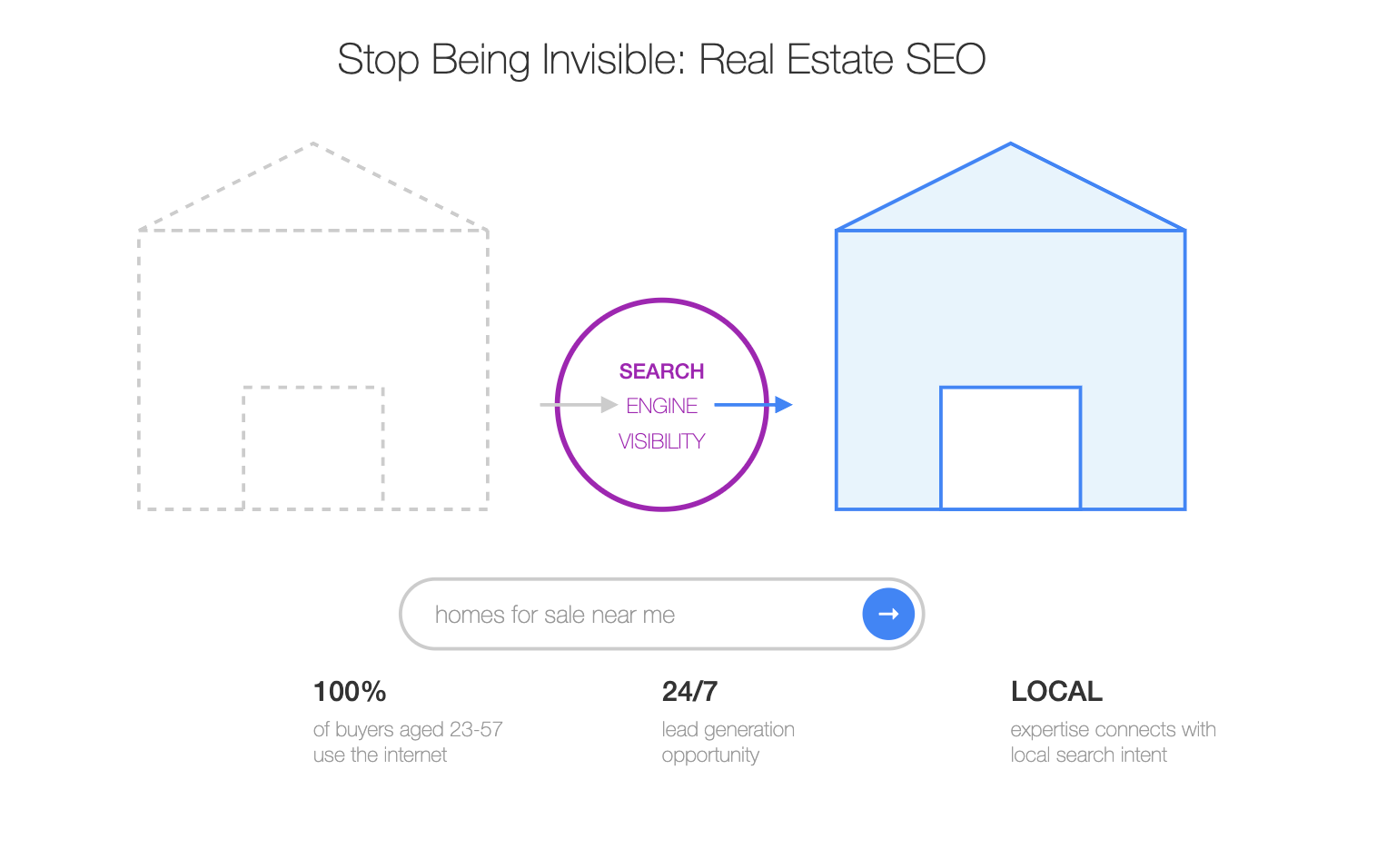
Is your real estate website working for you, or is it just… there? An expensive digital business card floating in the vast ocean of the internet? Maybe you get a trickle of traffic, perhaps a random lead now and then. But is it the lead-generating powerhouse it could be? Probably not.
The game has changed. Gone are the days when a yard sign, a newspaper ad, and a Rolodex were enough. Today, your potential clients – buyers and sellers alike – live online. They start their journey by typing queries into a search bar, not by driving around neighborhoods aimlessly. “Homes for sale near me.” “Best realtor in [Your City].” “[Neighborhood Name] property values.” If you're not showing up prominently when they search, you might as well be invisible. Zillow, Redfin, and the big portals? They understand this. They spend millions ensuring they dominate those search results. But here's the secret they don't want you to focus on: you can carve out your own space. You can compete. You just need the right strategy. That strategy is Search Engine Optimization, or SEO, tailored specifically for the unique landscape of real estate.

This isn't about tech jargon or magic tricks. It's about fundamentally understanding how potential clients search for properties and agents online, and strategically positioning your digital presence to meet them exactly where they are. It's about transforming your website from a passive brochure into an active, 24/7 lead generation machine. Forget hoping for referrals; start attracting business directly. Ready to stop being invisible? Let's dive in.
Why Search Matters More Than Ever in Real Estate
Think about the last time you needed information. A restaurant recommendation? A plumber? Symptoms you were worried about? Chances are, you pulled out your phone or sat down at your computer and asked Google (or Bing, or DuckDuckGo). Your potential real estate clients are no different. The National Association of Realtors (NAR) consistently reports that the vast majority of homebuyers use the internet as a primary tool in their search process. In their 2023 Profile of Home Buyers and Sellers, NAR found that 100% of buyers aged 23 to 57 used the internet during their home search, and even among older buyers (77+), the figure was a staggering 91%. The first step for nearly everyone is online search.

This digital shift isn't just a trend; it's the established norm. People expect to find comprehensive property details, high-quality photos, virtual tours, neighborhood information, and agent profiles online. They comparison shop, research market trends, and shortlist potential agents long before they pick up the phone or attend an open house. If your website isn't optimized to appear in these searches, you're missing out on the most critical stage of the customer journey. You're essentially letting qualified leads walk right past your digital doorstep and straight to your competitors – or worse, directly to the big portals who then might sell those leads back to you or another agent.
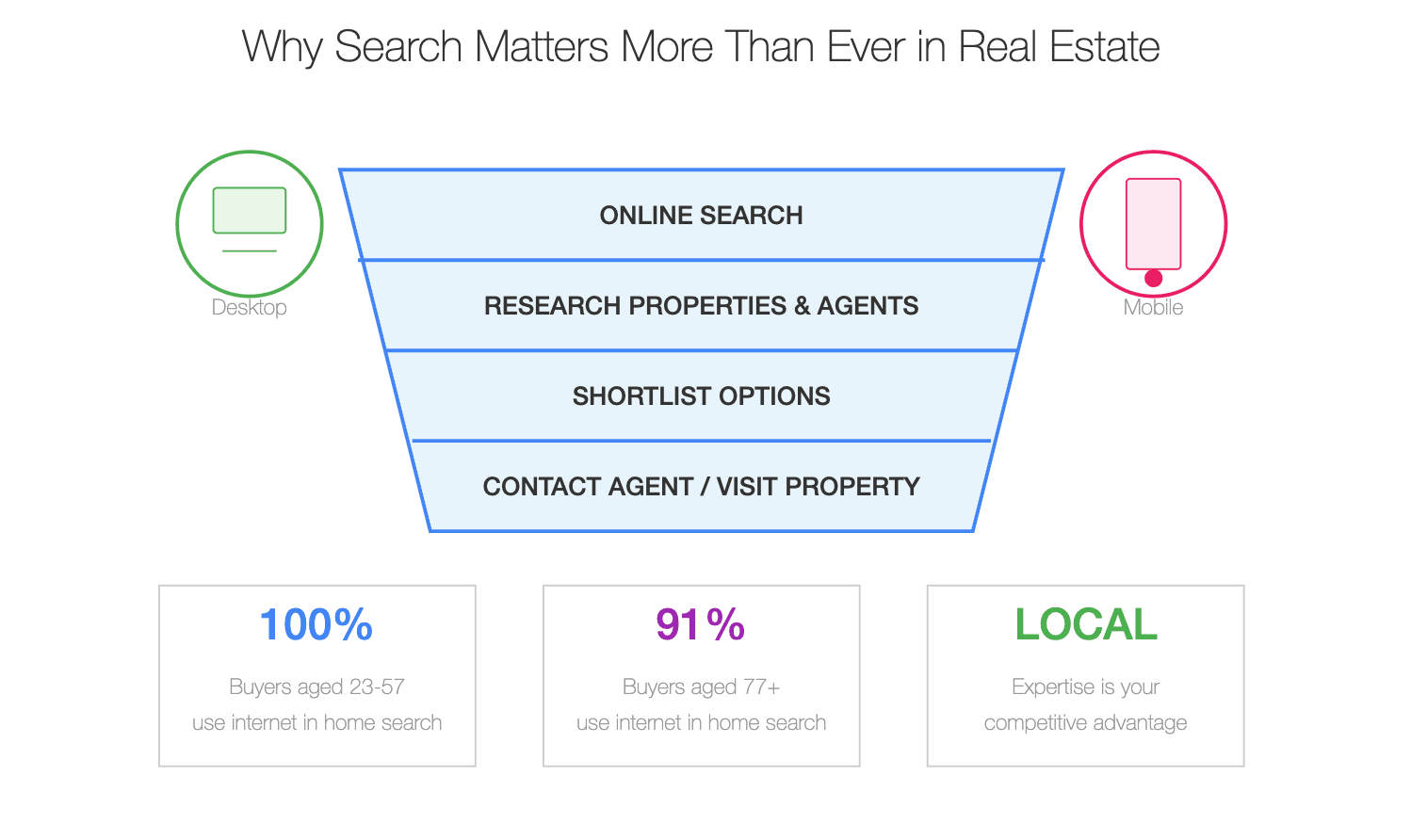
Furthermore, real estate is intensely local. While national portals have brand recognition, buyers and sellers are ultimately looking for expertise within a specific city, neighborhood, or even zip code. This is where targeted SEO shines. It allows you to focus your efforts on attracting clients searching for properties and services in your specific market. You're not trying to outspend Zillow nationally; you're aiming to be the most visible, authoritative resource for real estate in your town or region. Effective SEO connects your local expertise with local search intent, building trust and generating highly relevant leads that are far more likely to convert. It's about leveraging your ground-level knowledge in the digital sphere.
The Building Blocks: Core Components of Real Estate SEO
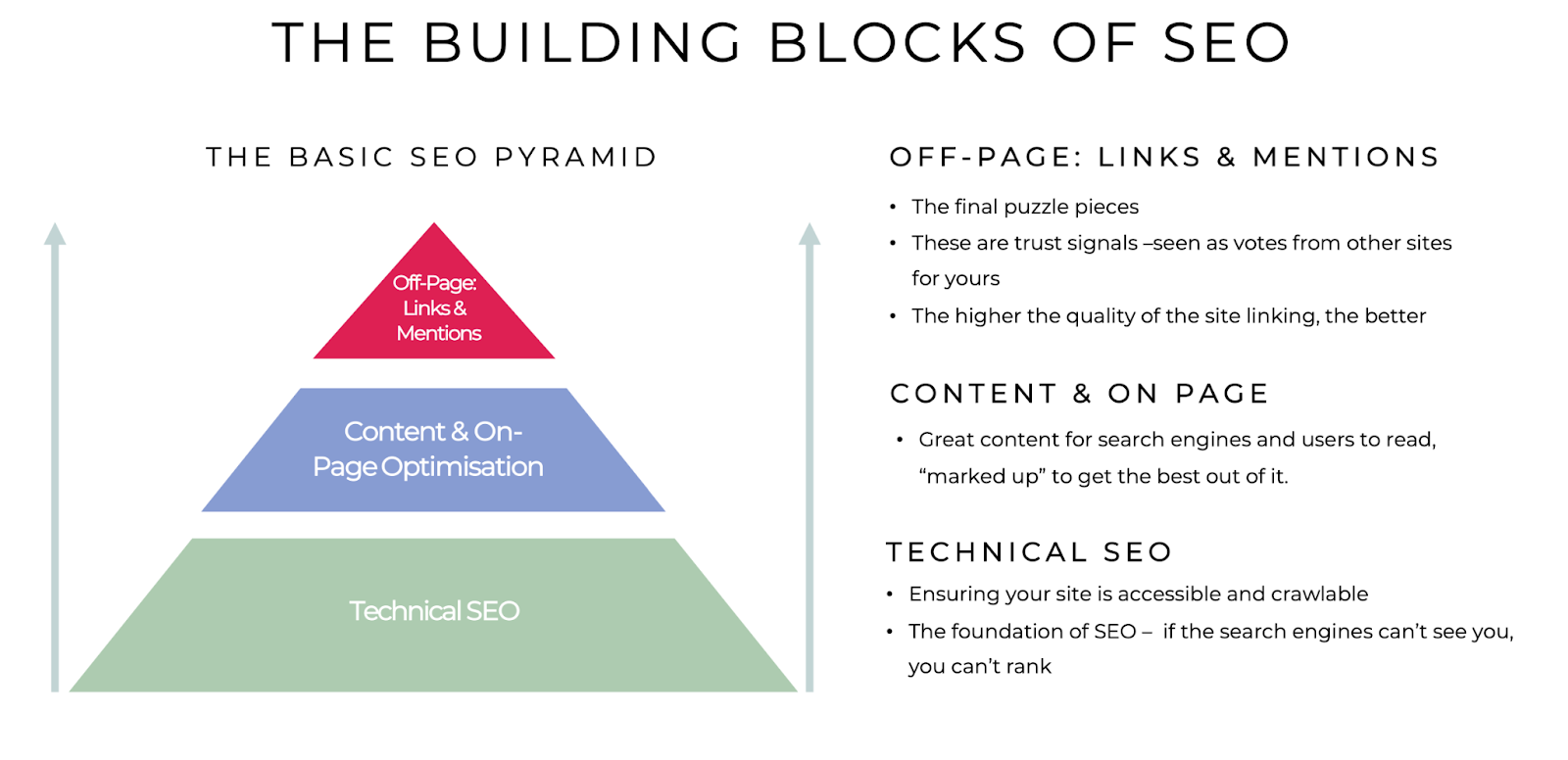
SEO isn't a single action but a combination of strategies working together. Think of it like building a house – you need a solid foundation, sturdy walls, and a functional interior. For real estate SEO, these core components are crucial:
1. Hyperlocal Keyword Research
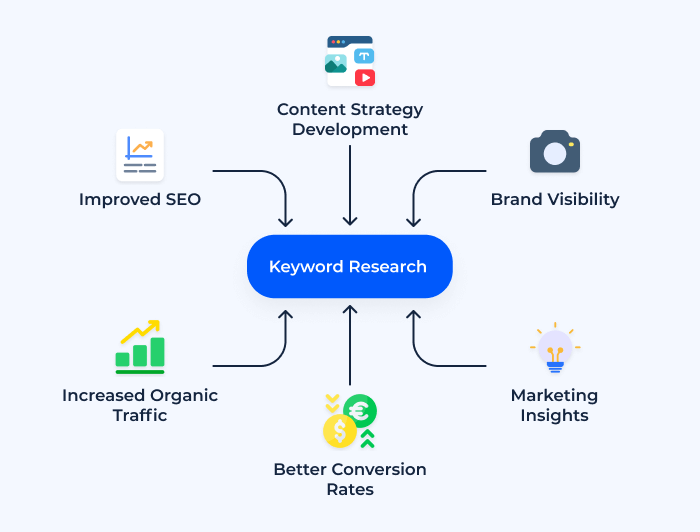
Keywords are the terms people type into search engines. For real estate, simply targeting “homes for sale” is too broad and fiercely competitive. Effective keyword research digs deeper. It’s about understanding the specific language your potential clients use. This means focusing on “long-tail” keywords and local modifiers.
Think beyond the obvious. Consider terms like:
- “Waterfront homes for sale [Your City]”
- “Condos downtown [Your City] under $500k”
- “Best school districts [Your County] real estate”
- “Historic homes [Specific Neighborhood Name]”
- “First-time home buyer programs [Your State]”
- “Selling my house fast [Your City]”
- “Commercial property listings [Industrial Park Name]”
Tools like Google Keyword Planner, Semrush, or Ahrefs can help identify these terms and gauge their search volume and competition. But critically, you need to combine this data with your own local market knowledge. What are the unique selling points of different neighborhoods? What jargon do locals use? What questions do clients always ask you? These insights fuel a keyword strategy that targets genuine, high-intent searches within your service area, attracting users who are actively looking for what you offer.
This research informs your entire content strategy. Knowing what people search for tells you what kind of pages and blog posts to create. Are people searching for information on specific subdivisions? Create detailed pages for those subdivisions. Are they looking for closing cost calculators? Build one or write a comprehensive guide. Match your content to the searcher's intent – whether they're just starting their research (informational intent) or ready to view properties (transactional intent).
2. Strategic On-Page Optimization
Once you know your target keywords, you need to integrate them naturally into your website's content and structure. This is on-page SEO. It involves optimizing individual pages to tell search engines exactly what they're about.
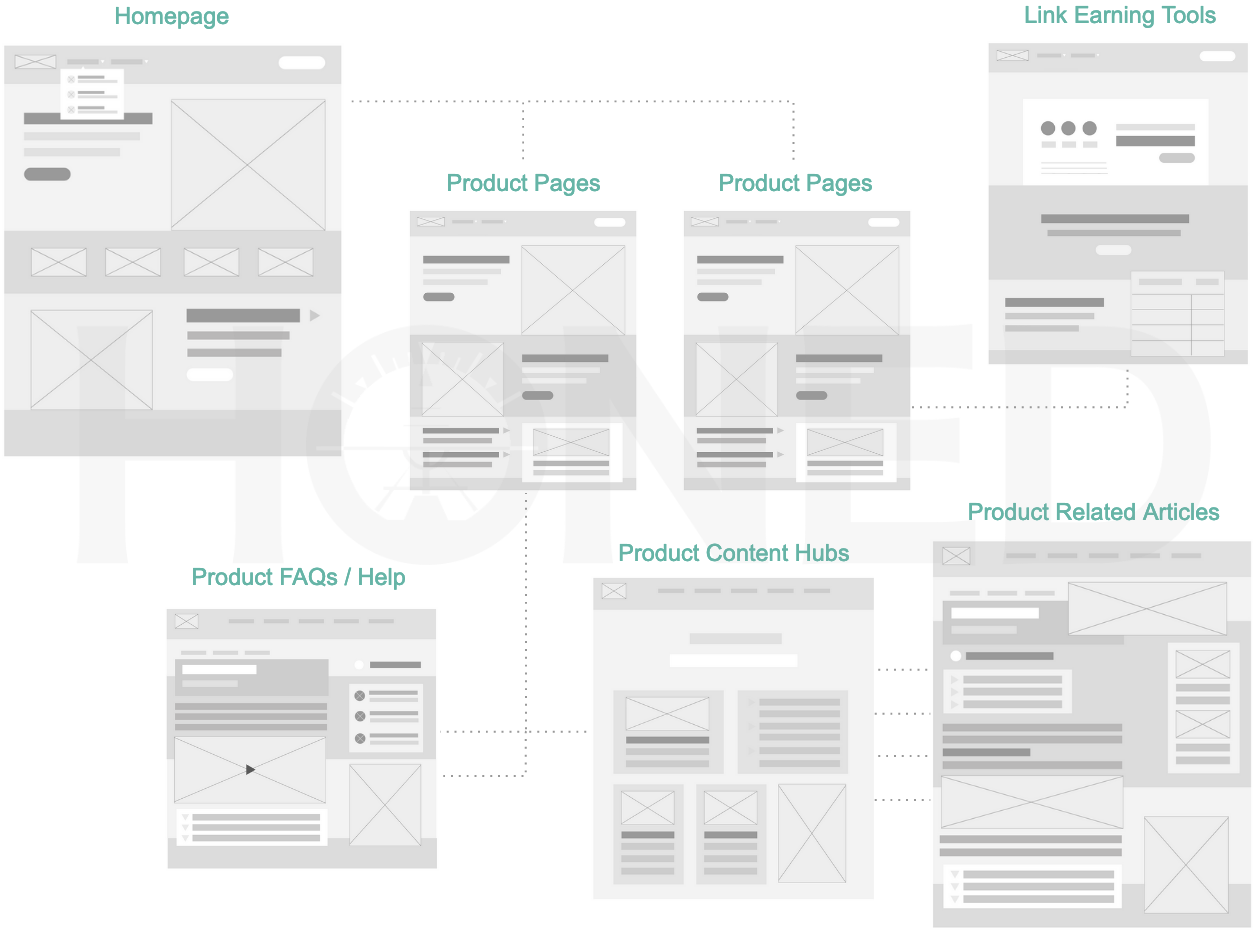
For real estate agents, key areas include:
- Listing Pages: Don't just rely on the default IDX feed description! Write unique, compelling descriptions for your featured listings. Use relevant keywords naturally. Optimize image file names and alt text (e.g.,
123-main-street-anytown-kitchen.jpg, Alt Text: “Renovated kitchen with granite countertops at 123 Main Street, Anytown”). High-quality photos are non-negotiable. - Neighborhood/Community Pages: These are goldmines for local SEO. Create dedicated pages for the specific towns, cities, or neighborhoods you serve. Go beyond basic descriptions. Include information on schools, parks, amenities, local businesses, market statistics, lifestyle insights, photos, and videos. Optimize these pages for neighborhood-specific keywords (e.g., “Living in [Neighborhood Name]”).
- Agent Bio Pages: Optimize your own profile! Use keywords related to your expertise and service areas (e.g., “[Your City] Luxury Real Estate Agent,” “Relocation Specialist [Your County]”). Make it personable and build trust. Include testimonials and client success stories.
- Core Website Elements: Ensure your title tags (the clickable headline in search results), meta descriptions (the snippet below the title), and header tags (H1, H2, etc.) incorporate your target keywords logically and compellingly. Internal linking (linking relevant pages within your site) helps search engines understand your site structure and spreads authority.
Effective on-page SEO makes your site more relevant to specific searches and provides a better experience for users by organizing information clearly. It’s about quality content structured intelligently. Avoid “keyword stuffing” – forcing keywords unnaturally into text. Google is smart; focus on writing helpful, informative content for humans first, while being mindful of your target terms.
Think of each page as an opportunity to answer a potential client's question or meet their need. Your homepage might target broader terms like “[Your City] real estate,” while a specific neighborhood page targets “[Neighborhood Name] homes for sale,” and a blog post targets “Tips for selling your home in [Your City] market.” This layered approach captures traffic at different stages of the buyer/seller journey.
3. Mastering Local SEO
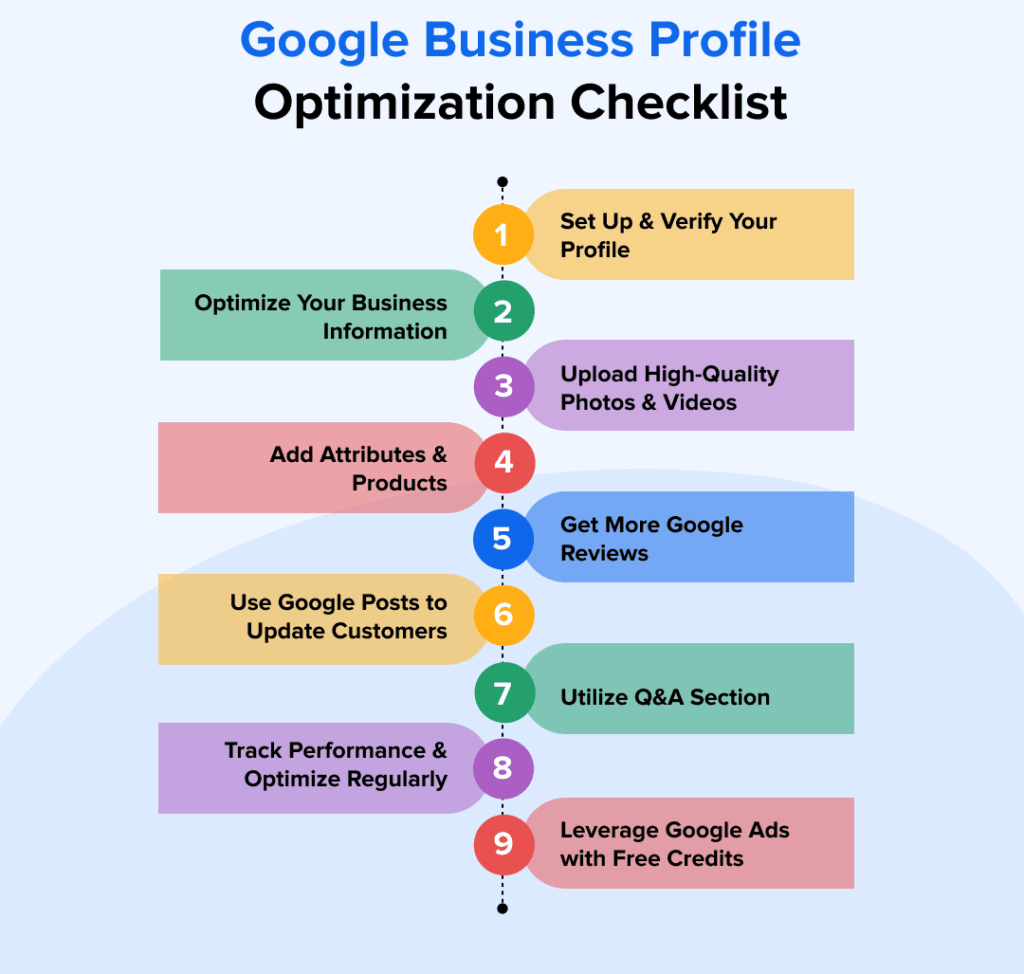
For real estate professionals, local SEO isn't just part of SEO; it's arguably the most critical aspect. It focuses on increasing your visibility in geographically-related searches, especially within Google's Map Pack (the map and three business listings often shown at the top of local search results).
| Area | Task | Priority | Notes / Why it Matters |
|---|---|---|---|
| Google Business Profile (GBP) | Claim & Verify Listing | Critical | Foundation of local visibility. |
| Complete All Profile Sections | High | Provides comprehensive info. | |
| Select Accurate Categories | High | Helps Google categorize correctly. | |
| Upload High-Quality Photos/Videos | High | Increases engagement and trust. | |
| Ensure Accurate NAP | Critical | Consistency is key for rankings. | |
| Actively Solicit Google Reviews | High | Builds social proof & ranking signal. | |
| Respond to ALL Reviews | High | Shows engagement and customer care. | |
| Utilize Google Posts | Medium | Keeps profile fresh and engaging. | |
| Answer Questions in GBP Q&A | Medium | Addresses potential client queries. | |
| Citations / Directories | Audit Existing Citations for NAP Consistency | High | Inconsistencies hurt rankings. |
| Build Citations on Relevant Directories | Medium | Increases online footprint. | |
| Ensure Consistency Across Major Platforms | High | Reinforces correct information. | |
| On-Site Local Signals | Include NAP Clearly on Website | High | Connects website to local presence. |
| Embed Google Map on Contact Page | Medium | User convenience and local signal. | |
| Create Hyperlocal Content (Neighborhood Pages) | High | Targets specific local searches. | |
| Use Local Keywords in Content & Metadata | High | Signals relevance to local searches. |
Elements of local SEO include:
- Google Business Profile (GBP) Optimization: Your GBP listing is prime digital real estate. Claim and verify it. Then, optimize it meticulously:
- Ensure complete and accurate information (Name, Address, Phone - NAP).
- Select the correct business categories (e.g., “Real Estate Agency,” “Real Estate Agent”).
- Upload high-quality photos and videos (office, team, local area, even listing highlights).
- Actively solicit and respond to Google reviews (more on this below).
- Utilize Google Posts to share updates, listings, and events.
- Enable messaging and answer questions promptly via the Q&A feature.
- NAP Consistency & Citations: Your business Name, Address, and Phone number (NAP) must be consistent everywhere it appears online. This includes your website, GBP, social media profiles, and online directories (citations). Inconsistent information confuses search engines and hurts your local ranking potential. Build citations on relevant directories like Yelp, Realtor.com (if applicable), local chamber of commerce sites, and industry-specific portals. Tools like BrightLocal or Moz Local can help manage citations, but ensure quality over quantity.
- Online Reviews: Reviews are powerful social proof and a significant local ranking factor. Encourage satisfied clients to leave reviews on Google, Zillow, Yelp, and other relevant platforms. Make it easy for them (provide direct links). Crucially, respond to all reviews, both positive and negative, professionally and promptly. This shows engagement and customer care.
Local SEO anchors your business in its service area. When someone searches for “realtor near me” or “[City] real estate agent,” a well-optimized local presence dramatically increases your chances of appearing in those crucial Map Pack results and standard organic listings. It directly connects your physical presence (or service area) with digital search behavior.
Think about the trust factor. Seeing a local agent with a complete profile, great photos, and numerous positive reviews right there on the map builds instant credibility. It differentiates you from faceless national portals and positions you as the go-to local expert. Don't underestimate the power of showing up where your local customers are actually searching.
4. Technical SEO Foundation
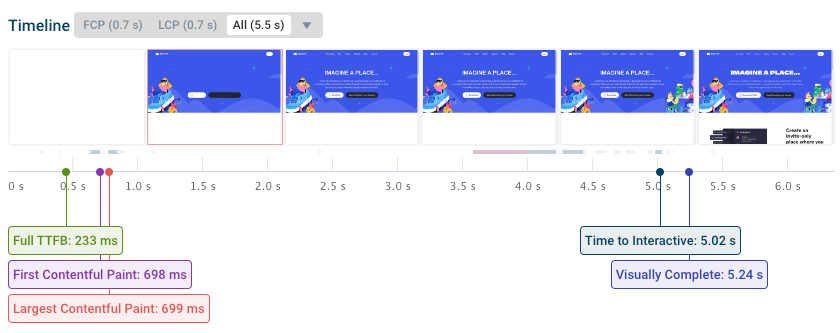
Technical SEO involves optimizing the backend and infrastructure of your website so that search engines can crawl and index it effectively. It also ensures a smooth user experience, which is increasingly important for rankings. While it might sound intimidating, getting the basics right is essential.
Key technical aspects for real estate sites include:
- Site Speed: Nobody waits for a slow website, especially when Browse multiple listings. Slow load times lead to high bounce rates (people leaving quickly) and lower rankings. Large image files are often the biggest culprit on real estate sites. Use tools like Google PageSpeed Insights to test your speed and get recommendations. Optimize images (compress them without sacrificing quality), leverage browser caching, and consider a Content Delivery Network (CDN) if necessary.
- Mobile-Friendliness: As mentioned, most online searches now happen on mobile devices. Your website must be responsive, meaning it adapts seamlessly to different screen sizes (desktops, tablets, phones). Use Google's Mobile-Friendly Test to check your pages. A poor mobile experience will kill your conversions and hurt your search rankings significantly.
- Schema Markup (Structured Data): This is code you add to your website to help search engines understand the context of your content more effectively. For real estate, specific schema types are highly valuable, such as
RealEstateListing,Residence,RealEstateAgent, andLocalBusiness. Implementing schema can help your listings appear as “rich snippets” in search results (e.g., showing price, beds/baths directly in the results), making them more eye-catching and informative. While complex, basic schema can often be implemented via plugins or with developer help. - Site Architecture & Crawlability: Ensure your website has a logical structure that's easy for both users and search engine crawlers to navigate. Use clear navigation menus and an XML sitemap (a roadmap for search engines). Check for broken links and fix them promptly using tools like Google Search Console.
Think of technical SEO as ensuring your beautifully designed house has sound plumbing and electrical systems. Without it, things start to break down, no matter how good it looks on the surface. A technically sound website provides a seamless experience for users and makes it easy for Google to understand and rank your valuable content. It’s the often-invisible bedrock of successful SEO.
Ignoring technical aspects can undermine all your other efforts. A fantastic blog post won't rank well if Google can't crawl the page properly or if it takes 15 seconds to load on a phone. Prioritize a clean, fast, and accessible technical foundation.

5. Content Marketing That Attracts & Engages
Content is the fuel for your SEO engine. While listing pages are essential, relying solely on them isn't enough to establish authority or attract clients at different stages of their journey. Content marketing involves creating and distributing valuable, relevant, and consistent content to attract and retain a clearly defined audience1 – and, ultimately, to drive profitable customer action.2
For real estate, this means going beyond listings:
- Blogging: Regularly publish blog posts on topics relevant to your audience and market. Ideas include:
- Local market updates and trends (monthly or quarterly reports)
- Guides for first-time homebuyers or sellers
- Neighborhood spotlights (deeper dives than your static pages)
- Home staging tips and ROI
- Explaining mortgage options or the closing process
- Checklists (e.g., Moving Checklist, Home Inspection Checklist)
- Video Content: Video is incredibly engaging. Consider:
- High-quality property video tours
- Neighborhood video tours
- Agent introduction videos
- Client testimonial videos
- Q&A sessions answering common real estate questions
- Optimize videos for search on platforms like YouTube as well.
- Downloadable Resources (Lead Magnets): Offer valuable resources like comprehensive guides (“The Ultimate Guide to Buying a Home in [Your City]”), checklists, or market reports in exchange for an email address. This builds your email list for future marketing.
- Infographics: Visualize complex data like market trends or the home buying process in an easy-to-understand format.
The goal of content marketing in real estate SEO is twofold: 1) Attract organic traffic by targeting informational keywords your potential clients are searching for, and 2) Position yourself as a knowledgeable, helpful, and trustworthy local expert. When someone finds your insightful guide on navigating the local school system or your detailed analysis of neighborhood price trends, they start to see you as more than just an agent – they see you as a valuable resource.
Consistency is key. Aim for a regular publishing schedule, whether it's one blog post a week or two per month. Promote your content through social media and your email list. High-quality content not only attracts visitors but also earns natural backlinks (other sites linking to yours), which further boosts your SEO authority. It's a long-term play that builds sustainable traffic and brand credibility.
6. Earning Authority Through Link Building
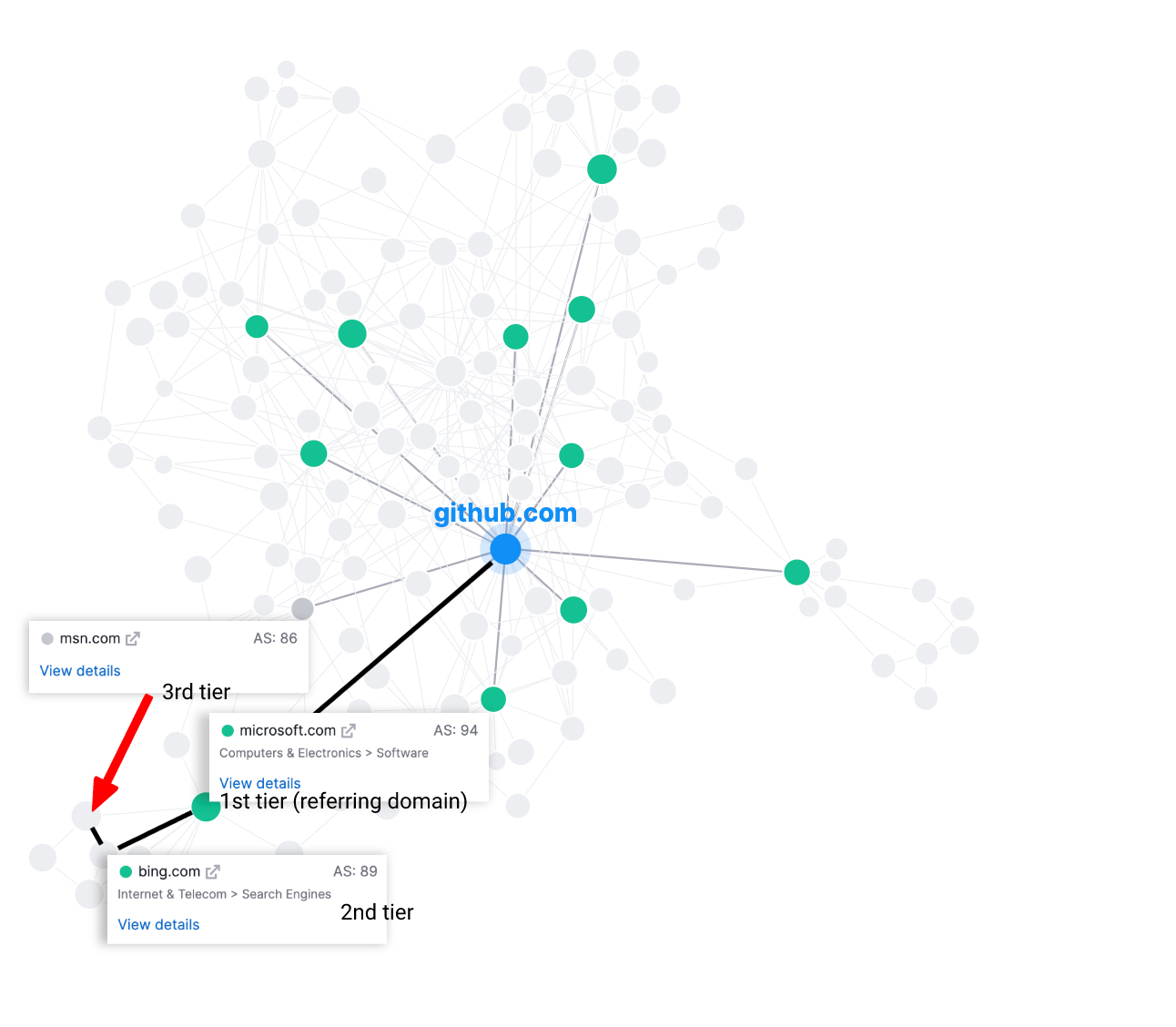
Link building is the process of acquiring hyperlinks from other websites to your own. Search engines like Google3 view links from reputable, relevant websites as votes of confidence, indicating that your site is a trustworthy source of information. High-quality backlinks are a powerful ranking factor.
However, effective link building for real estate SEO is about quality and relevance, not quantity. Forget spammy tactics or buying links – that can get you penalized. Focus on earning natural links from relevant sources:
- Local Partnerships: Partner with complementary local businesses (e.g., mortgage brokers, home inspectors, movers, interior designers, contractors). Offer to write guest posts for their blogs, cross-promote services, or get listed on their resource pages.
- Local News & Media: Position yourself as a local market expert. Offer insights or data to local journalists covering real estate stories. Getting quoted or featured in local news outlets can result in high-authority backlinks.
- Community Involvement: Sponsor local events, charities, or school functions. Often, these organizations will list sponsors on their websites with a link back to yours.
- Guest Blogging: Write informative articles for relevant industry blogs or local community websites (ensure they are reputable).
- Resource Link Building: Create truly exceptional content (like that comprehensive neighborhood guide or market report) that other websites want to link to as a resource for their own readers.
Think local relevance. A link from the local Chamber of Commerce, a well-respected local news site, or a popular community blog holds more weight for your local SEO than a random link from an unrelated website halfway across the country. It signals to Google that you are an active and recognized part of the local community.
Link building requires effort and relationship building. It's earning high-quality, not a quick fix, relevant backlinks significantly strengthens your website's authority and improves its ability to rank for competitive keywords. Focus on creating value and building genuine connections within your local market, and the links will often follow.
Common SEO Mistakes Real Estate Professionals Make
While the potential benefits of SEO are huge, it's easy to make mistakes, especially in the unique context of real estate. Avoiding these common pitfalls is crucial:
- Over-Reliance on Basic IDX Feeds: Many agent websites simply pull listings directly from the MLS via an IDX feed without adding unique value. This often results in duplicate content (the same listing descriptions appear on hundreds of other sites) and thin pages that offer little unique information. Solution: Write unique descriptions for your featured listings, create robust neighborhood pages, and supplement IDX data with original content and insights.
- Ignoring the Mobile Experience: Having a website that looks great on a desktop but is slow, clunky, or broken on a smartphone is a recipe for disaster. Given that most searches start on mobile, this alienates the majority of your potential clients and signals poor quality to Google. Solution: Prioritize responsive design and mobile page speed. Test rigorously on different devices.
- Neglecting Local SEO Basics: Failing to fully optimize your Google Business Profile, having inconsistent NAP information across the web, or not having a strategy to generate and manage online reviews severely hinders your ability to rank in local searches and the Map Pack. Solution: Treat your GBP as a primary marketing asset. Audit and clean up your citations. Actively encourage and respond to reviews.
- Focusing Only on “Money” Keywords: While ranking for “[City] homes for sale” is great, ignoring informational keywords means missing out on potential clients earlier in their journey. People searching for “best neighborhoods for families in [City]” or “steps to selling a house” are future buyers and sellers. Solution: Develop a content strategy that targets keywords across the entire buyer/seller journey, providing value at each stage.
- Treating SEO as a One-Time Task: SEO is not a “set it and forget it” activity. Search engine algorithms change, competitors adapt, and new content needs to be created and optimized. Solution: View SEO as an ongoing process of analysis, refinement, and content creation. Monitor your results and adjust your strategy accordingly.
- Poor Internal Linking: Having great content spread across your site but failing to link related pages together makes it harder for users and search engines to discover information and understand relationships between topics. Solution: Strategically link relevant blog posts, neighborhood pages, and listing pages together to improve navigation and distribute link equity.
Avoiding these mistakes requires a strategic, long-term approach. It's about building a comprehensive digital presence that serves both users and search engines effectively, with a strong emphasis on local relevance and unique value.
Measuring What Matters: Tracking Your SEO Success
How do you know if your SEO efforts are actually working? You need to track the right Key Performance Indicators (KPIs). Focusing solely on rankings isn't enough; you need to measure the impact on traffic, engagement, and ultimately, leads and business growth.
Here are some essential KPIs to monitor:
| KPI Category | Specific Metrics | Tools to Use | Why It Matters for Real Estate |
| Visibility | Keyword Rankings (esp. local/neighborhood terms) | Semrush, Ahrefs, Google Search Console | Tracks progress in appearing for target searches. |
| Google Business Profile Impressions & Views | Google Business Profile Insights | Measures visibility in local search & maps. | |
| Traffic | Organic Search Traffic (Overall & by Landing Page) | Google Analytics | Shows how many visitors SEO is bringing. |
| % New vs. Returning Visitors (from Organic) | Google Analytics | Indicates reach and user loyalty. | |
| Engagement | Bounce Rate | Google Analytics | High bounce rate might indicate irrelevant traffic or poor UX. |
| Average Session Duration / Time on Page | Google Analytics | Shows if users are engaging with content. | |
| Pages per Session | Google Analytics | Indicates how deeply users explore site. | |
| Local Engagement | GBP Clicks (Website, Calls, Directions) | Google Business Profile Insights | Direct actions taken from local listing. |
| Review Count & Average Rating | GBP, Zillow, Yelp, etc. | Measures reputation and social proof. | |
| Conversions | Organic Lead Form Submissions (Contact, Showing Req.) | Google Analytics (Goal Tracking) | Measures direct lead generation from SEO. |
| Phone Calls from Organic Traffic/GBP | Call Tracking Software, GBP Insights | Tracks leads generated via phone. | |
| Email List Sign-ups (from Organic) | Google Analytics (Goal Tracking) | Measures success of lead magnets. |
Regularly analyzing these metrics (using tools like Google Analytics and Google Search Console, often integrated with SEO platforms) allows you to understand what's working, what's not, and where to focus your efforts. For example, if your rankings are improving but organic leads aren't, you might need to optimize your calls-to-action or landing page conversion rates. If your bounce rate is high on certain neighborhood pages, perhaps the content isn't meeting user expectations. Data-driven decisions are key to refining and maximizing your SEO ROI.
DIY SEO vs. Hiring an Agency: Making the Right Choice
Now, the big question: can you do all this yourself, or should you hire a professional? There are pros and cons to both approaches.
DIY SEO:
- Pros: Lower initial cost, deep understanding of your own business and market.
- Cons: Steep learning curve, extremely time-consuming (keyword research, content creation, technical fixes, link building, analysis take significant effort), requires staying constantly updated on algorithm changes and best practices, high potential for making costly mistakes (like earning penalties).
Hiring an SEO Agency/Consultant:
- Pros: Access to expertise, experience, and specialized tools; saves you immense amounts of time; strategic approach based on proven methodologies; accountability for results; often faster path to achieving tangible results.
- Cons: Financial investment required; need to find a reputable agency that understands the nuances of real estate SEO (not all SEO agencies are created equal).
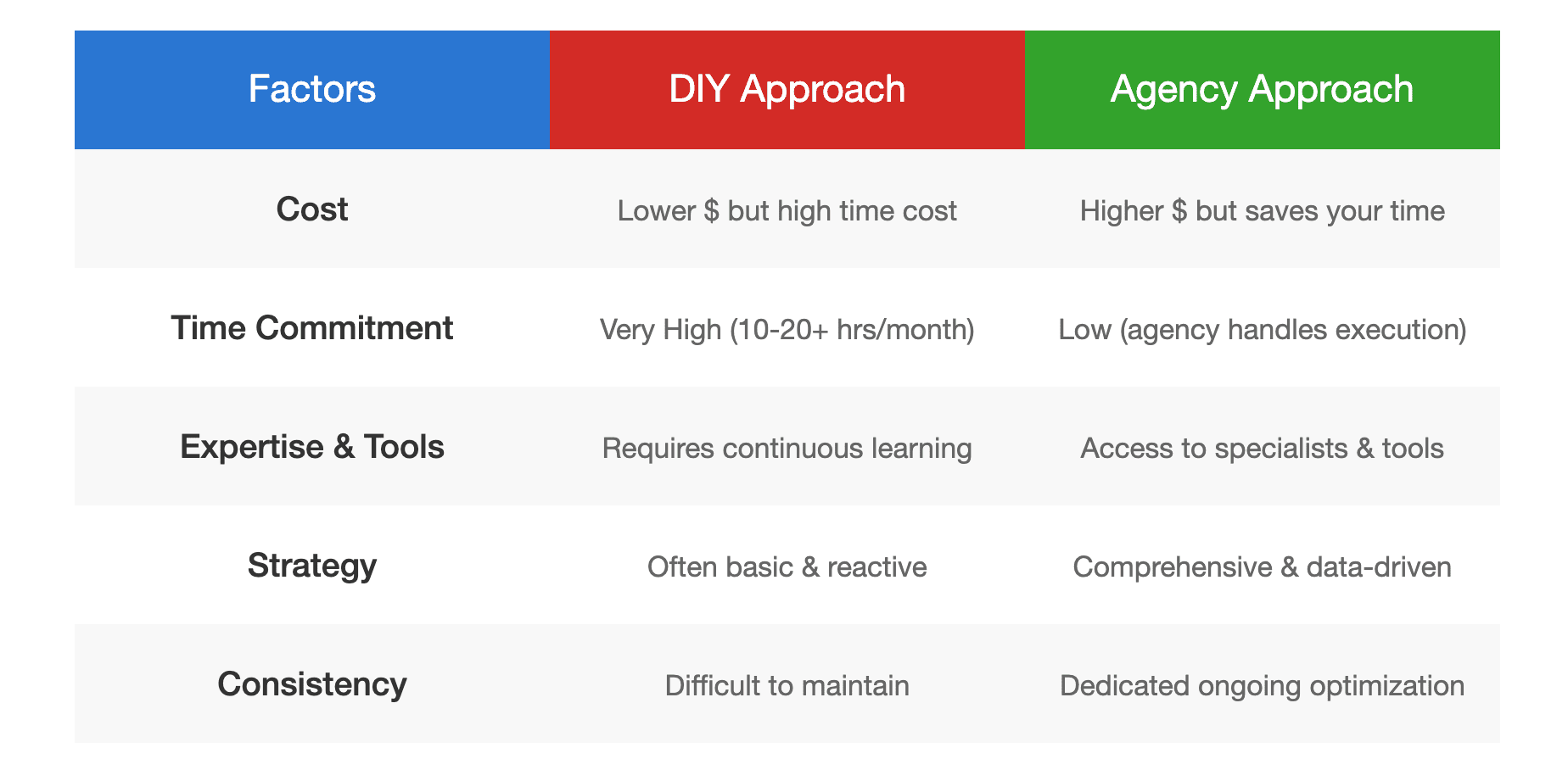
| Factor | DIY (Do It Yourself) Approach | Agency / Consulting (e.g., DataDab) Approach | Considerations for Realtors |
| Cost | Lower initial $ investment, but high time cost. | Higher $ investment, but frees up your time. | Value your time? What's the opportunity cost? |
| Time Commitment | Very High (Research, Content, Tech, Links, Analysis) | Low for you (Agency handles execution) | Can you dedicate 10-20+ hrs/month consistently? |
| Expertise & Tools | Requires continuous learning; basic/free tools possible. | Access to specialists, advanced tools & data. | SEO is complex & constantly changing. |
| Strategy | Often basic, reactive, potentially fragmented. | Comprehensive, proactive, data-driven, integrated. | Need for a holistic, long-term plan? |
| Execution Speed | Slow, dependent on learning curve and available time. | Faster implementation by experienced team. | How quickly do you need results? |
| Consistency | Difficult to maintain alongside core business tasks. | Dedicated resource ensures ongoing optimization. | SEO requires persistent effort. |
| Avoiding Pitfalls | Higher risk of mistakes (e.g., penalties, wrong focus). | Experience helps avoid common errors & penalties. | Mistakes can set back progress significantly. |
| Accountability | Self-accountable. | Agency accountable via reporting & agreed goals. | Need for external accountability & reporting? |
| Focus | Divided between real estate tasks and learning/doing SEO. | You focus on clients & deals; agency focuses on SEO. | Where is your time best spent for ROI? |
At DataDab, we often work with real estate professionals who started DIY but found it overwhelming or weren't seeing the desired results. SEO is a specialized field, and real estate SEO has its own unique challenges and opportunities. While learning the basics is valuable for any agent, executing a comprehensive strategy effectively requires dedicated time and expertise.
Our approach at DataDab is more consultative than just transactional. We don't believe in cookie-cutter packages. We start by deeply understanding your specific market, your target clientele, your business goals, and your current digital footprint. We then develop a tailored strategy that leverages the right mix of technical SEO, local optimization, content creation, and authority building. We handle the complex, time-consuming work, but we also believe in empowering our clients. We explain the 'why' behind the 'what,' provide transparent reporting on the KPIs that matter, and work collaboratively to ensure the SEO strategy aligns perfectly with your overall business objectives. It's a partnership focused on generating measurable growth for your real estate business.
Peeking into the Future: What's Next for Real Estate SEO?
The digital landscape is always evolving, and SEO is no exception. While the core principles remain, some trends are shaping the future:
- Voice Search: More people are using voice assistants (“Hey Google, find open houses near me this weekend”). This means optimizing for more natural, conversational search queries and focusing on providing direct answers (often through FAQ sections and structured data).
- AI and Machine Learning: Google increasingly uses AI (like RankBrain and BERT) to understand search intent better. This reinforces the need for high-quality, comprehensive content that truly satisfies user needs, rather than just targeting keywords. AI tools may also play a larger role in content creation and predictive market analysis.
- Video Dominance: The demand for video content (tours, market updates, Q&As) will continue to grow. Optimizing video for search (on YouTube and your website) will become even more critical.
- User Experience (UX): Google continues to place more emphasis on user experience signals (page speed, mobile-friendliness, interactivity). A technically sound, fast, and easy-to-use website is paramount.
- E-E-A-T: Expertise, Experience, Authoritativeness, and Trustworthiness remain crucial, especially for “Your Money or Your Life” (YMYL) topics like real estate. Demonstrating your credentials, experience, and positive reputation online is vital.
Staying ahead requires adaptability and a continued focus on providing genuine value to your audience through a technically sound and well-promoted online presence.
Your Digital Foundation Awaits
In today's hyper-connected world, hoping potential clients stumble upon you isn't a strategy; it's a gamble. Real estate SEO is the strategic foundation for attracting consistent, qualified leads directly through the channels your prospects are already using – search engines. It's about transforming your website from a static online placeholder into your hardest-working employee, generating opportunities 24/7.
It requires a multifaceted approach: understanding hyperlocal search intent through meticulous keyword research, optimizing your website's pages and technical structure, dominating local search results through GBP and citation management, building authority with valuable content and earned links, and constantly measuring and refining your efforts. It’s the rewards – increased visibility, not simple, and it’s not instantaneous, higher quality leads, enhanced brand authority, and sustainable business growth – are undeniable.
Stop letting the big portals and your digitally savvy competitors capture the leads that should be yours. It's time to invest in your online visibility and build a powerful digital presence that reflects your local expertise.
Feeling overwhelmed or unsure where to start? That's understandable. At DataDab, we specialize in helping real estate professionals like you navigate the complexities of SEO and digital marketing. We offer tailored consulting services designed to create a strategy that fits your specific market and goals.
Ready to make your website work for you? Let's chat. Contact DataDab today for a no-obligation consultation and let's discuss how we can help you stop being invisible and start dominating your local market online.
FAQ
1. How long does it really take for real estate SEO to start showing results?
That's the million-dollar question! Honestly, there's no single timeline. SEO is a long-term strategy, not an overnight fix. You might see some initial movement in rankings for less competitive, long-tail keywords within a few months (say, 3-6 months). However, achieving significant visibility for more competitive terms like "[Your City] real estate agent" or ranking prominently in the Google Map Pack often takes longer, typically 6-12 months or even more. Factors influencing this include the competitiveness of your specific market, the current state of your website, the consistency and quality of your SEO efforts, and Google's algorithm updates. Think of it like building equity – it takes consistent investment over time to see substantial returns.
2. Why bother with my own website SEO when portals like Zillow and Redfin dominate? Can't I just focus there?
While portals are undeniably important for visibility, relying solely on them means you're building your business on rented land. You don't own the platform, control the user experience, or capture leads directly without potential fees. Strong website SEO builds your brand and your digital asset. It allows you to capture highly targeted, local leads directly, nurture them through your own content, and establish yourself as the local expert independent of portals. Furthermore, optimized neighborhood pages and blog content on your site can attract buyers and sellers searching for specific local information that portals might not cover in depth. It’s about diversification and long-term brand building, complementing, not replacing, portal strategies.
3. Is SEO more critical for attracting buyers or sellers?
It's crucial for both, but the specific tactics might differ slightly. For attracting buyers, SEO often focuses on optimizing listing pages, neighborhood guides, and keywords related to searching for homes (e.g., "homes for sale near [School District]"). For attracting sellers, the focus might shift towards content answering seller questions, highlighting your marketing expertise, providing home valuation tools, and targeting keywords like "how to sell my house fast [City]" or "best listing agent [City]." A comprehensive real estate SEO strategy effectively targets the search intent of both audiences, recognizing they often overlap – today's buyer might be tomorrow's seller, and vice versa.
4. What kind of budget should I expect for professional real estate SEO services?
Costs can vary significantly based on several factors: the scope of services (e.g., technical audit, ongoing content creation, link building, local SEO management), the competitiveness of your market, the size of your agency or service area, and the agency's experience and location. Instead of focusing purely on cost, consider the value and potential ROI. A cheap service might deliver little impact, while a well-executed, tailored strategy from a reputable agency, like us at DataDab, is an investment designed to generate significantly more return through qualified leads and closed deals. It's best to discuss your specific goals and market with an agency to get a realistic quote based on a custom strategy, rather than looking for a one-size-fits-all price tag.
5. What’s the real difference between SEO and running Google Ads (SEM) for my real estate business?
Think of it as building equity versus renting visibility. SEO (Search Engine Optimization) focuses on earning organic (unpaid) rankings in search results through optimizing your website and building authority over time. It's a long-term strategy that builds a sustainable asset. SEM (Search Engine Marketing), primarily through platforms like Google Ads, involves paying to appear in sponsored sections of search results. It delivers immediate visibility but stops the moment you stop paying. Many successful real estate professionals use both: SEM for quick wins and targeting specific campaigns, and SEO for long-term, authoritative, and cost-effective lead generation.
6. Do I really need a blog on my real estate website? Isn't it just extra work?
While it requires effort, a blog is one of the most powerful tools in your real estate SEO arsenal. It allows you to consistently add fresh, relevant content to your site, targeting a wide range of informational keywords that potential clients search for (beyond just property listings). Think market updates, selling tips, buying guides, neighborhood spotlights, etc. This content attracts visitors at various stages of their journey, positions you as a local expert, provides valuable internal linking opportunities, and gives other websites relevant content to link to. It fuels your SEO efforts and builds trust with your audience. So yes, if you're serious about SEO, a blog is highly recommended.
7. How much do online reviews actually impact my local SEO rankings?
They matter – a lot! Google explicitly uses review signals (quantity, velocity, diversity, and average rating) as a key factor in local search rankings, especially for the Map Pack. Positive reviews act as powerful social proof, building trust not only with potential clients but also signaling relevance and prominence to search engines. A consistent flow of positive reviews on your Google Business Profile, and potentially other relevant sites like Zillow, is critical for local SEO success and converting searchers into leads. Don't just hope for reviews; actively, ethically solicit them and always respond.
8. My agency covers several towns. Can I effectively target all of them with SEO?
Absolutely, but it requires a strategic approach. You can't just stuff city names onto one page. The most effective method is typically creating dedicated, high-quality content for each key service area. This often means developing specific neighborhood or town pages, as discussed in the blog post. Each page should offer unique insights, listings (if applicable), and information relevant to that specific location, optimized for local keywords. You might also tailor blog posts or case studies to specific areas. It takes more effort than targeting a single location, but it's essential for achieving visibility across multiple markets.
9. Technical SEO sounds complicated. As a busy agent, is it something I really need to prioritize?
While you don't need to become a coding expert, understanding and addressing the basics of technical SEO is non-negotiable for website success today. Think of it as the foundation of your digital house. If your site is slow, difficult for Google to crawl, or unusable on mobile devices, all your great content and keyword efforts will be undermined. Users will leave, and Google won't rank you well. Prioritizing aspects like site speed, mobile-friendliness, and a clear site structure ensures both users and search engines can access and understand your content effectively. Often, working with a web developer or an SEO consultant is the most efficient way to handle the more complex technical aspects.
10. If I could only focus on ONE thing for my real estate SEO right now, what should it be?
If forced to pick just one starting point, fully claiming and meticulously optimizing your Google Business Profile (GBP) offers arguably the biggest bang for your buck in local real estate SEO. Ensure every section is complete and accurate, upload high-quality photos, actively solicit and respond to reviews, and utilize Google Posts. A well-managed GBP directly impacts your visibility in local search results and the crucial Google Map Pack, often leading to direct calls and website visits from high-intent local searchers. It's your digital storefront in local search.