

"The essence of strategy is choosing what not to do."
- Michael Porter
Let’s be real for a second. Growing a SaaS company is almost like a race where you’re constantly trying to outpace churn, improve user activation, and boost your monthly recurring revenue. But here's a question for you: what if the real answer to scaling was hidden right under your nose, in your existing user data?
Think of all your users. Are they one big, monolithic group, using your product for the same reasons? Not likely. And that’s the secret. Segmentation is the art of recognizing that your customers aren’t all the same—and using that insight to power your growth engine. The ones who love your product might not love it for the same reasons, and the ones who leave probably don’t all face the same struggles.
I've worked with countless SaaS businesses through DataDab, and I've seen firsthand how the companies that thrive are the ones that take a personal approach to segmentation. It’s not just about getting more data; it’s about using that data to deliver tailored experiences that drive growth. Let’s dive into the four most effective ways you can use segmentation to turbocharge your SaaS growth.

1. Customer Persona Segmentation
| Persona | Pain Points | Key Features to Highlight | Messaging Strategy |
|---|---|---|---|
| Start-up Founder | Scalability, Budget Constraints | Affordable pricing, Easy Onboarding | Cost-effective, quick to scale |
| HR Manager | Engagement, Compliance | Employee tracking, Engagement tools | Employee well-being, compliance |
| Enterprise CIO | Security, Integration | Security protocols, Integrations | Solid, enterprise-grade solutions |
Look, most SaaS founders understand customer personas, but let me ask you this: are you actually segmenting based on them? Or is it just something you used to write up your initial value prop for investors? Here's the reality: your customer personas aren't supposed to be static PowerPoint slides you reference once a quarter. They should be living, breathing categories that shape your marketing, product development, and user experience.
The beauty of persona-based segmentation is that it allows you to align both marketing messages and product offerings to different types of customers. For example, let's say you have a SaaS product that helps companies with remote team collaboration. Your personas might include:
- The Start-up Founder: Looking for cost-effective solutions that scale.
- The HR Manager: Seeking engagement tools and compliance.
- The Enterprise CIO: Focused on security, integration, and ROI.
Each of these personas has fundamentally different needs, and they respond to different messaging. By segmenting your audience accordingly, you can make sure your acquisition strategies—whether they’re blog posts, webinars, or paid ads—speak directly to the pain points of each type of user.
Here’s an essential insight I’ve learned: audience segmentation isn’t just about marketing, it’s about aligning the entire experience—from onboarding to retention—based on who that person is and what they need.
Take Dropbox as an example. They started with individuals, freelancers, and small businesses. Their early ads were simple: "Your files, anywhere." It spoke directly to their user persona’s pain—people losing USB drives. But when they expanded into enterprise, their messaging pivoted to security and team collaboration. Dropbox used persona segmentation to speak differently to different audiences and successfully penetrate both markets.
If you’re not adopting this approach, you’re likely spending time and money marketing the wrong features to the wrong audience. Ask yourself, when was the last time you updated your personas? Have you adjusted your campaigns to reflect your users’ evolving needs?

2. Lifecycle Stage Segmentation
| Lifecycle Stage | Customer Needs | Recommended Messaging Content |
|---|---|---|
| New User | Quick wins, Basic onboarding | Getting started guides, Quick start tips |
| Active User | Advanced value, Power features | Integration guides, Power-user webinars |
| Dormant User | Re-engagement | Feature update emails, Limited-time offers |
User journeys aren’t a straight line. The reality is that your customers are all at different stages in their relationship with your product. Understanding where they are in the lifecycle—whether they’re still considering a trial, freshly onboarded, or power users—allows you to serve them more appropriately.
This is what I call Lifecycle Stage Segmentation. At every touchpoint, your customers need different things from you. New users are looking for help to get started; active users need ways to maximize value, and dormant users need a nudge to come back. It’s your job to ensure that every communication they receive is precisely relevant to where they are on their journey.
Imagine you’re running a customer success team for a SaaS that offers project management software. Your new customers should be getting “quick start” content that breaks down features in easy, bite-sized pieces, while your more advanced users would benefit from email sequences about power-user shortcuts and integrations.
Segmenting users by their lifecycle stage is a tried-and-tested way to keep your engagement metrics—such as Customer Engagement Scores (CES)—in great shape. Research by Invesp shows that personalized customer experiences lead to a 20% increase in customer satisfaction and a 10-15% increase in sales conversion rates. Don’t miss out on that boost.
One of my favorite examples is HubSpot. They meticulously segment users based on their position in the customer journey—whether you’re a free trial user, a newly converted paying customer, or an enterprise customer. HubSpot knows that a new user is excited about learning, so their onboarding sequence is packed with quick wins. Meanwhile, longer-term users get communications focused on making the most of advanced features. It’s segmentation in action, and it’s worth emulating.
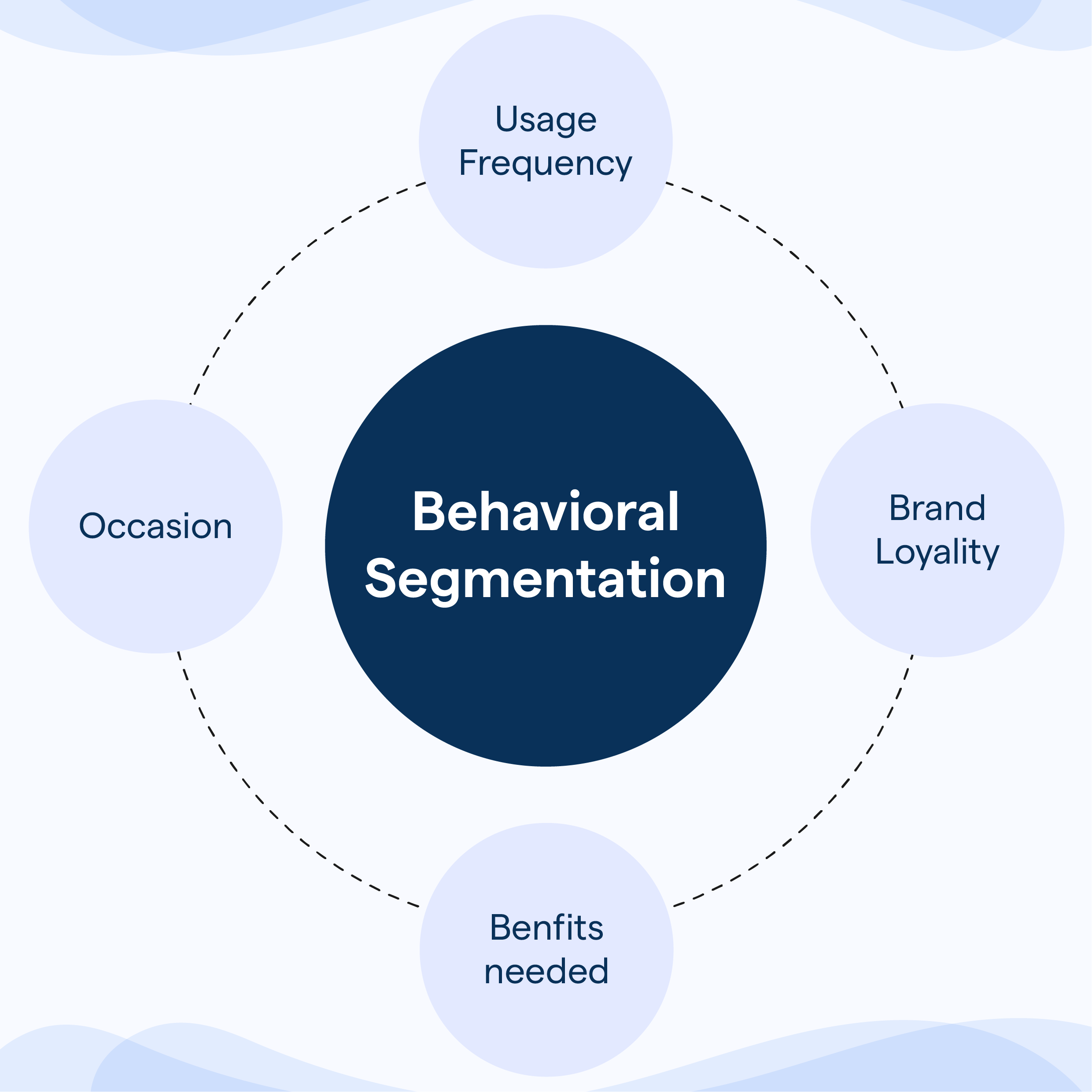
3. Behavioral Segmentation
| User Behavior | Segment Description | Suggested Action |
|---|---|---|
| Heavy Feature Usage | Power Users | Offer advanced guides, Invite for beta testing |
| Low Engagement | At-risk Users | Send tutorials, Promote key features |
| High Engagement with Specific Feature | Feature-specific Users | Promote add-ons, Develop complementary features |
Imagine you’re the head coach of a sports team, but you never watch any footage of your players. All your decisions would be based on assumptions and guesswork. It sounds absurd, right? Yet, many SaaS businesses operate this way—they don't look at how users are actually interacting with their product.
Behavioral Segmentation is about diving deep into product usage data. It means segmenting your customers based on what they do—the features they use, the amount of time they spend on your platform, or the actions they take. With this segmentation, you’re no longer marketing based on assumptions; you’re responding directly to the needs, actions, and desires of your customers.
If you’re noticing that a major portion of your user base is engaging heavily with one specific feature, you can lean into that insight. It could mean tweaking your product roadmap to make that feature more solid, or adjusting your marketing campaigns to highlight it. Maybe a feature you didn’t think was central to your product is actually the one creating the most value for users—don’t overlook that!
A great example is Spotify. Their behavioral segmentation is next level. They track users’ listening habits meticulously, segmenting by everything from preferred genres to skip rates. That’s why, when you open Spotify, it feels like it “gets” you—the “Discover Weekly” playlist is always tailored perfectly. By understanding how users engage with different parts of their platform, they create personalized experiences that drive customer loyalty.
For a more SaaS-centric example, think of Intercom. They use behavioral segmentation to identify which users haven’t tried critical features like setting up chatbots or exploring integrations. Then they create targeted, contextual in-app prompts and email campaigns to encourage those behaviors, improving user activation and stickiness.
Here's the golden nugget: By truly understanding the behavior of your users, you’re positioned to proactively address pain points, encourage feature adoption, and ultimately reduce churn.
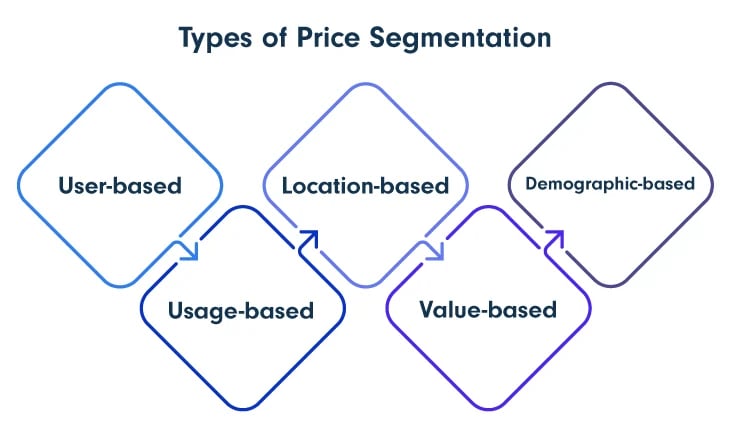
4. Segmentation for Pricing Strategy
| Segment Type | Pricing Model | Example SaaS Product |
|---|---|---|
| Startups | Freemium, Usage-based pricing | Slack (Basic Plan) |
| Growing Teams | Tiered pricing | HubSpot (Starter Plan) |
| Large Enterprises | Custom pricing, Add-on features | Salesforce (Enterprise Plan) |
Let’s get down to the money—the ultimate goal of segmentation is, of course, to grow your revenue. One often overlooked strategy is using segmentation to define your pricing tiers.
Pricing segmentation means tailoring different packages for different segments of your audience, based on what they value and what they’re willing to pay. I’m not just talking about creating “Basic,” “Pro,” and “Enterprise” versions. Effective pricing segmentation means truly understanding what each cohort values, and pricing accordingly.
Take Slack, for instance. Slack’s “freemium” model attracts startups and teams that can’t afford expensive tools, allowing them to get addicted to the core functionalities. As those teams grow, Slack encourages them to move to paid tiers with more administrative features and integrations. The segmentation isn’t just based on team size—it’s based on value realization and where that team is in their growth journey.
Another nuanced example comes from Salesforce. Their pricing strategy is a masterpiece of segmentation. They segment users by size and complexity—with different CRM packages specifically for small businesses, midsize companies, and huge enterprises—but they also have specific add-ons for niche needs like marketing automation or AI capabilities. Salesforce understands that a company of 20 people needs different pricing options compared to one with 20,000, but they also understand that two 20,000-person companies may need entirely different functionalities.
You’ve got to get creative here. For instance, could you use usage-based pricing for segments who need scalability, but introduce a value-based add-on for power users who need niche features? The key is to identify what value each segment derives and price based on that—not just arbitrarily differentiating based on user numbers.
The bottom line? If you’re not using segmentation to make decisions about your pricing model, you’re probably leaving a major amount of money on the table. There’s power in catering different pricing to different segments—not just to upsell but also to prevent losing potential customers who can’t pay for a “one-size-fits-all” option.
Putting It All Together
Segmentation is like a growth superpower for SaaS. But it’s not just about carving up your audience into neat categories—it’s about understanding your users so well that every part of your business reflects that understanding. Whether it's targeting the right personas with pinpoint marketing messages, enhancing the user journey with lifecycle-stage-specific touches, responding to user behavior in real-time, or designing a pricing strategy that matches customer value—segmentation is the common thread that drives sustainable growth.
At DataDab, I've seen what happens when SaaS companies take a deep dive into segmentation: they become more agile, their marketing and sales efforts gain laser-like precision, and most importantly, their customers become raving fans.
Remember: your users are all individuals with unique needs. The closer you get to truly understanding those needs—and responding to them with personalized precision—the closer you'll get to sustainable, scalable growth. If you’re ready to make segmentation the backbone of your strategy, let’s talk.
Until then, keep testing, keep segmenting, and keep growing.
FAQ
1. Why is segmentation essential for SaaS growth?
Segmentation allows SaaS companies to recognize the unique needs of different user groups, enabling tailored marketing, product development, and customer experience. It moves beyond one-size-fits-all tactics and directly drives growth by addressing specific user pain points.
2. How often should I update my customer personas?
You should update customer personas at least every 6-12 months, or whenever major market or product changes occur. This ensures your messaging stays relevant and aligned with your users' evolving needs.
3. What’s the best way to start lifecycle segmentation?
Start by mapping out the key stages of your user journey—from prospect to free trial user, then paying customer, and finally a long-term loyal user. Use these stages to develop personalized content and campaigns that address the needs at each lifecycle point.
4. How can I use behavioral segmentation effectively without overcomplicating the process?
Start by identifying the core behaviors that align with user success—such as key features used or milestones reached. Focus on segmenting users around these behaviors and gradually build more detailed behavior-based segments as you learn.
5. What metrics should I track for lifecycle segmentation?
Metrics like Customer Engagement Score (CES), retention rate, activation rate, and usage frequency are essential for lifecycle segmentation. They provide insights into how users are progressing and which stage they’re at.
6. How does segmentation improve pricing strategy?
Segmentation helps you understand different users’ willingness to pay and the specific value they derive from your product. This understanding allows you to design pricing tiers that match value delivery to different segments, maximizing revenue and reducing customer churn.
7. Is persona segmentation only useful for marketing campaigns?
No, persona segmentation is also essential for product development, customer support, and onboarding. It helps ensure that every interaction—whether through the product, support, or marketing—is aligned with the specific needs of each persona.
8. How can I tell if my current segmentation strategy is working?
Track engagement, conversion, and retention rates for different segments. If segments respond positively to personalized campaigns, show high activation rates, and stay longer, it indicates your segmentation strategy is effective.
9. What kind of data is essential for behavioral segmentation?
Data like feature usage frequency, session duration, conversion points, in-app actions, and user journeys are essential. The goal is to gain a granular view of how users are interacting with your product and understand what drives their behaviors.
10. How do I avoid analysis paralysis with segmentation?
Start small and iterate. Instead of trying to segment every possible user group, begin with 2-3 segments that align with your most valuable opportunities. As you see results and learn more, expand your segmentation efforts gradually.