
Let me set the stage: you’ve got an amazing product. A lot of users seem to agree-signing up for the free version, diving in, and tinkering with all those features you carefully crafted. But there's a hiccup: they aren't converting to the paid plan. They're kicking the tires but not driving off the lot. Frustrating, right?
You aren't alone. Most SaaS founders and marketers, regardless of how polished their onboarding or user interface may be, have to face this wall at some point. It’s not just about crafting the product; it’s about shepherding the user along a journey, from initial curiosity to committed subscriber. And let’s face it: if you’re not thinking deeply about how to optimize your free-to-paid conversion funnel, you’re missing out on a golden opportunity.
So, let’s take a dive into what makes a user say, "Yeah, I need this. I’m going to pay.” Spoiler alert: it isn’t always rational. This is about understanding your users-truly understanding them-and creating the right nudges and workflows that make paying for your product a no-brainer.
The Psychology of Conversion: Behavioral Triggers Matter
In the world of free-to-paid conversions, the triggers that push someone to become a paying customer aren’t usually logical—they’re emotional. Sure, your user may analyze value, compare features, and look at competitors, but at the core of it, it’s about trust, convenience, and the reassurance that “this product will solve my problem.”
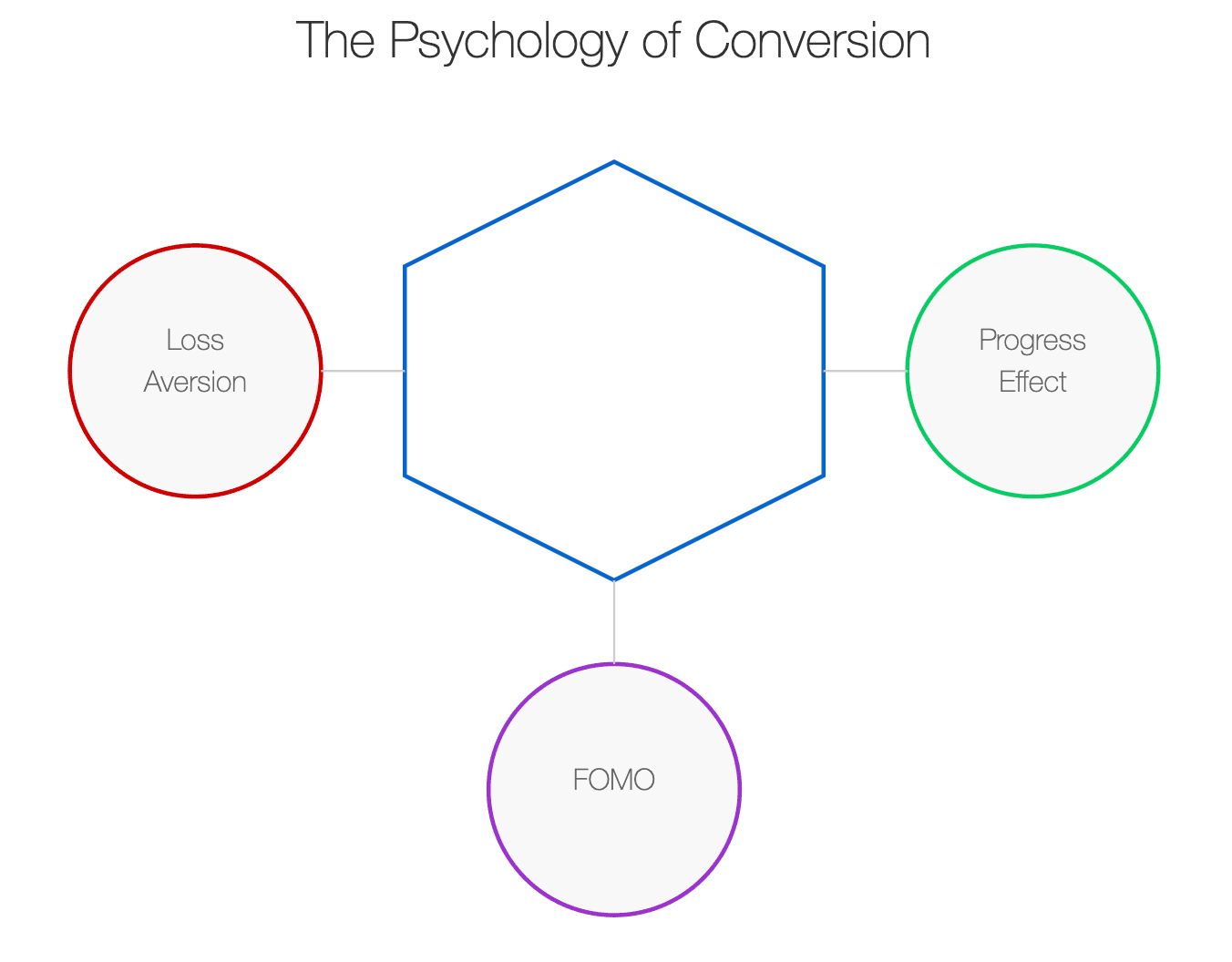
Take, for instance, the idea of loss aversion. Humans, by nature, hate to lose things more than they love to gain something of equal value. If your free users suddenly feel like they’re at risk of losing out on something—maybe extra functionality, data storage, or a key feature that has been helping them stay productive—they’re more inclined to switch to paid.
To use this effectively, smart SaaS companies lean into what behavioral psychologists call the Endowed Progress Effect. Imagine that you sign up for a freemium tool, and within a week, you get a pop-up notification: “Congratulations, you've used 80% of your allotted free feature set! Upgrade now to unlock the final 20%.” This isn’t just a nudge; it’s tapping into a psychological trigger. Your brain perceives that you're already so close, it would almost be wasteful not to go all the way. The progress you've made feels endowed. It's valuable because you've invested in it.
| Behavioral Trigger | Description | Implementation Tip |
|---|---|---|
| Loss Aversion | Users fear losing a valuable feature. | Notify users when they are about to lose a key feature. |
| Endowed Progress | Users feel they have made progress. | Show progress bars to upgrade, emphasizing near-completion. |
| Fear of Missing Out | Users want what others have. | Display stats on how many similar users upgraded. |
Another behavioral concept that’s powerful is FOMO (Fear of Missing Out). For instance, a good way to trigger FOMO is through social proof. Showing your free users that others like them are upgrading—complete with stats like “78% of teams with over five members have upgraded to Pro”—implies that there's a party going on and they’re missing it. Humans are social animals, and no one likes to be left behind.
Aligning Behavioral Triggers With Automated Workflows
But here’s the magic—getting behavioral triggers right is just one side of the equation. To really move the needle, these insights need to be tied into automated workflows that act at just the right moment.
Imagine if, every time a user reaches a certain milestone, they receive a perfectly timed email: “Hey, it looks like you’re using Feature X a lot lately. Did you know that our Premium plan offers [specific feature that makes Feature X even more powerful]?” It’s personalized, based on their specific journey. The best automated workflows make it feel like they’re getting a nudge from a well-meaning, insightful friend rather than an annoying marketing bot.
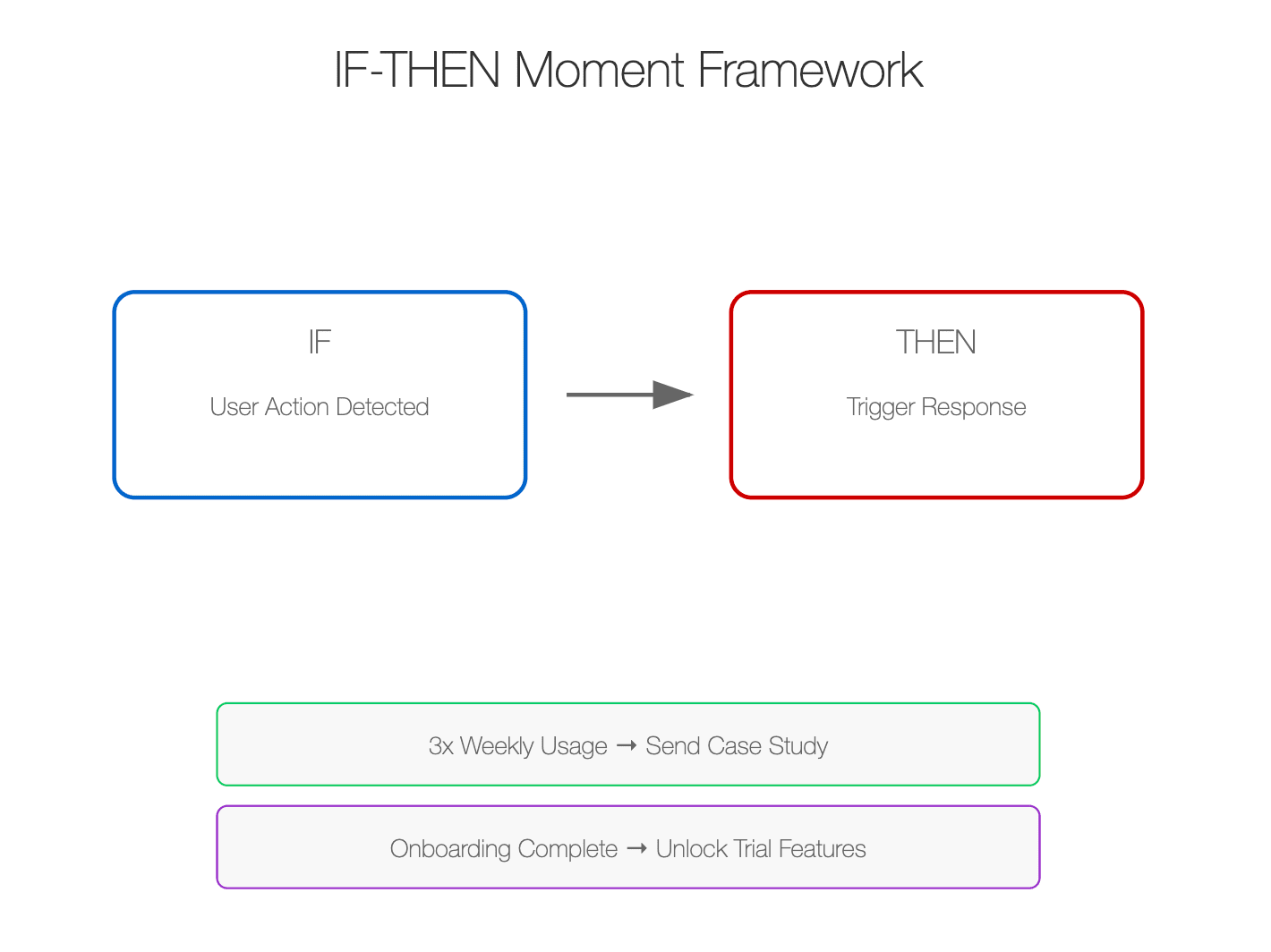
There’s a fundamental framework here, which I call the IF-THEN Moment Framework:
- IF a user does [something meaningful within the product]
- THEN [trigger an action]
For example:
- IF a user uses the product three times a week for two consecutive weeks, THEN send them a personalized case study of someone who went from free to paid and found success.
- IF a user completes a key onboarding milestone, THEN unlock a reward for a limited time (e.g., a 30-day trial of premium features).
| IF Condition | THEN Action |
|---|---|
| User uses product frequently | Send a personalized success story related to usage. |
| User reaches onboarding milestone | Unlock 30-day access to premium features. |
| User hits feature limit | Send an upgrade prompt highlighting additional value. |
These kinds of triggers should be woven seamlessly with automated workflows to create a funnel that gently but persistently guides users toward the upgrade.
Automating With Precision: Avoid the Generic Drip
When we think about automated workflows, it’s tempting to set up a simple drip campaign and call it a day. But, honestly, the traditional “drip” approach is a bit outdated. Users are savvy—they can sense when they’re getting the same emails that everyone else is getting.
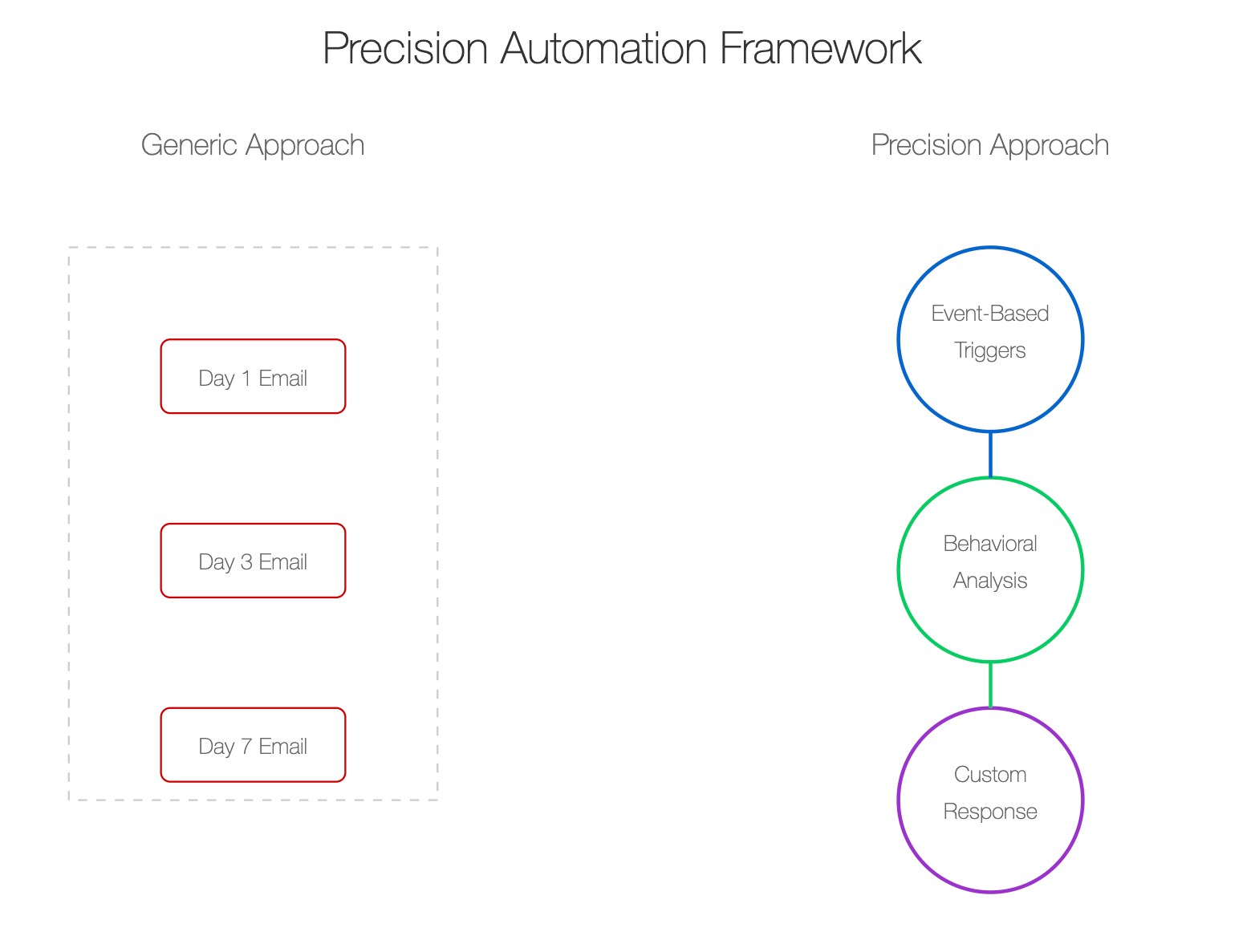
Instead, create workflows that are event-triggered and behavior-specific. If User A and User B engage with your product in completely different ways, why should they receive the same emails?
User segmentation becomes crucial here. Say you have a cohort of users who’ve interacted with your collaborative features multiple times but haven’t upgraded. Create a workflow that specifically speaks to the power of collaboration—how your paid plan removes limits, or how it’s helped similar teams thrive.
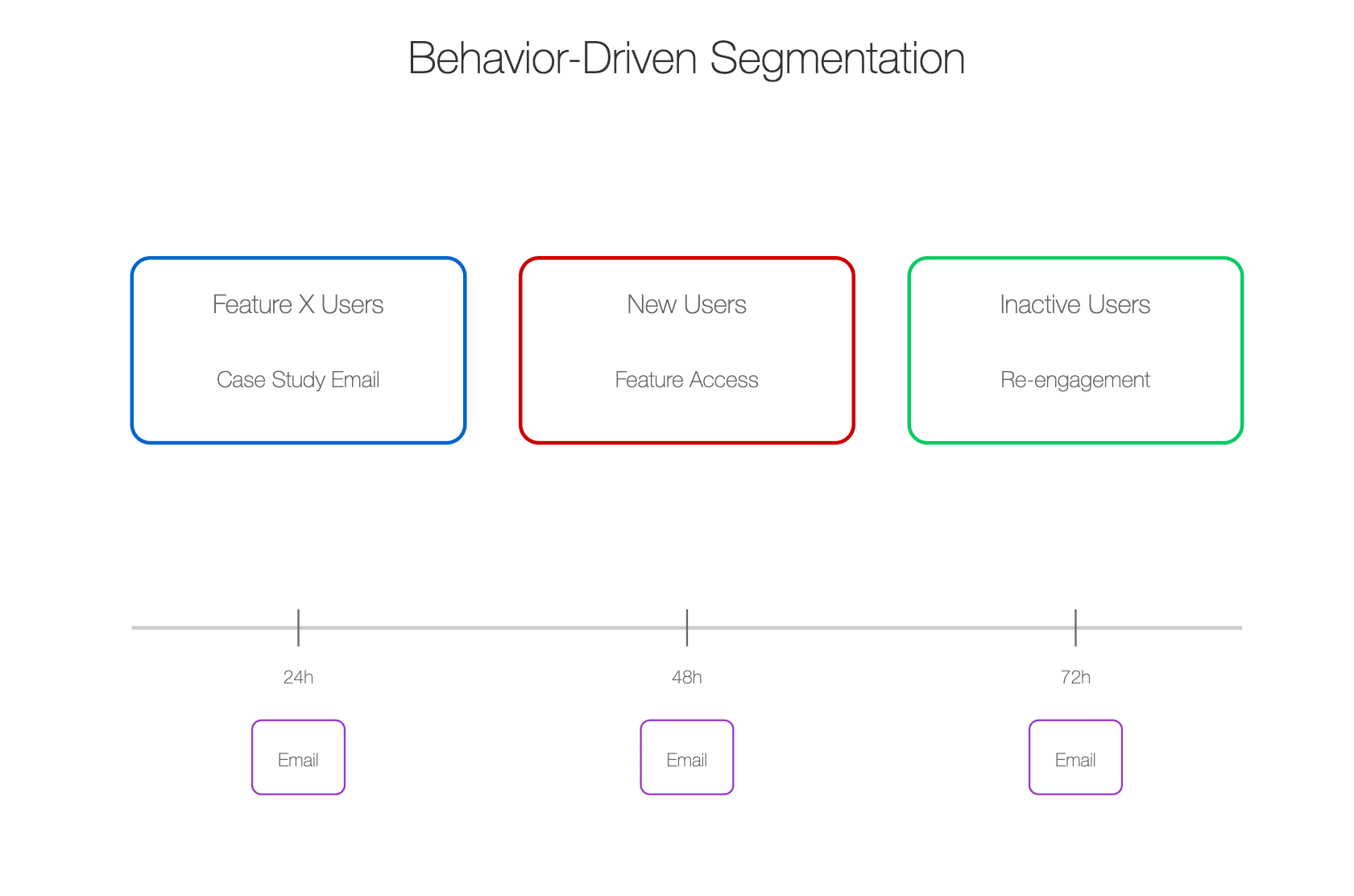
A segmented, behavior-driven workflow could look something like this:
| User Behavior | Triggered Email Workflow |
|---|---|
| Engages with feature X | Email showcasing a case study related to feature X |
| Completes onboarding step | Congratulatory email + free access to another feature |
| Stops using the product | Reminder email with “we miss you” + new feature updates |
| Uses collaborative feature | Highlight advanced collaboration tools in Pro version |
Another key element is the time-sensitivity of your automated workflows. The window in which you strike is important. If a user completes an onboarding step but doesn’t see a relevant follow-up within hours or a day, their momentum wanes. Automating these workflows with tools like Customer.io or Braze allows you to precisely time each message and connect it to user actions, giving you a chance to capitalize on high-intent moments.
Reducing Friction and Creating Convenience: Don’t Make Them Think
Ever feel like pulling out your credit card for a service and then being bombarded by extra steps—like selecting a payment plan, verifying your email address again, or filling out an unnecessary survey? That’s friction. And friction kills conversions.
| Friction Point | Solution |
|---|---|
| Too many fields at checkout | Reduce form fields to essential information only. |
| Unexpected price increase | Clearly outline pricing before checkout. |
| Complex onboarding process | Provide a guided walkthrough to simplify steps. |
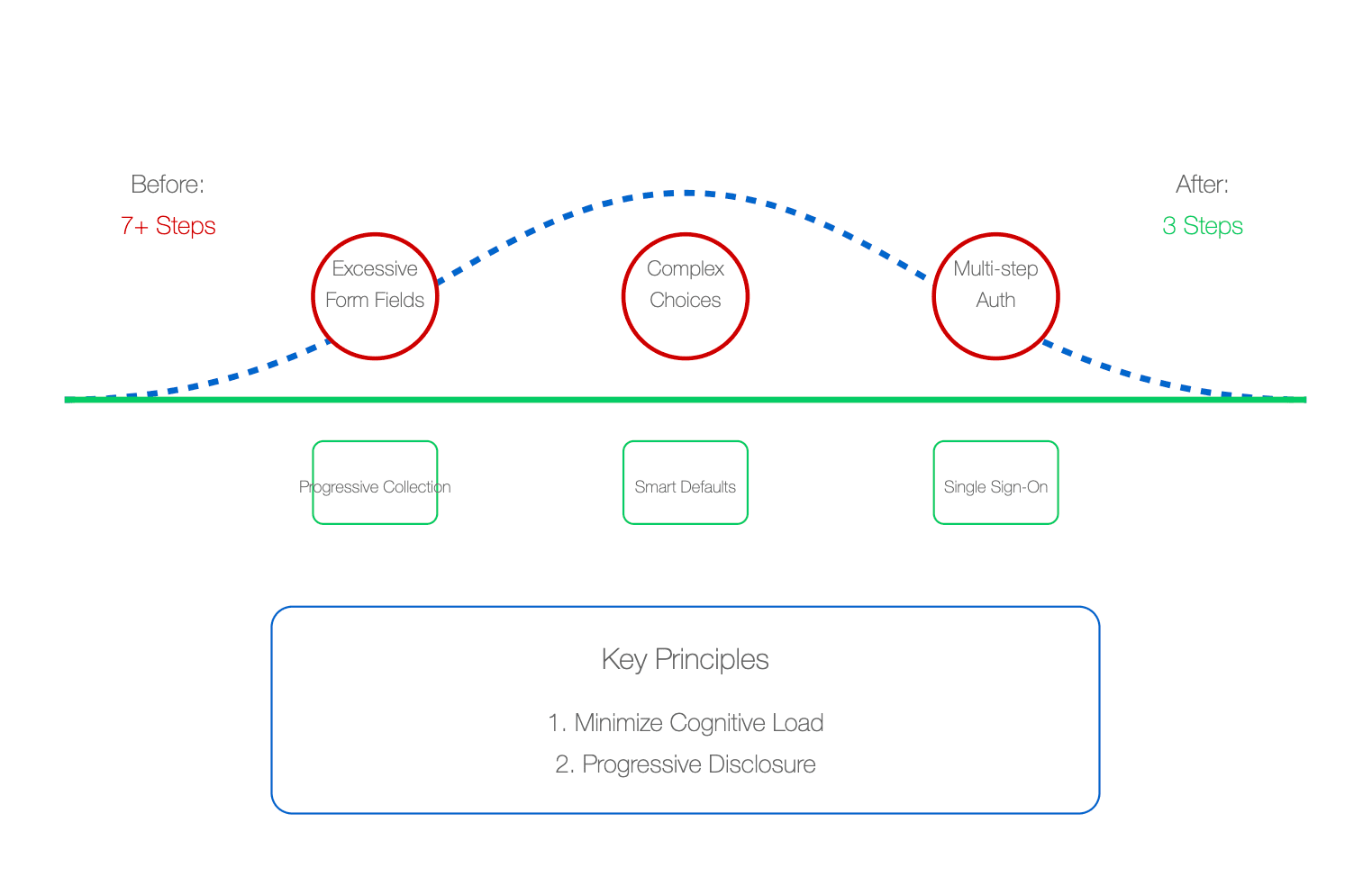
Reducing friction means making it easier for your free users to take that step to become paying customers without overthinking it. Think about what Dropbox did in its early days. They didn’t rely on “Buy Now” buttons everywhere. Instead, they built a path of least resistance by integrating features that triggered when someone hit their limits. Once users experienced how useful it was, making the jump was logical and seamless.
Look at Spotify as well—the free tier works great, but you can’t skip as many songs, and every few tracks, there’s an ad. There’s no confusion about what the paid plan gets you: no ads, unlimited skips. But it’s the constant reminders at the precise pain points that tip users over the edge.
A/B testing the user experience is important here. Run tests to see where users drop off in your funnel—is it at the point of checkout? Are there too many fields to fill in? Do they abandon when there’s an unexpected price bump? Understanding these pain points lets you reduce friction and increase conversions. You’re not just taking shots in the dark—you’re iterating based on data.
How to Use Nurture Sequences Without Feeling Like “Marketing”
The minute your marketing starts to feel like marketing, you’re at risk of losing the user’s trust. People respond to authenticity, to helpfulness—not to a sales pitch cloaked as “just checking in.”
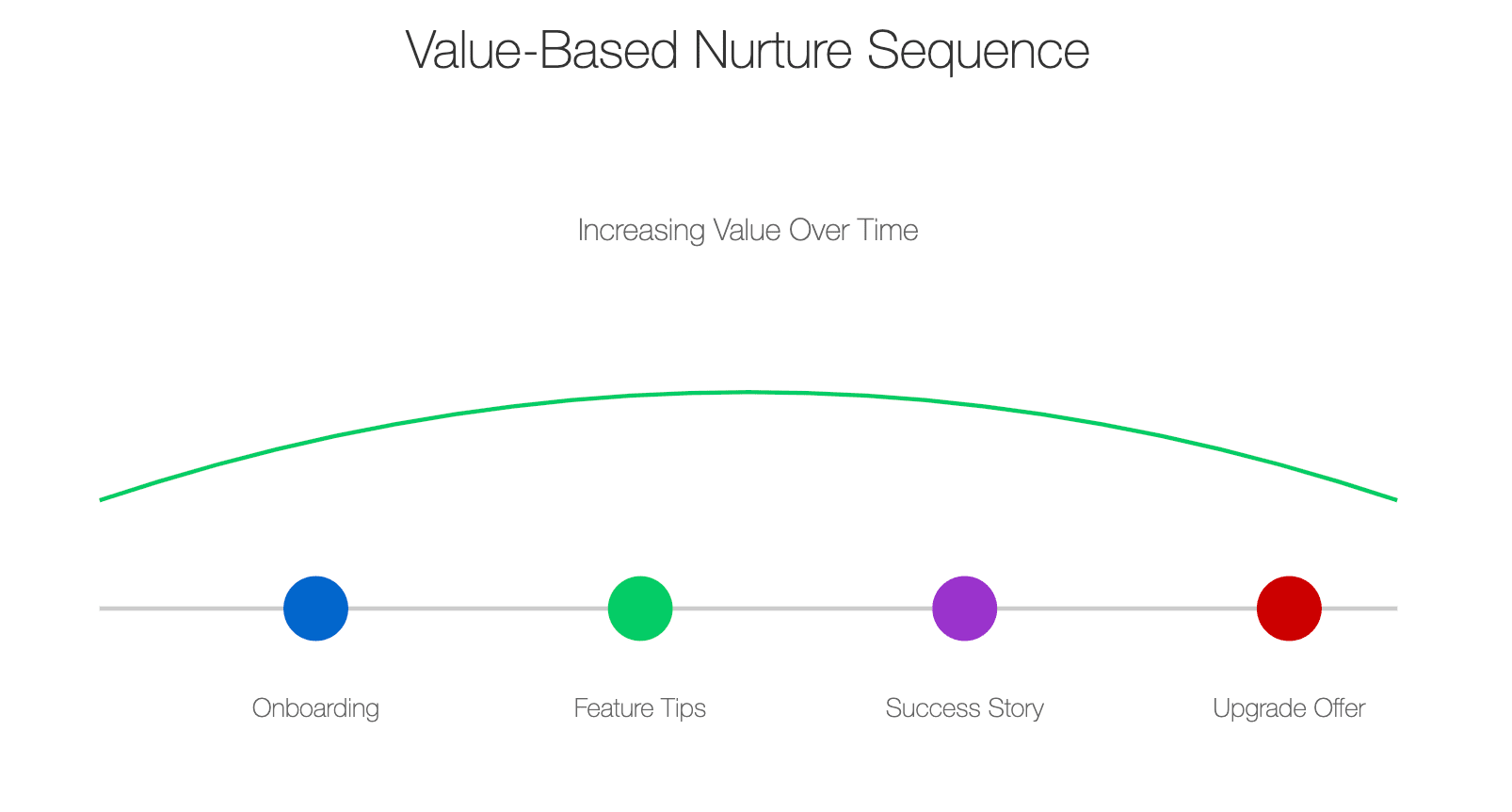
The trick is to design nurture sequences that are tied to genuine user intent. Imagine a user signs up, completes their onboarding, and starts using one or two of your features. A week in, they get an email: “Hey, it’s Alex from [Your SaaS]. I noticed you've been using [Feature X]. That’s awesome! Here's a quick way to take it even further.” That feels genuine. It's relevant and, more importantly, it helps them.
| Sequence Step | Content Type | Example |
|---|---|---|
| Onboarding Week 1 | Educational Tip Email | “Did you know you can do X with this feature?” |
| High Feature Usage | Personalized Use Case GIF | Show how advanced users leverage the feature. |
| User Stalled Usage | Encouraging Reminder | “Here’s a quick win to get you back on track!” |
You don’t need to send a long, glossy newsletter. Sometimes, a simple reminder, perhaps a GIF demonstrating how to use an advanced feature, can make the difference. The sequence should add value every single time.
The goal is to make it so natural that users feel like they’re being coached rather than marketed to. You want them to think, “This is helpful. They get what I’m trying to do.” The more value your nurture sequence provides without overtly asking for something in return, the better positioned you are for them to willingly opt-in for a paid experience.
Duolingo’s Masterclass in Conversion Funnels
One brand that’s consistently aced the free-to-paid conversion funnel is Duolingo. They built a freemium product that was sticky—users loved it. But they didn’t stop there. They experimented with several triggers, including the infamous owl reminder notifications that constantly push users to keep up their streak.
The genius part? Once users build up a streak, they become invested. Duolingo has a great workflow where if you miss a day, they let you “buy” your streak back with premium currency or upgrade to their paid plan to maintain that motivation. Here, gamification plays an important role: they create scarcity, loss aversion, and use the user’s own progress as leverage for conversion.
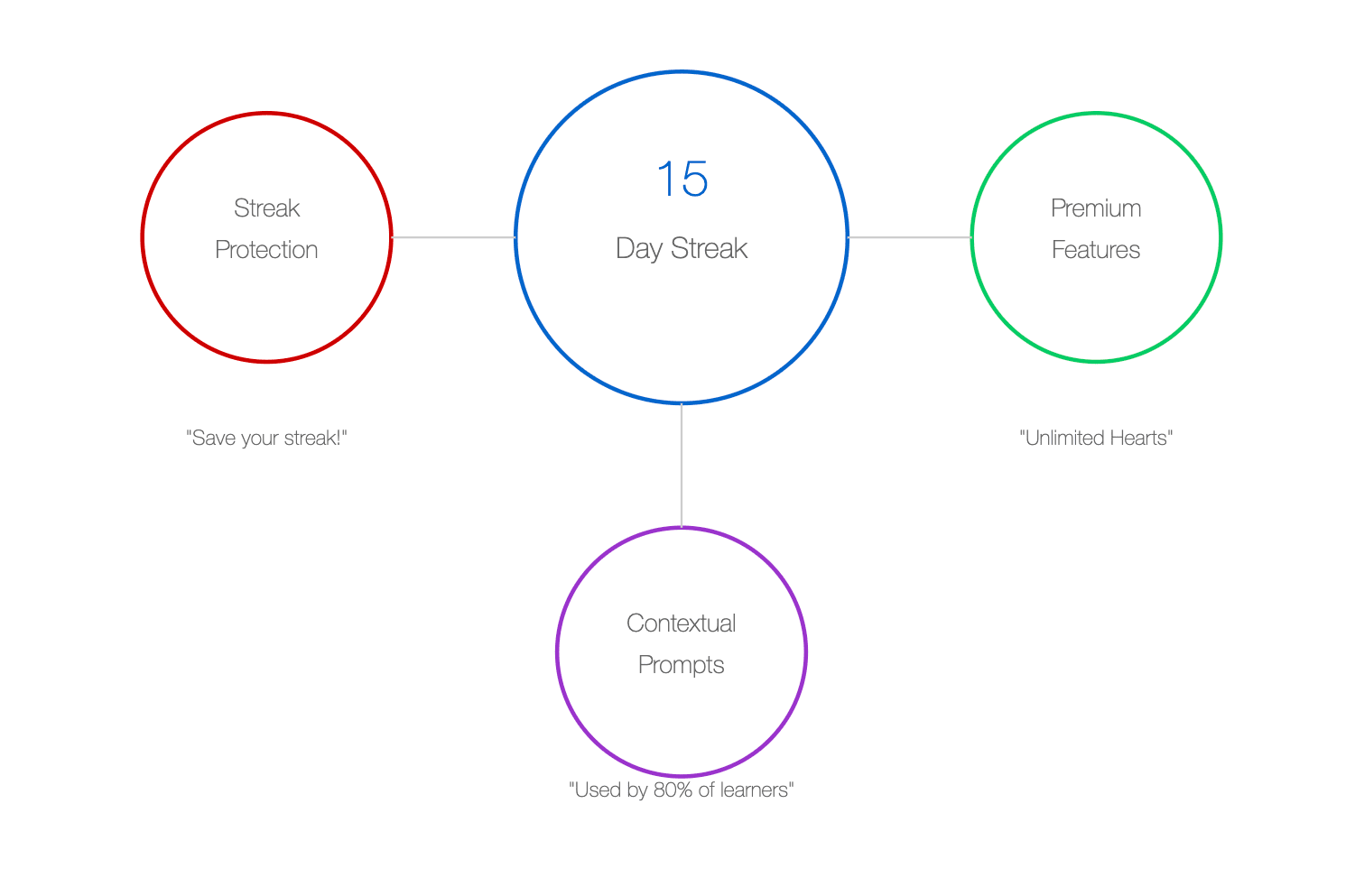
Another Duolingo tactic is their in-app premium ads. They clearly show what extra features you can get, like offline courses, extra health, and an ad-free experience—but it’s always in context. The paid features aren’t forced on you at random; they’re presented when it makes logical sense based on user behavior.
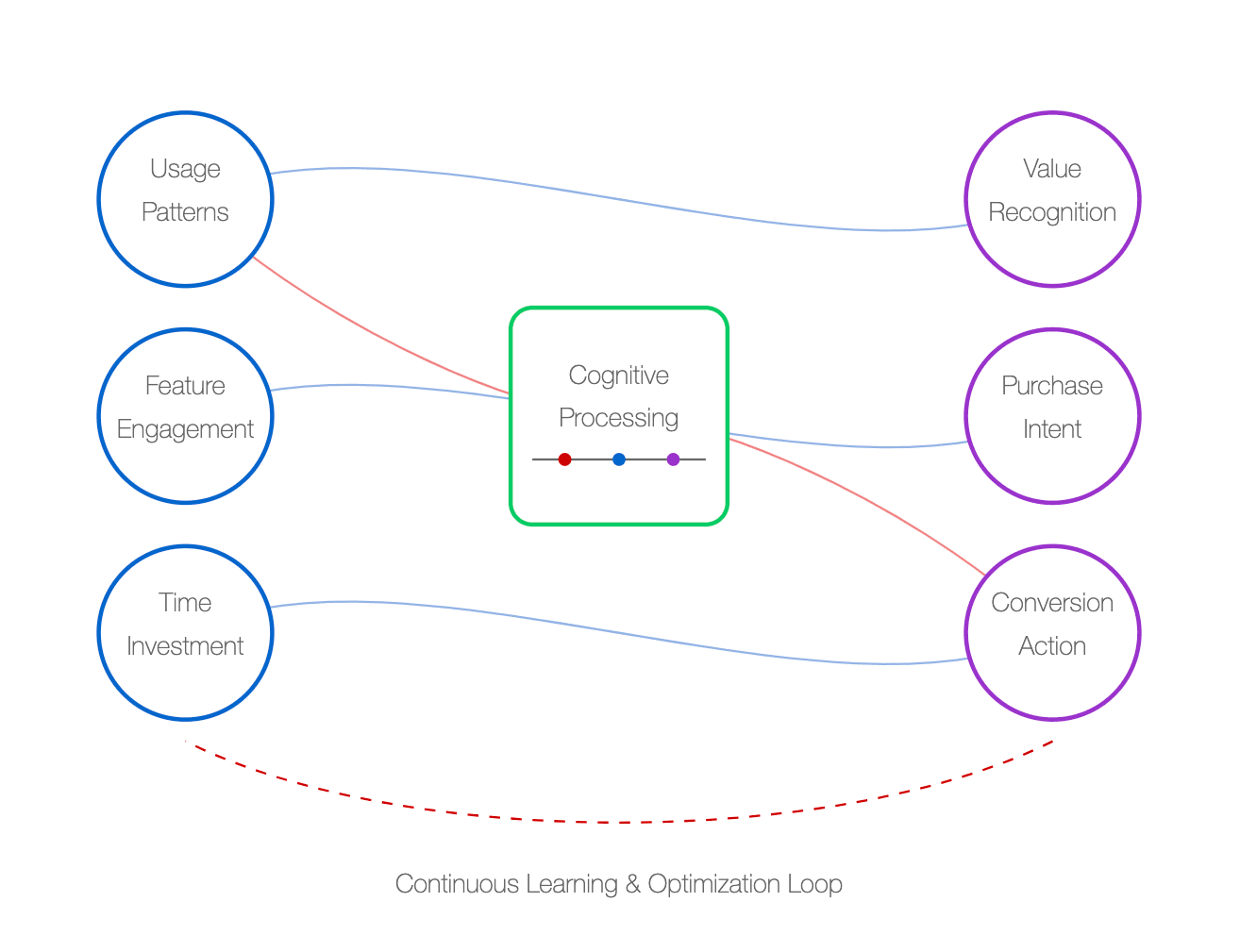
Conversions Are About the User’s Journey, Not Yours
To sum it up, optimizing the free-to-paid conversion funnel isn’t about aggressive upselling or nagging your users until they finally pay up. It’s about genuinely understanding the journey they’re on and making sure that upgrading feels like a natural and beneficial step. Behavioral triggers, combined with thoughtfully designed workflows, can make a massive difference—but only if you keep the user’s experience at the center.
Take it from me—at DataDab, where we offer marketing consulting services, we’ve learned that moving the needle on conversions is rarely about just adding another email or designing another pop-up. It’s about making people feel understood. It’s about using your data and your empathy to nudge them when it matters most.
The more you listen to your users, the more you can optimize those tiny moments that make the decision easy for them—to use your product, and to see its value and commit to it. That's what will turn free users into lifelong customers.
FAQ
1. What are behavioral triggers, and why are they important for free-to-paid conversions?
Behavioral triggers are specific actions or milestones achieved by a user that prompt an automated response, such as an email or notification. They are important because they align your marketing efforts with the user’s journey, delivering relevant nudges at the right moments to encourage upgrades.
2. How does the Endowed Progress Effect improve free-to-paid conversions?
The Endowed Progress Effect leverages a user’s sense of achievement to motivate them to continue progressing. By showing users how close they are to unlocking premium features, you create an intrinsic motivation for them to complete the action, which in this case, is upgrading.
3. How can automation be used to convert free users to paid subscribers?
Automation can be used through behavior-based workflows that deliver personalized content or offers as soon as users reach significant milestones. This targeted approach helps to convert users by addressing their specific needs at just the right time.
4. Why is the traditional drip campaign less effective for user conversions?
Traditional drip campaigns lack personalization and timeliness. They deliver generic messages that may not align with individual user behavior. Event-triggered, behavior-specific campaigns perform better because they are more relevant, enhancing user experience and increasing conversion chances.
5. How can user segmentation improve the effectiveness of conversion workflows?
User segmentation ensures that workflows are tailored to specific user behaviors. By grouping users based on how they engage with your product, you can create targeted messaging that speaks directly to their interests, increasing the relevance and effectiveness of your campaigns.
6. What are some common friction points that deter free users from converting, and how can they be addressed?
Common friction points include complex checkout processes, unexpected costs, and lengthy forms. Address these by simplifying payment steps, making pricing transparent, and reducing the number of fields users need to complete, thereby making the upgrade process as smooth as possible.
7. How can nurture sequences be effective without appearing overly promotional?
Nurture sequences can be effective by focusing on delivering genuine value rather than pushing for a sale. Provide helpful tips, resources, and insights that address the user's needs. Make communications feel like coaching rather than marketing to build trust and lead naturally to an upgrade.
8. How can A/B testing be used to optimize the free-to-paid conversion funnel?
A/B testing can be used to identify which elements of the conversion funnel are causing drop-offs. You can test different variations of onboarding processes, checkout flows, email campaigns, and call-to-action buttons to determine what works best and optimize accordingly for better conversions.
9. How do gamification techniques, like Duolingo's streaks, help drive conversions?
Gamification leverages users' natural motivations such as competition, progress, and rewards. Duolingo uses streaks to create a sense of investment in the learning journey, making users more likely to upgrade to keep their streaks alive. It makes the conversion feel rewarding rather than transactional.
10. What is the IF-THEN Moment Framework, and how can it be applied to conversions?
The IF-THEN Moment Framework involves triggering an action (like an email or reward) based on specific user behaviors (IF conditions). For example, IF a user reaches a certain milestone, THEN send them a targeted upgrade offer. This framework ensures that communication is timely and highly relevant to the user's journey, increasing the likelihood of conversion.