

9 practical attribution recipes that won’t collapse the moment Chrome sneezes
For years, third-party cookies were the quiet kitchen hands of digital marketing. Unseen. Underpaid. Doing all the prep work while attribution dashboards strutted around taking credit. Then privacy happened. Browsers grew a conscience. Regulators sharpened their pencils. And suddenly, the cookies we’d built our entire measurement worldview on were politely but firmly shown the door.

Cue panic. Or worse, LinkedIn posts announcing ‘the death of marketing’ in funereal tones, usually accompanied by a stock photo of a man staring into a sunset.
Let’s calm down.
Attribution isn’t dead. It’s just… grown up. Messier. Less deterministic. Slightly more honest. And if we’re being blunt, it probably needed this intervention anyway. The post-cookie world doesn’t ask you to abandon measurement. It asks you to stop pretending that marketing works like a CCTV system and start treating it like economics, psychology, and probability. With spreadsheets.
What follows are nine practical attribution recipes we’ve seen work in the wild. Not silver bullets. Not buzzword soup. Just approaches you can actually run with - even if your data team is one person and a very tired warehouse.
Recipe 1
Make peace with first-party data and actually use it

First-party data has been talked about so breathlessly you’d think it personally invented consent banners. But here’s the uncomfortable truth. Most teams saying ‘we’re investing in first-party data’ are really saying ‘we added a few extra fields to our forms and called it a day’.
First-party data is not a tactic. It’s an operating system.
This is the data users give you directly through signups, product usage, support tickets, demos, newsletters, onboarding flows. It lives in your CRM, your product, your email platform, your helpdesk. And crucially, it sticks around when browsers decide to revoke your toys.
The attribution shift here is subtle but powerful. Instead of asking ‘which ad converted this user?’, you start asking ‘what combination of interactions reliably precedes revenue?’. That’s a very different question, and one that first-party data is uniquely suited to answer.
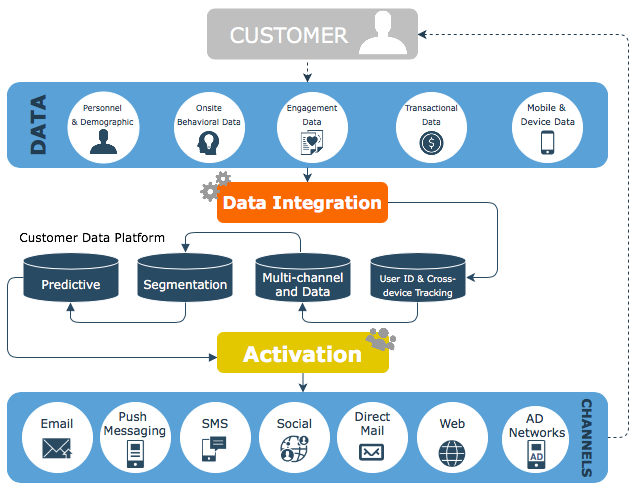
If your CRM is decaying quietly in a corner, now is the time to rescue it. Tools like HubSpot or Salesforce aren’t attribution tools per se, but they become the spine of your measurement when cookies fade. Clean lifecycle stages. Consistent source fields. Boring hygiene work that pays off later.
Unsexy. Indispensable.
Recipe 2
Switch from user-level certainty to cohort-level truth
One of the quiet lies of cookie-era attribution was the idea that you could perfectly trace a single user’s journey from first click to last invoice. You couldn’t. You just got closer than before, which felt comforting.
Post-cookie, the comfort blanket is gone. So we zoom out.
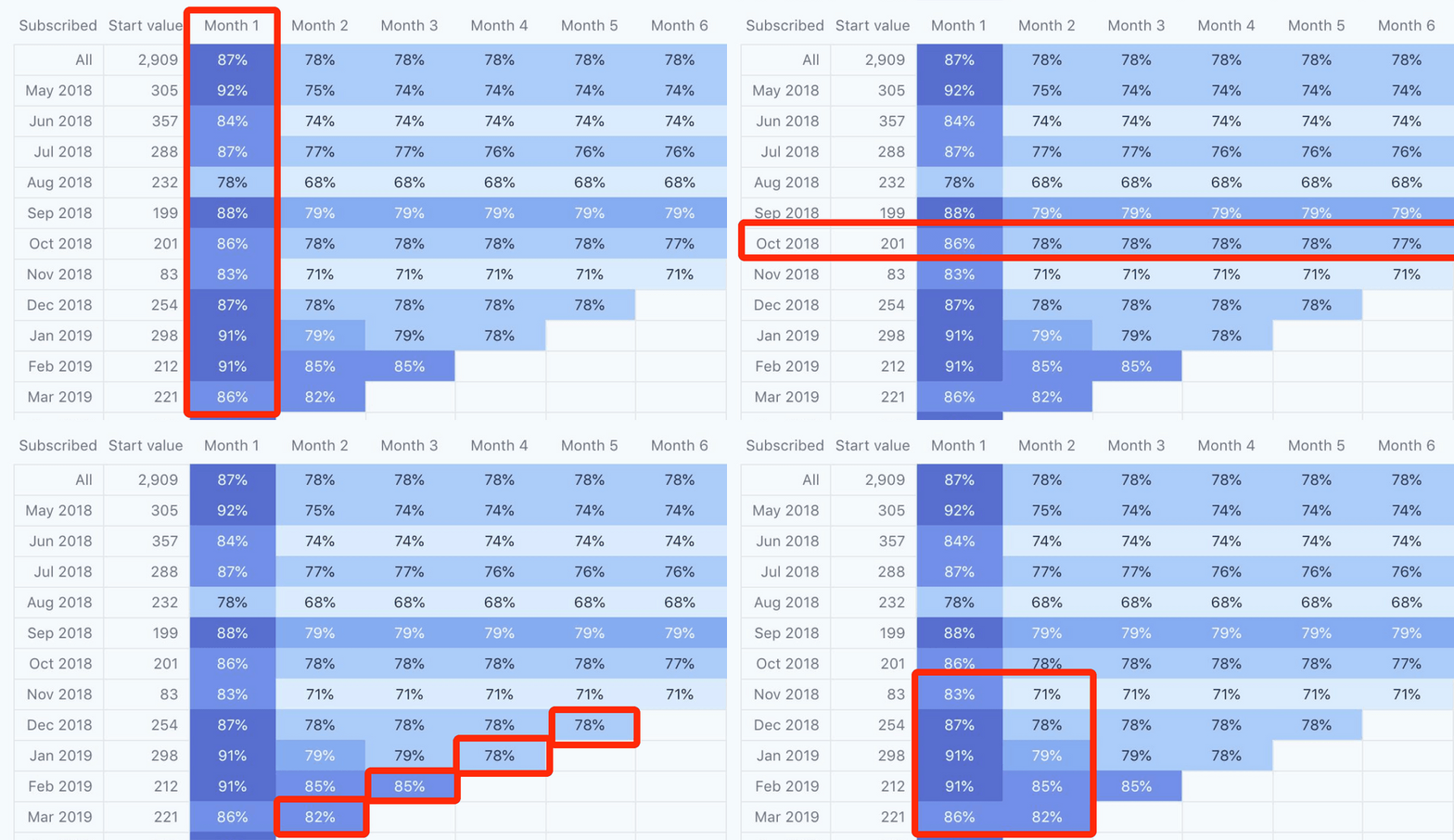
Cohort-based attribution looks at groups of users who share characteristics - signup month, acquisition channel, content exposure, product behavior - and tracks how those groups perform over time. You lose some granularity. You gain sanity.
Instead of obsessing over whether a specific LinkedIn ad caused a specific deal, you look at whether cohorts exposed to LinkedIn consistently convert at higher rates, expand faster, or churn less. That’s actionable. And statistically far more defensible.
Product-led teams have been doing this for years using tools like Amplitude or Mixpanel. Marketing teams are just late to the party.
The mental shift is hard at first. It feels like letting go. Then you realise you’re no longer arguing with sales about whose click ‘counts’. Bliss.
Recipe 3
Treat marketing mix modeling like an adult, not a relic

Marketing Mix Modeling sounds like something your CMO mentioned once in 2009 before everyone went back to last-click reports. Which is ironic, because MMM is suddenly cool again - precisely because it never relied on cookies.
At its core, MMM uses aggregated data to model the relationship between spend and outcomes across channels over time. No user tracking. No creepy persistence. Just math, patterns, and a willingness to accept ranges instead of absolutes.
In the cookie-free world, MMM is having a renaissance. Tools have improved. Data pipelines are cleaner. And leadership teams are more receptive to probabilistic answers now that deterministic ones are gone.
This works particularly well for mature teams with consistent spend across channels. Paid search, paid social, email, content, offline - all feeding into a single revenue outcome. You won’t get real-time answers. You will get directionally correct ones that stand up in boardrooms.
If you’ve dismissed MMM as ‘too complex’, you may want to revisit that assumption. Complexity is relative. So is ignorance.
Recipe 4
Lean into platform-native attribution without worshipping it

Yes, platform attribution is biased. Yes, every channel thinks it deserves more credit than your entire team combined. And no, you still can’t ignore it.
Platforms like Google Ads and Meta Ads still see meaningful slices of the journey, especially within their own walls. Their modeled conversions are not lies. They’re partial truths with incentives attached.
The trick is to use them as instruments, not judges.
We’ve seen smart teams track relative movements rather than absolute numbers. If Meta says conversions are up 20 percent after a creative change, and revenue cohorts support the trend, you’re onto something. If Meta says it drove 90 percent of pipeline and your sales team laughs out loud, you probably aren’t.
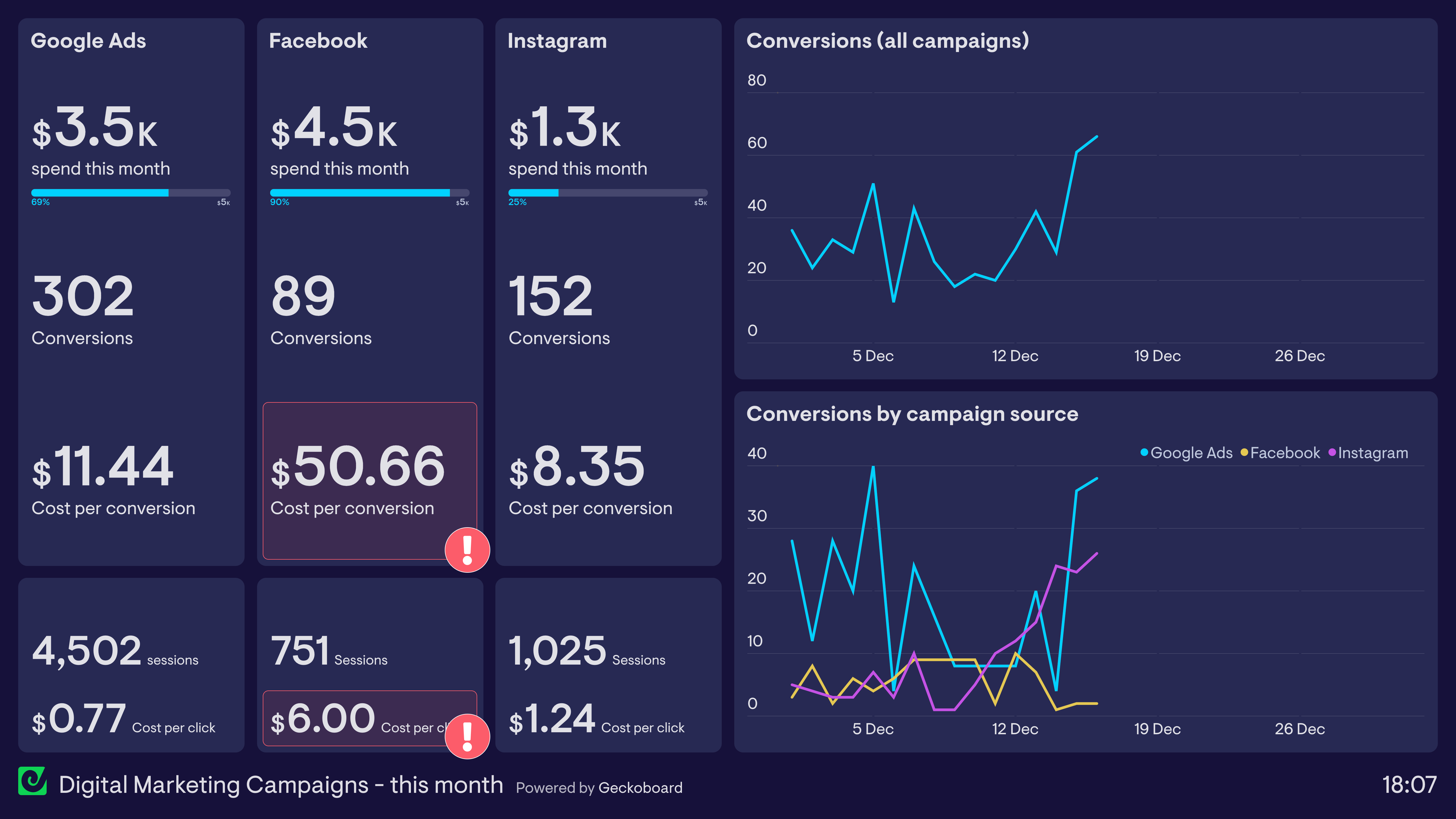
Post-cookie attribution is about triangulation. Platform data is one angle. CRM outcomes are another. MMM or cohort trends complete the picture. Anyone telling you one dashboard is ‘the source of truth’ is selling something.
Possibly themselves.
Recipe 5
Use server-side tracking to stabilise the foundations
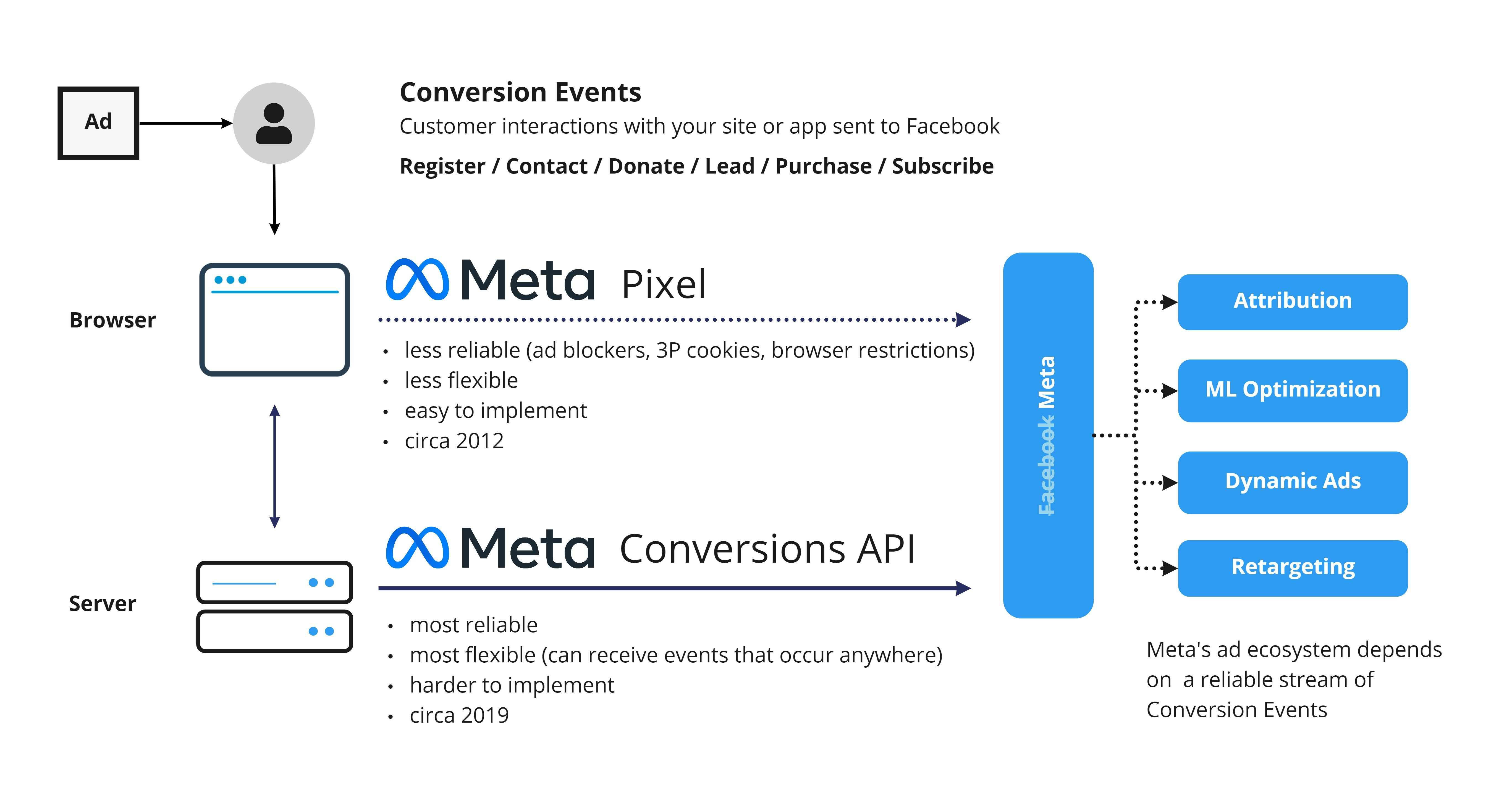
Server-side tracking is often sold as a magic fix for cookie loss. It isn’t. But it does quietly fix a lot of broken plumbing.
By moving tracking from the browser to your server, you reduce data loss from ad blockers, browser restrictions, and flaky client-side scripts. Events become more consistent. Identifiers last longer. And you’re less dependent on whatever Safari decided this week.
This is where tools like Google Analytics server-side setups or Meta’s Conversions API earn their keep. because they reduce chaos, not because they restore perfect attribution.
Think of server-side tracking as insulation. It doesn’t generate heat. It just stops warmth leaking out while you figure out the rest of the house.
Worth it. Especially if you’ve ever looked at a sudden traffic drop and whispered ‘but nothing changed’.
Recipe 6
Reframe attribution as directional decision support
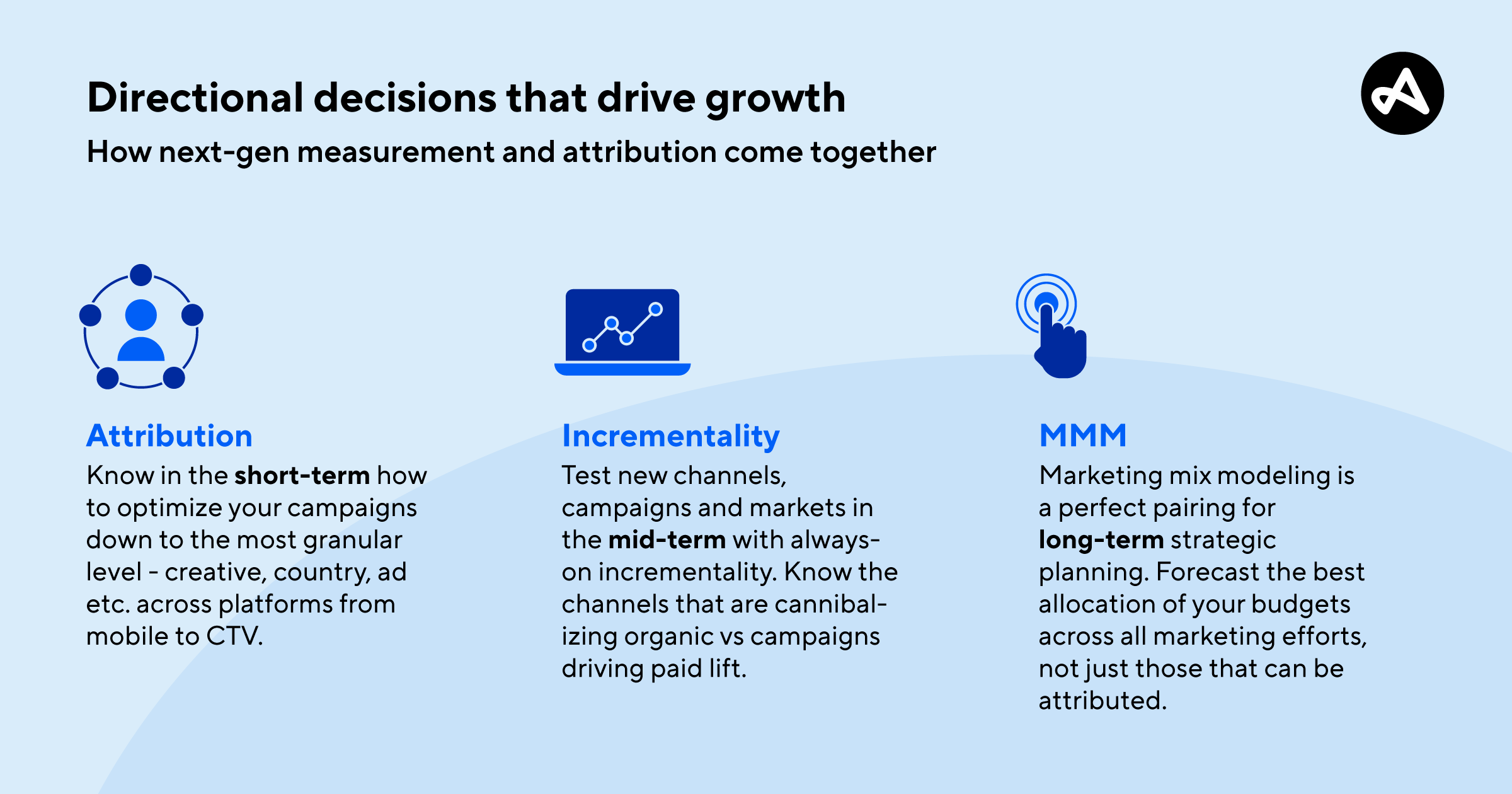
This one is less technical and more philosophical. Which makes it harder. And more important.
Attribution is not a forensic exercise. It’s a decision-making aid. Or at least it should be. The cookie era encouraged a false sense of precision, where decimal points masqueraded as certainty.
In the post-cookie world, the teams winning are those comfortable saying ‘this channel appears to influence early-stage demand’ or ‘this content accelerates deals’ without pretending to assign a single percentage to each touch.
This is especially relevant in B2B, where buying journeys resemble committee meetings more than funnels. You don’t need to know which blog post ‘caused’ a $120,000 deal. You need to know which themes consistently show up in deals that close faster or expand more.
Directional insight beats fake accuracy. Every time.
Recipe 7
Combine qualitative signals with quantitative ones

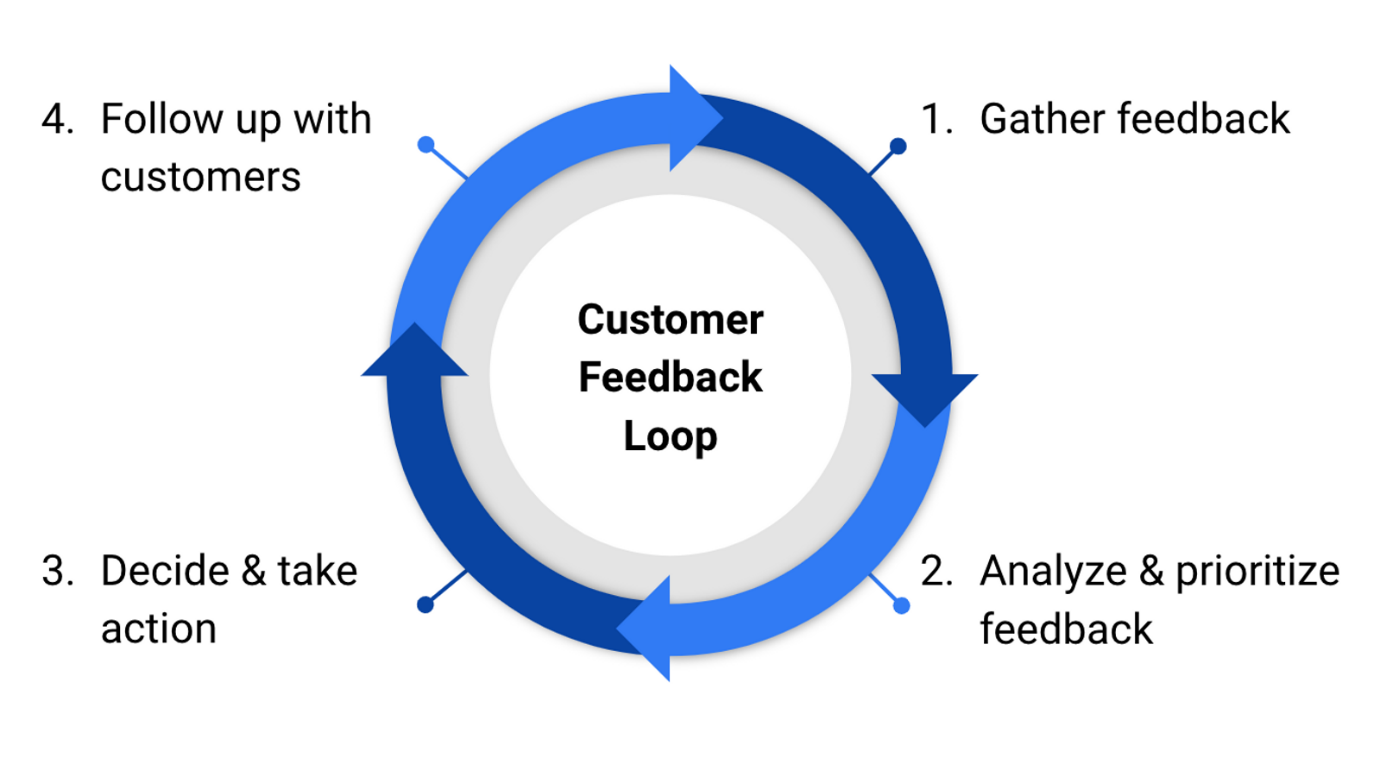
One of the accidental benefits of cookie loss is that teams are talking to humans again.
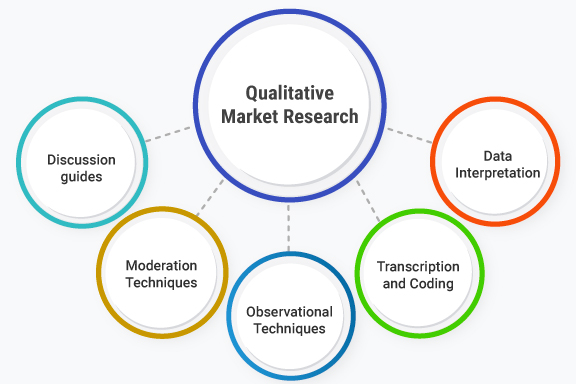
Sales notes. Win-loss interviews. Onboarding calls. Support tickets. These are not ‘soft’ inputs. They’re context. And in a world where digital exhaust is thinning, context matters.
We’ve seen attribution models sharpen dramatically when teams systematically tag qualitative feedback and correlate it with revenue outcomes. If buyers repeatedly mention a webinar, a report, or a specific use case during sales calls, that signal deserves weight - even if it never shows up cleanly in analytics.
Attribution isn’t just math. It’s pattern recognition across systems and conversations. Ignore either side and you’re flying half-blind.
Recipe 8
Accept that some channels are influence, not conversion
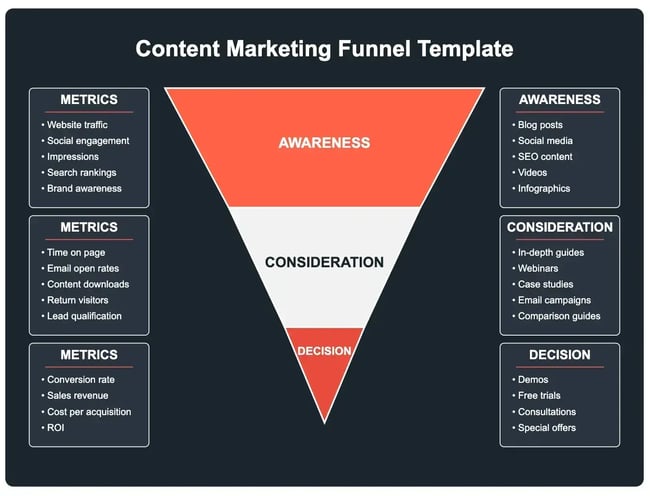
Content, communities, podcasts, thought leadership - these have always suffered under last-click thinking. Cookies didn’t help. They just masked the issue.
In the post-cookie world, it’s time to stop forcing these channels to behave like paid search. Measure them differently. Look at branded search lift. Direct traffic trends. Sales cycle compression. Share of voice in deals.
This is uncomfortable for teams used to tidy dashboards. But pretending everything converts the same way is worse. Influence is real. It just shows up sideways.
Once you accept that, your attribution model becomes more honest. And oddly, easier to defend.
Recipe 9
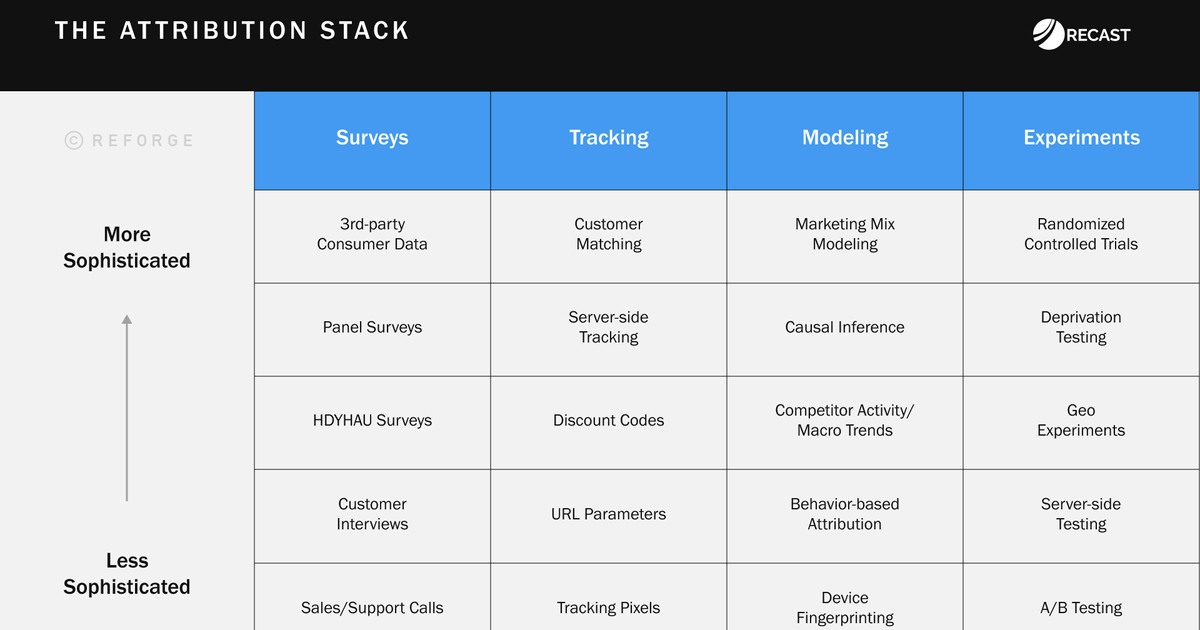
Build a ‘good enough’ attribution stack and stop chasing perfection

Here’s the final recipe. And the hardest.
There is no perfect attribution in a cookieless world. Anyone claiming otherwise is either nostalgic or selling enterprise software with a very long contract. The goal now is coherence, not completeness.
A solid stack might look like this. First-party data anchored in your CRM. Product or behavioral analytics for cohorts. Platform reporting for channel diagnostics. Periodic MMM for strategic budgeting. Qualitative inputs layered on top.
robust, not glamorous.
The teams doing this aren’t spending meetings arguing about whose number is right. They’re arguing about what to do next. Which is the better argument to have.
Wrap-up or TL;DR
The death of third-party cookies didn’t kill attribution. It killed lazy attribution. What’s replacing it is less tidy, more probabilistic, and far closer to how marketing actually works. First-party data becomes the anchor. Cohorts replace individuals. Models replace myths. And conversations replace dashboards as the final arbiter.
The upside is real. Better decisions. Fewer vanity metrics. Less false certainty. And a marketing function that’s finally aligned with reality instead of browser quirks.
Our slightly cheeky prediction? In two years, no one will miss third-party cookies. We’ll miss the illusion they gave us. But we’ll be better without it.
Want to get ahead? Try stress-testing your current attribution setup with a cookieless audit and see what still holds up when the crumbs are gone.