

And 2026 is when pretending you ‘didn’t get the memo’ stops being cute
For years, email marketing’s dirty little secret was that the inbox providers mostly tolerated our nonsense. You could buy a half-decent list, fire up a warm-ish domain, slap ‘newsletter’ in the subject line, and somehow still land in Primary. often enough to keep bad habits alive, not always. Not forever.
Those days are over.
Google (Gmail) and Yahoo have stopped hinting and started enforcing. Their bulk-sender rules aren’t suggestions. They’re table stakes. Miss them, and your emails don’t get politely filtered - they vanish into the void.
2024 was the warning shot. 2025 was the cleanup year. 2026 is when the rules harden into muscle memory for inbox algorithms, and marketers who still treat email like a volume game will wonder why ‘email doesn’t work anymore’.
It does.
Just not like that.
So here’s the marketer’s checklist for 2026. Not a hollow ‘best practices’ list. A practical, mildly unforgiving guide to what Gmail and Yahoo now expect - and what happens when you don’t comply.
The inbox providers are done babysitting us
Email platforms used to behave like patient parents. Sure, you sent rubbish sometimes. Sure, your authentication was a bit sloppy. But if enough people opened your emails, the system shrugged and let it slide.
That tolerance is gone.
Gmail and Yahoo now behave more like airport security. Everyone goes through the scanner. No exceptions. No ‘but we’re a brand people love’ speeches. No second chances if you keep setting off alarms.
Why the change? Because inbox providers are fighting a war on three fronts.
First, spam volume keeps growing, powered by cheap automation and AI-written drivel that looks vaguely human from a distance. Second, user trust is fragile. One too many scammy emails and people stop trusting the inbox altogether. Third, regulatory pressure isn’t going away, especially around consent and data protection.
So instead of guessing who’s naughty, inbox providers now enforce baseline technical and behavioral standards. Meet them, and you’re allowed to play. Miss them, and you’re out.
Authentication is no longer optional admin work
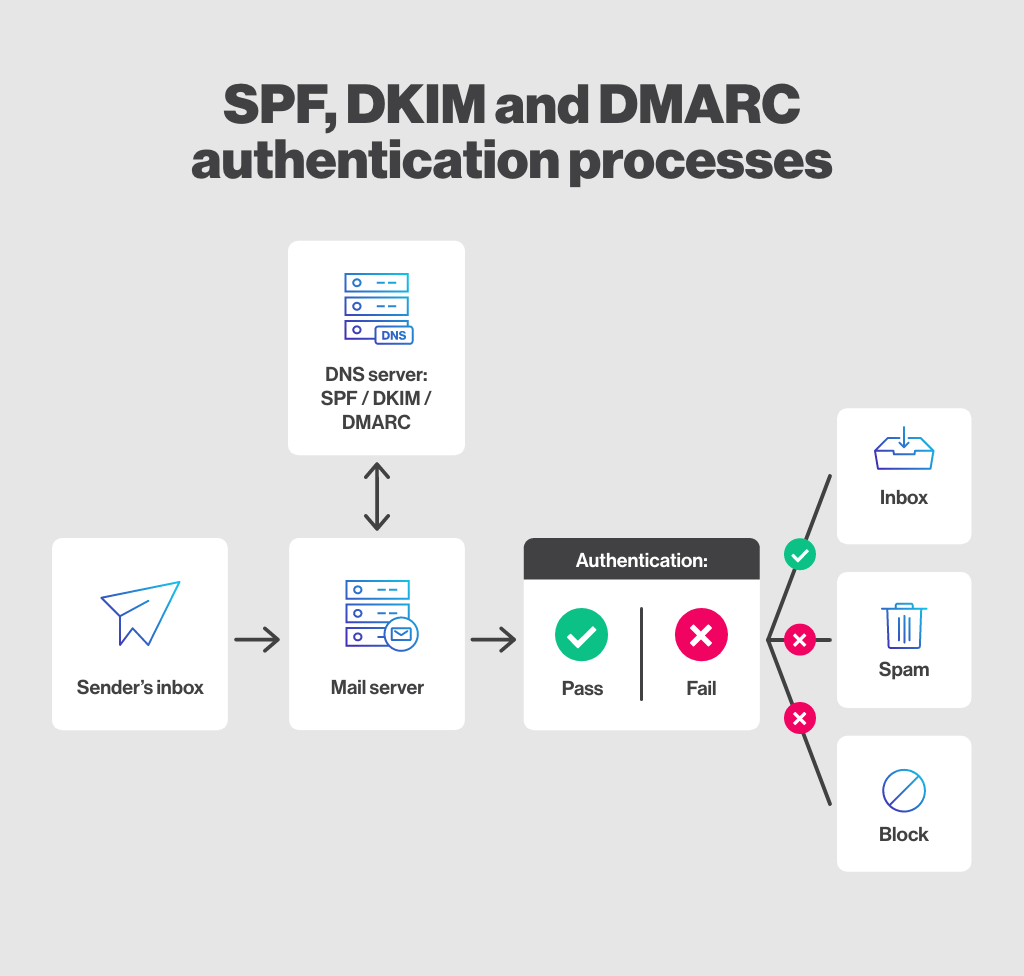
Let’s get this out of the way first, because it’s non-negotiable.
If you send bulk email in 2026 without proper authentication, you’re not a rebel. You’re invisible.
At a minimum, Gmail and Yahoo expect:
- SPF set up correctly, listing every system that sends mail on your behalf. Not ‘most of them’. All of them. CRMs, marketing tools, transactional platforms, random plugins you forgot about.
- DKIM signing enabled and aligned with your sending domain. If your ESP supports custom DKIM and you haven’t enabled it, you’re effectively wearing a fake moustache to the inbox.
- DMARC with a policy that’s doing actual work. ‘p=none’ was fine as a training wheel. In 2026, it’s a red flag.
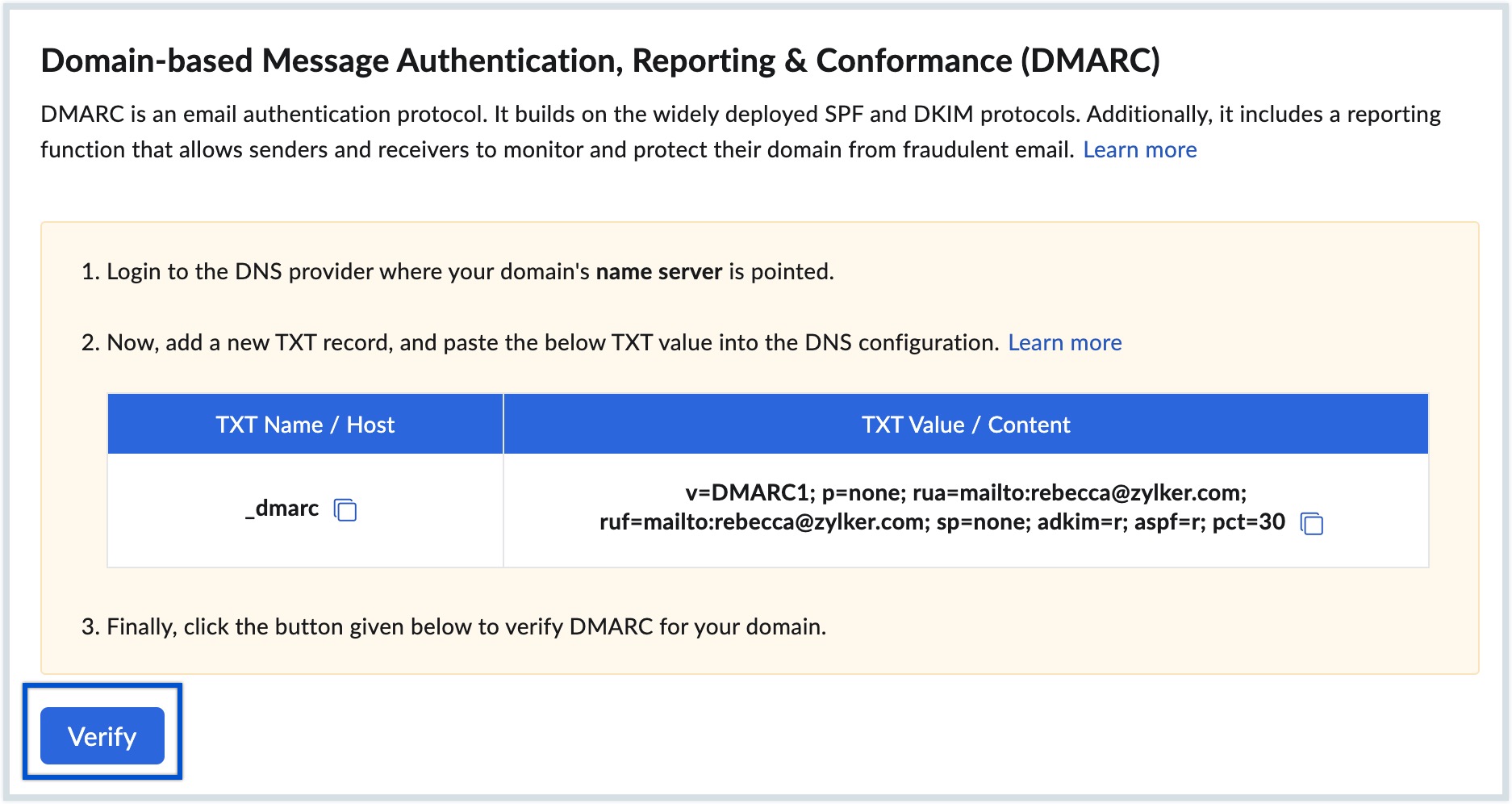
What’s changed isn’t the existence of these standards. It’s enforcement. Gmail and Yahoo now treat missing or misaligned authentication as a trust failure, not a technical oversight.
And yes, alignment matters. A lot. If your ‘From’ domain says one thing and your DKIM or SPF says another, you don’t get points for effort.
DMARC is where grown-up senders separate themselves
Most marketers nodded along to DMARC for years without really committing. Reports piled up in inboxes. Nobody read them. ‘We’ll tighten it later’ became the default stance.
2026 is later.
Gmail and Yahoo increasingly expect DMARC alignment with a policy of at least ‘quarantine’, ideally ‘reject’ for mature senders. Why? Because DMARC is how inbox providers know you care about protecting users from spoofing and phishing.
This isn’t just about deliverability. It’s about brand safety. When scammers can impersonate your domain easily, everyone loses.
If you’re nervous about flipping to ‘reject’, that’s a sign you haven’t fully mapped your sending sources yet. Which is fair. But it’s not a reason to delay indefinitely. It’s a reason to audit properly.
Complaint rates are the new silent killer
Open rates used to be the headline metric everyone obsessed over. Then came click rates. Then revenue attribution. All useful. All secondary now.
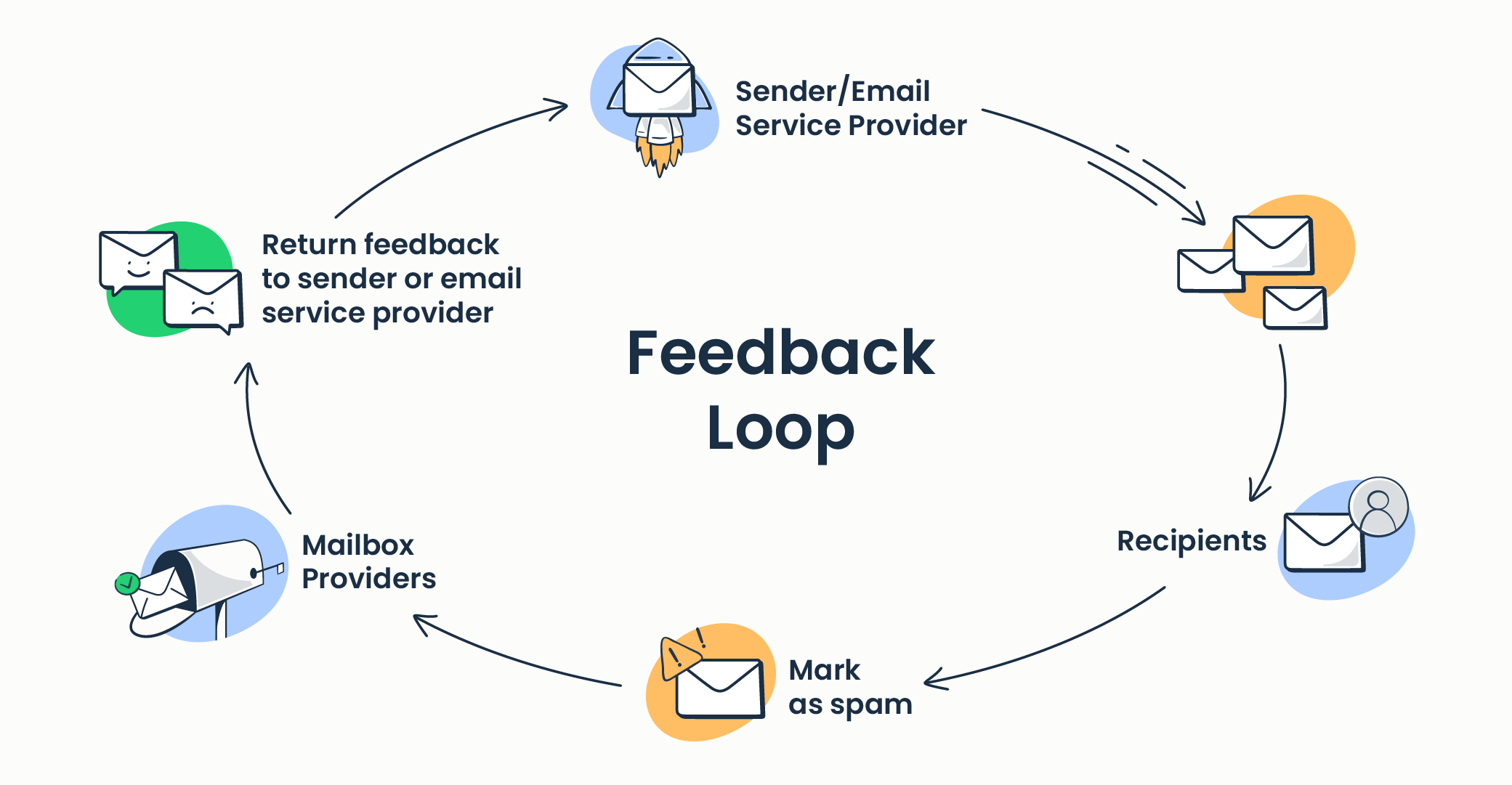
What inbox providers really care about is how many people tell them ‘I don’t want this’.
Gmail and Yahoo track spam complaints obsessively. And they’re ruthless about thresholds. Keep your complaint rate below 0.1%. Once you hit 0.3%, you are blocking eligible and may be automatically rejected.
The brutal part? Spam complaints are often your best subscribers turning against you. People who once opted in but no longer remember why you’re emailing them. Or worse, people who never really opted in at all.
In 2026, list quality beats list size every single time. A smaller list with near-zero complaints will outperform a bloated one that triggers user irritation.
One-click unsubscribe is table stakes, not a ‘nice touch’
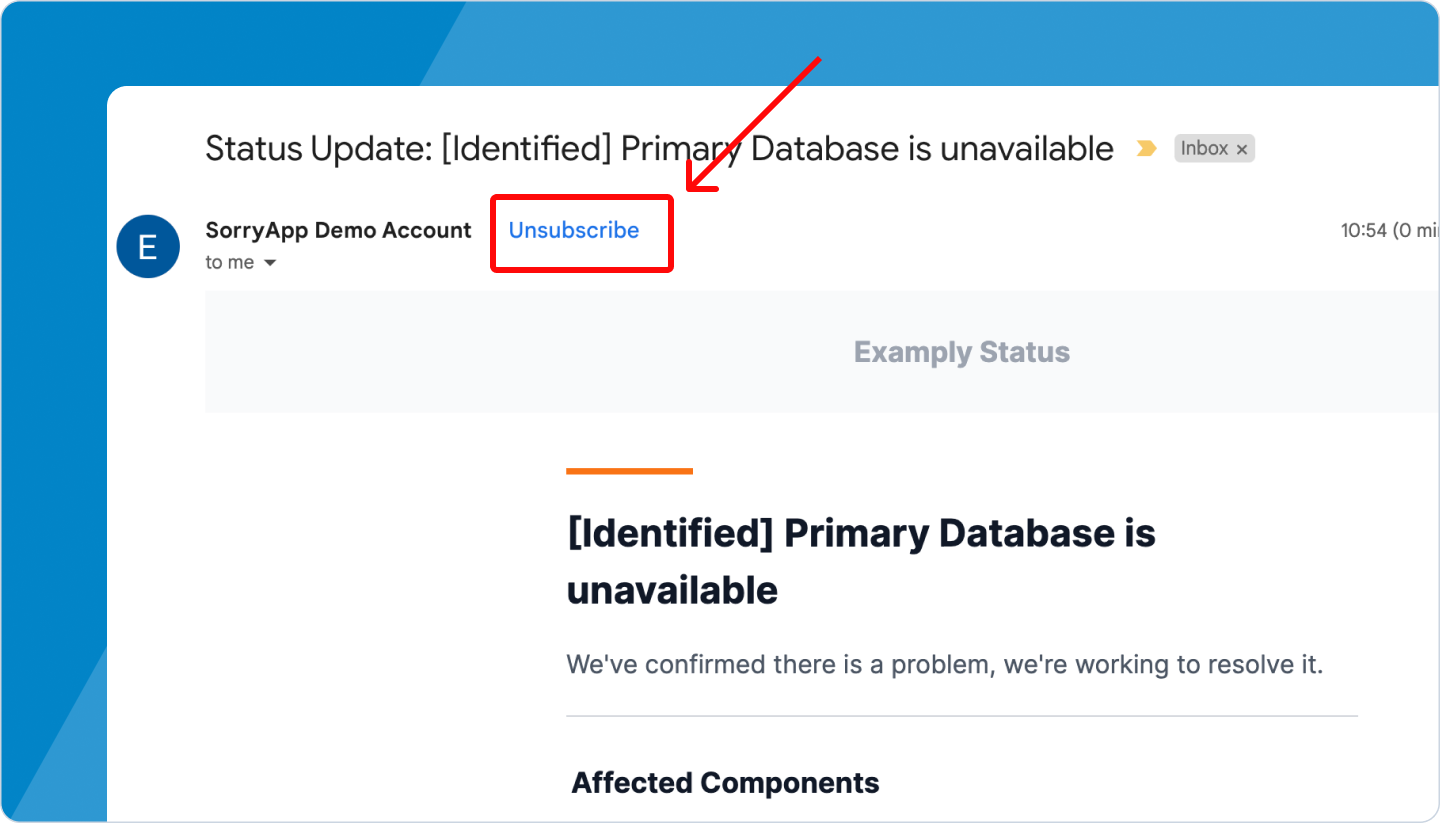
Remember when marketers tried to hide unsubscribe links in 6-point grey text at the bottom of the email? Gmail remembers. Yahoo remembers. And they’re not impressed.
Bulk senders are now expected to support RFC-compliant one-click unsubscribe, using the List-Unsubscribe header. Gmail even surfaces its own unsubscribe button when you do this properly.
This isn’t about being generous. It’s about reducing spam complaints. When unsubscribing is easy, annoyed users leave quietly instead of slamming the spam button on the way out.
If your unsubscribe process involves logging in, answering a survey, or waiting three days, you’re asking for trouble.
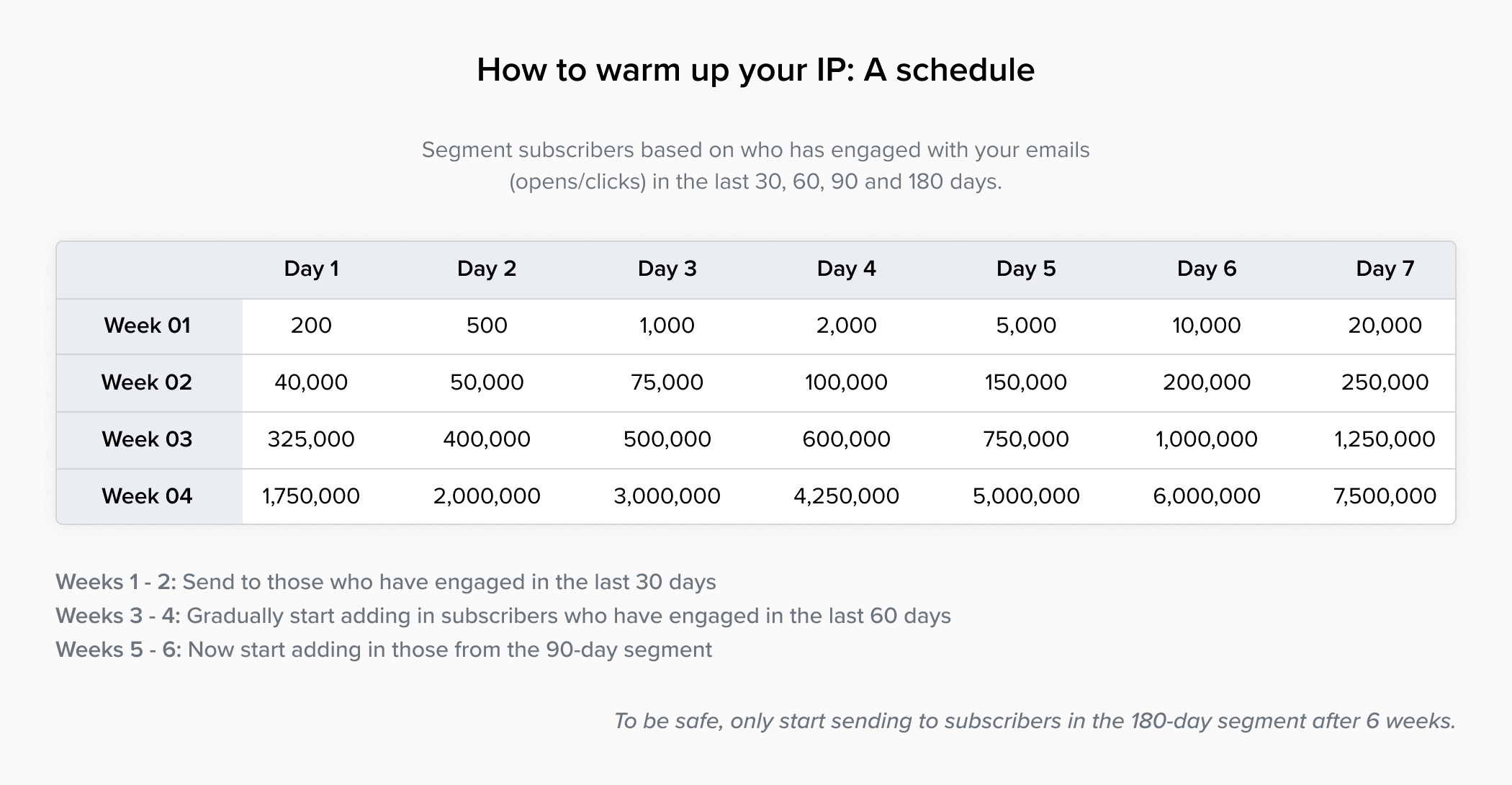
Volume spikes are treated like suspicious behavior
Inbox providers are very good at spotting patterns. One of the patterns they distrust most is sudden volume changes.
That big product launch? That ‘let’s email the whole database’ moment? That cold-ish campaign you decided to try ‘just once’? All of these look like red flags when they deviate from your normal sending rhythm.
In 2026, consistent cadence beats heroic bursts. Gmail and Yahoo reward predictable behavior. They punish erratic spikes, especially from domains without a long, clean history.
This doesn’t mean you can’t scale. It means you scale deliberately. Gradually. With warm-up, segmentation, and real engagement driving growth.
Engagement isn’t vanity anymore, it’s survival

Inbox providers don’t read your content like humans do. They infer value from behavior.
Opens. Clicks. Replies. Time spent reading. Deletions without reading. Spam complaints. Unsubscribes.
All of it feeds the machine.
In 2026, sending emails that people ignore is almost as bad as sending emails they dislike. Low engagement signals tell Gmail and Yahoo that your messages aren’t wanted, even if nobody explicitly complains.
This is why ‘weekly newsletter because that’s what we do’ is a risky strategy. Frequency without value trains people to ignore you. Ignored emails don’t stay in the inbox forever.
Cold email is under the harshest spotlight
Let’s address the awkward bit.
Cold email isn’t dead. But sloppy cold email is on life support.
![How to Check and Improve Email Sender Reputation [2025]](https://mailtrap.io/wp-content/uploads/2023/02/Factors-affecting-email-sender-reputation.png?utm_source=chatgpt.com)
Gmail and Yahoo’s bulk sender rules apply based on volume and behavior, not your intent. If you send enough cold emails to trigger bulk thresholds, you’re judged by the same standards as any newsletter sender.
That means authentication, complaint rates, unsubscribe handling, and engagement all matter. A lot.
The old playbook of spraying personalized-ish emails from dozens of domains is getting harder to sustain. Inbox providers are getting better at connecting dots. Patterns matter.
In 2026, the cold email that survives is targeted, low-volume, permission-adjacent, and respectful. Everything else slowly suffocates.
A quick reality check for B2B marketers
B2B teams love to assume they’re somehow exempt. ‘Our audience expects email.’ ‘These are professional inboxes.’ ‘Spam rules are more for ecommerce.’
Inbox providers do not care.
A Gmail inbox is a Gmail inbox, whether it belongs to a CFO or a college student. The rules apply equally. If anything, B2B senders often have worse hygiene because lists age faster and buying signals are rarer.
If your revenue depends on email, you can’t afford to treat deliverability as an afterthought owned by ‘someone in ops’.
The 2026 bulk sender checklist
Not a strategy document. A survival list.
| Area | What Gmail and Yahoo expect |
|---|---|
| Authentication | SPF, DKIM, DMARC fully set up and aligned |
| DMARC policy | At least quarantine, moving toward reject |
| Complaint rate | Well below 0.3% consistently |
| Unsubscribe | One-click, RFC-compliant, frictionless |
| Volume | Predictable cadence, no wild spikes |
| Engagement | Strong opens, clicks, low ignores |
| List hygiene | No purchased lists, regular pruning |
Miss one item occasionally and you might limp along. Miss several, and you’ll slowly disappear from inboxes without a dramatic failure to warn you.
That’s the cruel part. Deliverability death is usually quiet.

What smart teams are doing differently
The teams winning at email in 2026 aren’t clever hackers of the system. They’re boring in the best way.
They send fewer emails. They segment ruthlessly. They treat unsubscribes as a healthy outcome, not a loss. They monitor DMARC reports. They prune dead subscribers without nostalgia.
Most importantly, they view email as a relationship channel, not a megaphone.
Which sounds obvious. Until you look at most email calendars.
Wrap-up or TL;DR
Gmail and Yahoo didn’t suddenly become villains. They simply stopped compensating for bad marketing behavior. Authentication, complaint rates, unsubscribe friction, engagement - these aren’t edge cases anymore. They’re the baseline.
By 2026, bulk sender rules won’t feel new. They’ll feel normal. And marketers who adapt now will quietly keep winning while others complain that ‘email just doesn’t convert like it used to’.
It does.
Just for people who play by the new rules.
Want to get ahead? Audit your sending setup, clean your lists, and treat deliverability like a product problem - not a technical chore. Your future inbox placement depends on it.