

If you’re reading this, chances are you’re tired of marketing fluff. You know the kind-grandiose promises of leads falling like rain, but you end up with a drizzle at best. You’re seeking more than shallow definitions and fancy jargon about demand generation. You want the essence-what works, why it works, and how to make it happen in the real world. Let us begin.
In my experience running DataDab, a marketing agency focused on helping brands drive growth, I’ve found demand generation to be more of an art form than a one-size-fits-all strategy. There’s no exact paint-by-numbers, no off-the-shelf playbook. It’s nuanced, rooted in understanding your audience deeply - maybe even better than they understand themselves. And sure, everyone says that - but the truth is most marketers never get there. They stick to the surface, dabbling in data without truly digging. But demand generation demands more. It means connecting the dots others don’t even see.
What Exactly Is Demand Generation?
Let’s start here. Demand generation isn’t lead generation. It isn’t SEO. It’s not paid ads or gated eBooks, either. It’s a strategic, systematic way to generate interest and awareness for your product or service across your ideal customer segments. In a way, it’s the foundational work that makes everything else-like your sales efforts-possible. It creates a need where there wasn’t one before.
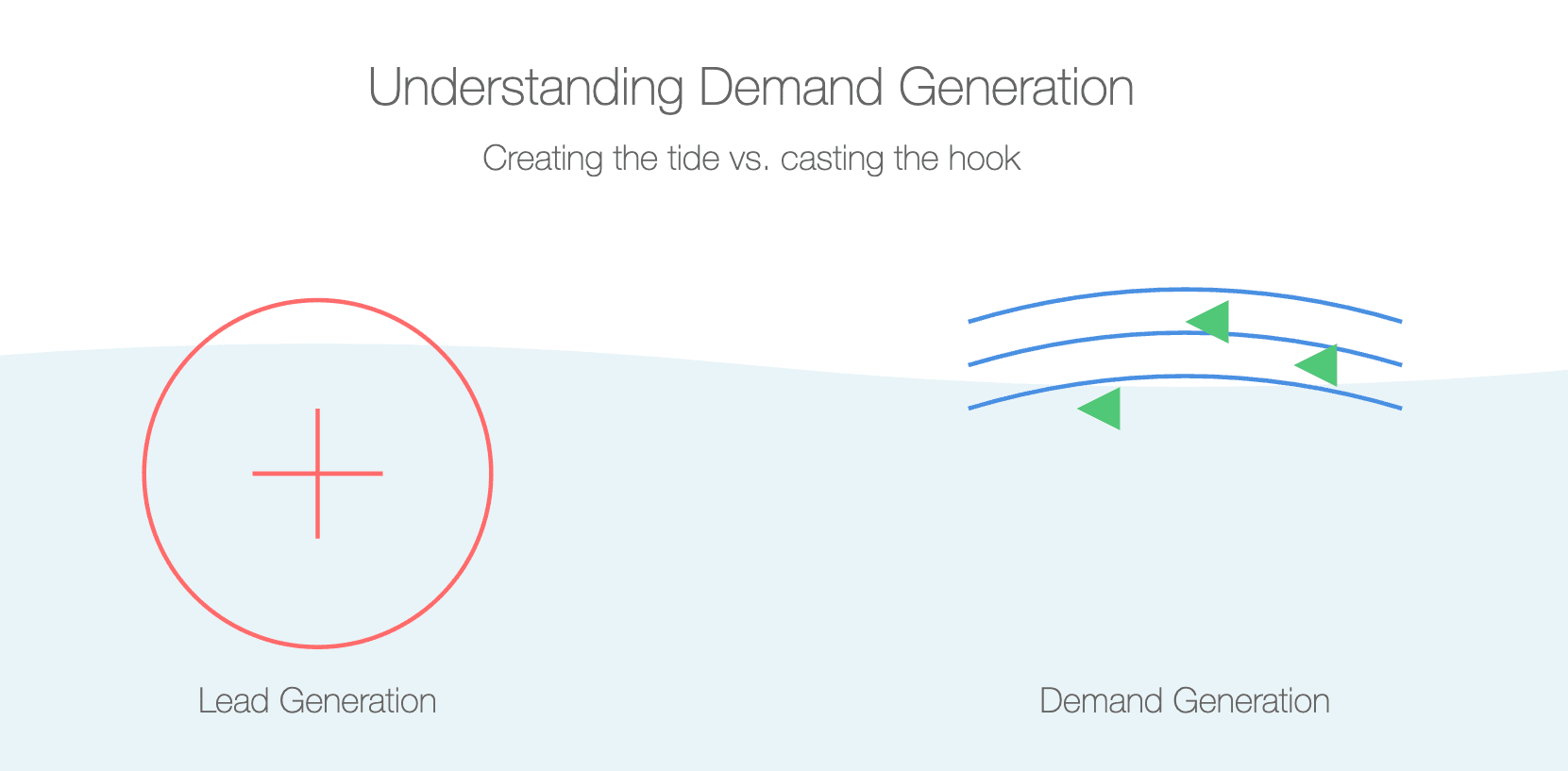
If we were to use a fishing analogy - lead generation is the hook and bait, while demand generation is getting the fish to notice and swim toward you in the first place. It's the tide that brings them closer, piquing curiosity and nurturing interest before they even see the bait.
Why Demand Generation Often Fails
Demand generation sounds thrilling on paper, but more often than not, it’s mishandled—falling into the trap of buzzwords and shallow tactics.
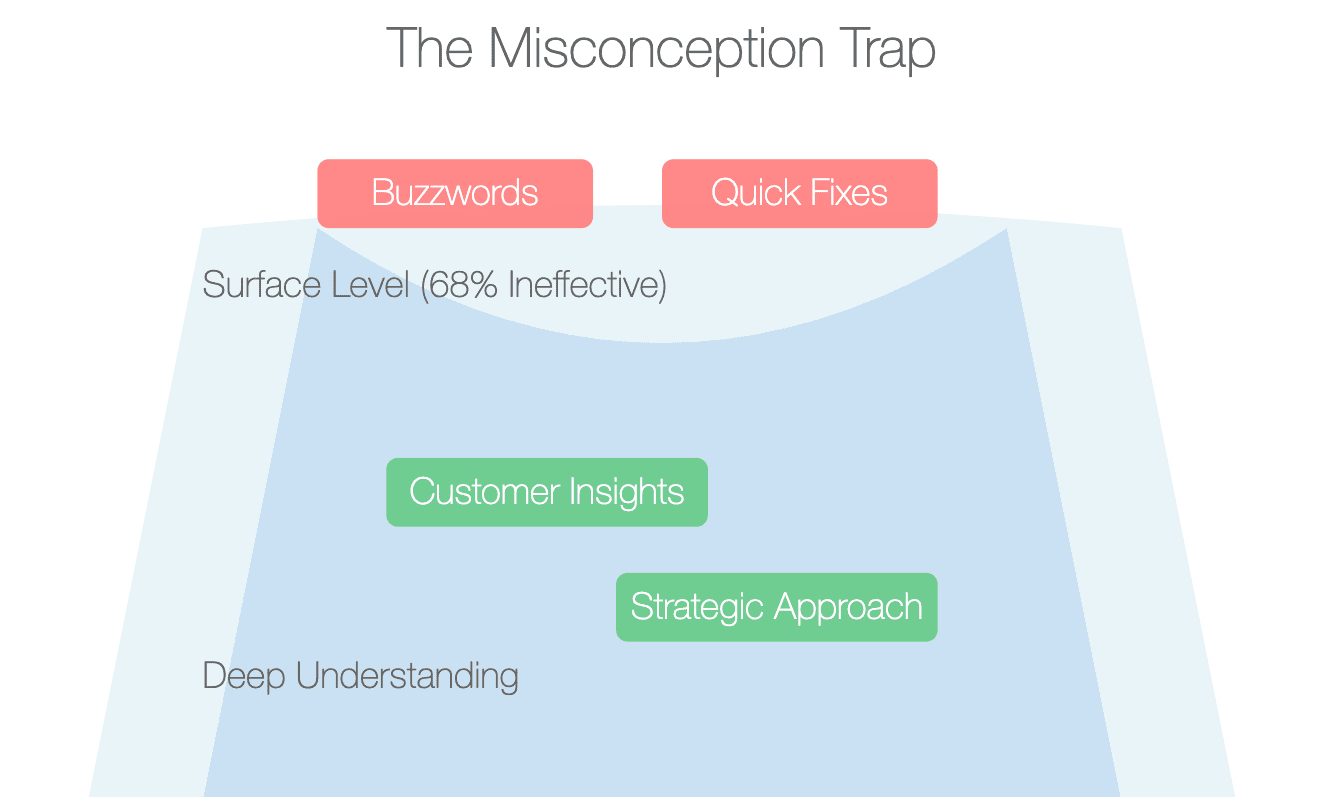
It’s worth noting that according to Forrester Research, 68% of companies report that their demand generation efforts are ineffective. The root of the problem? Lack of patience and understanding. Too many marketers start the demand generation conversation by talking about themselves—they hype their product without recognizing that, at this stage, no one cares. The cold, hard truth is that no one will care until you’ve shown them why they should.
The moment you skip the groundwork of genuinely understanding and articulating the problems your target audience faces, demand generation becomes a chore. It becomes marketing spam, and no one likes spam—not even marketers.
Let’s Get Personal
At its core, demand generation is personal. Imagine for a moment you're at a party. You don’t walk up to a stranger and begin a one-sided rant about your achievements, right? Instead, you’d make small talk—start where they are. You listen, find common ground, and bring them into the conversation.
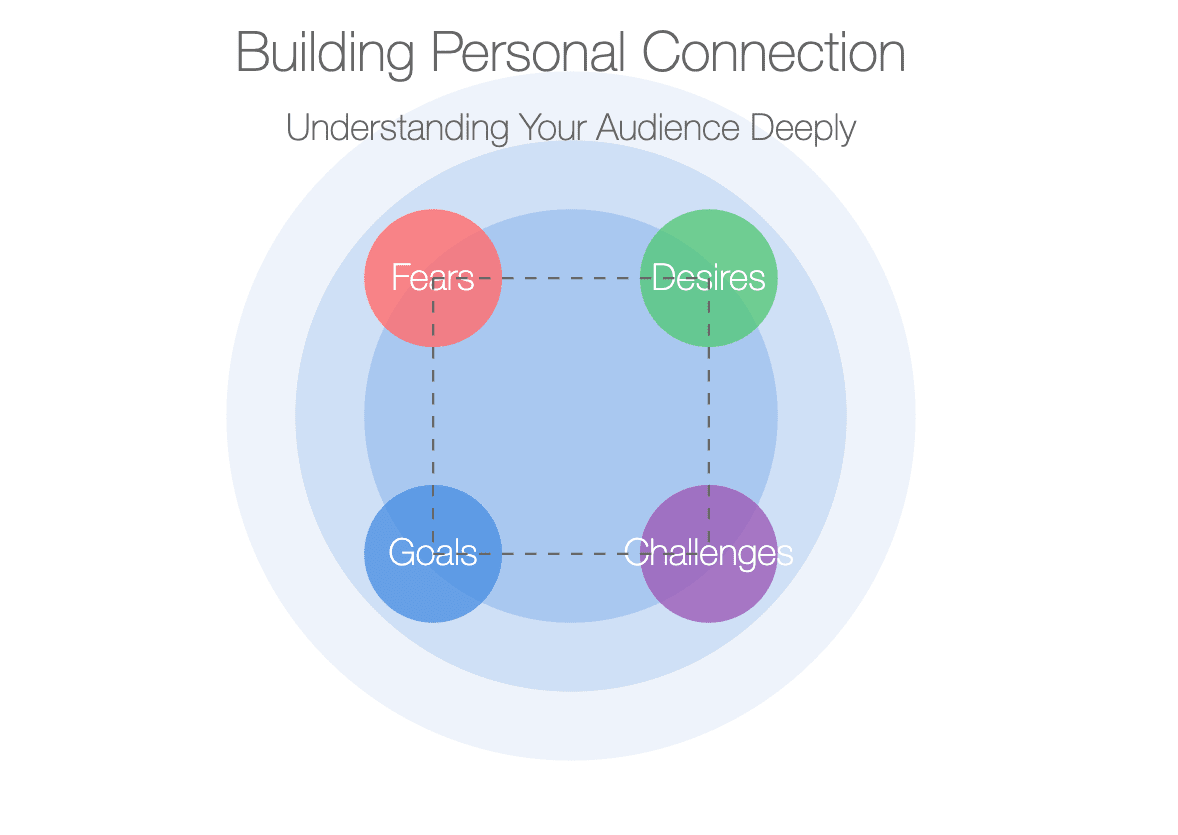
The same is true with demand generation. It starts by showing empathy for the real challenges your audience faces. Are they CIOs in logistics struggling to harness their growing data while reducing costs? Are they retail marketers trying to personalize customer experiences without invading privacy? You need to deeply understand and articulate what keeps them up at night before expecting them to give you any of their time.
One technique we’ve used successfully at DataDab is creating detailed customer personas that go beyond demographics. We talk about fears, desires, internal dialogues—things that keep them from success and things that excite them. We build a conversation out of that and channel it through our marketing.
The Building Blocks
A solid demand generation approach doesn’t rely on a single channel or campaign. It’s a well-oiled ecosystem, with each moving part working in tandem to create a cohesive experience. Here's a simple yet detailed breakdown:
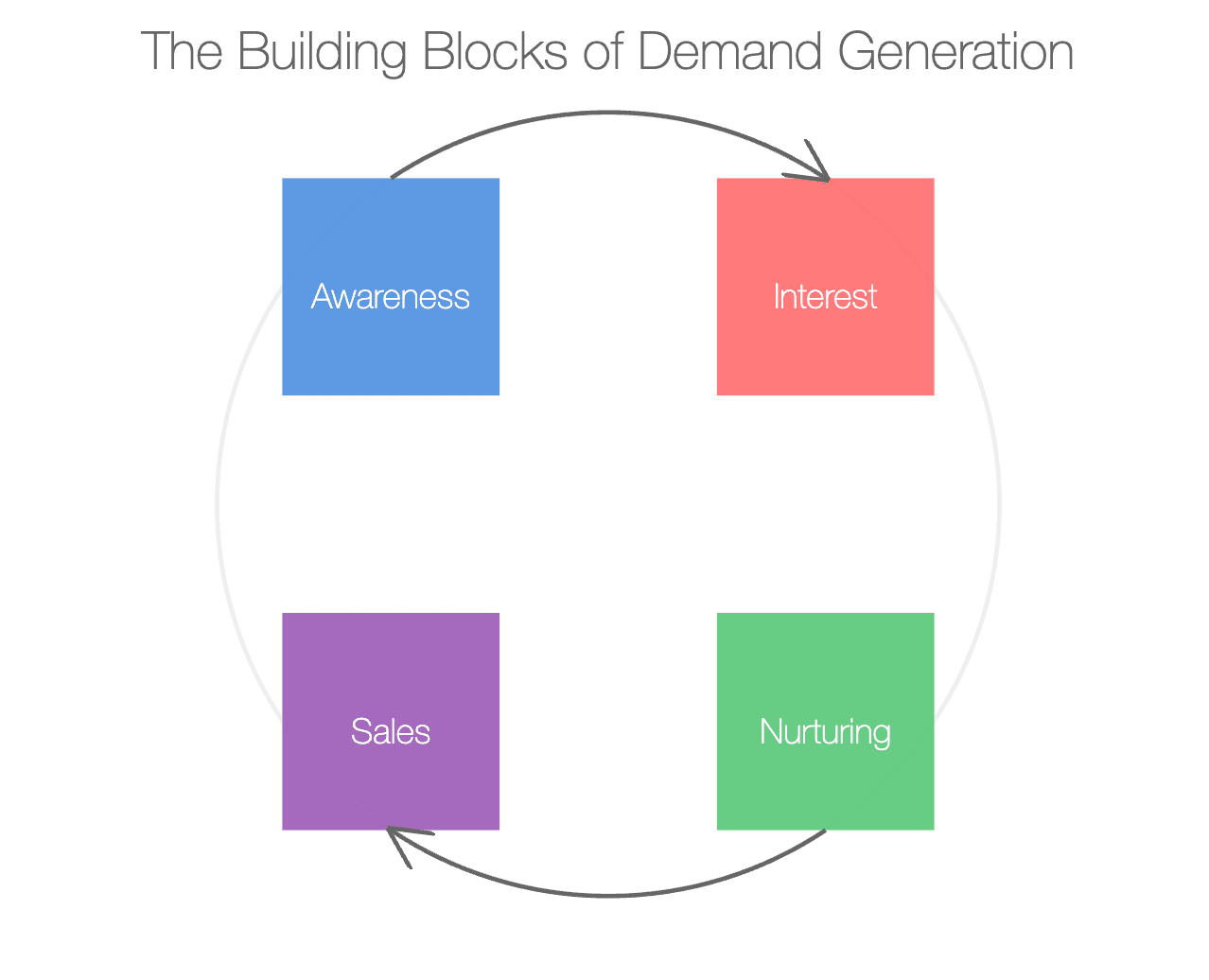
- Awareness and Education – Your audience doesn’t know your brand yet, and honestly, they don't have to at this point. What they need is information that resonates. Educational content—in the form of blogs, webinars, industry reports—all positions you as an authority, not a salesperson.an essential tip: Avoid being vanilla. Dive deep. Your audience is already exposed to an avalanche of generic “How To” guides. Do original research, cite real statistics, and be vulnerable enough to share a unique perspective.
- Interest and Engagement – Once your audience becomes aware, they’ll start gravitating toward resources they can engage with. Here, interactive content shines—quizzes, self-assessments, or even industry-specific calculators that help them understand where they stand or how they compare.Think about the real estate industry, for instance. A home valuation calculator is a brilliant engagement tactic—it offers value first, getting people to interact with your content while subtly moving them closer to a sale.
- Lead Nurturing with Personalization – Don’t wait until a potential customer explicitly raises their hand before you start nurturing. Use lead scoring to understand where they are in their journey. Depending on their actions, personalize your follow-up emails and retargeting ads.Personalization here doesn’t just mean throwing their name in an email. It means offering them resources tailored to their specific challenges. For instance, if they spent a considerable amount of time on your article about “Scaling for Hyper-Growth,” then the next piece they receive shouldn’t be “A Beginner’s Guide to CRM,” but something like, “The Ultimate Checklist for Scaling SaaS Without Sacrificing Customer Experience.”
- Seamless Handover to Sales – When the interest peaks and potential customers start showing buying signals—like visiting your pricing page multiple times—your sales team needs to be prepared. Demand generation works best when sales and marketing aren’t playing a game of telephone.Sales enablement material, such as one-pagers, tailored case studies, and success stories that speak to specific verticals, can make this process smoother. Here, it's all about timeliness—reaching out when the iron is hot, backed by a contextual understanding of what’s resonating with the lead.
| Stage | Focus | Tactics |
|---|---|---|
| Awareness & Education | Provide Information | Blogs, Webinars, Industry Reports, Whitepapers |
| Interest & Engagement | Interaction | Interactive Content, Quizzes, Calculators, Polls |
| Lead Nurturing with Personalization | Personalized Value | Lead Scoring, Retargeting, Personalized Follow-Up Content |
| Seamless Handover to Sales | Timely Outreach | Sales Enablement Materials, Tailored Case Studies, Success Stories |
Content for Demand Generation
Content marketing remains at the heart of demand generation, but it’s not about flooding the market with average content. In my years with DataDab, I’ve learned that the adage, “Less is more,” is often true—provided the ‘less’ you produce is exceptional.
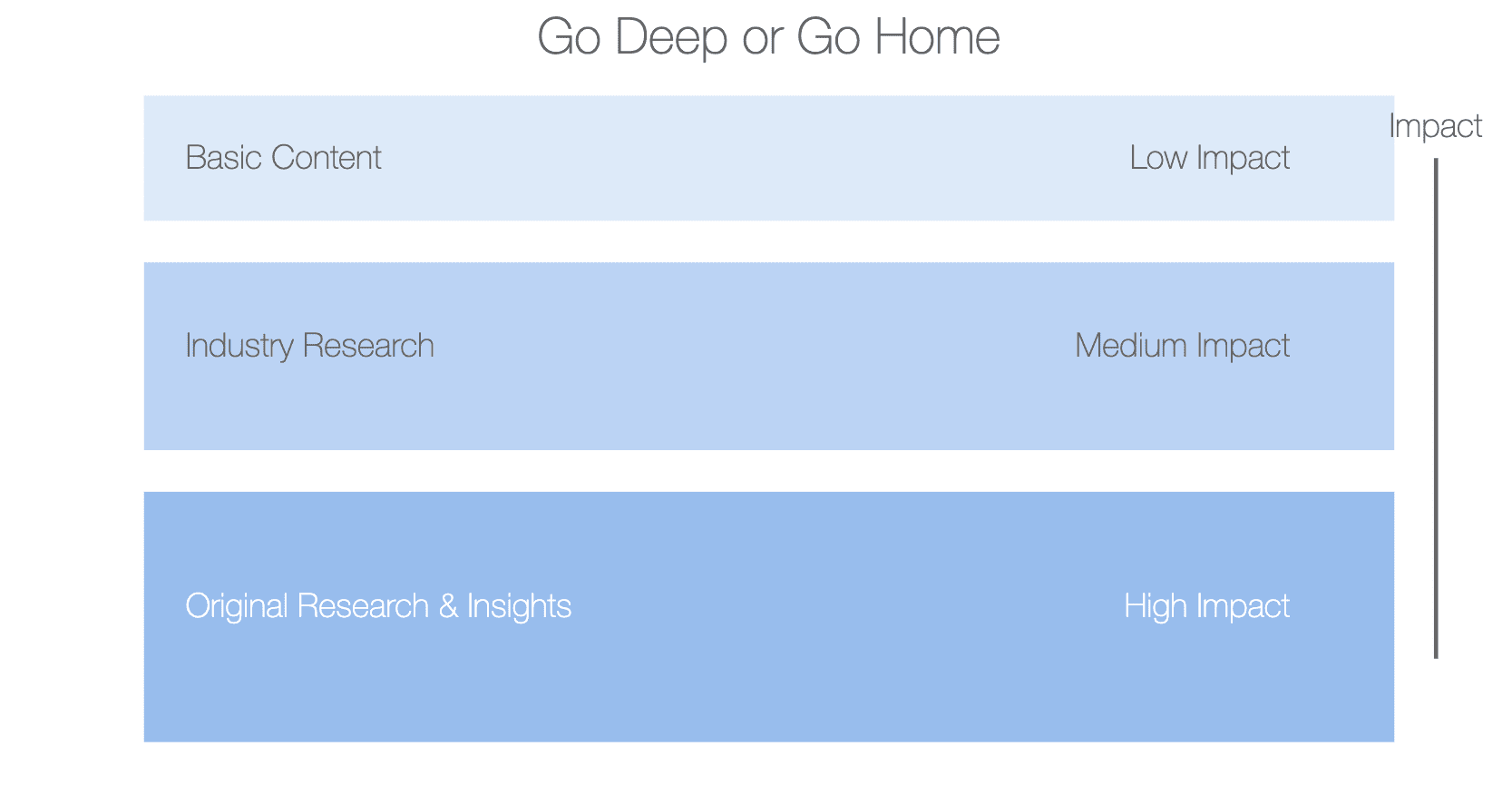
Why Long-Form Content is Your Secret Weapon
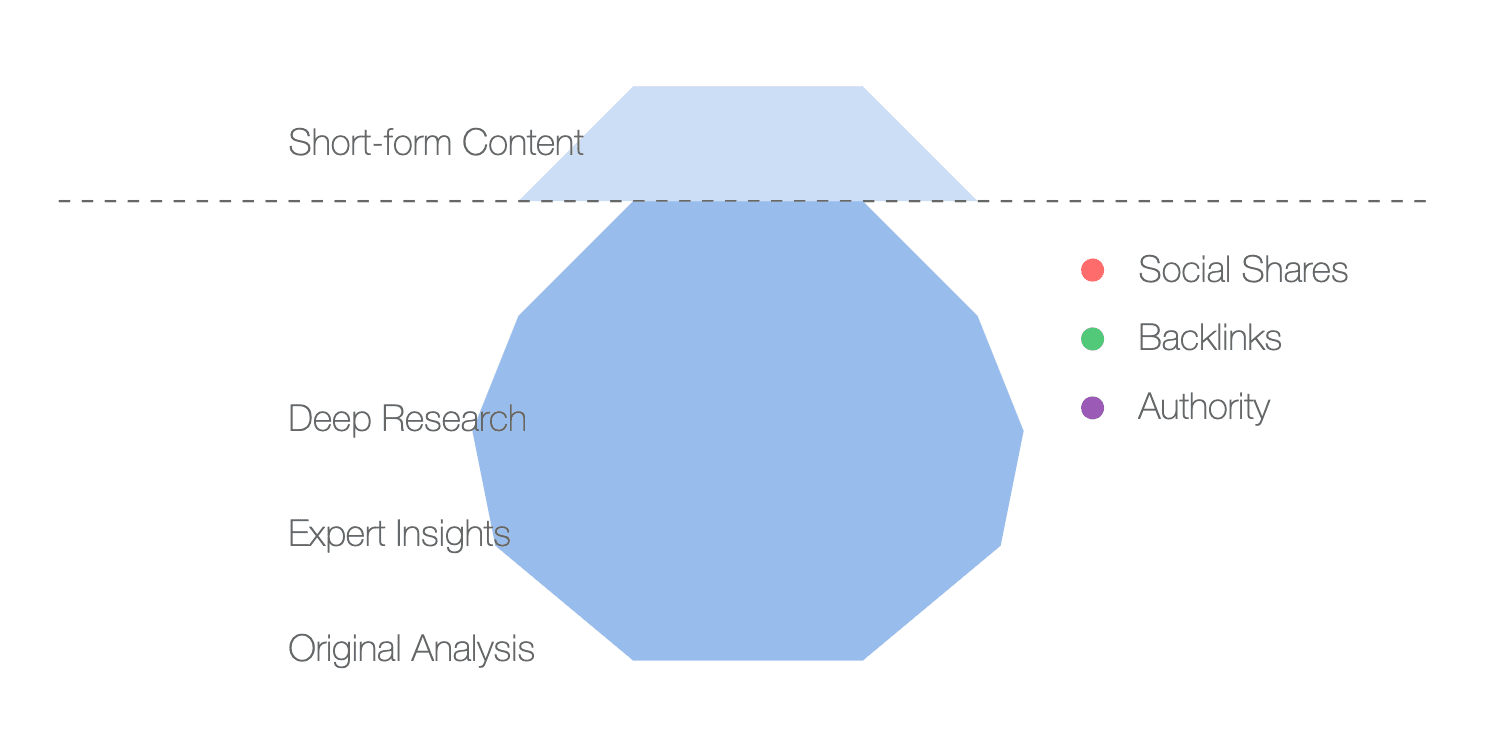
When it comes to building trust and expertise, long-form content often wins. A BuzzSumo analysis of over 100 million articles found that long-form content gets more social shares and backlinks compared to shorter pieces. Yet, most marketers still shy away from it because it’s time-consuming. But here's the kicker—high-quality long-form content serves as a powerful demand generation tool.
Take whitepapers, for example. At DataDab, we created an in-depth whitepaper on personalization in retail marketing. It wasn’t just a rehash of existing knowledge; it included insights from over 20 interviews with CMOs, brand leaders, and data scientists. The distribution effort wasn’t easy—but it brought in leads worth over $1.5 million within six months. That’s the power of going deep.
Another example is complete industry guides. Say you work with B2B manufacturing clients—a definitive guide to navigating supply chain resilience, with tangible data points and exclusive expert quotes, can do wonders. People share valuable information, and shares mean new eyeballs. It’s digital word-of-mouth.
Distribution
If creating content is half the battle, distributing it effectively is the other half. The biggest mistake I see clients make is assuming, “If I write it, they will come.” They won’t.
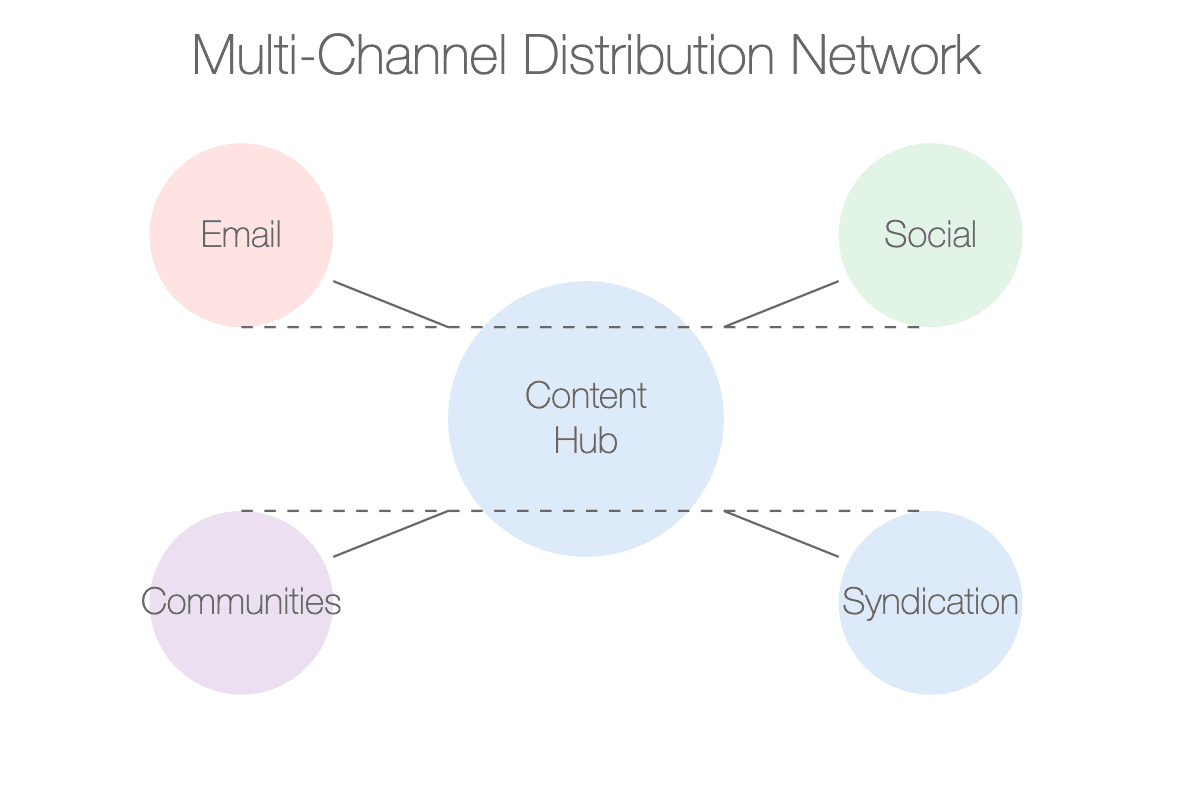
Use multi-channel amplification. Email marketing to share your best content with your existing list, social media posts (organic and paid), syndication partnerships, and even engaging with niche online communities on Slack, Reddit, or LinkedIn groups. For instance, if you’ve created an exhaustive resource for product managers, there’s nothing better than sharing snippets on **Product Management Insiders” Slack channel—these communities thrive on quality content.
Honing in on Intent Signals
A mistake many brands make is trying to reach everyone at once. But demand generation isn’t about going broad—it’s about finding the precise moment when someone shifts from being passively interested to actively curious. This is where intent data becomes invaluable.
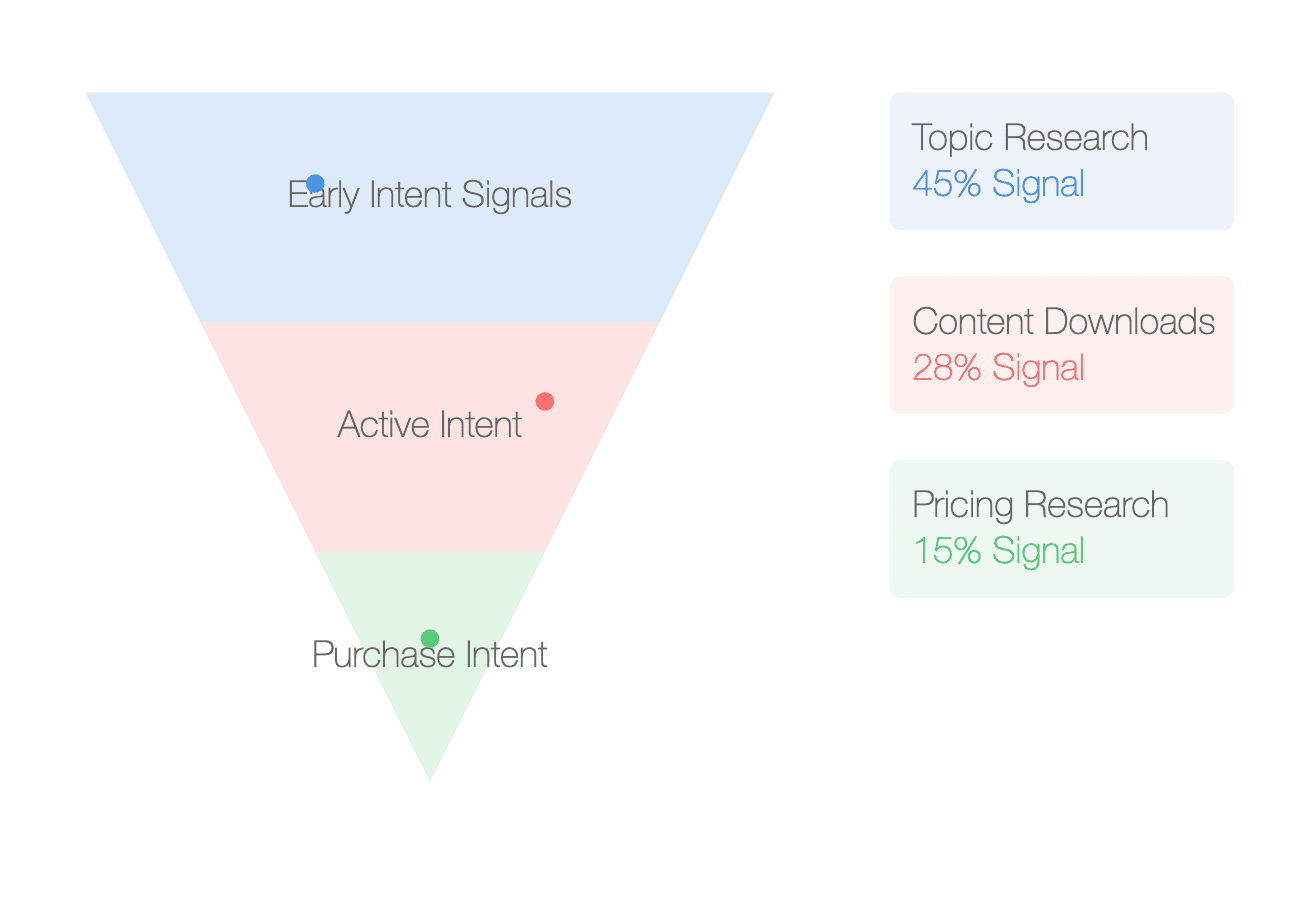
Let’s take the example of B2B SaaS again. There are numerous data providers—like Bombora or 6sense—that offer insights into what companies are researching or engaging with. If a company is consuming a lot of content around “customer data platforms,” you can infer a possible intent to invest in a CDP solution. If your marketing can be triggered accordingly—offering them case studies, insightful articles, or even hosting a targeted webinar—it can nudge them along the buyer journey.
In practice, I often recommend starting with small-scale pilots on intent-driven campaigns. Test, tweak, optimize. Even a 2% increase in MQL conversion can lead to outsized results.
Are You Measuring What Matters?
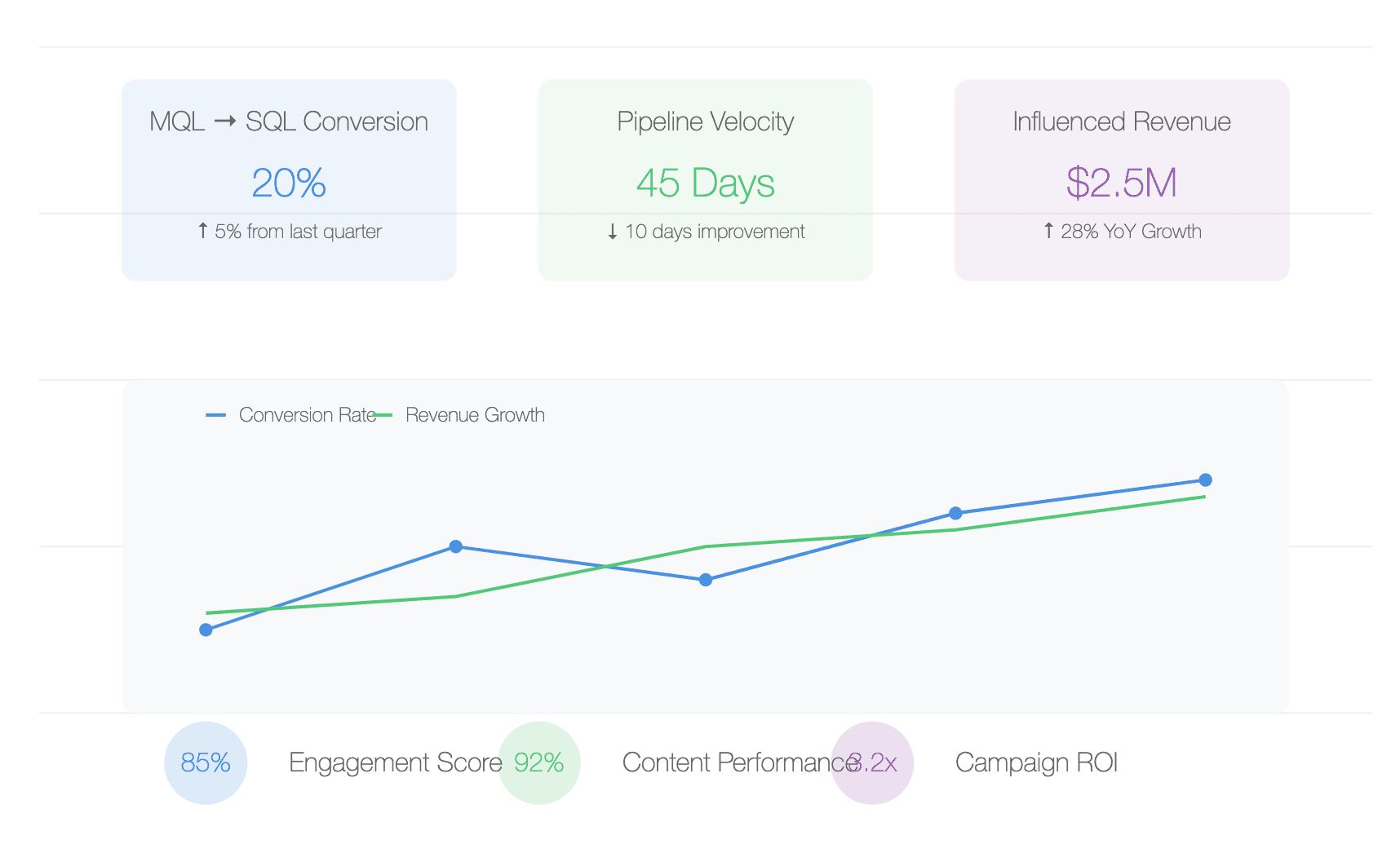
Measuring demand generation success can be challenging because it’s inherently a long-term play. That said, focusing only on vanity metrics like website visits or total lead counts won’t get you far. Instead, focus on funnel efficiency metrics—things like:
- Marketing Qualified Leads (MQLs) to Sales Qualified Leads (SQLs) ratio.
- Pipeline Velocity – How quickly are leads moving from stage to stage?
- Influenced Revenue – Rather than direct attribution, look at how much revenue can be linked back to demand generation efforts.
| Metric | Definition | Importance |
|---|---|---|
| Marketing Qualified Leads (MQLs) to Sales Qualified Leads (SQLs) | The conversion ratio from MQLs to SQLs | Measures efficiency of lead nurturing |
| Pipeline Velocity | Time taken for leads to move through sales funnel | Tracks the speed and effectiveness of the funnel |
| Influenced Revenue | Revenue linked back to demand generation efforts | Gauges overall impact beyond just direct conversions |
According to Gartner, companies that take a data-driven approach to measure and refine their demand generation see 20% higher conversion rates compared to those who stick with traditional lead-gen KPIs.
Demand Generation Is Not Fast, But It's Worth It
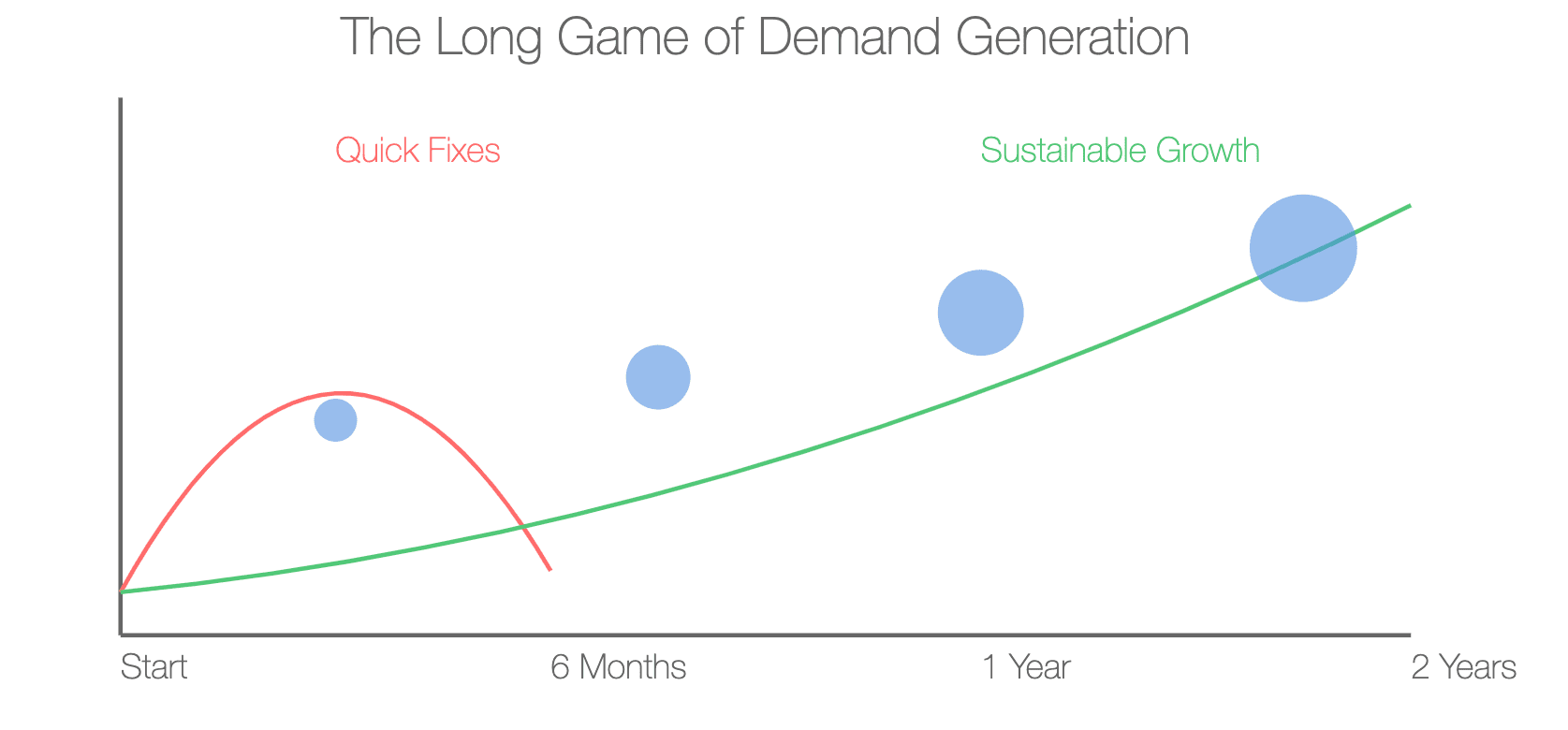
Most marketers lose steam because demand generation doesn’t produce immediate results. It’s like planting a tree—you nurture, cultivate, provide value, and after some time, it starts bearing fruit. This isn’t like running a promotion that spikes interest and fades just as quickly. The results compound.
When we work with clients at DataDab, we are upfront—this approach is about paving a foundation. Demand generation is about earning trust over time, establishing credibility, and building the kind of brand that draws customers in rather than always having to chase them.
You’ll make mistakes along the way. Sometimes the audience doesn’t respond, and sometimes even the best-made campaigns fall flat. But each piece of content, each targeted outreach, and every bit of genuine value offered is a building block. One that, when stacked, results in a wall of trust between you and your potential customers—a wall that eventually leads them directly to you.
Stop Selling, Start Understanding
Demand generation marketing, when done right, takes on the soul of the brand. It’s not just about more campaigns, more outreach, or more ads—it's about more connection. It’s the difference between trying to sell someone a product and having them reach a point where they feel, deep down, that they truly need what you have.
The most successful campaigns aren’t the loudest or flashiest. They’re the most empathetic. If you want to win at demand generation, forget the typical metrics for a while. Start by listening, understanding, and showing you care. Make your audience feel seen, heard, and understood. Because in the end, people don’t remember content—they remember how you made them feel.
And that’s where demand—true demand—is born.
FAQ
1. What is the difference between demand generation and lead generation?
Demand generation is about creating awareness and interest in your product or service, laying the groundwork for customer relationships. Lead generation, on the other hand, focuses on capturing specific leads that have already shown interest. Demand generation aims to create the desire in the first place, while lead generation converts that desire into action.
2. Why do many demand generation strategies fail?
The primary reason demand generation strategies fail is the lack of deep audience understanding. Most companies start by promoting themselves without addressing the target audience's pain points. A successful demand generation strategy prioritizes empathy, education, and building trust, rather than immediately pitching a product.
3. How can I build a stronger audience connection for demand generation?
Start by developing detailed customer personas that go beyond demographics. Understand their fears, desires, and motivations. Use content that speaks to these elements and create conversations that your audience finds relatable. Empathy is key to building a real connection that drives demand.
4. What channels work best for demand generation?
Demand generation requires a multi-channel approach. Effective channels often include content marketing, social media, webinars, online communities, and strategic email campaigns. The key is to create cohesive and consistent messaging across all platforms, tailored to meet your audience where they are in their buying journey.
5. How does long-form content contribute to demand generation?
Long-form content helps establish your brand as an authority by offering in-depth, valuable information. It tends to attract more backlinks and social shares, boosting credibility. This type of content also keeps your audience engaged longer, which strengthens their understanding of your expertise and builds trust in your brand.
6. Why is content distribution important in demand generation?
Many businesses make the mistake of assuming that great content will automatically find its audience. Effective distribution ensures that your valuable content reaches the right people at the right time. Leveraging multiple channels such as social media, partnerships, and targeted communities helps maximize the impact of your demand generation content.
7. How can I use intent signals in my demand generation efforts?
Using intent data from providers like Bombora or 6sense can help you identify when a target account is actively researching topics related to your product. This allows you to launch targeted campaigns at the precise moment when your audience is more receptive, thereby increasing engagement and conversion rates.
8. What metrics are most useful for measuring demand generation success?
The most useful metrics go beyond simple vanity numbers like page views. Focus on funnel efficiency metrics such as the MQL to SQL conversion ratio, pipeline velocity, and influenced revenue. These metrics help measure the true impact of your efforts in terms of driving engaged prospects through the buying process.
9. How long does it take to see results from demand generation?
Demand generation is inherently a long-term strategy, similar to cultivating trust. Unlike lead generation, which might yield quick wins, demand generation compounds over time. You can start seeing major movement in six to twelve months, with consistent effort, valuable content, and strategic nurturing.
10. How can I align demand generation with sales efforts?
For a seamless transition between demand and lead generation, ensure consistent communication between your sales and marketing teams. Develop sales enablement materials like tailored case studies and ensure your sales team understands where leads are in their journey. Timely, context-based outreach can bridge the gap effectively.