

Why most posts quietly expire, and how a few survive to become citations
Most blog posts have the lifespan of a ripe banana. They publish, spike for a week, then slowly brown in the corner of your CMS until someone deletes them during a content audit and nobody notices.
Reference assets are different. They do not chase spikes. They do not rely on distribution heroics. They sit there quietly answering the same question, clearly and completely, year after year. Google trusts them. AI systems reuse them. Humans bookmark them and forward them to colleagues with a smug “this explains it well”.
The good news is that you do not need to invent a new topic to create one. You can usually turn an existing blog post into a reference asset with a disciplined rewrite.
This piece walks through that rewrite. Not theory. Not vibes. A practical before-and-after transformation, starting with what breaks most blog posts and ending with a structure that keeps getting cited long after the publish date stops mattering.
Why most blog posts decay
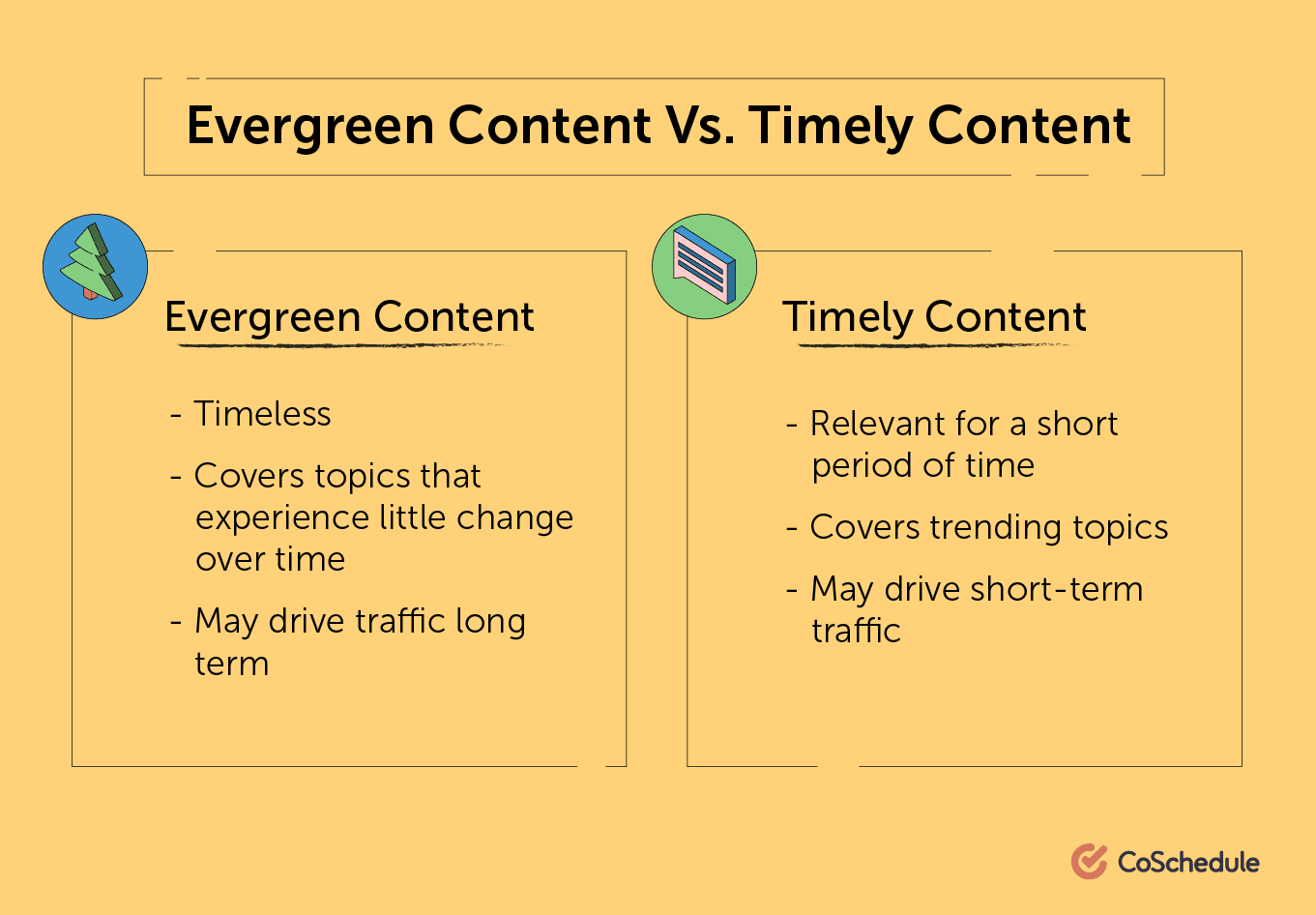
Most posts decay for boring reasons, not algorithmic conspiracies.
They are written for a moment. A launch. A trend. A quarter. They open with context that ages badly, lean on examples that quietly expire, and bury the actual answer halfway down the page.
They also tend to confuse persuasion with usefulness. There is too much throat-clearing, too many metaphors, and not enough “here is the thing, here is how it works, here is when it does not”.
From a machine’s point of view, this is fatal. Search engines and AI systems are not impressed by your narrative arc. They want stable answers. Clear definitions. Explicit boundaries.
From a human point of view, it is just annoying. People arrive with a question and leave with a vague sense that something interesting was discussed, somewhere.
Reference assets avoid decay by doing the opposite. They assume the reader is impatient, sceptical, and probably skimming.
Reference DNA
What separates assets from articles
Easy to extract means easy to reuse
What makes a reference asset different
A reference asset is not a “better blog post”. It is a different category of content.
It has four visible traits.
First, it leads with answers, not setup. The opening paragraph states what the thing is, who it is for, and when it applies. Context comes later, if at all.
Second, it names boundaries. A reference asset is very clear about what it does not cover. That clarity builds trust with both readers and machines.
Third, it separates opinion from fact. You can still have a point of view, but the core explanation stands on its own even if the reader disagrees with you.
Finally, it is built to be quoted. Definitions are tight. Steps are explicit. Comparisons are scoped. Nothing depends on vibes.
This is why AI systems keep reusing the same handful of pages. They are not clever. They are just easy to extract from.
The original post we are fixing
Let us take a very typical SaaS blog post. You have seen this one a hundred times.
Title: “Why Modern Teams Need Better Workflow Automation”
It opens with a sweeping statement about how work is broken. There is a short story about a frazzled operations manager. Then a section on trends. Then a product-shaped solution. Somewhere near the end, there is a useful explanation of what workflow automation actually does.
This post is it has no future as a reference, not terrible. It might even rank for a while.
Why? Because it never cleanly answers the question “what is workflow automation, and when should I use it?” It persuades, but it does not explain.
Our job is not to add more words. It is to reframe the entire thing around that missing explanation.
Find the Timeless Question
Keywords expire, questions endure
Test: will this question sound dated next year?
Step one: extract the stable question
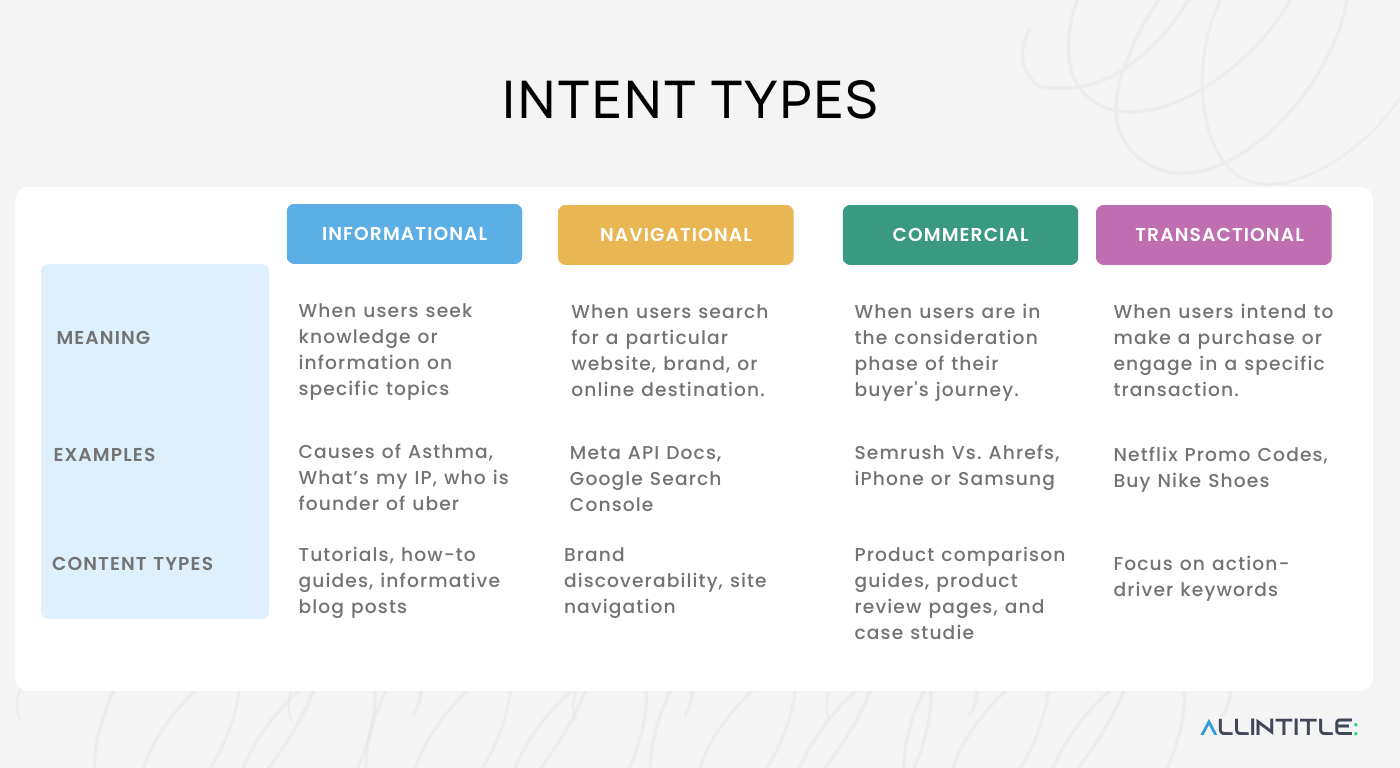
Every reference asset starts with a single stable question. Not a keyword. A question that will still make sense in three years.
In our example, that question is not “why automation matters”. It is:
“What is workflow automation in a SaaS context, and what problems does it actually solve?”
That question has legs. It is not tied to a launch. It is not tied to a tool. It is not even tied to a trend cycle.
You can test this quickly. Ask yourself whether a smart person could plausibly ask this question next year, or whether it will sound dated. If it survives that test, you have your anchor.
Everything else in the post now exists to answer that question, or it gets cut.
Inverted Structure
Give away the answer immediately
Stop reading anytime and still leave informed
Step two: write the answer first

The hardest shift for most writers is emotional. You have to give away the answer immediately.
The new opening does not warm up. It does not tease. It does not tell a story. It answers.
For example:
“Workflow automation is the use of software to design, execute, and monitor repeatable business processes without manual intervention. In SaaS teams, it is most commonly used to reduce handoffs, enforce consistency, and eliminate failure-prone manual steps in operations, support, and go-to-market workflows.”
That is it. No drama. No adjectives doing pushups.
Notice what this does. A reader can stop right there and still walk away informed. An AI system can lift that paragraph verbatim without needing the rest of the page.
Everything that follows now supports, clarifies, or qualifies that answer.
Clean Separation
Machines extract facts, humans weigh opinions
Explanation
- Neutral definitions
- How the system works
- Documented boundaries
- Reusable by anyone
Analysis
- Your perspective
- Judgment calls
- Recommendations
- Clearly labeled as such
Facts stand alone even if the reader disagrees
Step three: separate definition from persuasion

Most blog posts mix explanation and opinion into a single slurry. Reference assets keep them apart.
After the opening definition, the next section explains how workflow automation works in neutral terms. Inputs. Triggers. Rules. Outputs. Failure modes.
Only after that do you earn the right to persuade.
You can still argue that most teams underuse automation. You can still criticise manual processes. But those sections are clearly labelled as analysis or commentary, not explanation.
This separation matters more than it seems. Machines are very good at ignoring your opinions if the facts are cleanly presented. Humans appreciate not being hustled while they are trying to learn.
Explicit Edges
Saying no builds trust
Overconfident content gets ignored
Step four: name the edges
The fastest way to build trust is to say no.
A reference asset explicitly states where the concept breaks down. In this case, that might include processes that change too frequently, decisions that require human judgement, or low-volume workflows where automation overhead outweighs the benefit.
This does two things. It filters out bad-fit readers, which is a gift, and it signals seriousness. Overconfident content gets ignored. Careful content gets reused.
At this point, the original “thought leadership” post is barely recognisable. Good. That is the goal.
Extract Patterns from Stories
Transform singular anecdotes into reusable frameworks
- Specific customer story
- Unique context
- One-time outcome
- Limited reusability
- Universal trigger
- Clear rules set
- Defined actions
- Measurable outcome
Ten anecdotes hide three patterns. Surface those, discard the rest.
Step five: turn anecdotes into patterns
Most blog posts rely on anecdotes because anecdotes are easy to write and fun to read. “One customer did X and got Y” feels concrete. It also quietly expires the moment the context changes.
Reference assets extract the pattern hiding inside the anecdote.
In the original post, you might have had a paragraph like this:
“One RevOps team we worked with was manually routing inbound leads across three tools. After automating the process, response times dropped by 40 percent.”
That is fine marketing copy. It is useless as reference material.
The rewrite pulls out the generalisable structure:
- A trigger (new lead created)
- A set of rules (territory, deal size, product interest)
- A set of actions (assign owner, notify Slack, update CRM)
- A measurable outcome (faster response time, fewer errors)
Now the example becomes optional. You can still include it, but the pattern stands on its own. Anyone reading can map their own situation onto it. An AI system can reuse the structure without caring about your specific customer.
If you have ten anecdotes in a post, you probably have three patterns hiding inside them. Surface those, and cut the rest.
Compare Without Selling
Neutral dimensions make content quotable
Manual Process
-
DecisionMade by individual
-
ExecutionVaries by person
-
Error detectionAfter the fact
-
ScalingRequires more people
Automated Process
-
DecisionEncoded in rules
-
ExecutionConsistent
-
Error detectionSurfaces immediately
-
ScalingIncreases system load
Step six: rewrite comparisons so they can be quoted
Comparisons are citation magnets, but only if they are scoped properly.
Most posts do this badly. They compare “old way” versus “new way” in moral terms. Slow versus fast. Bad versus good. Nobody can quote that without sounding like they are selling something.
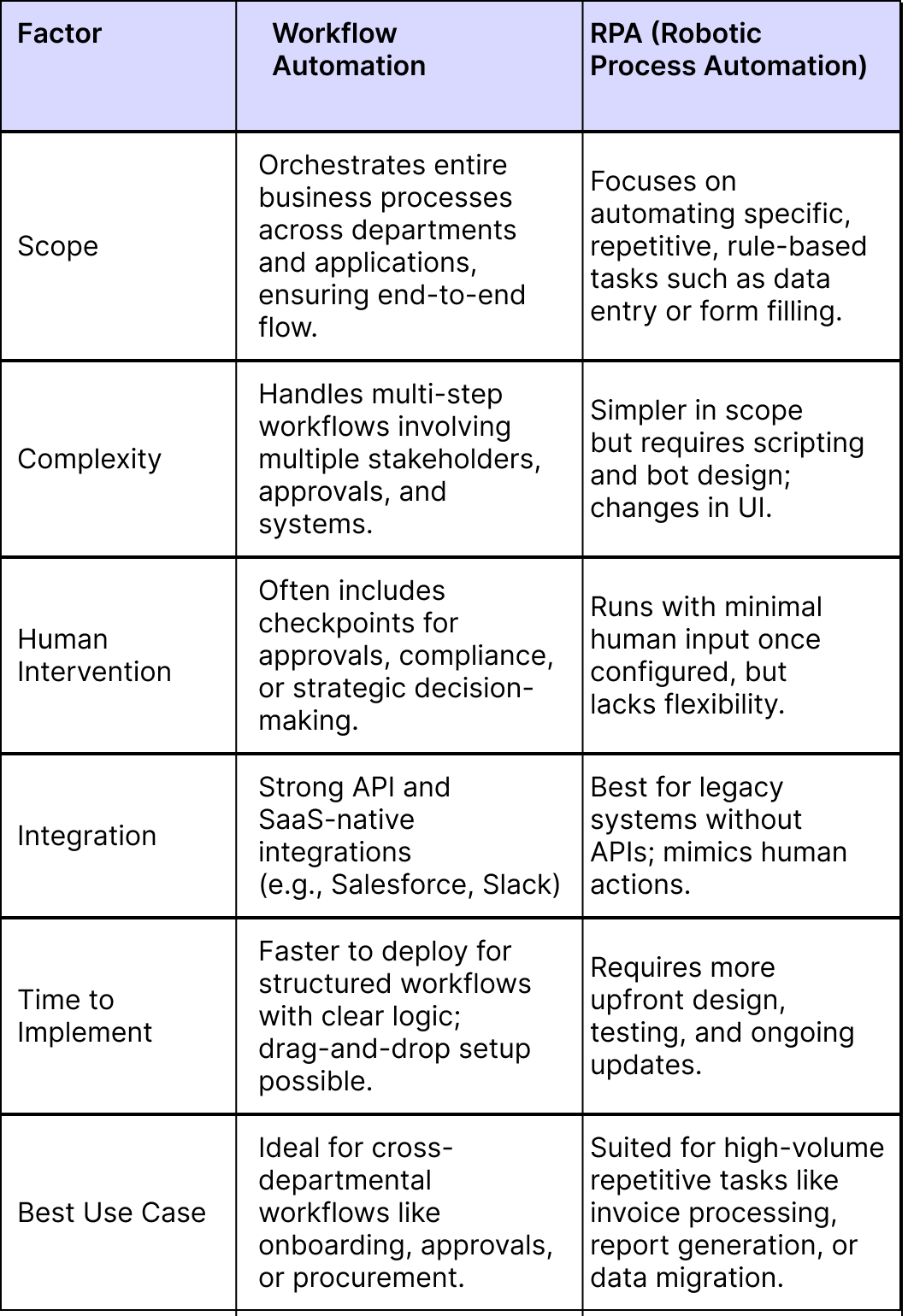
A reference-ready comparison is boring in the best possible way. It compares specific dimensions and leaves judgement to the reader.
For example:
Manual process
- Decision made by individual
- Execution varies by person
- Errors detected after the fact
- Scaling requires more people
Automated process
- Decision encoded in rules
- Execution is consistent
- Errors surface immediately
- Scaling increases system load, not headcount
Notice what is missing. No hype. No promises. No implied superiority. Just differences.
This is exactly the kind of block that gets lifted into AI answers and internal docs. It is easy to extract, and it does not argue.
Restructure the Middle
Functional chunks beat thematic fluff
Definition
What is this, precisely and completely?
Mechanics
How does it work at each layer?
Boundaries
Where does it break or not apply?
Variations
What trade-offs shift across contexts?
"Why automation matters"
"How the thing works"
Step seven: restructure the middle, not the ending
When people attempt this kind of rewrite, they often fix the introduction and polish the conclusion, then wonder why the post still feels flimsy.
The real work is in the middle.
Reference assets have a very specific middle shape. It usually moves from definition, to mechanics, to boundaries, to variations. Each section answers a different flavour of the same core question.
If your middle sections are thematic (“Why automation matters”, “Why teams struggle”, “Why tools fail”), you are writing an argument, not a reference.
The rewrite changes those sections into functional chunks:
- How the thing works
- Where it breaks
- Common variants
- Trade-offs to consider
This is not glamorous editing. It is closer to technical documentation than storytelling. That is why it lasts.
Anchor Time Wisely
Eliminate “now” from your vocabulary
Timeless language, lasting relevance.
Step eight: make time explicit
One subtle upgrade that separates reference assets from normal posts is how they handle time.
Normal posts are soaked in the present. “Today’s teams”, “right now”, “in the current market”. That language dates instantly.
Reference assets either remove time completely or pin it deliberately. They say things like “in most SaaS organisations” or “at the process level”. When time matters, it is called out explicitly.
For example, instead of “right now, automation tools are getting better”, you might write:
“Tool capabilities change frequently, but the underlying automation primitives - triggers, rules, and actions - have remained stable for over a decade.”
That sentence will still be true long after the vendor landscape reshuffles.
Step nine: audit for extractability
Before you hit publish, run a simple audit. Not an SEO checklist. An extractability check.
Can a reader answer these without scrolling?
- What is this, in one paragraph?
- Who is it for, and who is it not for?
- How does it work, at a high level?
- Where does it fail or not apply?
If the answers are scattered, buried, or implied, the post is still doing too much work to be reused.
A good test is to imagine someone copying a single section into an internal doc or an AI answer. Does it make sense on its own, or does it depend on context set up elsewhere? Reference assets tolerate being ripped out of their original home.
From Persuasion to Precision
Explaining outlasts selling
Discipline makes ideas immortal.
The before and after, in plain terms
Before the rewrite, the post was trying to convince. It assumed the reader needed motivation before clarity.
After the rewrite, the post explains first and persuades only if necessary. It assumes the reader is already motivated and just wants a clean answer.
The words are not fancier. The insights are not deeper. The difference is structural discipline.
That discipline is what keeps the asset alive. It becomes something people return to, not just something they skim.
Wrap-up or TL;DR
Turning a blog post into a long-lived reference asset is not about polishing prose or adding more examples. It is about changing your intent. You stop trying to win the reader over and start trying to be useful in isolation.
You extract the stable question, answer it immediately, separate explanation from opinion, name the edges, and rewrite anecdotes into patterns. The result is content that survives trends, algorithm shifts, and distribution fatigue.
Most teams already have these assets hiding in their archives. They just need to be rewritten with less ambition and more precision.
Want to get ahead? Take one ageing DataDab post, strip it down to its core question, and rebuild it as if it were documentation, not marketing. That is how posts stop expiring.