

You’ve got a new product. It's amazing. But getting it in front of the right people? That’s the hard part.
Traditional marketing feels like throwing spaghetti at the wall. Will it stick? Who knows.
Enter pay for performance marketing agencies. They’re game-changers. They get paid when you get results. Simple as that.
Let’s look into why they’re worth every penny.
What is Pay for Performance Marketing?
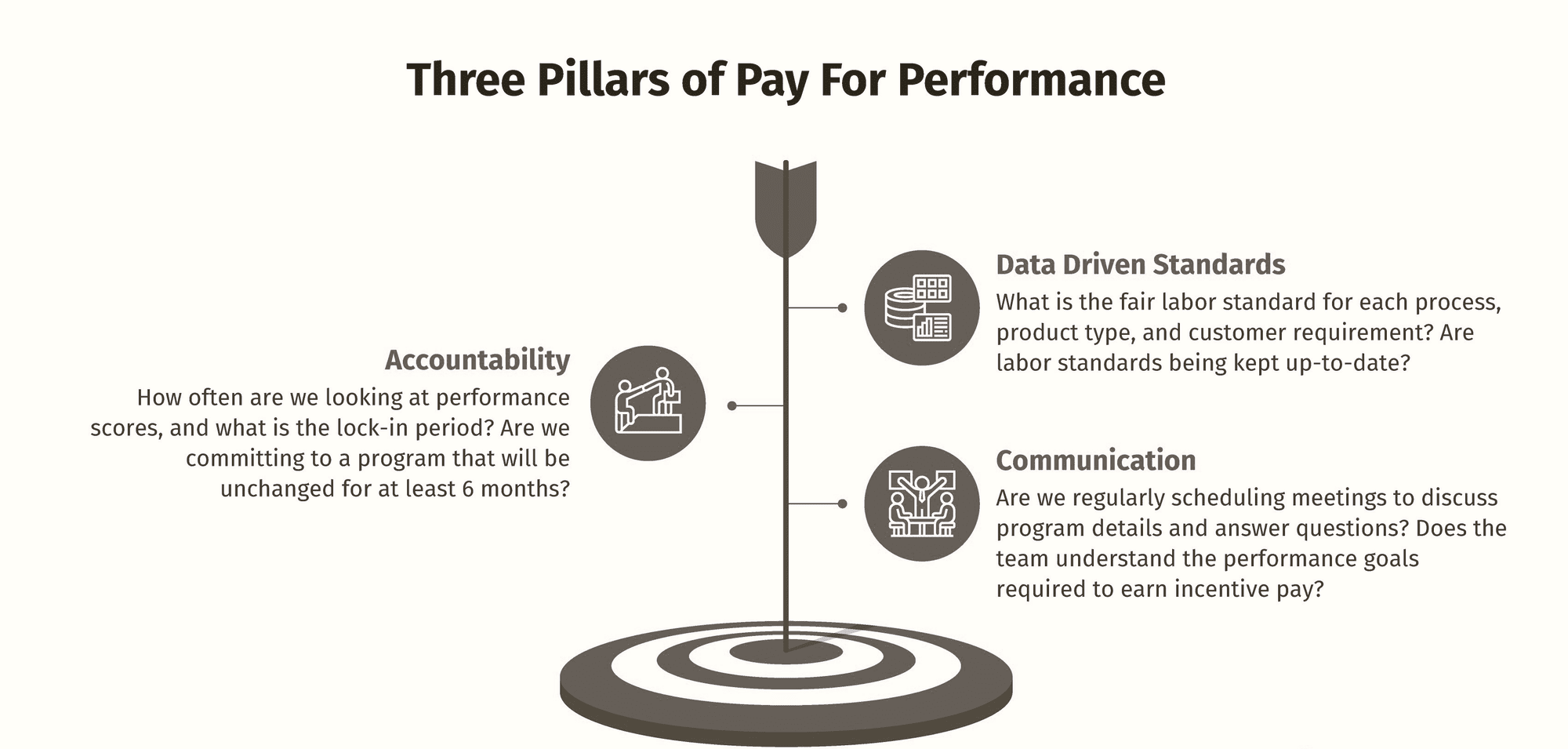
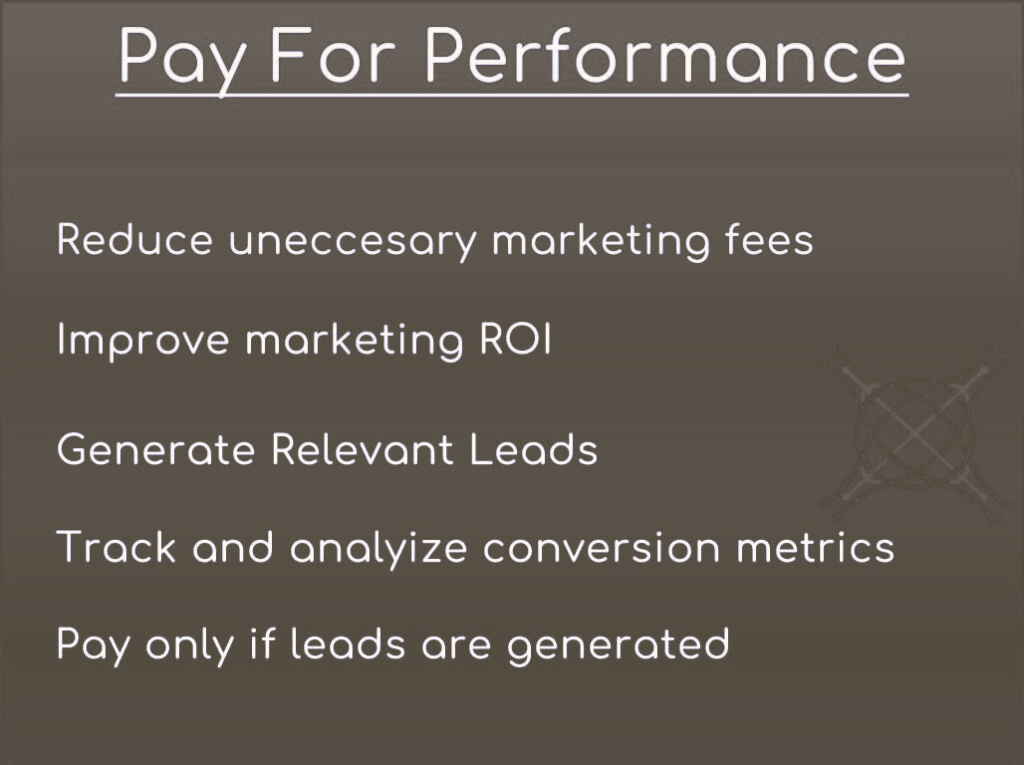
First off, let's clarify what P4P marketing is. Unlike traditional marketing agencies that charge a flat fee or retainer, P4P agencies only get paid when they deliver results. These results could be clicks, leads, sales, or any other agreed-upon metric. It’s a model that aligns the agency’s goals with yours, ensuring they are just as invested in your success as you are.
| Aspect | Traditional Marketing Agencies | Pay for Performance Marketing Agencies |
|---|---|---|
| Payment Structure | Flat fee or retainer | Pay based on results |
| Risk | High for the business | Shared between business and agency |
| Focus | Broad marketing goals | Specific performance metrics |
| Transparency | Often limited | High |
| Optimization | Periodic | Continuous |
| Budget Flexibility | Fixed | Flexible, adjusts with performance |
| Incentive Alignment | Often misaligned | Strongly aligned |
Why P4P Agencies Stand Out
1. Aligned Incentives
| Benefit | Explanation | Action |
|---|---|---|
| Aligned Incentives | Agency's success is directly tied to client's success | Ensure agency understands your key metrics and goals |
| Cost-Effectiveness | Pay only for tangible results, reducing financial waste | Monitor and track ROI closely to ensure value |
| Data Utilization | P4P agencies rely heavily on data to drive decisions | Use analytics tools to support data-driven decisions |
| Transparency | Clear visibility into where money is spent and results achieved | Request regular, detailed performance reports |
| Continuous Optimization | Ongoing adjustments to improve campaign performance | Schedule regular optimization reviews and updates |
With P4P, you and the agency are on the same team. Both of you want to see those numbers climb. If the agency doesn't deliver, they don't get paid. This alignment can drive a level of dedication and creativity that you might not get from a traditional agency.
Example: Let’s say you run an e-commerce store selling eco-friendly products. You hire a P4P agency to boost your sales. They suggest a series of targeted ads on social media. Because their payment depends on the success of these ads, they’ll likely test and tweak the campaigns until they find the perfect formula.
2. Cost-Effective
Traditional marketing can be expensive, with no guaranteed return. P4P, however, ensures that you only pay for actual performance. This can be a more budget-friendly approach, especially for small businesses or startups.
Example: Imagine you're a startup with a limited budget. Instead of blowing thousands on a traditional agency with no promise of success, you opt for a P4P agency. If they don’t bring in results, you don’t spend a dime. If they do, your revenue covers their fee.
The Nuances of P4P Agencies
1. Data-Driven Decisions
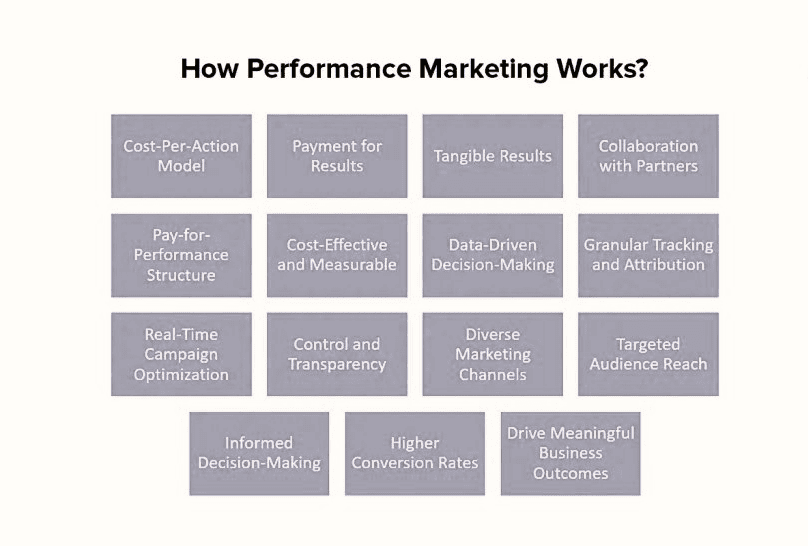
P4P agencies thrive on data. They analyze metrics obsessively to fine-tune campaigns. This focus on data helps in creating highly targeted strategies that yield better results.

Example: Suppose you’re a SaaS company targeting tech startups. A P4P agency will use data to identify the best platforms to reach your audience, the right time to post, and the type of content that gets the most engagement. They’ll continually analyze this data to improve the campaign's performance.
2. Transparency
With P4P, you get clear visibility into what you're paying for. You can see exactly how your budget is being spent and what results it’s bringing in.
Example: If you’re running a paid ad campaign, the P4P agency will provide detailed reports showing you how many clicks, conversions, or sales were generated from each ad. This transparency builds trust and lets you make informed decisions about where to allocate your budget.
3. Continuous Optimization
P4P agencies don’t set it and forget it. They are constantly optimizing campaigns to squeeze out every bit of performance. This continuous improvement can make a major difference in the long run.
Example: Let’s say you’re a local business trying to drive foot traffic. A P4P agency will test different ad creatives, messaging, and targeting options. They’ll monitor which ads drive the most in-store visits and adjust the campaigns accordingly.
The Real-World Impact of P4P Marketing

1. Case Study: Small Business Success
Consider a small local bakery struggling to attract customers. They hire a P4P agency to handle their online marketing. The agency starts with a local SEO campaign, optimizing the bakery’s website and creating content around popular local search terms.
Within months, the bakery sees a major increase in foot traffic and online orders. The best part? They only paid the agency for the new customers they brought in.
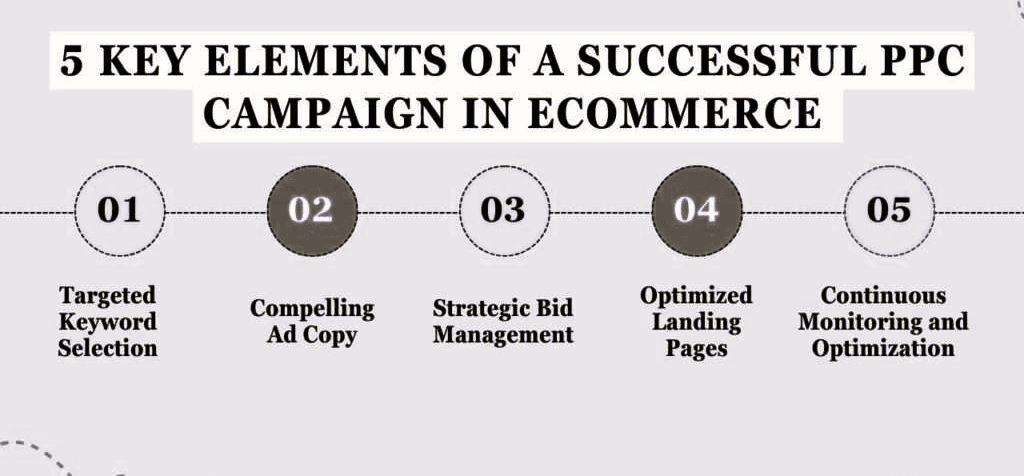
2. Case Study: E-commerce Growth
An online store selling niche fashion items was having trouble scaling. They brought in a P4P agency to manage their PPC campaigns. The agency conducted thorough market research and launched highly targeted ads on social media and search engines.
Sales skyrocketed, and the store only paid the agency a percentage of the sales they generated. This approach allowed the store to reinvest profits into expanding their product line and marketing efforts.
| Case Study | Insight | Action |
|---|---|---|
| Small Business Success | Local SEO can significantly boost visibility and foot traffic | Focus on optimizing local search terms and listings |
| Data Utilization | Analyzing performance metrics to optimize campaigns | Regularly review analytics to identify improvement areas |
| E-commerce Growth | Highly targeted PPC campaigns drive sales effectively | Invest in targeted PPC campaigns and monitor performance |
| Customer Retention | Effective campaigns not only attract but retain customers | Develop strategies for customer retention alongside acquisition |
| Budget Allocation | Smart budget allocation based on performance data | Allocate budget dynamically based on campaign performance |
The Drawbacks to Consider
| Drawback | Explanation | Mitigation |
|---|---|---|
| Potential Higher Costs | Successful campaigns may result in higher payments | Set clear budget limits and monitor costs regularly |
| Short-Term Focus | Agencies might prioritize quick wins over long-term goals | Ensure a balance between short-term gains and long-term strategy |
| Dependence on Data | Heavy reliance on data may overlook qualitative factors | Integrate qualitative insights into decision-making processes |
| Control Over Strategy | Less control over specific tactics and approaches | Maintain regular communication to align strategies |
| Variable Performance | Performance can fluctuate, affecting costs and outcomes | Develop contingency plans to manage performance variability |
While P4P agencies offer many benefits, they’re not without their drawbacks.
1. Potential for Higher Costs
If the campaigns are highly successful, you might end up paying more than you would with a traditional agency. However, this is usually offset by the increased revenue.
2. Limited Control
Since P4P agencies focus on performance, they might prioritize quick wins over long-term brand building. This might not always align with your broader marketing strategy.
Making the Most of P4P Agencies
To get the best results from a P4P agency, it’s essential to:
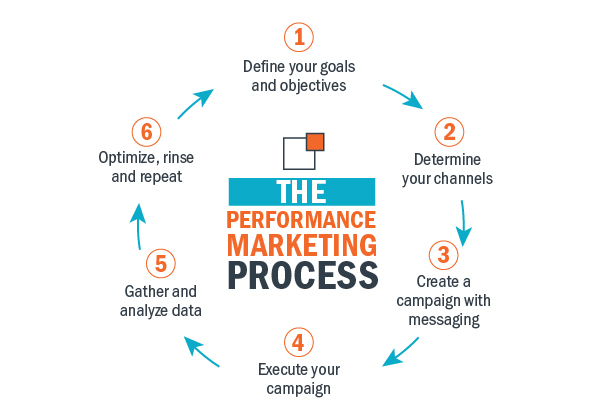
- Set Clear Goals: Define what success looks like. Is it more leads, sales, or something else?
- Choose the Right Metrics: Pick metrics that align with your business goals. Avoid vanity metrics like clicks if they don’t translate into sales.
- Communicate Regularly: Keep an open line of communication. Regular updates and feedback help ensure the agency’s efforts align with your expectations.
- Trust Their Expertise: Allow the agency some creative freedom. They know what they’re doing, and micromanaging can stifle their effectiveness.
In the end, P4P marketing agencies offer a compelling alternative to traditional marketing models. Their focus on performance and results-driven approach can provide major value, especially for businesses looking to maximize their marketing ROI. By aligning incentives and utilizing data-driven strategies, P4P agencies can help you achieve your marketing goals without the financial risk of traditional marketing.
If you’re tired of the old ways and want a marketing partner who’s as invested in your success as you are, a P4P agency might just be the answer. After all, who doesn’t want a win-win situation?
Summary Points
- Aligned Incentives: Both you and the agency want the same thing—results.
- Cost-Effective: You pay for actual performance, not promises.
- Data-Driven Decisions: P4P agencies rely on data to optimize campaigns continuously.
- Transparency: You see exactly where your money is going and what it’s achieving.
- Continuous Optimization: P4P agencies keep improving campaigns to maximize performance.
FAQ
1. What is Pay for Performance (P4P) marketing?
Pay for Performance marketing is a model where agencies are compensated based on the results they deliver. Instead of paying a fixed fee, you pay for specific outcomes like clicks, leads, or sales.
2. How does P4P differ from traditional marketing?
Traditional marketing typically involves paying a fixed fee or retainer regardless of results. P4P aligns the agency's incentives with your business goals, as they only get paid when they achieve the agreed-upon results.
3. What types of businesses benefit most from P4P marketing?
Small to medium-sized businesses, startups, and companies with limited marketing budgets can benefit significantly from P4P marketing. It minimizes financial risk and ensures they only pay for actual performance.
4. What metrics are commonly used in P4P marketing?
Common metrics include clicks, leads, sales, app downloads, sign-ups, and other specific actions that align with your business objectives. These metrics are agreed upon before the campaign starts.
5. How do I choose the right P4P agency for my business?
Look for agencies with a proven track record in your industry, clear communication, transparent reporting, and a strong understanding of your business goals. Client testimonials and case studies can also be helpful.
6. What are the potential drawbacks of P4P marketing?
Potential drawbacks include higher costs if the campaign is very successful, less control over specific tactics, and a potential focus on short-term gains over long-term brand building. Mitigating these requires clear communication and setting the right expectations.
7. How do P4P agencies ensure continuous optimization?
P4P agencies continuously monitor and analyze campaign performance data. They make real-time adjustments to improve outcomes, using data-driven insights to refine targeting, messaging, and strategy.
8. What should I expect in terms of transparency from a P4P agency?
High transparency is a hallmark of P4P agencies. Expect detailed reports on performance metrics, insights into where your budget is spent, and regular updates on campaign progress.
9. How can I measure the success of a P4P marketing campaign?
Success can be measured by tracking the agreed-upon performance metrics, monitoring ROI, and assessing the overall impact on your business objectives. Regular reports from the agency will help you keep track.
10. How do I set clear goals for a P4P marketing campaign?
Start by defining specific, measurable, achievable, relevant, and time-bound (SMART) goals. Communicate these goals clearly to your agency, ensuring they understand your priorities and success criteria. Regularly review and adjust these goals as needed.