

I get it. You have a startup. The kind that started with an idea, a little madness, and more hope than actual certainty. You’re probably working late nights, balancing a billion things, and, of course, looking for ways to grow this fledgling idea into something real. Something that makes an impact, earns money, and gives you that dopamine hit each time you check your progress. Welcome to the club—that wild, frustrating, exhilarating club that is the startup world.
Here's the thing. I’ve been there. I’ve also worked with other founders through DataDab, helping them maneuver these crazy waters. The marketing part? Oh, it’s crucial. It’s your megaphone to tell people why they should care. But marketing for startups isn't the same as marketing for big, established brands. It's scrappier, smarter, and sometimes feels like riding a bicycle while assembling it. That's where a startup marketing agency comes in—where DataDab comes in. And today, I want to take you behind the scenes, share some real, raw experiences, and get into the nitty-gritty of what makes marketing for startups special.
If you’re thinking that this post is going to be about the same old basics—Facebook Ads, SEO, Google Analytics—then you’re in the wrong place. This isn’t “Startup Marketing 101”; this is more like “Startup Marketing on Steroids.” It’s a conversation with a friend who’s been through the muck of startup life and came out the other side with a few insights worth sharing. So, grab a coffee (or something stronger—I won’t judge), and let’s talk about startup marketing the way it should be: personal, practical, and, hopefully, very profitable.
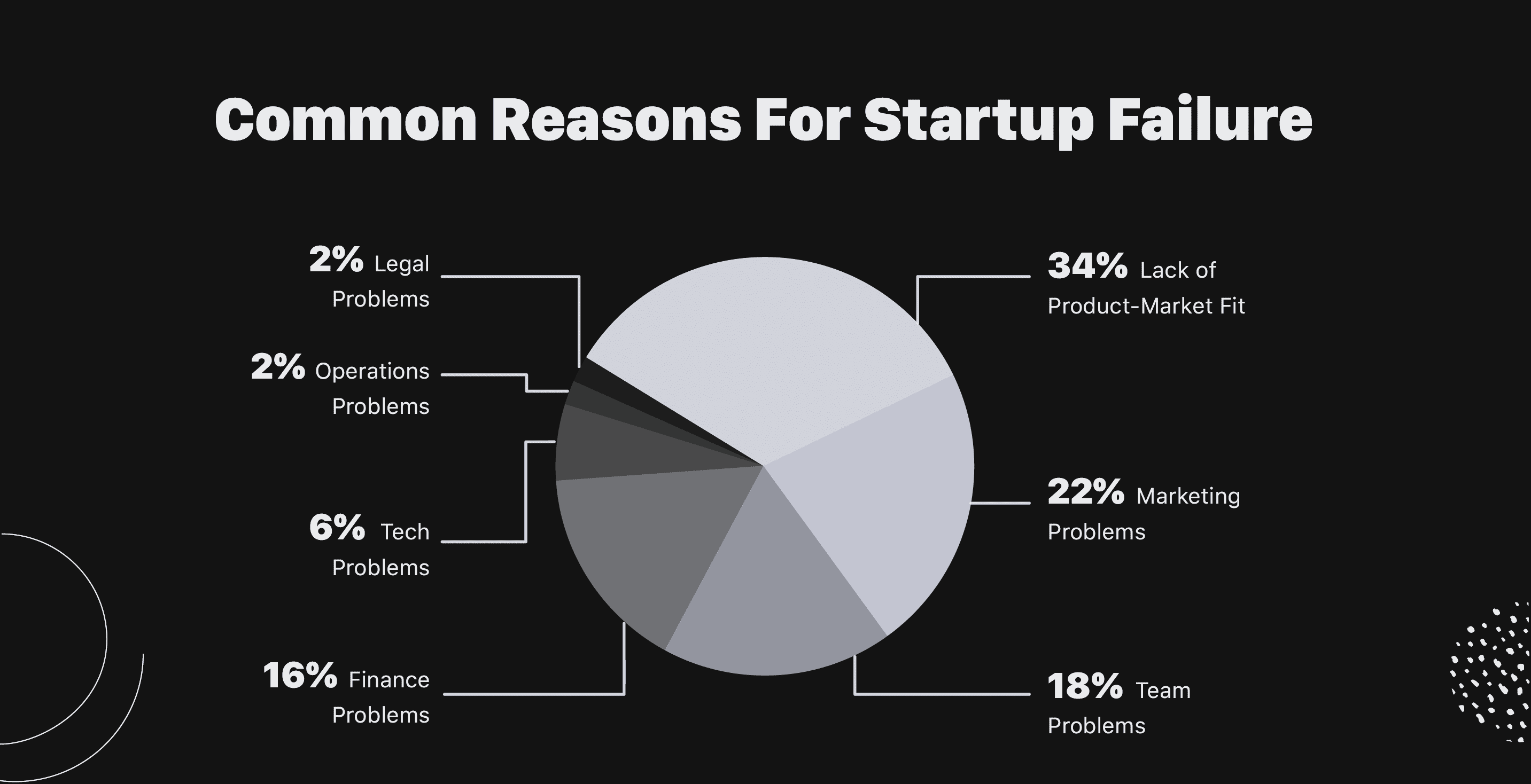
The Unique Struggle of Startup Marketing
One of the biggest misconceptions out there is that marketing is the same no matter where you apply it. Corporate marketing, agency marketing, startup marketing—all the same beast, right? Wrong.
In a startup, you're often swimming in the deep end. You don't have the budget of an enterprise giant or even the steady systems of an established mid-sized company. Your startup needs marketing that’s agile, something that moves fast, because quite honestly, the entire survival of your idea could depend on it. It’s about finding shortcuts without losing quality, connecting with an audience who doesn’t even know they need you yet, and outsmarting competitors with pockets far deeper than yours.
| Challenge | Solution | Result |
|---|---|---|
| Limited marketing budget | Spend more time testing before full execution | Reduces wasted spend and improves targeting |
| Deep-pocketed competitors | Use nimble and agile marketing strategies | Helps create impact with limited resources |
This means you've got to be nimble. But being nimble doesn't mean flailing around in every direction hoping something will work. A startup marketing agency can give you that structured nimbleness—the kind that knows where to take risks and how to measure them, the kind that’s willing to pivot with you but also give you a solid enough foundation that your efforts aren't wasted.
For instance, at DataDab, we spend more time testing than executing. Sounds a bit backward, doesn’t it? But think of it like this: the more we test, the better we know your audience. The more we know your audience, the less money we burn on ads that don't convert or on campaigns that no one cares about. It’s the exact kind of testing you can't afford to do wrong, not when every dollar counts.
The Customer Journey is Not a Straight Line
When marketing for startups, one of the first things we need to understand is that the customer journey—how someone goes from never having heard of you to being a loyal customer—is not linear. It’s a chaotic, winding road with lots of U-turns, dead-ends, and even some surprising shortcuts. The truth is, startups face a customer journey that’s often unpredictable. You can throw a big chunk of cash at paid ads and still not see results because, well, no one knows you yet.
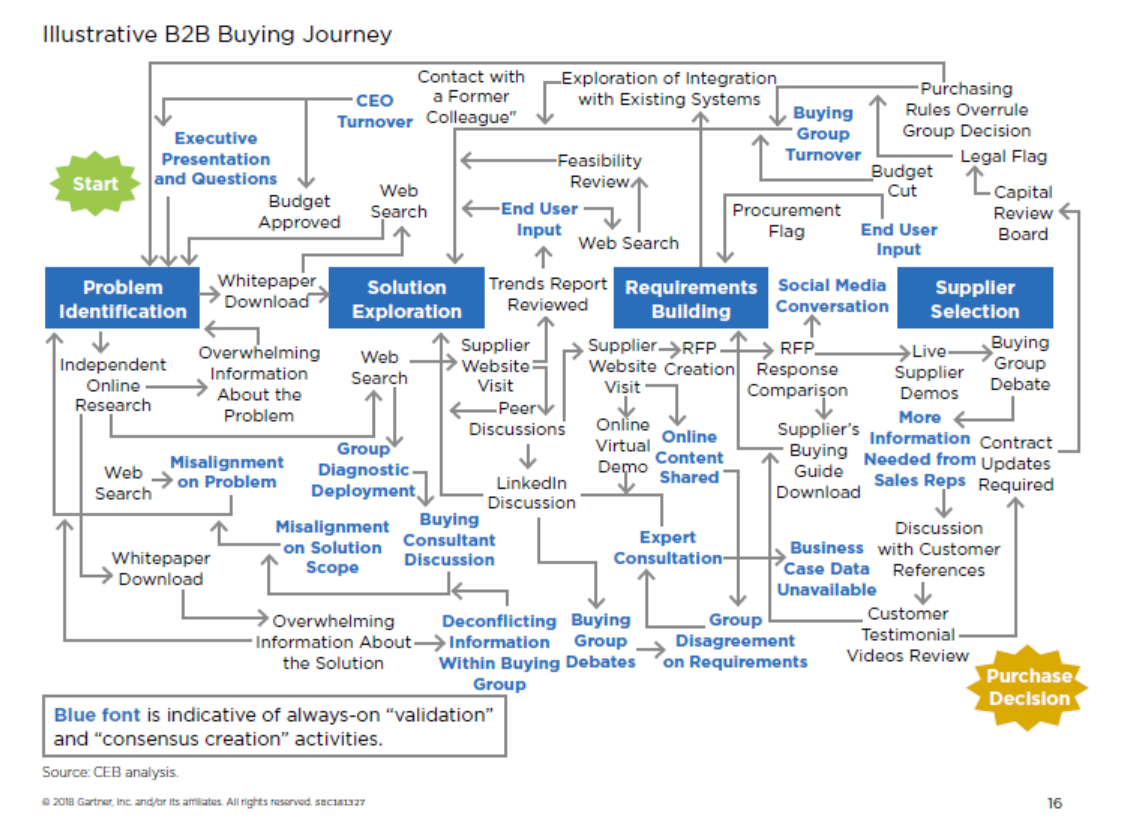
That’s where content comes in. But not the bland, robotic type of content. We’re talking stories that resonate, solve real problems, and build trust—the kind of trust that turns strangers into believers. In other words, marketing isn’t just about selling—it's about building relationships, especially in the early stages.
I remember a startup founder who reached out to us at DataDab. She had an AI-driven SaaS platform, super smart tech, but nobody was buying. We analyzed her content, her approach, and realized one crucial thing—it was just too stiff. The value of her tech wasn’t the issue; the issue was that she was speaking at her audience, not with them. We worked with her to inject some warmth, humor, and relatability into the messaging, and slowly, the traction began. It’s not magic—it’s connection.
How to Pick the Right Marketing Tactics for Your Startup
Let’s face it—the marketing toolkit is extensive. You’ve got content marketing, SEO, paid ads, influencer outreach, community management, email marketing… the list goes on. For startups, it’s not about doing everything; it’s about doing the right things.
 Amit Ashwini
The honest truth is, what works for one startup might not work for another. You could read all the best practices, listen to growth gurus, and follow the most successful case studies, but in the end, it boils down to your product, your audience, and your ability to tweak and optimize.
One example of a great early tactic is tapping into the power of micro-influencers. Forget about landing that big-name celebrity endorsement—start small. Micro-influencers, the people with 5,000-25,000 highly engaged followers, often yield a much better ROI for startups. These people have real connections with their audience, and their endorsements can bring your brand the credibility it so desperately needs at the early stages.
| Marketing Tactic | Benefit for Startups | Example |
|---|---|---|
| Micro-influencer outreach | Higher engagement with niche audiences | Collaboration with influencers in specific communities |
| Unexpected partnerships | Expanding reach through new audiences | Partnering with yoga studios for eco-products |
And let’s talk about partnerships—particularly unexpected partnerships. Startups often need to punch above their weight. Partnering with another startup or an emerging community can help you tap into audiences that are otherwise unreachable. We once worked with a client selling eco-friendly beauty products, and instead of targeting traditional beauty channels, we partnered with yoga studios and green living influencers. By going where the competition wasn’t, we gained market share they couldn’t touch.
Data, Data, Data - But Use It Wisely
Let's take a minute to appreciate one thing: data is your best friend. But, like a good friend, you have to treat it right, not take it for granted, and definitely not misuse it.
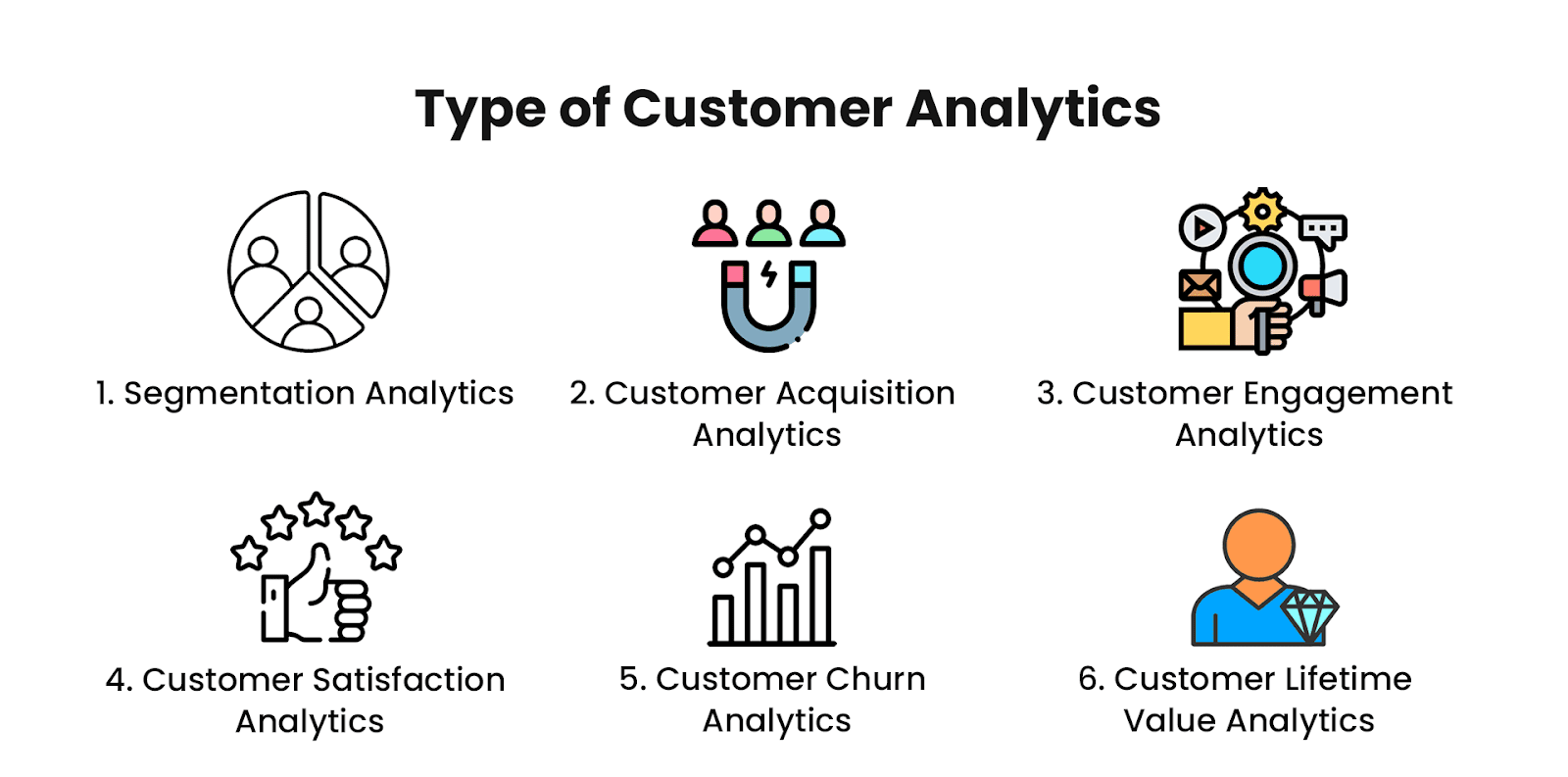
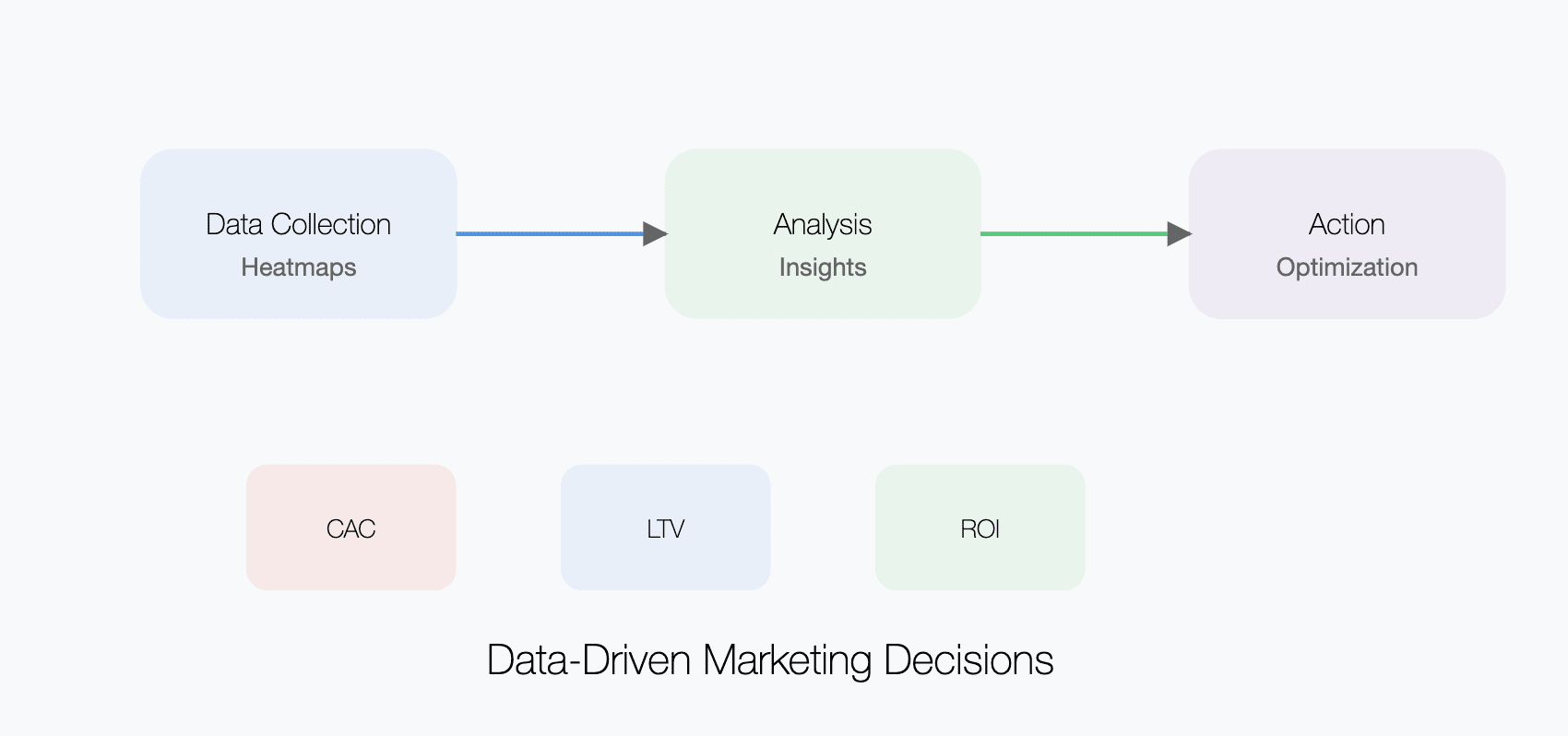
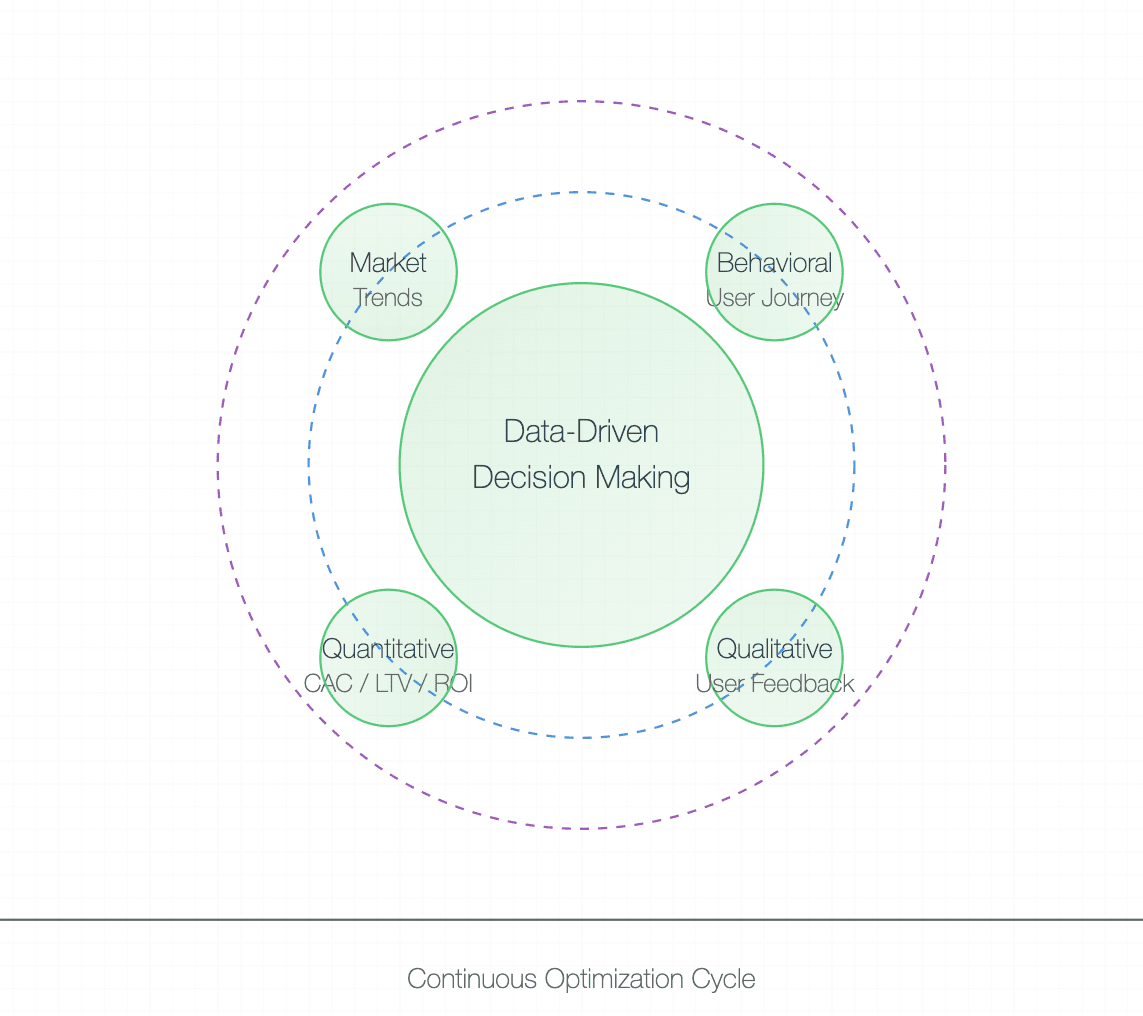
Too many startups fall into one of two traps. Either they get overwhelmed by too much data, or they don’t leverage it at all. Both are deadly mistakes. Your metrics should be laser-focused. For instance, if your priority is customer acquisition, look at metrics like Customer Acquisition Cost (CAC) and pay close attention to Lifetime Value (LTV) predictions. But the key is nuance. Instead of obsessing over CTR (click-through rate) on an ad, consider how that traffic is behaving once it reaches your website. If visitors bounce immediately, you’ve got a messaging problem—or, even more critically, you’re attracting the wrong people.
Consider implementing more qualitative data. At DataDab, we like to dive into customer behavior with heatmaps, session recordings, and customer surveys. Quantitative data tells you what’s happening, but qualitative data explains the why. It’s those insights—the ones that tell you your landing page isn’t making sense to people—that give you the power to fix things. That’s what can turn a failed campaign into a successful one.
A/B Testing - Stop Guessing and Start Knowing
One thing that sets startup marketing apart is the constant need to validate everything. When your resources are limited, guessing is a luxury you can’t afford. This is where A/B testing becomes indispensable. Whether it's your landing page copy, email headlines, or even the tone of your social posts—split-test everything.

But here's a nuance. A lot of companies A/B test without a clear strategy. They test different things simultaneously without a focus, or they get lost in the weeds with statistical significance. When you’re a startup, you don’t have time for massive-scale experiments. We recommend a pragmatic approach—prioritize testing things that have the biggest impact. Small copy tweaks are great, but a radical change to your call-to-action or offer can yield massive improvements.
I once consulted for a fintech startup that was burning money on Google Ads. Their landing page had a high bounce rate, and we didn't know why. We ran an A/B test to compare the existing page with a stripped-down, no-nonsense version, with fewer elements and a sharper call to action. The simpler version reduced bounces by 40%. Sometimes, simplicity wins.
Building a Brand from Day One
It’s easy to put branding on the backburner. You’re more concerned about hitting this month’s sales target than deciding your brand colors, right? Wrong. Brand matters from day one.
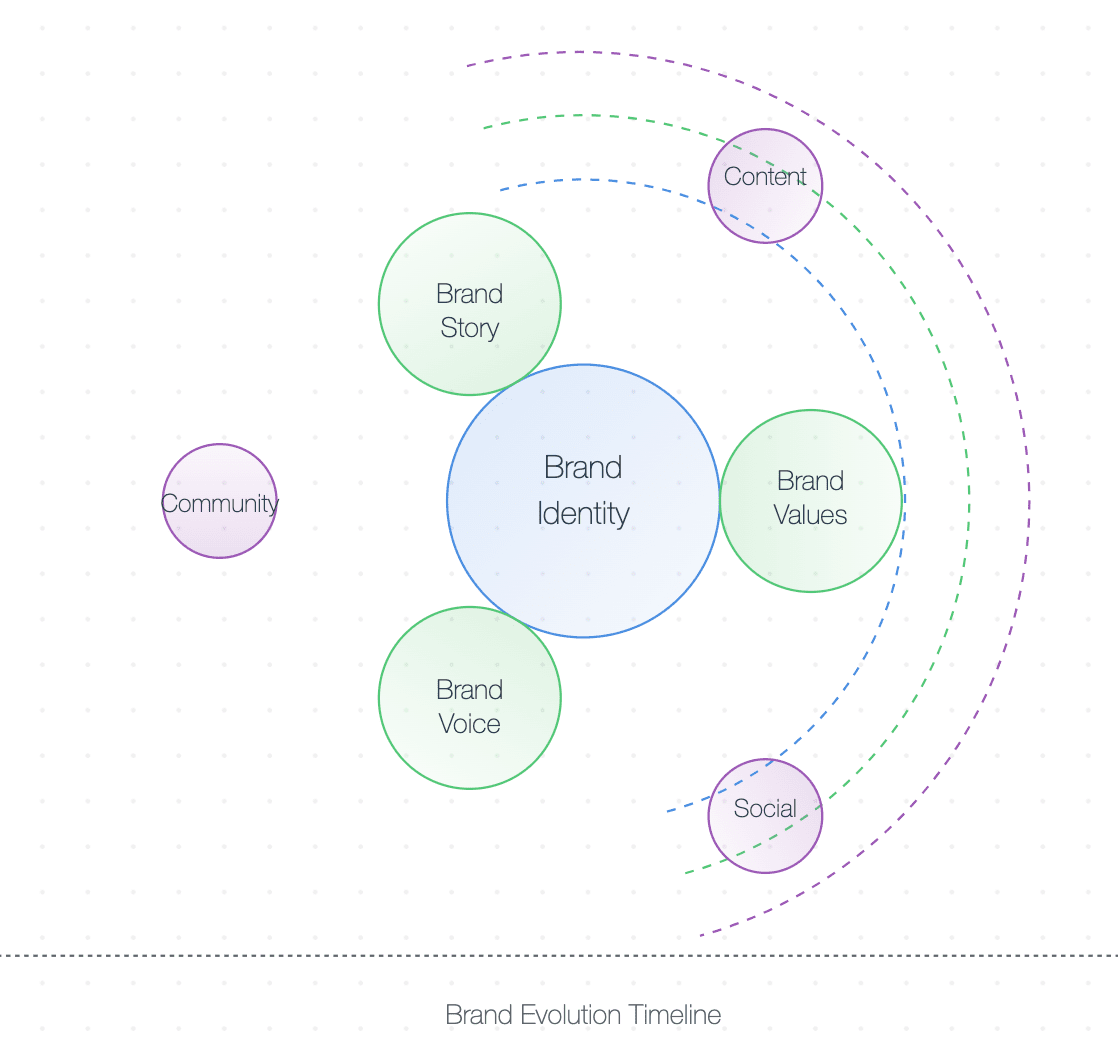
Brand is not your logo or your website’s color palette—it’s how you make your customers feel. Your brand should be visible in every touchpoint—from your website copy to customer support, to the way you respond on social media. If you’re building a tech startup, you’re in a hyper-competitive market. The only differentiator might be the brand experience you provide.
Take Slack for example. Before becoming the unicorn company it is today, Slack was just another team communication tool—it was their focus on building a welcoming, not the first of its kind either, humanized brand that made people fall in love with them. Slack’s tone was conversational and warm. They weren’t just selling software—they were offering to solve a problem and have fun while doing it.
It’s the same strategy we use for our clients at DataDab. For one B2B SaaS client, we decided to skip the jargon. Instead, we leaned into storytelling—talking about the struggles of being a modern-day manager and how our client’s tool felt like having a trusted companion. By giving the brand a personality, we made it easier for prospects to relate—and trust.
From Hustle to Strategy
When you’re just starting, it’s all hustle. Maybe you’re doing cold emails, posting manually on social, or handling customer service inquiries yourself. But as your startup grows, your marketing needs to scale. Scaling is where many startups fall into the trap of automating before they’re ready. You see, automation is excellent—when used the right way.
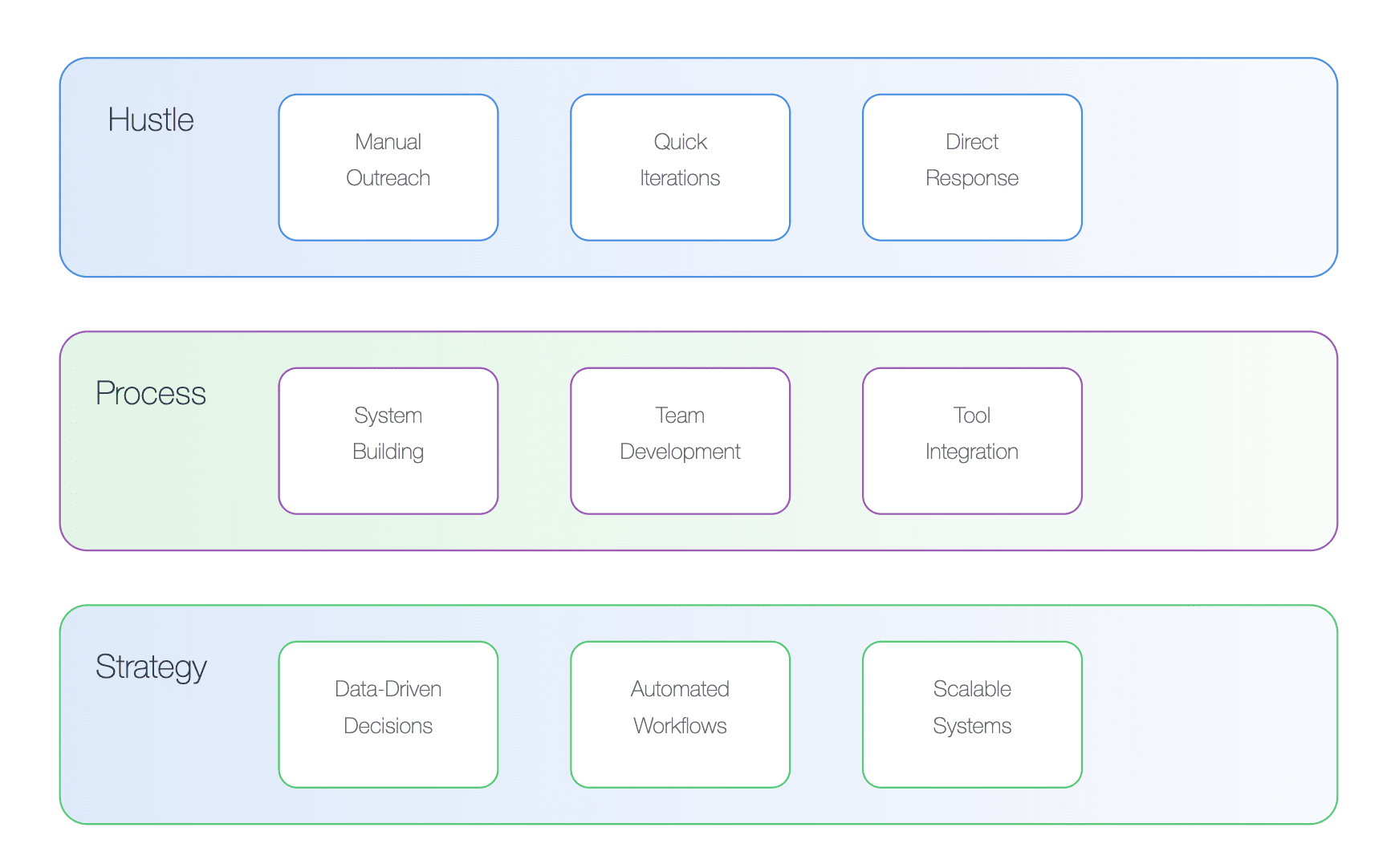
Marketing automation tools, chatbots, and scheduling systems can save time, but there’s a danger in losing the human touch. For example, there’s a reason why personalization has become a buzzword—because it’s powerful. A templated email feels cold, but an email where the recipient feels seen is different. Startups can’t afford to lose that. At DataDab, we advise startups to scale slowly and strategically—choosing tools that still allow for individual touches rather than going fully robotic.
Another crucial element of scaling is community building. It’s the secret growth lever many startups overlook. When your customers are also your fans, they help you grow. Communities create the kind of stickiness and advocacy that no paid ad can buy. Take Notion, for example. Before the marketing dollars rolled in, it was their cult-like community of users that helped them grow.
What A Startup Marketing Agency Can Really Do for You
Let’s get practical for a second—what exactly does a startup marketing agency like DataDab bring to the table that you couldn’t figure out yourself?
| Startup Need | Agency Contribution | Outcome |
|---|---|---|
| Perspective | Identify missed opportunities | Better-targeted campaigns |
| Specialized tools | Provide access and expertise in use | Improved campaign efficiency and results |
First, it’s perspective. When you’re in the thick of running a startup, it’s easy to miss what’s not working. An agency can take an unbiased look at your efforts and spot inefficiencies or missed opportunities. Second, it’s experience—at DataDab, we’ve tried things out, we’ve failed, and we’ve learned. We’re bringing that experience so you don’t have to learn through as much failure yourself.
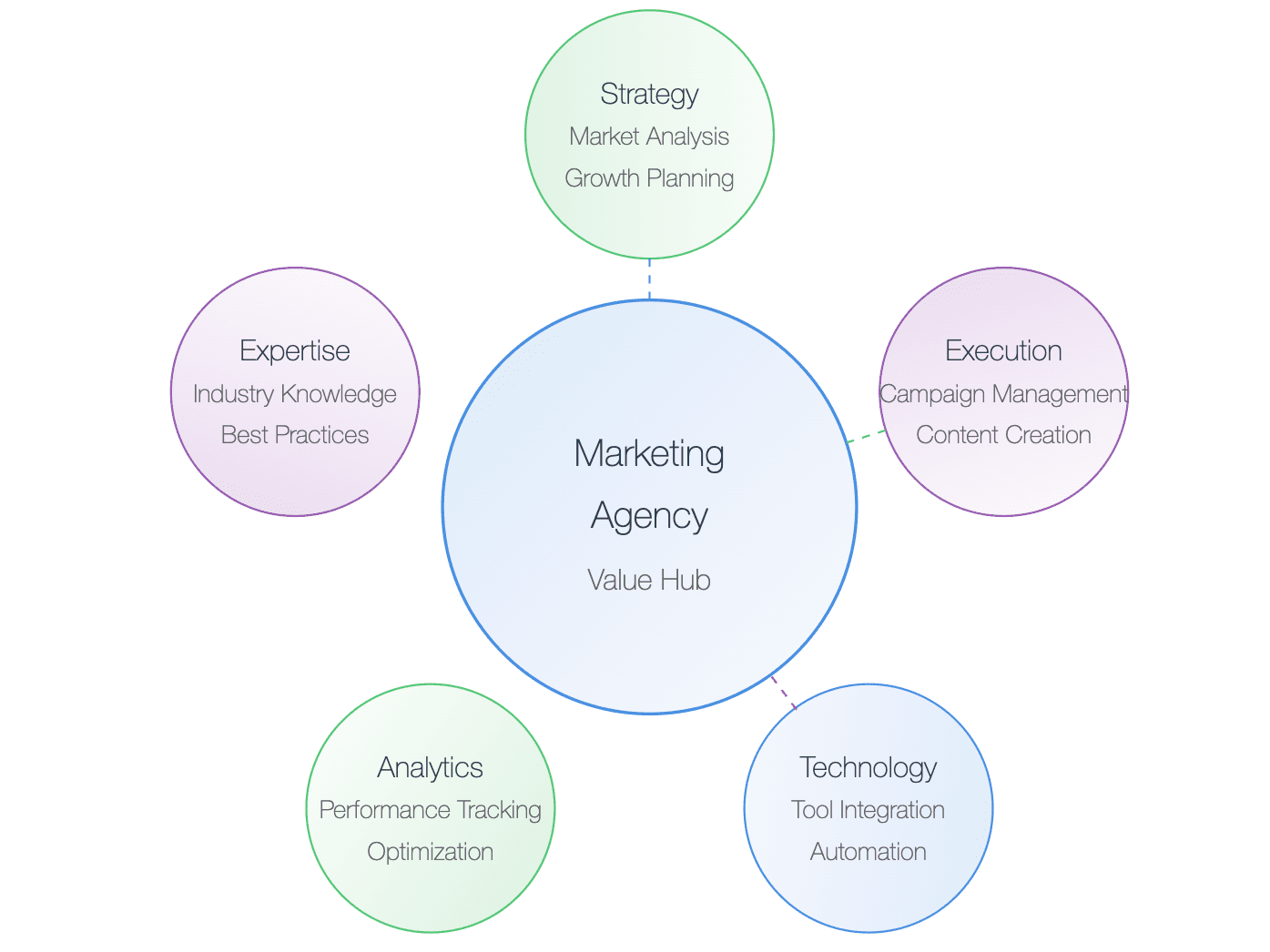
We also bring the tools. There’s so much great technology out there, but not every startup has the resources or the know-how to use them to their full potential. For example, tools like Clearbit for detailed customer profiling, Ahrefs for SEO analysis, or Mixpanel for deep product analytics—they’re powerful, but they’re only useful if you know how to wield them correctly. That’s where we come in.
Startup marketing isn’t a set formula; it’s an ongoing experiment. And that’s exactly what makes it exhilarating—every win, every new user, every small conversion uplift is a testament to your persistence, your willingness to adjust, to test, and to grow.
Partnering with a startup marketing agency like DataDab isn’t about giving up control or handing over the reins. It’s about finding someone who’s willing to get in the trenches with you, share a bit of the weight, and help guide your startup through the wild ride of growth. It’s about keeping you focused on the big picture while we make sure your marketing machine is well-oiled and running smoothly.
So here we are, back where we started. You, a founder, with an idea that has already defied the odds by existing in the first place. And me, your friend, hoping to make that idea into something bigger, something that grows, inspires, and maybe—just maybe—changes the world.
If you’re ready to take your startup marketing seriously, let’s have a real conversation. No fluff, no gimmicks—just strategies that make sense, a bit of hustle, and a good dash of heart.
FAQ
- What makes startup marketing different from traditional marketing?
Startup marketing requires agility, adaptability, and smarter tactics due to limited budgets and rapid experimentation. Unlike traditional marketing, which benefits from large resources and established brand trust, startup marketing involves constantly testing and adjusting to find what works best for a new audience. - How important is testing in startup marketing?
Testing is crucial. It reduces wasted spending, refines targeting, and helps identify what resonates with your audience. At a startup, every dollar counts, so prioritizing tests—such as A/B testing ads or landing pages—can save money and yield better results over time. - How can a startup marketing agency help with customer journey challenges?
A startup marketing agency brings expertise in content creation, storytelling, and connecting with audiences authentically. They help craft narratives that resonate emotionally, making the customer journey smoother and more effective in converting users from leads to loyal customers. - What marketing tactics should startups prioritize?
Startups should prioritize tactics that align with their audience and budget. For example, collaborating with micro-influencers for targeted reach, or finding unexpected partnerships that offer cross-promotional opportunities, can provide effective early traction without large spending. - How can startups use data effectively in marketing?
Startups should focus on both quantitative data (like CAC and LTV) and qualitative data (such as customer surveys and heatmaps). This approach not only helps in understanding campaign performance but also in uncovering deeper customer motivations that drive conversions. - What is the role of A/B testing in startup marketing?
A/B testing helps startups avoid guesswork by validating each decision. It’s essential to prioritize testing elements that have the biggest potential impact, such as headlines, call-to-action buttons, or offers, in order to improve conversion rates quickly. - Why is branding important from the start for a startup?
Branding establishes the emotional connection with customers and differentiates a startup in a competitive market. It helps build trust, recognition, and loyalty, which are essential for early-stage growth. Effective branding means creating a consistent experience across all touchpoints. - When should a startup start scaling its marketing efforts?
Startups should start scaling when they have validated their core messaging, identified effective channels, and established product-market fit. It’s important to scale gradually, using automation tools while maintaining personalization to continue building trust with the audience. - What tools are useful for startup marketing and why?
Tools like Clearbit (for detailed customer profiling), Ahrefs (for SEO analysis), and Mixpanel (for product analytics) are beneficial for startups. These tools help refine audience insights, measure SEO performance, and understand user behaviors, enabling more informed marketing strategies. - How can a startup marketing agency add value that internal teams can't?
A startup marketing agency adds value by providing an external perspective, helping identify inefficiencies or missed opportunities that internal teams might overlook. Additionally, agencies bring specialized experience and access to powerful tools, saving startups from costly trial and error.